How is technology advancing plasma cutting capabilities?
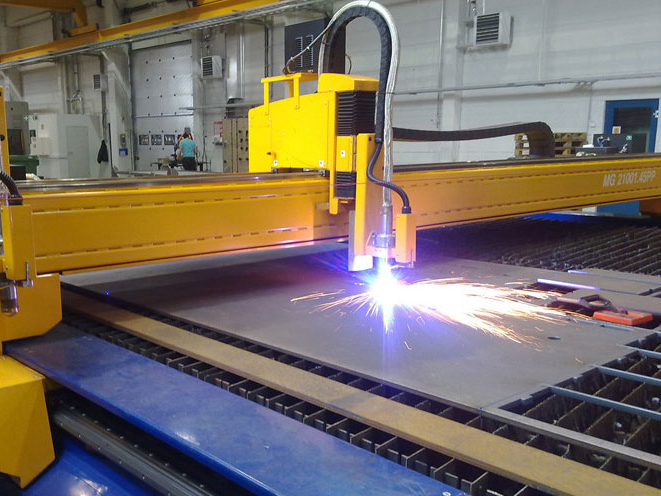
Technology is advancing plasma cutting by improving CNC motion control, torch-height control, CAD/CAM programming, nesting, gas regulation, consumable monitoring, and post-cut inspection. For buyers quoting brackets, frames, guards, panels, base plates, and weldment blanks, the practical RFQ question is whether these plasma cutting improvements can reduce dross, distortion, hole variation, material waste, and secondary cleanup in the selected plasma cutting route.
What technology changes matter most in plasma cutting?
The most useful technology changes are the ones that make plasma cutting more repeatable from drawing to finished blank. CNC controllers improve cut path control. Torch-height control keeps the arc more stable. CAD/CAM workflows reduce programming errors. Nesting software improves sheet and plate use. Sensor monitoring helps operators detect drift before defects spread across a batch.
For RFQ work, buyers should focus on how these improvements affect the part requirement. A machine guard may need flatness and deburred edges. A mounting bracket may need consistent hole position. A base plate may need edge cleanup before welding. Technology only matters when it improves the manufacturing stage that controls the buyer's functional risk.
Plasma cutting technology | Manufacturing capability improved | Part feature affected | RFQ information buyers should provide |
|---|---|---|---|
CNC motion control | More repeatable cut paths and lead-in strategy | Profiles, holes, slots, tabs | CAD files, drawing revision, critical dimensions |
Torch-height control | More stable arc distance over sheet or plate variation | Kerf width, dross, edge taper | Material thickness, flatness need, allowable edge condition |
CAD/CAM nesting | Better material layout and reduced unnecessary cutting movement | Batch consistency, scrap rate, heat distribution | Quantity, kit structure, material grade, grain or cosmetic direction |
Gas and power regulation | More controlled heat input for different metals | Heat affected zone, edge color, pierce quality | Material family, thickness, surface condition, finish requirement |
Inspection feedback | Earlier detection of hole, edge, and flatness variation | Mounting patterns, mating edges, assembly datums | Inspection method, reporting needs, functional dimensions |
How do CNC controls improve plasma cutting consistency?
CNC controls improve plasma cutting consistency by following programmed geometry, controlling lead-ins and lead-outs, and repeating the same cut path across multiple parts. This helps when the buyer needs repeated brackets, equipment panels, guards, base plates, or welded fabrication blanks from the same drawing revision.
The RFQ implication is simple: the supplier needs clean geometry and clear dimension priorities. If a hole pattern is functional, mark it. If an outside profile is only a rough blank for later machining, say so. Clean CAD data and clear toleranced features allow the plasma cutting program to focus control where the part actually needs it.
Why is torch-height control important for edge quality?
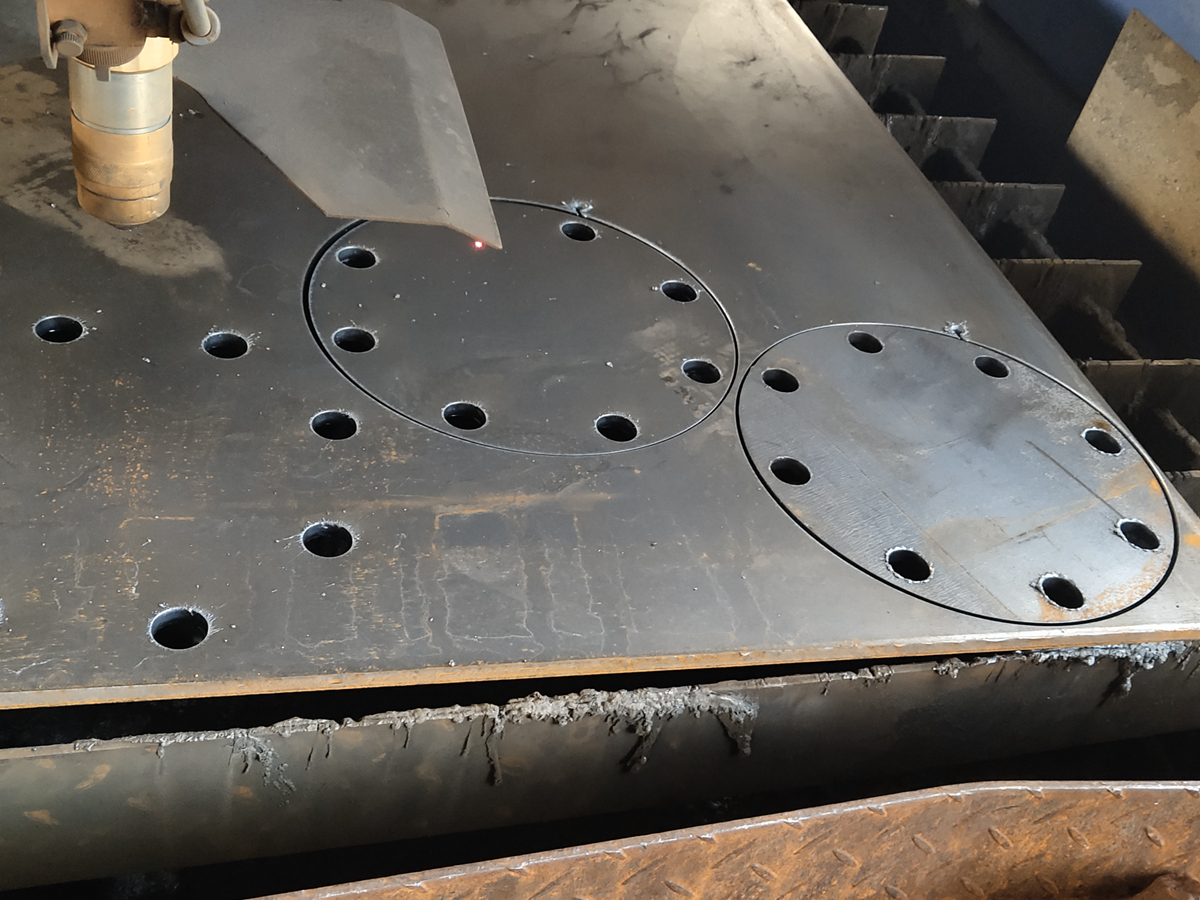
Torch-height control matters because arc distance affects kerf width, dross, bevel, and pierce quality. Sheet and plate are not always perfectly flat, and heat can change the material shape during cutting. Controlled standoff helps the plasma arc stay more consistent as the torch moves through the profile.
For buyers, torch-height control is especially relevant when the part has long edges, multiple pierce points, thin sheet, thicker plate, or critical holes. If the drawing requires clean mounting holes or weld-ready edges, the buyer should state those requirements before quotation so the supplier can review whether plasma cutting and secondary cleanup are enough.
How do CAD/CAM and nesting improve material use?
CAD/CAM and nesting improve plasma cutting by organizing part layouts, lead-ins, pierce locations, and cutting sequences before the machine starts. Better nesting can reduce avoidable scrap, improve repeatability, and manage heat distribution across the sheet or plate.
This matters for custom sheet metal fabrication because many RFQs include part families rather than one isolated profile. Buyers should identify material grade, sheet size if specified, quantity, left-hand and right-hand parts, cosmetic face direction, bend sequence, and whether parts are delivered loose or as a kit.
How do gas control and material-specific settings expand capability?
Gas control and material-specific settings help plasma cutting handle different conductive metals with fewer defects. Carbon steel, stainless steel, aluminum, copper, and brass have different thermal behavior, melting behavior, and edge cleanup needs. Process settings should match the material rather than treating all metal plate the same way.
The buyer should list the exact material grade and thickness for each part number. If a package includes stainless steel guards, aluminum covers, and carbon steel brackets, the supplier should review each material group separately. If fine features or cosmetic edges dominate the drawing, the supplier may compare selected features with laser cutting or machining before confirming the manufacturing route.
How do sensor monitoring and consumable tracking reduce defects?
Sensor monitoring and consumable tracking reduce defects by helping operators identify process drift. Worn electrodes, damaged nozzles, unstable gas supply, poor grounding, and material surface contamination can create arc instability, rough edges, or inconsistent kerf width. Earlier detection prevents the same defect from repeating across a larger batch.
For repeat orders, buyers should keep drawing revisions, material requirements, and acceptance criteria stable. If the part has a critical edge or hole pattern, inspection feedback can be tied back to the cutting program and consumable condition. This approach supports more predictable production without relying on guesswork after parts are already cut.
How do finishing and inspection close the plasma cutting workflow?
Finishing and inspection turn a cut blank into an accepted part. Plasma cutting may produce the profile, but edge burrs, dross, heat tint, flatness, and hole quality often need review before shipment or before later assembly. Common follow-up steps include deburring, sandblasting, powder coating, machining, and dimensional inspection.
Buyers should define the inspection method and acceptance criteria during RFQ. A rough weldment blank and a visible equipment cover should not use the same edge expectation. If the buyer needs formal dimensional reporting, the RFQ should state which dimensions need inspection and whether a report is required.
What RFQ data helps use advanced plasma cutting effectively?
The best RFQ data includes material grade, thickness, CAD files, drawing revision, quantity, toleranced features, hole sizes, bend lines, weld edges, cosmetic faces, finishing requirements, and inspection requirements. This information helps the supplier apply CNC controls, torch-height control, nesting, gas settings, and inspection feedback to the actual part risk.
Technology does not remove the need for clear engineering input. It makes the process easier to control when the buyer clearly defines the part function and the production stage. Better RFQ data lets the supplier choose plasma cutting, laser cutting, machining, or a combined route based on the manufacturing problem rather than only the process name.
Related FAQs
How does plasma cutting technology achieve precision and reduce material waste?
How can plasma cutting precision be improved in manufacturing?
How important is nesting software in minimizing plasma cutting waste?
Can plasma cutting achieve tight tolerances for complex custom parts?
What common mistakes lead to excessive waste in plasma cutting operations?
How is custom plasma cutting technology evolving to meet sustainability goals?