How does plasma cutting technology achieve precision and reduce material waste?
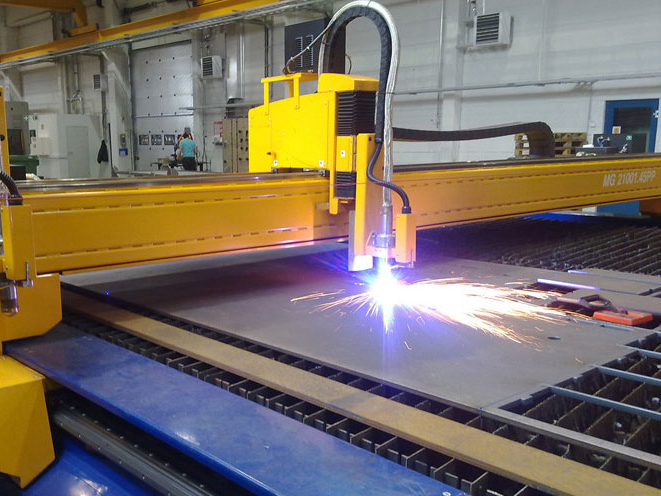
Plasma cutting technology improves precision and reduces material waste through CNC cut-path control, torch-height control, gas and power regulation, CAD/CAM nesting, revision control, and inspection feedback. For buyers quoting brackets, frames, guards, panels, base plates, and weldment blanks, the practical RFQ problem is whether plasma cutting can hold the required features while avoiding scrap, rework, excess edge cleanup, and rejected parts.
What do precision and material waste mean in plasma cutting?
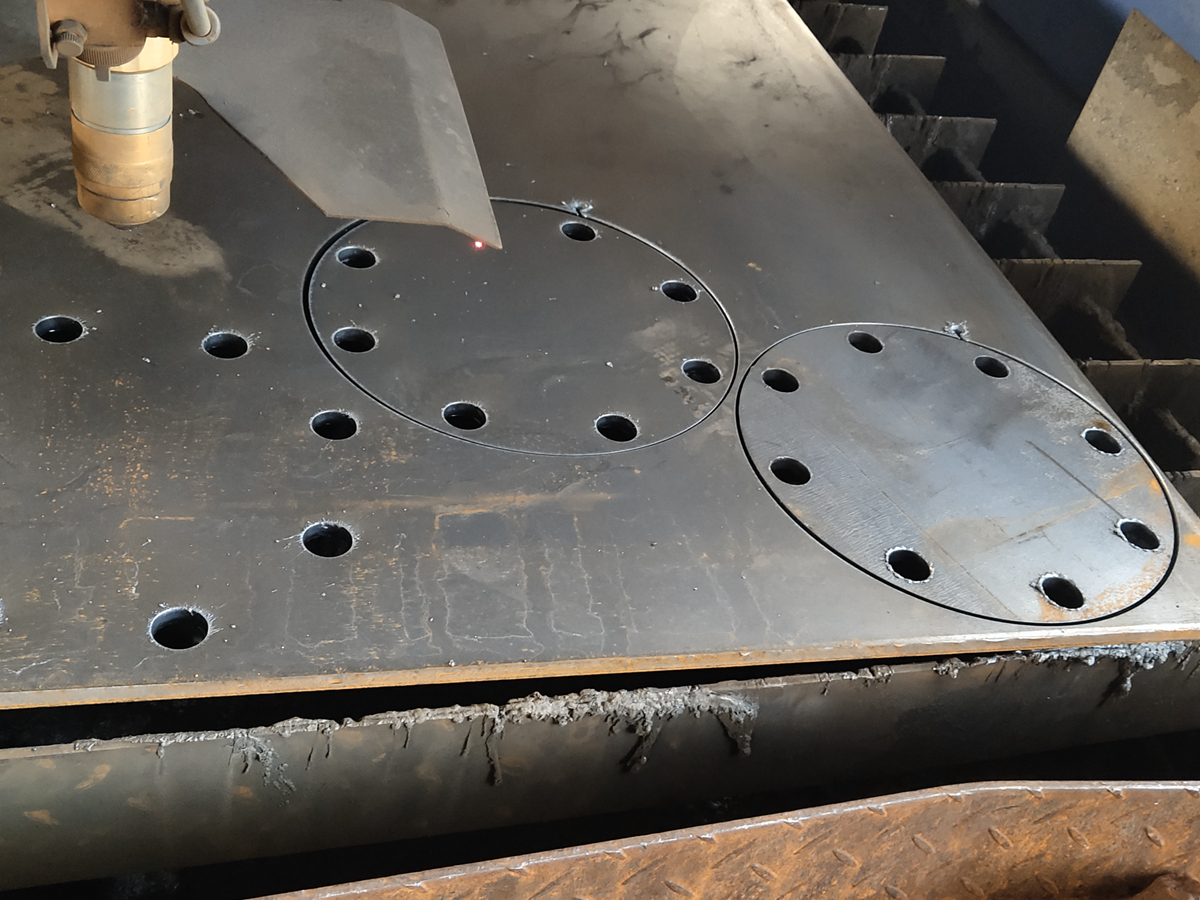
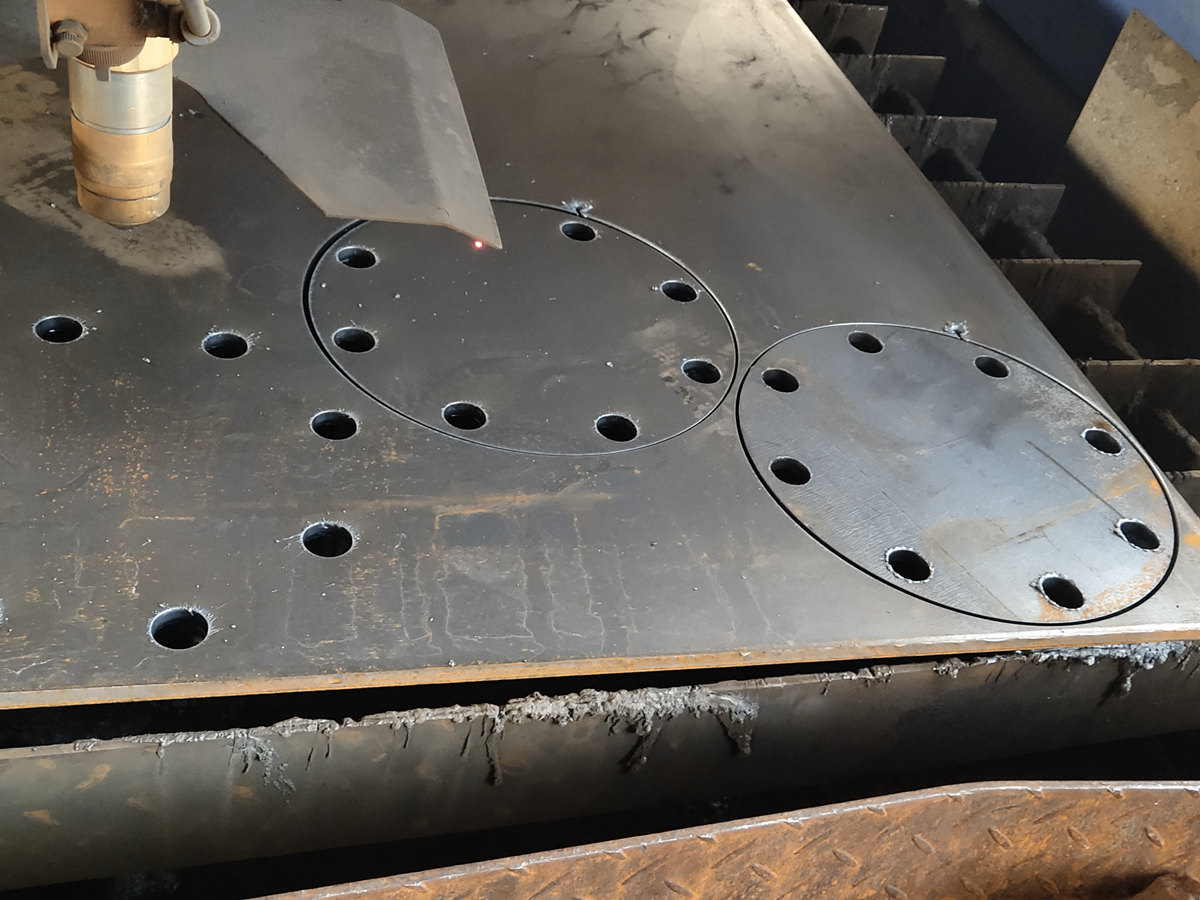
Precision in plasma cutting means the cut blank matches the functional requirements on the drawing, including outside profile, hole pattern, slot geometry, edge condition, and flatness where those features matter. Material waste includes unused plate, poor nesting, wrong revision cuts, rejected holes, excessive dross removal, and parts scrapped after downstream bending, welding, coating, or inspection.
Buyers should evaluate precision and waste as one combined manufacturing issue. A fast cut is not efficient if the blank needs heavy grinding, if holes are not suitable for assembly, or if poor nesting consumes unnecessary material. The RFQ should identify the features that control fit and the production stages that can turn a cutting issue into a later rejection.
Technology factor | Precision effect | Waste reduction effect | RFQ data needed |
|---|---|---|---|
CNC cut-path control | Improves repeatability of profiles, holes, slots, and lead-ins | Reduces wrong cuts and geometry rework | CAD file, drawing revision, critical dimensions |
Torch-height control | Stabilizes arc distance and kerf behavior | Reduces dross, edge taper, and rejected edges | Material thickness, flatness needs, edge acceptance |
Gas and power regulation | Matches heat input to material family and thickness | Reduces oxidation, heat distortion, and cleanup effort | Material grade, surface condition, finish requirement |
CAD/CAM nesting | Controls cut order, lead-ins, and part orientation | Improves sheet or plate utilization and reduces avoidable scrap | Quantity, kit structure, cosmetic direction, material size constraints |
Inspection feedback | Finds hole, edge, and flatness variation earlier | Prevents repeat defects across the full batch | Inspection method, report need, functional feature list |
How does CNC cut-path control improve precision?
CNC cut-path control improves precision by following programmed geometry for the outside profile, holes, slots, lead-ins, lead-outs, and pierce locations. It helps repeat the same part from one blank to the next, which is important for mounting brackets, frames, guard panels, fixture plates, and repeated production kits.
The buyer should provide clean CAD files and a controlled drawing revision. If the supplier receives unclear geometry, overlapping lines, missing hole callouts, or conflicting revision notes, CNC control cannot prevent avoidable mistakes. Clear design data is one of the simplest ways to reduce waste before the first sheet or plate is cut.
How do torch height, gas, and power control reduce rework?
Torch-height control, gas selection, and power regulation reduce rework by stabilizing the plasma arc and matching heat input to the material. Better control can reduce dross, edge taper, heat affected zones, rough pierces, and inconsistent kerf width. These issues directly affect whether a part can move to bending, welding, coating, or assembly without extra cleanup.
Carbon steel, stainless steel, aluminum, copper, and brass behave differently under plasma cutting. A buyer should list material grade, thickness, and surface condition for each part number. If the project includes multiple materials, the supplier should review settings separately rather than applying one generic cutting rule to the full package.
How does nesting reduce material waste?
Nesting reduces material waste by arranging parts on the sheet or plate to use available material efficiently while protecting cut quality. Good nesting considers part orientation, pierce locations, lead-ins, heat distribution, shared edges where appropriate, and the relationship between left-hand and right-hand parts.
For custom sheet metal fabrication, nesting is especially important when one RFQ includes many related components. Buyers should state quantities, kit groupings, cosmetic face direction, grain direction if required, and whether leftover material must be controlled. This information helps reduce scrap without creating heat distortion or assembly problems.
How do CAD/CAM and revision control prevent scrap?
CAD/CAM and revision control prevent scrap by reducing the chance that the wrong geometry or outdated drawing is cut. Plasma cutting programs rely on digital geometry, so inconsistent CAD files, missing tolerances, or late design changes can produce waste even when the machine itself is operating correctly.
Buyers should send one current drawing package, clearly label part numbers, and identify which dimensions are critical-to-function. If the RFQ includes prototype parts and production parts together, the buyer should separate trial geometry from released geometry. This reduces the risk of cutting obsolete blanks and helps the supplier plan inspection around the latest design intent.
How do finishing and inspection reduce hidden waste?
Finishing and inspection reduce hidden waste by catching problems before parts move too far into the production route. A plasma-cut edge may need deburring, sandblasting, powder coating, machining, or dimensional checks before shipment. If finishing requirements are not known during quotation, the supplier may underestimate the real route.
Inspection feedback can also prevent a small cutting issue from repeating across a batch. If a hole pattern, slot, or datum edge controls assembly, buyers should mark it on the drawing and state whether a dimensional report is required. A rough blank and a finished visible cover should not use the same inspection and edge acceptance criteria.
When should buyers compare plasma cutting with other processes?
Buyers should compare plasma cutting with other processes when the part has very fine details, small holes, strict cosmetic edges, tight flatness requirements, heat-sensitive material behavior, or heavy post-cut cleanup. In these cases, laser cutting, machining, stamping, or a combined route may reduce total waste even if the cutting step itself seems slower or more complex.
The correct process decision should be based on total manufacturing waste, not only raw cut speed. Scrap material, rework, extra grinding, failed coating adhesion, rejected holes, and wrong revisions all cost production capacity. A complete RFQ allows the supplier to choose the route that reduces those risks.
What RFQ details improve precision and waste control?
A strong RFQ should include material grade, thickness, quantity, CAD files, drawing revision, toleranced features, hole sizes, slots, cosmetic faces, bend lines, weld edges, finishing requirements, and inspection method. This information helps the supplier decide where plasma cutting precision matters and where material waste can be reduced through nesting, programming, and process controls.
The most important buyer decision is to define which features control part function. When the supplier knows the functional surfaces, mounting holes, assembly datums, and finish requirements, plasma cutting technology can be applied to the actual manufacturing risk instead of treating every edge and hole the same way.
Related FAQs
How can plasma cutting precision be improved in manufacturing?
Can plasma cutting achieve tight tolerances for complex custom parts?
How important is nesting software in minimizing plasma cutting waste?
What common mistakes lead to excessive waste in plasma cutting operations?
How can manufacturers minimize dross formation during plasma cutting?