What industries benefit most from high-volume custom metal injection molding services?
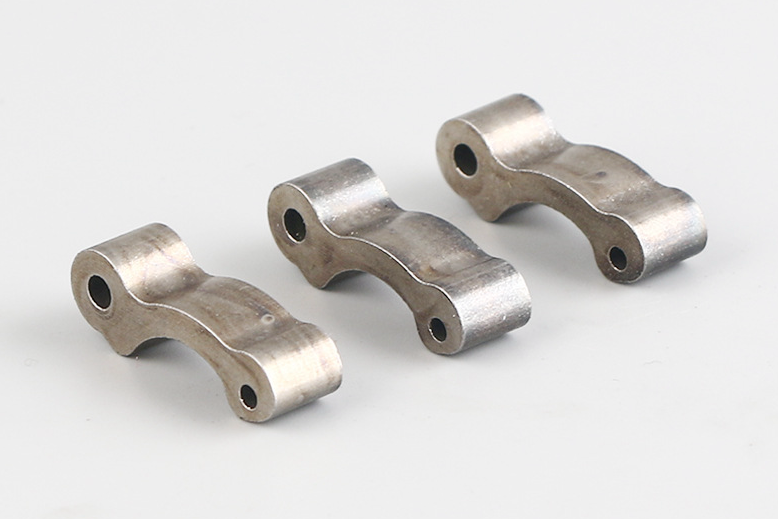
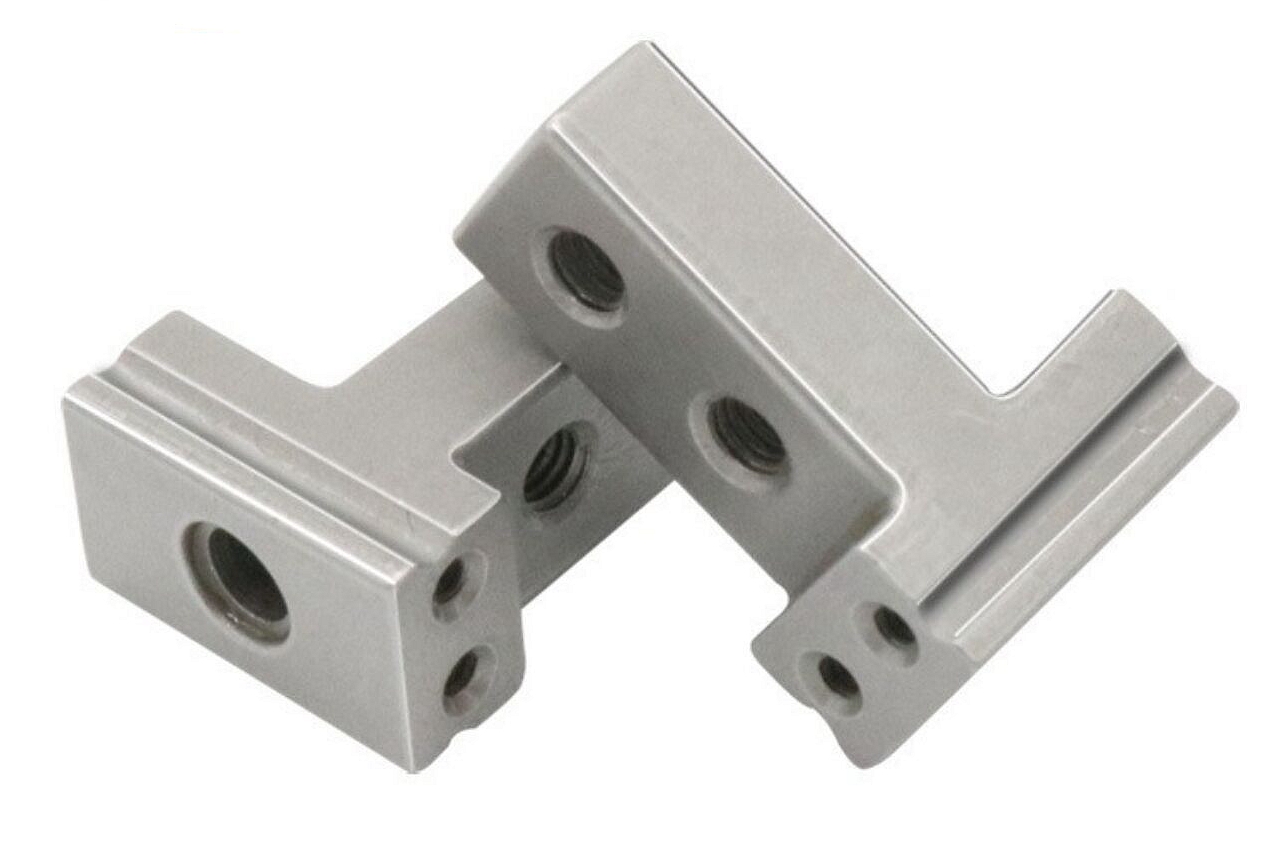
High-volume custom metal injection molding services fit industries that need small, complex, repeatable metal parts with controlled geometry and recurring production demand. This FAQ explains how Neway evaluates metal injection molding for consumer electronics, automotive systems, medical devices, locking systems, power tools, telecom hardware, aerospace hardware, and e-mobility components. The practical RFQ problem is to decide whether an industry's part family has enough feature complexity, volume stability, material need, and inspection value to justify MIM tooling and process validation.
Which industry conditions make high-volume MIM useful?
MIM is useful when an industry repeatedly needs compact metal parts with features that are hard to machine, stamp, or cast. The part should usually have small size, high feature density, stable design, recurring volume, and a material requirement that benefits from metal powder processing.
Industry fit is not decided by market name alone. Automotive, medical, consumer electronics, and locking system programs can all use MIM, but each part still needs review for material grade, wall thickness, tolerance, surface finish, heat treatment, documentation, and assembly function.
Industry condition | Why it supports MIM | Typical MIM part examples | RFQ detail to confirm |
|---|---|---|---|
Small complex metal geometry | MIM can form features that would require repeated machining. | Gears, cams, levers, brackets, clips, latches | 3D model, 2D drawing, critical features, undercuts, walls |
Recurring production volume | Tooling and validation cost can be distributed over repeat orders. | Consumer device parts, automotive mechanisms, lock parts | Annual volume, project life, order batches, ramp plan |
Material or property requirement | MIM can process selected stainless, alloy, tool, titanium, cobalt, or magnetic materials. | Medical hardware, wear inserts, magnetic components, dense weights | Material grade, heat treatment, surface finish, certification |
Assembly simplification | Several small features may be integrated into one MIM part. | Housings, locking inserts, hinge parts, connector components | Assembly drawing, mating parts, cost pain points |
How do consumer electronics and smart devices use high-volume MIM?
Consumer electronics and smart devices use MIM when compact hardware must fit inside tight product architecture. MIM can be considered for hinges, brackets, connector bodies, camera or sensor supports, wear inserts, buttons, decorative metal features, and small structural parts.
These applications often require appearance, dimensional repeatability, corrosion resistance, and smooth assembly. Stainless steels, low-alloy steels, magnetic alloys, and selected specialty materials may be reviewed based on the part function. Surface finishing, polishing, passivation, coating, or tight visual standards may also affect the production route.
For RFQs, buyers should share appearance class, assembly clearance, mating parts, surface finish, and target annual demand. A consumer electronics MIM part may need both mechanical function and a controlled visual surface.
How do automotive, e-mobility, and power tool applications use high-volume MIM?
Automotive and e-mobility programs may use MIM for small mechanism parts, sensor hardware, actuator components, brackets, connector features, and compact metal inserts. These parts may require strength, wear resistance, heat treatment, corrosion resistance, and traceable production controls.
Power tools may use MIM for gears, latch parts, drive inserts, trigger components, locking parts, and wear-loaded small mechanisms. Tool applications often need strength, impact behavior, heat treatment, surface finish, and batch consistency.
In these industries, the RFQ should define load, cycle, temperature, material, coating, hardness, critical dimensions, and inspection method. MIM should be compared with machining, stamping, casting, forging, or powder metallurgy when part size and volume are unclear.
How do medical, locking system, telecom, and aerospace hardware use MIM?
Medical device and dental hardware applications may use MIM for small stainless steel, titanium, cobalt alloy, or precision instrument components when the part needs detailed geometry and controlled surface condition. These RFQs should include material standards, surface finish, cleaning, inspection, and documentation expectations.
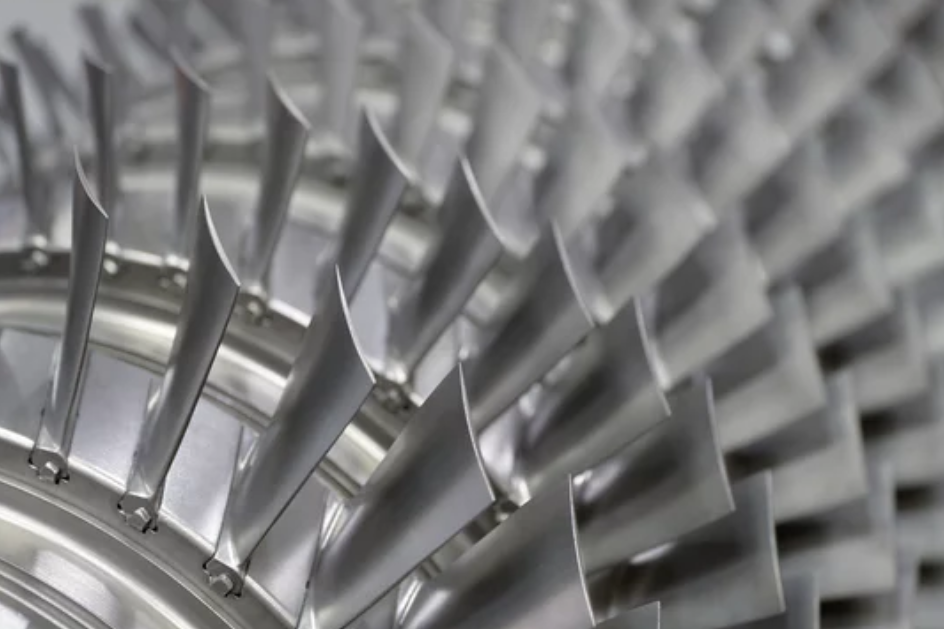
Locking systems use MIM for gears, pawls, cams, latch inserts, anti-pry pins, and compact security mechanisms. Telecom and aerospace hardware may use MIM for small brackets, connector parts, thermal or structural inserts, and specialty material components. These applications often care about repeatability, material behavior, and inspection evidence.
Neway reviews each industry requirement against part geometry and production route. A medical part may need documentation and surface control, while a lock part may need wear, torque, and anti-manipulation control. The same MIM process family can require different validation plans.
When should industry buyers avoid MIM?
Buyers should avoid MIM when the part is large, simple, flat, frequently changing, or needed only in low volume. CNC machining, stamping, die casting, investment casting, forging, or sheet metal fabrication may be more practical depending on size, geometry, material, and schedule.
MIM may also be difficult when a design has severe wall imbalance, unsupported thin features, unrealistic as-sintered tolerance expectations, or a material that is not practical as MIM powder. Neway may recommend geometry changes, secondary machining, or a different route when these risks are higher than the benefit of MIM tooling.
What RFQ details help Neway judge industry fit for high-volume MIM?
A useful RFQ should include 3D models, 2D drawings, industry application, annual volume, project life, material grade, critical dimensions, load requirements, surface treatment, cosmetic standard, inspection method, certification needs, and current manufacturing process. Buyers should also explain whether the part is a new design or a conversion from CNC machining, casting, stamping, or assembly.
Neway can then decide whether MIM, MIM with secondary operations, or another process is the better route. Industry fit is strongest when part geometry, material requirement, production volume, and inspection value all point toward repeatable small metal molding.
Related FAQs
What are the applications of thin-walled MIM parts across industries?
Why are custom metal injection molding services suitable for high-volume production?
How does production volume affect the unit cost of metal injection molded parts?
What tooling considerations are important for high-volume MIM production?
How can custom MIM services maintain part consistency across large production runs?
What tolerances can precision metal injection molding services typically achieve?