What is metal injection molding (MIM) used for?
Metal injection molding is used for small, complex, high-volume metal parts that need molded geometry, controlled shrinkage, repeatable dimensions, and selected secondary operations. This FAQ explains how Neway applies metal injection molding to gears, cams, brackets, latches, medical tools, electronic hardware, automotive mechanisms, locking system parts, and miniature structural components. The practical RFQ problem is to decide whether a buyer's part should be quoted as MIM, CNC machining, casting, stamping, or another process before tooling cost, tolerance risk, and production volume are fixed.
Which part types are commonly made by metal injection molding?
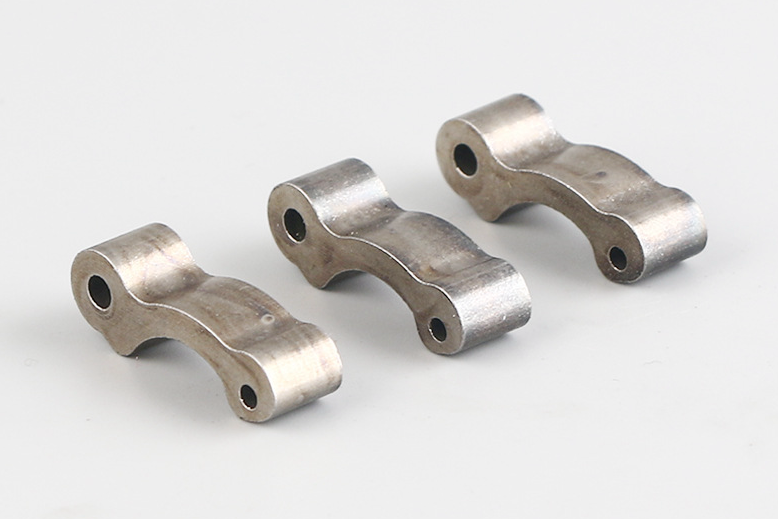
MIM is commonly used for small metal parts that have complex geometry, difficult machining access, thin sections, internal features, or multiple functions in one component. The process forms a feedstock in a mold, removes binder, and sinters the part to final metal condition. This route can reduce repeated machining when the part is designed for molding and sintering.
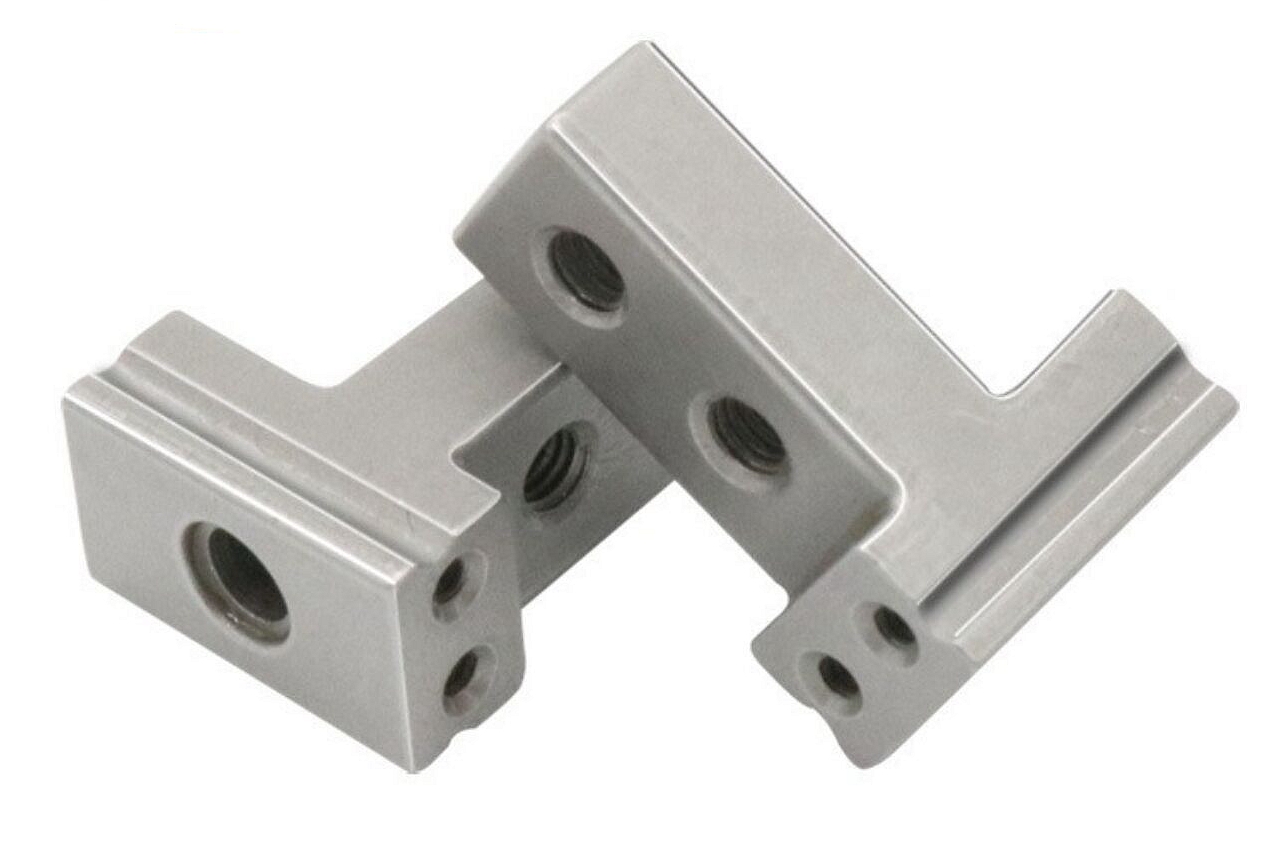
Typical MIM part types include gears, pawls, cams, levers, latches, brackets, clips, housings, surgical instrument features, connector parts, watch hardware, firearm or security hardware, sensor brackets, and consumer electronics mechanisms. MIM is not selected only because a part is metal. MIM is selected when the combination of geometry, size, material, batch volume, and inspection requirements makes the route practical.
MIM part category | Why MIM is considered | Typical part examples | RFQ decision point |
|---|---|---|---|
Motion and transmission parts | Small gears, cams, and pawls can integrate fine features. | Smart lock gears, latch cams, ratchets, micro shafts | Define gear data, torque, wear face, and inspection method. |
Structural miniature parts | Complex metal brackets and clips can be molded near-net shape. | Brackets, levers, housings, locking inserts, sensor supports | Mark datums, wall sections, load direction, and finishing surfaces. |
Medical and precision hardware | Small stainless or specialty alloy parts can combine shape and surface needs. | Instrument features, implant-adjacent hardware, small tool parts | Confirm material grade, surface finish, cleaning, and inspection plan. |
Electronic and consumer device parts | Compact metal parts can fit dense assemblies. | Hinges, connector bodies, wear inserts, shielding pieces | Provide assembly clearance, appearance class, and batch volume. |
Which industries use MIM parts?
MIM is used in industries that need compact metal parts with repeatable production. Automotive systems may use MIM for small mechanisms, sensor hardware, turbocharger or fuel-system features, and precision brackets. Medical and dental applications may use MIM for small stainless, titanium, or cobalt alloy parts when material, surface, and validation requirements are defined. Consumer electronics may use MIM for hinges, miniature structural parts, and wear-resistant hardware.
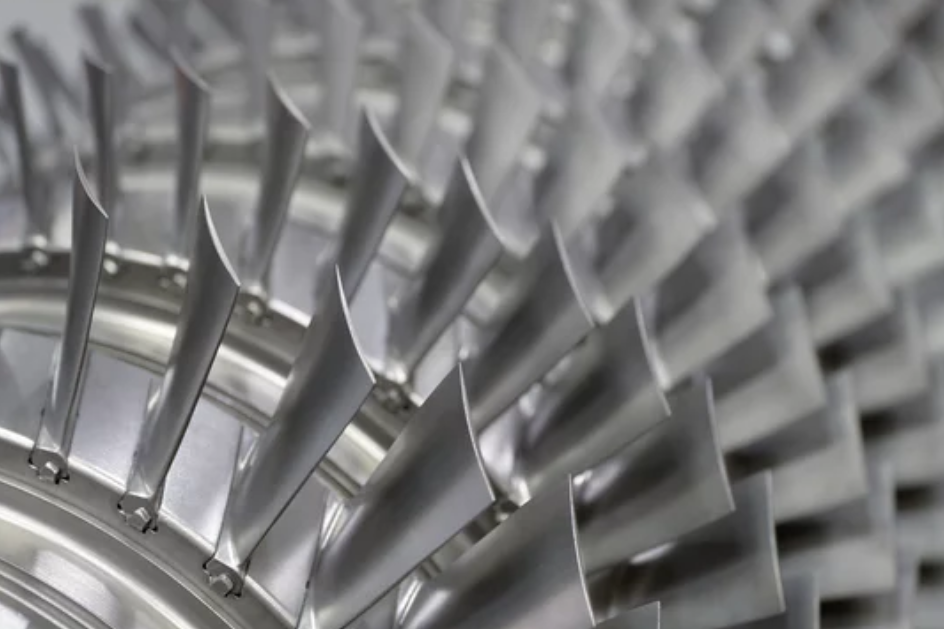
Locking systems and smart access products use MIM for small gears, pawls, cams, anti-pry pins, latch inserts, and compact security mechanisms. Industrial tools may use MIM for small high-strength metal components. Aerospace or telecom hardware may use MIM where small precision metal parts, repeatable geometry, and specialty materials are required.
The industry name alone does not prove MIM suitability. Neway still reviews size, annual volume, material grade, wall thickness, tolerance, heat treatment, surface finish, and inspection requirements for each part.
When does MIM make sense compared with CNC machining, casting, or stamping?
MIM makes sense when the part is small, complex, repeatable, and likely to waste time or material if machined from bar or billet. CNC machining can be appropriate for prototypes, low-volume production, and critical datum finishing. Casting can be appropriate for larger metal shapes. Stamping can be appropriate for flat sheet metal geometry with high production volume.
The buyer should compare process routes by part size, feature density, annual volume, material, tolerance, finishing, and tooling cost. A MIM part may still need CNC machining on a bore, thread, or datum. A cast part may still need machining and surface finishing. A stamped part may need forming, bending, welding, or heat treatment. The route should be selected by the complete manufacturing plan.
Buyer question | MIM answer | Alternative route to compare | RFQ implication |
|---|---|---|---|
Is the part small and feature-dense? | MIM may reduce repeated machining of fine features. | CNC machining or micro machining for prototypes and datums | Send 3D model, 2D drawing, and critical feature list. |
Is the part large or thick? | MIM may become less practical as size and mass increase. | Investment casting, die casting, forging, or machining | Compare material use, tooling, and finishing access. |
Is the geometry mainly flat sheet metal? | MIM may not be the efficient route. | Stamping, bending, laser cutting, or sheet metal fabrication | Review sheet thickness, bend radius, hole pattern, and volume. |
Is production volume repeatable? | MIM tooling can be justified by recurring batches. | CNC machining for low-volume or changing designs | Provide annual volume, ramp plan, and design maturity. |
What materials and post-processes are common in MIM applications?
MIM material selection depends on corrosion, strength, wear, magnetic behavior, temperature, and certification needs. Neway may review MIM 316L, MIM 17-4 PH, MIM 420, MIM 440C, low alloy steels, tool steels, titanium alloys, cobalt alloys, and magnetic alloys according to the application.
Post-processes may include sizing, CNC machining, tapping, grinding, tumbling, polishing, heat treatment, passivation, PVD coating, nitriding, and inspection. These operations should be planned during the RFQ stage because heat treatment and coating can affect dimension, surface finish, and assembly fit.
Buyers should not treat MIM as a no-machining assumption. MIM can reduce unnecessary machining, but critical datums, threads, sealing faces, and bearing surfaces may still need secondary operations depending on the part function.
What RFQ details help Neway confirm MIM suitability?
A useful MIM RFQ should include 3D models, 2D drawings, part size, material preference, annual volume, target application, critical dimensions, mating parts, heat treatment, surface treatment, cosmetic surfaces, threads, datum scheme, and inspection method. Buyers should also share whether the design is frozen, under prototype validation, or already in production with another process.
Neway can then compare MIM with CNC machining, investment casting, die casting, stamping, and plastic or ceramic injection molding where relevant. The correct route is the one that matches the part geometry, material, quantity, tolerance, and final assembly risk.
Related FAQs
What are the applications of thin-walled MIM parts across industries?
Why are custom metal injection molding services suitable for high-volume production?
What tooling considerations are important for high-volume MIM production?
How can custom MIM services maintain part consistency across large production runs?
What tolerances can precision metal injection molding services typically achieve?
What cost advantages does the MIM process offer compared with CNC machining?