How does gravity casting enhance the strength of manufactured components?
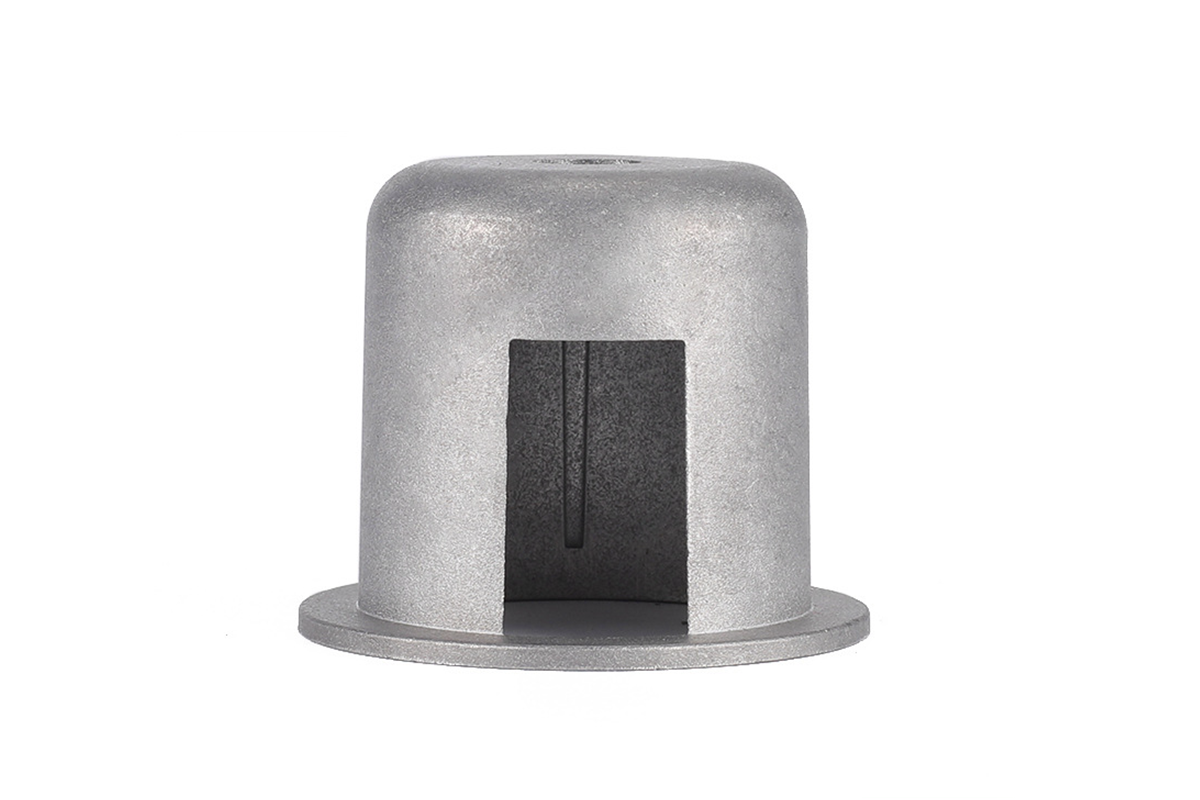
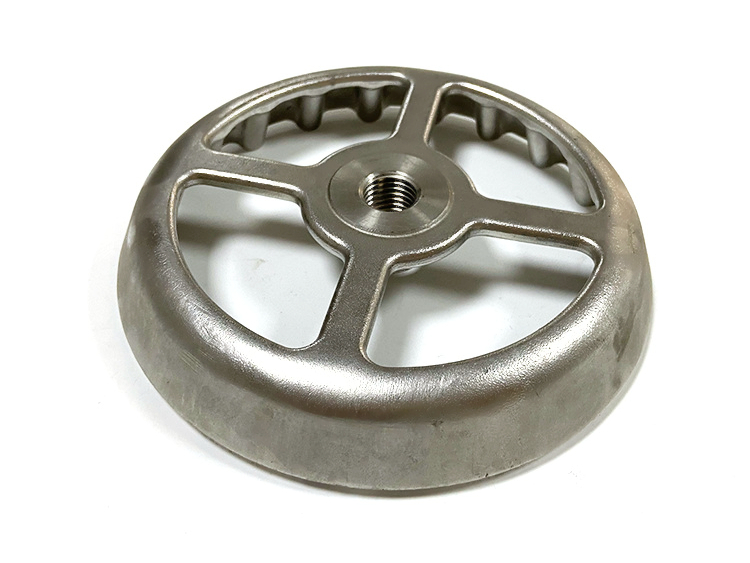
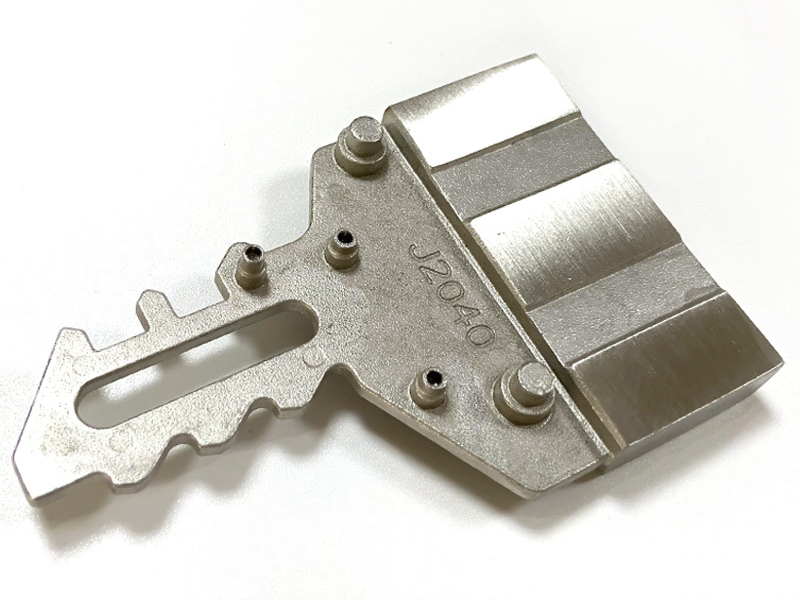
Gravity casting can enhance the strength of manufactured components by using a permanent mold, controlled metal filling, and planned solidification to produce cast parts with stable geometry and useful mechanical performance for the intended application. For buyers sourcing gravity-cast housings, brackets, covers, pump bodies, or structural equipment parts, the practical RFQ problem is confirming whether the selected alloy, wall design, heat treatment, machining sequence, and inspection plan support the required strength instead of assuming the process alone is enough.
How Does Gravity Casting Support Component Strength?
Gravity casting supports component strength by allowing molten metal to fill a reusable mold under gravity, with mold design, feeding, and cooling planned around the part geometry. Compared with some expendable mold routes, the permanent mold can help improve repeatability of shape, surface condition, and dimensional control when the part is suitable for the process.
Strength in a casting is not only a material number. The load path passes through ribs, bosses, walls, fillets, machined datums, threaded holes, and sometimes sealing surfaces. If the casting design creates shrinkage, porosity, cold shuts, or local stress concentration, the component may not meet its functional requirement even when the nominal alloy is correct.
The RFQ implication is direct: buyers should provide the part drawing, material requirement, critical load areas, machining surfaces, and inspection standard before quotation. A supplier can then review whether gravity casting is suitable or whether a different route such as sand casting, investment casting, die casting, fabrication, or machining should be considered.
Which Process Controls Influence Strength In Gravity Casting?
The main process controls are melt quality, mold temperature, filling path, gating, feeding, cooling rate, and removal of gates or risers. These controls influence porosity, shrinkage, oxide film, grain structure, and local geometry variation.
Process Control | Strength Effect | Risk If Poorly Controlled | Buyer Information Needed |
|---|---|---|---|
Melt quality | Supports cleaner internal structure | Oxide inclusions or gas-related defects | Material specification and critical part function |
Gate and runner design | Controls flow direction and turbulence risk | Cold shuts, surface defects, weak flow-front areas | Visible surfaces, load-bearing zones, machining faces |
Feeding and solidification | Reduces shrinkage in heavy sections | Shrinkage cavities near bosses or ribs | Wall thickness, section changes, pressure boundary details |
Mold temperature control | Improves repeatability across lots | Inconsistent fill, distortion, or local roughness | Production volume and repeatability requirement |
Gate removal and cleanup | Protects functional surfaces and edges | Grinding marks, local thinning, cosmetic defects | Allowed gate areas and finish requirements |
How Do Alloy Choices Affect Strength In Gravity-Cast Parts?
Alloy choice affects strength because each material family has different castability, mechanical behavior, corrosion resistance, heat-treatment response, and machinability. A strong gravity-cast component starts with an alloy that fits both the design and the service environment.
Cast aluminum is commonly used when buyers need a balance of weight reduction, machinability, corrosion behavior, and finishing compatibility. A356 aluminum may be considered for gravity-cast components that require a balance of castability and mechanical performance, subject to drawing review and heat-treatment requirements. A380 aluminum, 383 ADC12 aluminum, and B390 aluminum may fit different requirements for castability, wear behavior, or finished part function.
Magnesium alloy can support lightweight components when corrosion protection is specified. Zinc alloy can be useful for detailed parts where its properties match the application. Copper alloy may be selected when thermal, electrical, wear, or corrosion behavior is more important than low weight.
How Do Design Features Help Or Hurt Strength?
Design features help strength when load paths are smooth, wall transitions are controlled, fillets reduce stress concentration, and ribs or bosses are placed where the casting can fill and solidify soundly. Design features hurt strength when they create thick isolated sections, sharp internal corners, thin unsupported walls, or machined holes too close to weak areas.
A gravity-cast bracket, pump body, or equipment housing may include both structural and non-structural features. The load-bearing rib and mounting boss need a different review than a cosmetic exterior face. If a threaded boss is both a structural connection and a machined feature, the RFQ should identify thread load, machining allowance, and inspection condition.
Buyers can reduce strength risk by supplying 3D models, 2D drawings, wall thickness expectations, load direction, mating part information, and critical-to-function dimensions. If the part has pressure, vibration, heat, or regulated application requirements, those requirements should be stated before tooling review.
Which Secondary Operations Can Improve Functional Strength?
Secondary operations improve functional strength when they create accurate mating surfaces, control material condition, remove harmful edge conditions, or protect the part from the service environment. These operations should be planned as part of the manufacturing route, not added after defects appear.
CNC machining can create datums, bores, sealing lands, and threaded holes that make the casting usable in an assembly. Heat treatment may support selected alloy requirements when specified by the buyer, but heat-treatment distortion and final inspection timing should be reviewed. Deburring and edge finishing can reduce assembly damage and handling risk.
Surface protection can matter for strength over service life. Powder coating, anodizing, or other finishes may help protect selected components from corrosion or wear, but coating selection should be based on material, environment, masking, and inspection needs.
How Should Strength Be Verified Before Production?
Strength should be verified through the inspection evidence required by the part function. A visual check alone may be enough for a non-critical cover, but it is not enough for a pressure housing, load-bearing bracket, or energy equipment component.
Depending on the requirement, verification may include dimensional inspection, CMM reports, hardness testing, surface inspection, leak testing, pressure testing, material records, heat-treatment records, or internal defect inspection requested by the buyer. The inspection plan should identify whether each check happens as-cast, after machining, after heat treatment, after coating, or after final assembly.
For aerospace, automotive, energy, medical equipment, or other regulated applications, buyers should define qualification, documentation, and acceptance criteria before production release. Gravity casting can support strength-focused components when the design and process are suitable, but final validation remains the buyer's responsibility.
What RFQ Details Help Confirm A Strength-Focused Gravity Casting Route?
The most useful RFQ details are the details that connect the casting to its real working load. Without load areas, critical features, material requirements, and inspection expectations, the supplier can only quote a general casting, not a strength-focused component.
RFQ Detail | Why It Affects Strength | Supplier Review Output |
|---|---|---|
Load-bearing surfaces and load direction | Shows where defects and stress concentration matter most | Feature review, gate strategy, inspection focus |
Material grade or approved alloy list | Controls casting behavior, heat treatment, and service performance | Material route recommendation |
Machined datums, bores, threads, and sealing faces | Identifies areas where machining may expose pores or reduce section thickness | Machining allowance and fixture plan |
Operating environment | Clarifies corrosion, heat, pressure, vibration, or wear risk | Finish, heat treatment, and inspection review |
Inspection records required for approval | Defines how strength-related acceptability will be proven | Quality plan and reporting scope |
Related FAQs
What is structural integrity, and why is it critical in casting?
Which materials are best suited for gravity casting to ensure high structural integrity?
In which industries is enhanced structural integrity through gravity casting most critical?
What future innovations are expected to further improve gravity casting processes?
When to choose gravity casting service for your project, and why?