Prototype Zinc Die Casting: From Design Validation to Mass Production
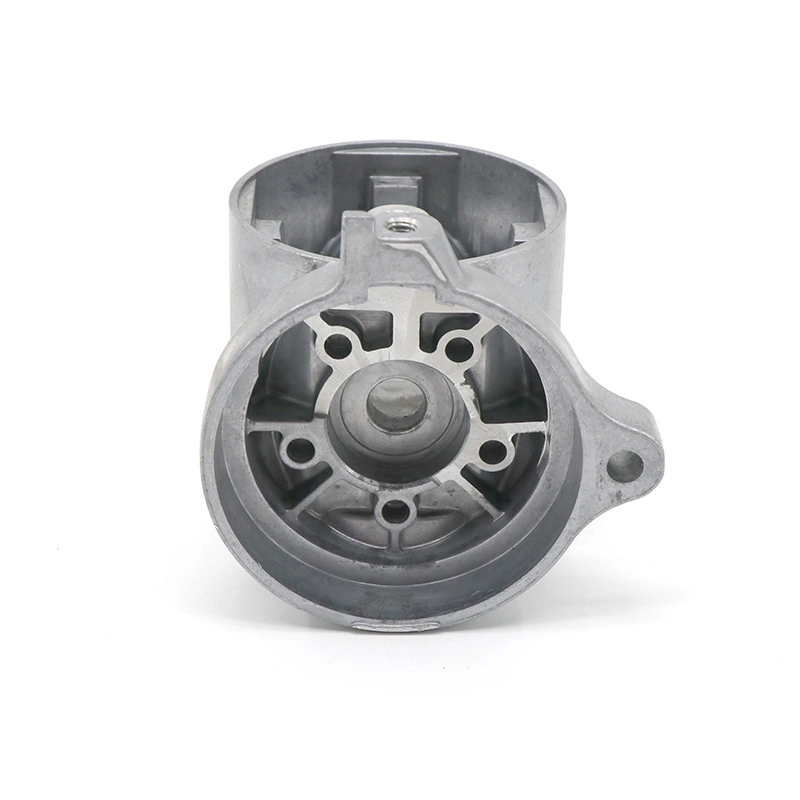
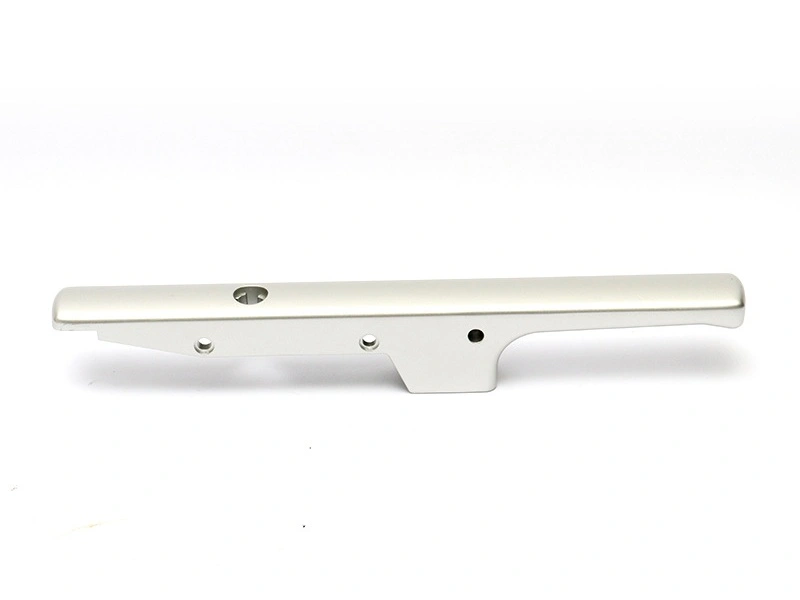
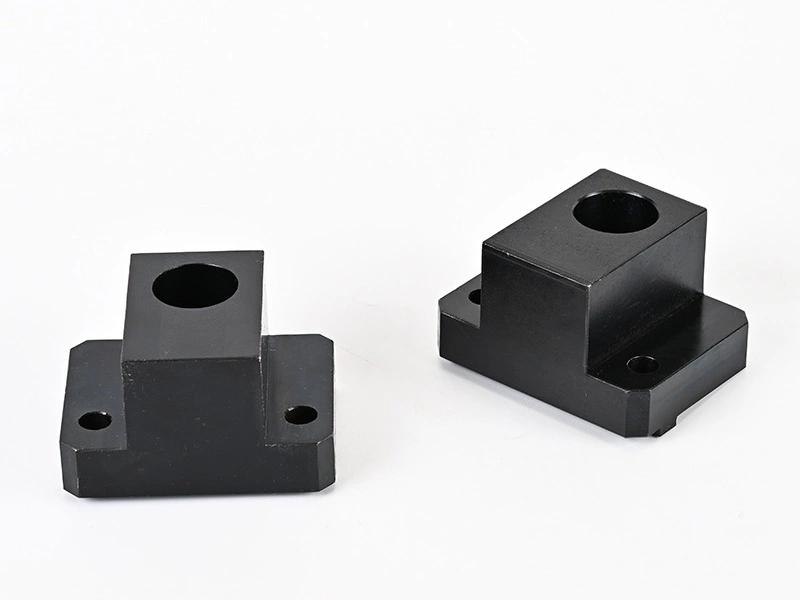
Prototype Zinc Die Casting RFQ Decision: This article explains how buyers can use prototype zinc die casting, CNC prototype parts, soft-tool samples, die casting samples, and production-intent validation to move custom zinc alloy components from design review toward mass production. The part types include zinc prototype housings, lock parts, connector bodies, brackets, decorative covers, handles, latches, frames, and machined zinc alloy samples. The practical RFQ problem is deciding which prototype route can validate assembly fit, alloy choice, die casting geometry, surface finish, machining allowance, and inspection requirements before larger tooling investment.
Prototype zinc die casting should answer a specific manufacturing question. A prototype can validate shape, assembly fit, surface appearance, machining strategy, or production tooling risk, but one prototype route cannot answer every question. Buyers should define the validation goal before asking for a prototype quote.
What Is Prototype Zinc Die Casting?
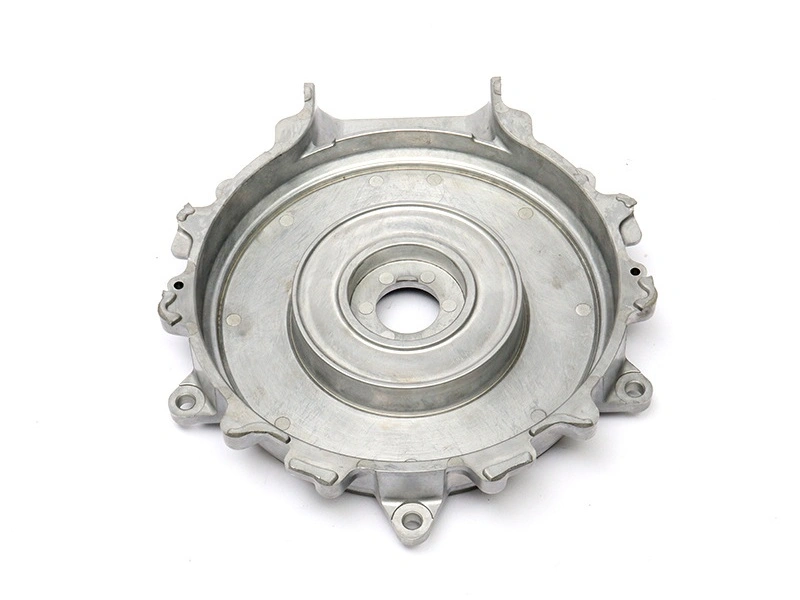
Prototype zinc die casting is the use of sample parts, prototype tooling, soft tooling, or production-intent die casting samples to evaluate a zinc alloy component before full production. The purpose is not only to make a part that looks close to the final design. The purpose is to reduce risk in alloy selection, part geometry, tooling, machining, surface finishing, and inspection.
The engineering reason is that zinc die casting quality depends on wall thickness, die fill, draft, gate position, parting line, ejector marks, trim, porosity, and secondary operations. A prototype helps the buyer check which design decisions are ready and which decisions need adjustment before production tooling or production approval.
When Should Buyers Use Zinc Die Casting For Prototypes?
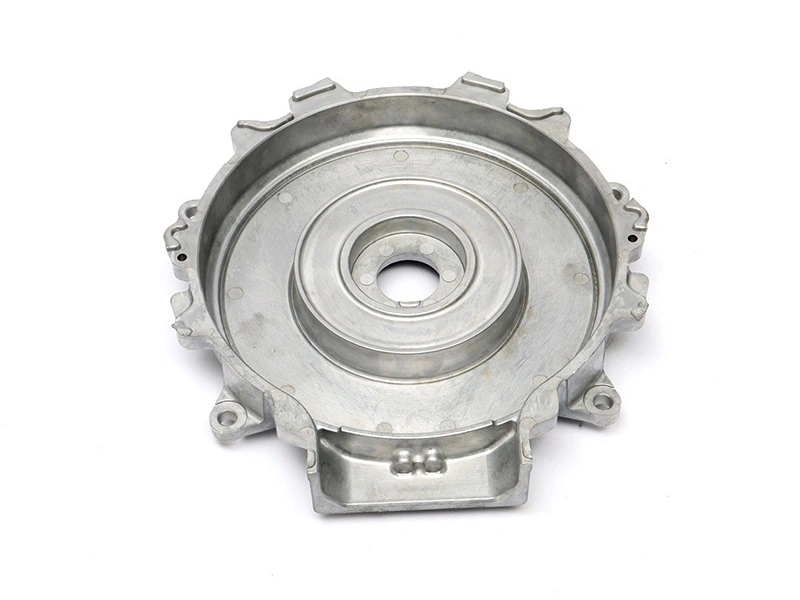
Buyers should use zinc die casting for prototypes when the validation question depends on the die casting process itself. This includes thin-wall fill, gate marks, parting line, ejection, trimming, as-cast surface condition, plating response, machining exposure, and zinc alloy behavior.
If the buyer only needs to check assembly space or product shape, CNC machining, 3D printing, or another prototype route may be enough for the first round. If the buyer needs to validate die casting behavior, prototype zinc die casting or production-intent sampling becomes more relevant.
Which Prototype Route Answers Each Buyer Question?
The prototype route should match the validation goal. A CNC zinc or aluminum prototype can answer fit and datum questions. A 3D printed model can answer form and handling questions. A soft-tool or prototype die casting sample can answer die casting process questions. A production-intent sample can answer tooling, finishing, machining, and inspection questions closer to mass production.
The RFQ should state whether the prototype is for visual review, assembly fit, functional testing, finish approval, machining strategy, or production tooling validation. If the buyer is not sure which route fits, the RFQ should ask for a prototype process comparison.
Prototype Route | Buyer Question It Answers | Limitation To Clarify | Evidence To Request |
|---|---|---|---|
3D printed model | Does the product shape, handling, and space envelope work? | Does not represent zinc alloy or die casting process behavior | Visual review and assembly envelope check |
CNC prototype | Do critical datums, holes, threads, and assembly interfaces fit? | May not show die casting porosity, parting line, or gate behavior | Dimensional report and assembly check |
Prototype zinc die casting sample | Can the zinc die casting route form the part and surface correctly? | Prototype tooling may differ from final production tooling | Sample inspection, finish review, and casting defect review |
Production-intent sample | Can tooling, casting, machining, finishing, and inspection repeat? | Requires clearer production assumptions and approval criteria | CMM report, visual standard, machining inspection, and finish sample |
Which Design Checks Should Happen Before Zinc Die Casting Tooling?
Design checks before tooling should include wall thickness, draft, ribs, bosses, holes, undercuts, parting line, gate location, ejector marks, trim areas, cosmetic surfaces, and machined features. These checks can reduce tooling changes after sample review.
The buyer should mark the features that affect approval. A visible cover needs surface and gate mark review. A lock component needs fit and wear areas. A connector body needs mating geometry and plating. A bracket needs datum and load-related buyer validation. The supplier can then focus DFM feedback on the highest-risk areas.
How Does Prototype Testing Reduce Production Risk?
Prototype testing reduces production risk by separating design issues from process issues. If a CNC prototype does not fit the assembly, the geometry needs revision. If a die casting sample shows porosity near a machined bore, the tooling, gate, machining allowance, or feature location may need review. If a plated sample fails appearance review, surface preparation or finish requirements need adjustment.
Buyers should define test ownership. Supplier inspection can support dimensional, visual, material, and finish evidence. Buyer testing should confirm product function, assembly performance, load behavior, environmental exposure, or regulatory requirements where applicable.
Validation Topic | Zinc Die Casting Entity | Inspection Or Test Evidence | Buyer Decision Supported |
|---|---|---|---|
Assembly fit | Datum, bore, latch, connector interface, mating surface | CMM report, gauge check, or assembly check | Whether geometry is ready for tooling approval |
Surface appearance | Gate mark, parting line, ejector mark, polishing, plating, coating | Visual standard and finish sample | Whether cosmetic surfaces and finish requirements are realistic |
Machining strategy | Thread, bore, datum, sealing face, bearing seat | Machined feature inspection and porosity review | Whether secondary machining allowance is sufficient |
Production readiness | Tooling, casting parameters, trimming, finishing, inspection plan | Sample approval report and defect response notes | Whether the part can move toward stable production planning |
How Should Buyers Move From Prototype To Mass Production?
Buyers should move from prototype to mass production after the design, alloy, tooling assumptions, machined features, surface finish, and inspection plan are aligned. A prototype approval should not be treated as final production approval unless the prototype route represents the production process closely enough for the buyer's risk level.
The RFQ should state sample quantity, validation stage, expected production volume, alloy preference, tooling assumptions, finish requirements, and inspection records. If the prototype is only for fit, say so. If the prototype must validate zinc die casting production behavior, request a production-intent sample plan.
What Should Buyers Include In A Prototype Zinc Die Casting RFQ?
A complete prototype zinc die casting RFQ should include CAD files, 2D drawings, prototype purpose, zinc alloy preference, production intent, critical dimensions, wall thickness concerns, cosmetic surfaces, machined features, surface finish, inspection requirements, mating parts, sample quantity, and buyer validation tests.
Important decisions should be stated directly. If the prototype is for assembly fit, define the mating parts. If the prototype is for finish review, define the visible surfaces and finish standard. If the prototype is for tooling validation, define the die casting features that must be tested. If the buyer wants to compare prototype routes, state the question each route must answer.
Related FAQs