Precision Fuel & Exhaust System Component Manufacturing
Fuel And Exhaust Component RFQ Decision: This article explains how buyers can specify precision fuel and exhaust system components made by precision casting, CNC machining, powder pressing molding, sheet metal fabrication, and prototyping. The practical RFQ problem is defining fuel rails, injector bodies, EGR valve bodies, exhaust manifolds, sensor bosses, flanges, brackets, shields, and high-temperature housings with clear material, flow passage, sealing, thermal, corrosion, machining, and inspection requirements.
Which Fuel Or Exhaust Component Is Being Quoted?
Buyers should define whether the RFQ is for a fuel-side part, an exhaust-side part, or a bracket and shield assembly. Fuel system parts may include fuel rail bodies, injector sleeves, valve bodies, fittings, pump elements, and sealing connectors. Exhaust system parts may include manifolds, EGR housings, turbo-related housings, flanges, sensor bosses, clamps, and heat shields.
The engineering reason is that fuel-side and exhaust-side parts face different manufacturing risks. Fuel-side parts are often controlled by sealing, flow passages, corrosion exposure, cleanliness, and threaded interfaces. Exhaust-side parts are often controlled by heat exposure, oxidation, thermal cycling, flange flatness, wall thickness, and post-casting machining.
For quotation, the buyer should identify fluid passages, gasket faces, threaded ports, sensor bosses, flange datums, weld zones, and surfaces that require machining after casting or forming. These features usually drive cost and inspection more than the outside shape.
Which Manufacturing Process Fits Fuel And Exhaust Parts?
Process selection should follow material, geometry, thermal exposure, production stage, and inspection plan. Precision casting, CNC machining, powder pressing molding, sheet metal fabrication, and prototyping support different fuel and exhaust component decisions.
.webp)
Manufacturing Process | Relevant Component Type | RFQ Decision Buyers Should State |
|---|---|---|
Precision casting | Exhaust manifolds, valve bodies, turbo-related housings, pump housings, and complex flanged parts | Define alloy, wall thickness, casting route, machined surfaces, porosity concern, and heat exposure. |
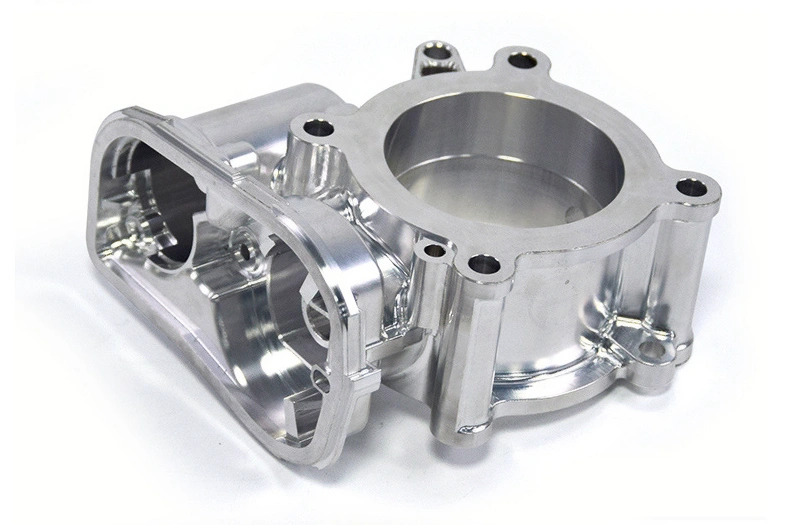
CNC machining | Fuel rails, injector bodies, sealing faces, threaded ports, bores, and prototype metal parts | Define datums, bore and port features, surface finish, cleanliness requirement, and inspection report. |
Powder pressing molding | Sintered metal elements, small valve parts, bushings, porous or wear-related metal features | Define material powder, density need, sizing operation, oil or fluid exposure, and post-machining. |
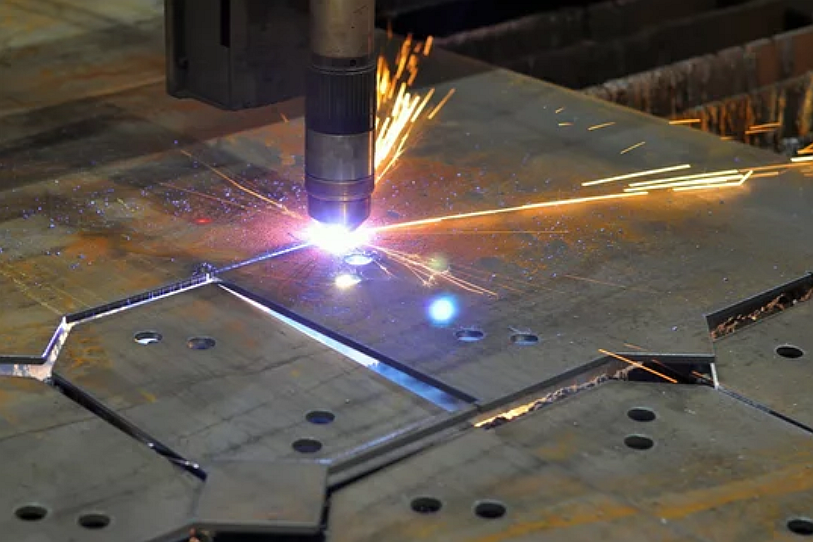
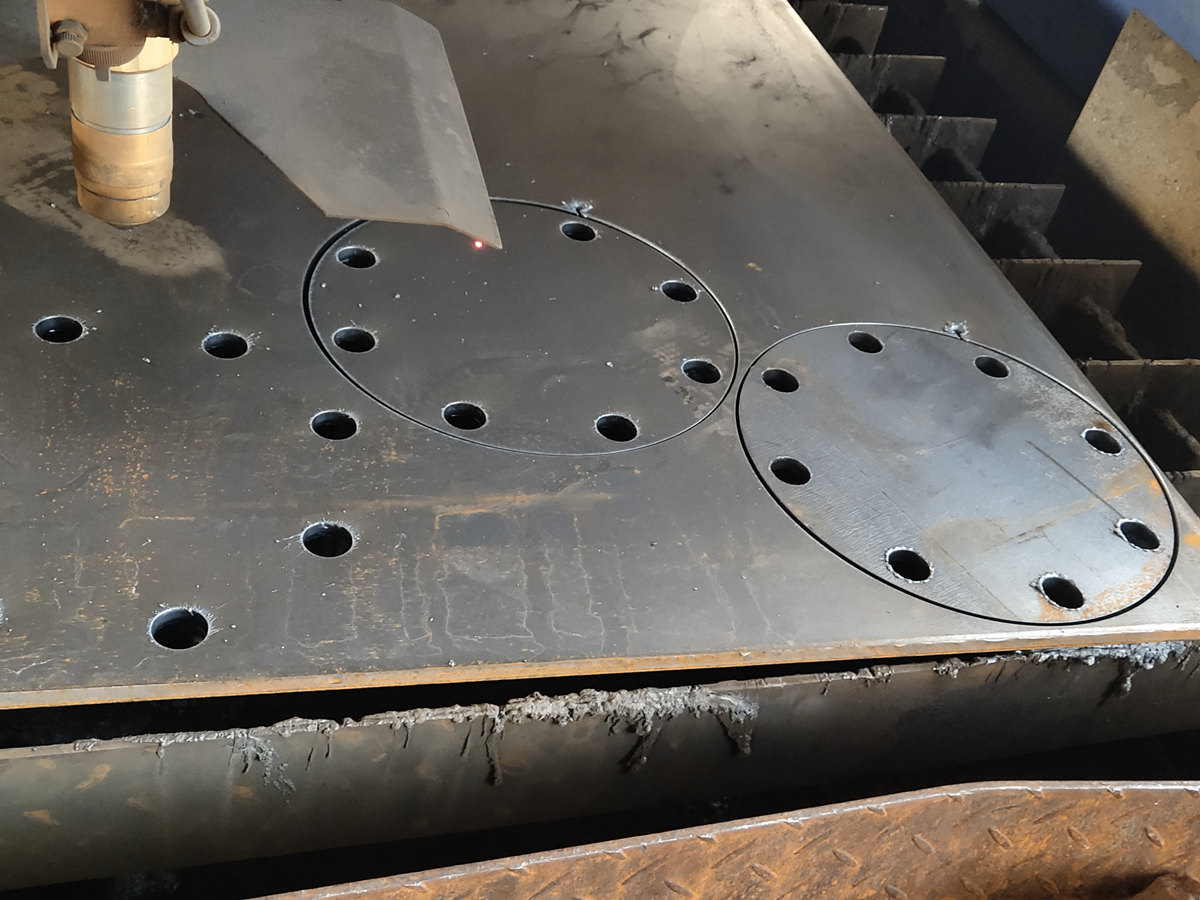
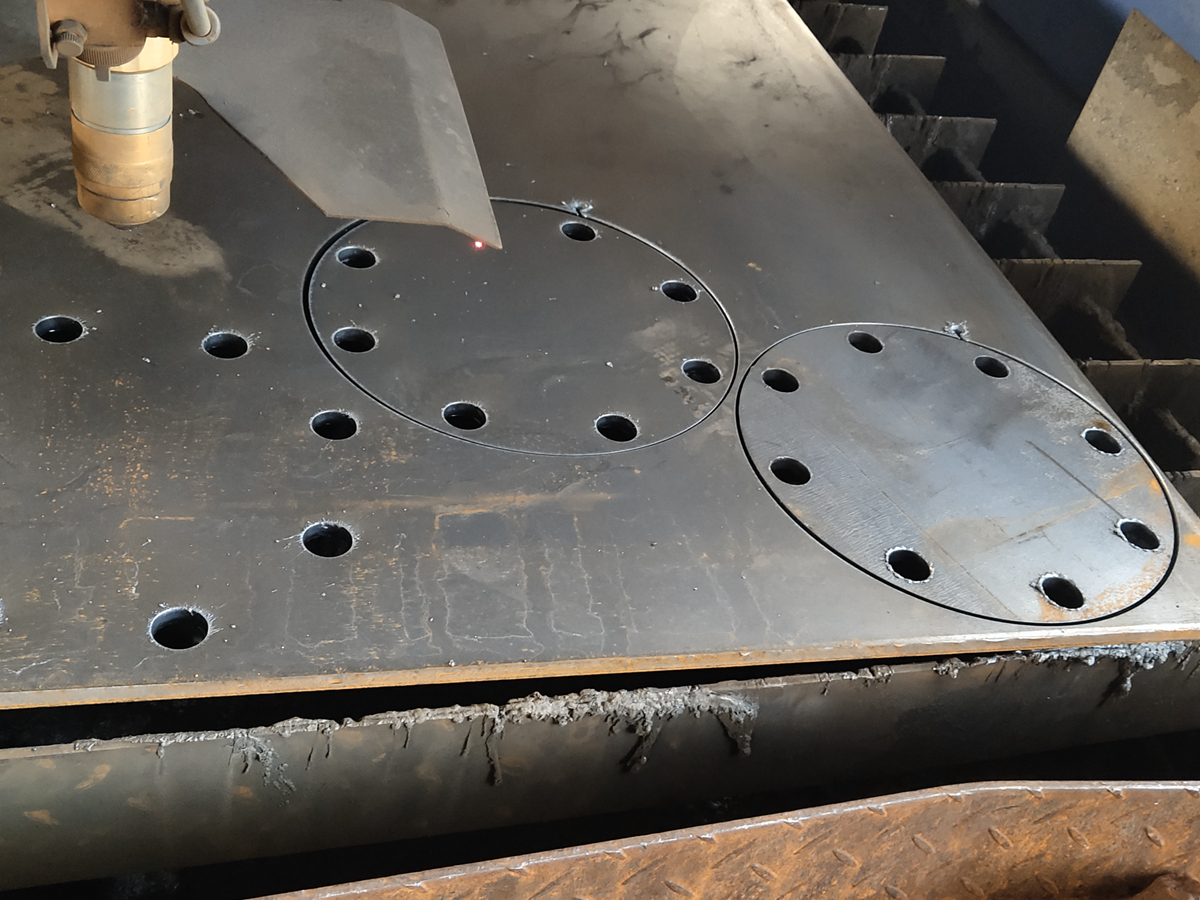
Heat shields, brackets, formed covers, clamps, and thin metal assemblies | Define material thickness, bend radii, weld or rivet plan, flatness, coating, and edge condition. | |
Validation manifolds, trial fuel fittings, early bracket designs, and functional samples | Define test purpose, prototype material, revision status, inspection scope, and production intent. |
Metal injection molding may be considered for compact small metal features when the buyer has suitable geometry and a qualification plan, but large exhaust housings and fuel rails usually require casting, CNC machining, sheet metal forming, or a hybrid route.
Which Materials Should Buyers Specify?
Material should be selected from fuel compatibility, heat exposure, oxidation, corrosion, strength, machinability, and cost target. Stainless steel, carbon steel, cast aluminum, copper alloys, nickel-based alloys, and powder metallurgy materials can each be relevant depending on the component.
Material Entity | Fuel Or Exhaust Use | Buyer RFQ Detail Needed |
|---|---|---|
Exhaust housings, valve bodies, manifolds, and corrosion-resistant cast components | Grade, casting route, heat exposure, machining allowance, and surface condition. | |
Alloy steel or stainless steel bar | Fuel fittings, fuel rail bodies, injector hardware, and machined sealing interfaces | Grade, heat treatment if required, surface finish, cleanliness, and thread details. |
Hot-side exhaust or turbo-related parts exposed to high thermal stress | Alloy, casting or machining route, oxidation concern, thermal cycle condition, and coating note. | |
Powder metallurgy material | Small sintered components, porous features, wear-related parts, and compact metal elements | Powder grade, density target, sizing, impregnation if required, and inspection method. |
The RFQ should state whether material is fixed by drawing or open to supplier recommendation. Buyers should also identify which surfaces contact fuel, exhaust gas, condensate, gasket material, fasteners, or coating because exposure drives material review.
How Should Flow Passages, Sealing Faces, And Interfaces Be Controlled?
Flow passages should be described with functional intent. Buyers should define inlet and outlet locations, internal passage restrictions, burr limits, cleanliness needs, and whether post-machining is required after casting or sintering.
Sealing faces should be treated as critical features. Flange flatness, gasket surfaces, O-ring grooves, threaded ports, weld lips, sensor bosses, and mating datums should be identified on the drawing. If the buyer needs a leak test, the test condition and acceptance rule should be supplied by the buyer.
Exhaust components should also define heat-related interfaces. Heat shields, brackets, manifolds, and valve bodies may require controlled material thickness, thermal coating, weld sequence, and clearance to neighboring parts. Final system validation should remain with the buyer.
What Inspection Evidence Should Support The RFQ?
Inspection should match the function of the component. A fuel rail, exhaust manifold, sheet metal heat shield, and powder metal valve element need different measurement evidence.
.webp)
Inspection Entity | Relevant Method | Buyer Decision Supported |
|---|---|---|
Flanges, bores, holes, and datums | Confirm assembly alignment, sealing faces, and machined interfaces. | |
Cast geometry and formed heat shields | Compare complex cast or formed surfaces against CAD. | |
Material identity | Support alloy verification when stainless steel, nickel alloy, or other metals require evidence. | |
Sealing and threaded interfaces | Fixture checks, gauge checks, visual inspection, and buyer-defined functional tests | Confirm features that affect installation, sealing, and service assembly. |
What Should Buyers Include In A Fuel And Exhaust RFQ?
A complete RFQ should include the 2D drawing, 3D model, component function, fuel-side or exhaust-side exposure, material grade, process preference, heat or corrosion condition, flow passage requirements, sealing surfaces, secondary machining, coating, prototype or production stage, and inspection evidence.
The buyer should also state which requirements belong to part manufacturing and which belong to final vehicle or engine system validation. That distinction helps the supplier quote fuel and exhaust parts clearly without making unsupported assumptions about emissions, durability, or regulatory approval.
Related FAQs