Metal Injection Molding Parts: Materials, Tolerances, and Design Considerations
Metal Injection Molding Parts RFQ Decision: This article explains how metal injection molding parts are designed, material-selected, tolerance-controlled, and post-processed through feedstock preparation, injection molding, debinding, sintering shrinkage control, secondary machining, heat treatment, surface finishing, and inspection. The part types include small complex metal components, lock parts, medical instrument parts, electronic hardware, gears, brackets, connectors, miniature housings, and precision MIM components. The practical RFQ problem is deciding whether MIM fits the part geometry, material grade, tolerance map, volume plan, secondary operations, and inspection requirements before tooling and quotation.
Metal injection molding is most useful when a buyer needs small complex metal parts that are difficult to machine efficiently and can justify a molded production route. The buyer should not ask only whether MIM can make the shape. The buyer should ask whether MIM can control material behavior, sintering shrinkage, functional dimensions, secondary operations, and batch inspection for the intended application.
What Makes Metal Injection Molding Parts Different?
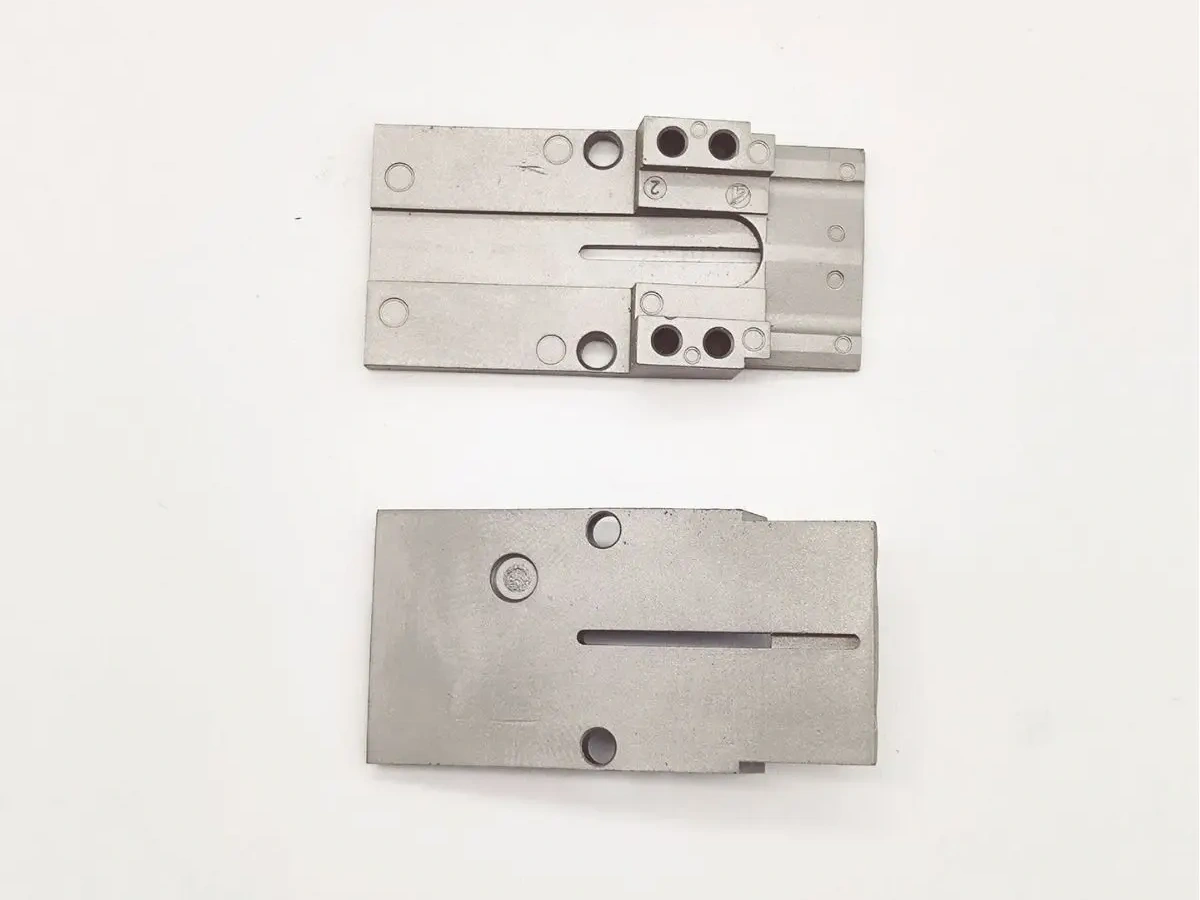
Metal injection molding parts are different because the process combines powder metallurgy and plastic injection molding principles. Fine metal powder is mixed with binder to form feedstock, the feedstock is injection molded, binder is removed during debinding, and the part is sintered to reach the final metal condition.
The engineering reason is that MIM can form small complex geometry before sintering, but sintering shrinkage must be predicted and controlled. This makes MIM different from CNC machining, die casting, and investment casting. Buyers should define critical features, datum surfaces, material requirements, inspection methods, and secondary operations before deciding whether MIM is suitable.
Which Materials Should Buyers Compare For MIM Parts?
MIM material selection should start with the part's function. Common MIM material discussions include stainless steels such as 316L, 17-4 PH, 304, and 420, as well as other alloy systems when the application requires strength, corrosion behavior, wear resistance, magnetic behavior, or heat treatment review. The buyer should specify the material grade if the drawing already requires one.
If the material is not fixed, the buyer should provide the application environment, strength requirement, corrosion exposure, wear surface, magnetic requirement, heat treatment need, and finishing expectation. Material selection affects feedstock behavior, sintering response, dimensional stability, secondary machining, surface finish, and final inspection.
MIM Material Decision | Part Requirement It Supports | Manufacturing Point To Review | RFQ Detail Buyers Should Provide |
|---|---|---|---|
316L stainless steel MIM | Corrosion exposure, medical hardware, and clean surface needs | Sintering behavior, surface finish, passivation review, and inspection | Corrosion environment, finish requirement, critical dimensions, and cleanliness need |
17-4 PH stainless steel MIM | Strength requirement, functional hardware, and heat treatment review | Heat treatment plan, shrinkage control, and post-sinter inspection | Strength requirement, heat treatment expectation, and functional test need |
420 stainless steel MIM | Wear surfaces, hardness review, and small functional components | Heat treatment, surface finish, and dimensional stability | Wear surface location, hardness requirement, mating material, and inspection method |
Custom MIM alloy review | Magnetic, thermal, wear, corrosion, or application-specific behavior | Feedstock availability, sintering response, secondary operations, and validation | Material standard, application notes, annual volume, and approval criteria |
How Do Design Rules Affect Reliable MIM Parts?
MIM design rules affect mold filling, debinding, sintering shrinkage, part strength, and dimensional repeatability. Buyers should review wall thickness, transitions, ribs, bosses, holes, slots, threads, sharp corners, undercuts, parting line, gate location, and ejection marks before tooling approval.
The RFQ should separate molded features from secondary-machined features. Some holes, threads, datum surfaces, or sealing faces may need machining after sintering. Other features can be molded if the geometry supports tooling and shrinkage control. Clear feature classification helps the supplier quote tooling, sintering, machining, finishing, and inspection correctly.
How Do Tolerance And Sintering Shrinkage Affect RFQ Review?
Tolerance and sintering shrinkage are central to MIM part review. During sintering, the molded part shrinks from the green part condition to the final metal part. The supplier must account for material, geometry, wall thickness, furnace conditions, support method, and inspection plan when controlling final dimensions.
Buyers should provide a tolerance map instead of applying strict tolerance expectations to every surface. Critical-to-function dimensions, datum surfaces, mating faces, gear features, threads, and bores should be identified clearly. Noncritical surfaces can often use more practical molded tolerances. When tighter control is required, the RFQ should state whether secondary machining or post-sinter sizing is acceptable.
Which Secondary Operations Should Buyers Plan For MIM Components?
Secondary operations should be planned when MIM parts need tighter functional features, final surface properties, or application-specific behavior. Common secondary operations include CNC machining, tapping, reaming, sizing, heat treatment, polishing, passivation, plating, coating, and inspection after sintering.
The buyer should define which features are functional and which operations are optional. A gear tooth, bearing surface, thread, sealing face, or assembly datum may require post-sinter control. A hidden surface or noncritical feature may not need additional processing. Secondary operation planning affects cost, timing, inspection, and final acceptance.
When Is A Part Suitable For MIM Instead Of CNC Or Casting?
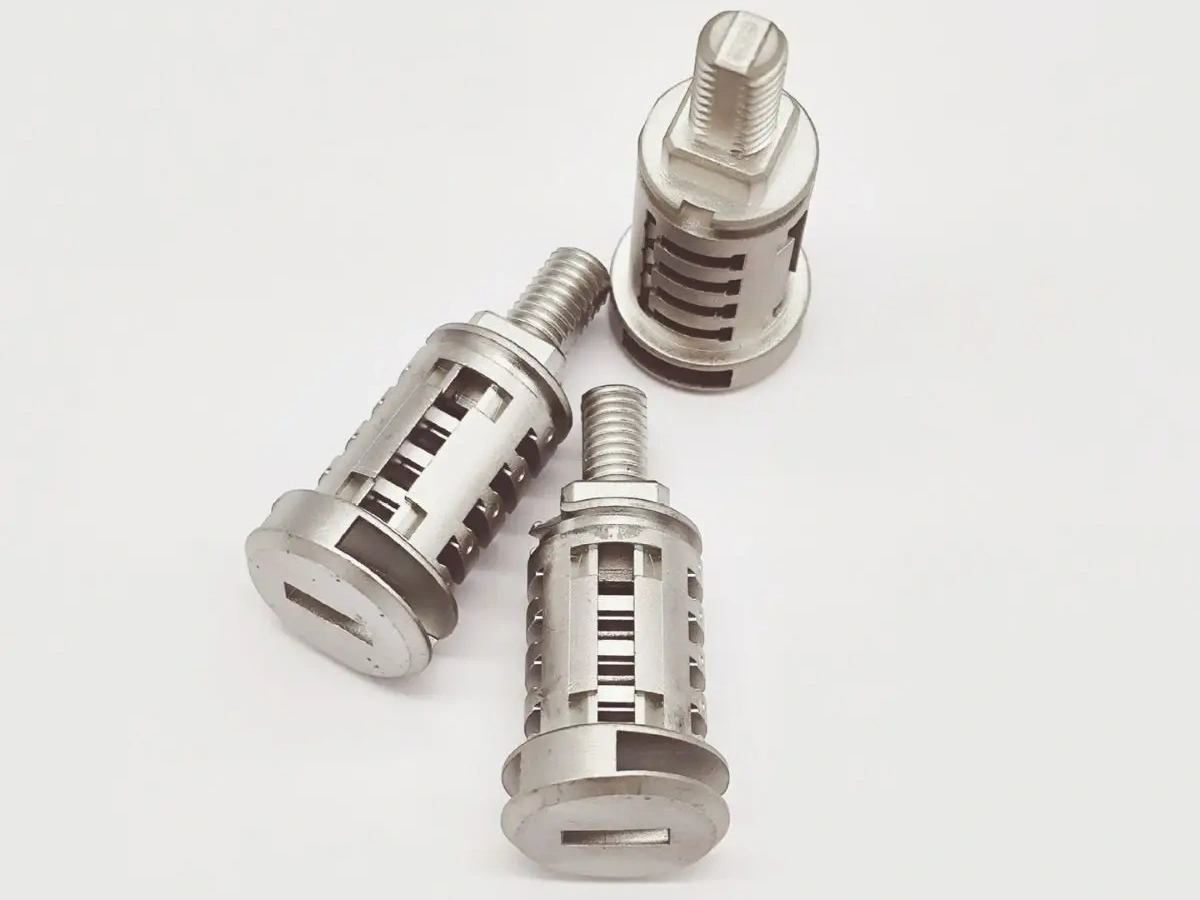
A part is suitable for MIM when the geometry is small, complex, metal, and repeatable enough for tooling and sintering control. MIM may fit miniature housings, complex brackets, gears, lock components, medical instrument parts, electronic hardware, and custom precision components with features that would be difficult or costly to machine from solid material.
MIM may be less suitable when the part is large, very low volume, simple to machine, or unable to tolerate sintering-related dimensional planning. Buyers should compare MIM with CNC machining, die casting, and investment casting using the part size, geometry, material, tolerance map, annual volume, and secondary operation requirements.
What Should Buyers Provide For A MIM Part RFQ?
A complete MIM part RFQ should include the 3D model, 2D drawing, material grade, annual volume, part function, critical dimensions, tolerance map, surface finish, heat treatment requirement, post-processing expectations, inspection method, and sample validation needs. If the buyer is unsure whether MIM fits, the RFQ should ask for process suitability review and DFM feedback before tooling release.
The most important buyer decision is identifying which features control the part's function. MIM can be a strong route for small complex metal parts, but buyer approval should be based on material, shrinkage control, tolerances, secondary operations, and inspection evidence rather than shape alone.
RFQ Input | MIM Manufacturing Stage Affected | Why It Matters | Buyer Decision Supported |
|---|---|---|---|
Material grade | Feedstock selection, debinding, sintering, heat treatment, and finish | Material controls strength, corrosion behavior, wear, and secondary processing | Whether 316L, 17-4 PH, 420, or another alloy should be quoted |
Tolerance map | Tooling, sintering shrinkage control, sizing, machining, and inspection | Identifies which dimensions need tighter control after sintering | Which dimensions remain molded and which need secondary control |
Design features | Injection molding, debinding support, sintering support, and ejection | Wall thickness, holes, ribs, slots, and undercuts affect manufacturability | Which features need DFM adjustment before tooling |
Secondary operations | CNC machining, tapping, heat treatment, polishing, passivation, and coating | Post-processing can control function, appearance, and final acceptance | Which operations should be included in the quotation |
Related FAQs