Aluminum Die Casting Parts for Automotive, Lighting, and E-Mobility Applications
Aluminum Die Casting Parts Application RFQ Decision: This article explains how aluminum die casting parts are used in automotive, lighting, e-mobility, consumer electronics, and telecom applications through high-pressure aluminum die casting, die tooling, trimming, CNC post-machining, surface finishing, alloy selection, inspection, and volume production control. The part types include automotive housings, lighting frames, heat-transfer parts, motor housings, battery-related covers, electronic enclosures, telecom housings, brackets, and structural supports. The practical RFQ problem is deciding which aluminum die cast parts fit the application, which features must be machined, which surfaces need finishing, and which inspection requirements must be defined before quotation.
Aluminum die casting is selected across these applications because aluminum alloy castings can combine lower part weight, integrated geometry, thermal function, and repeatable production. Buyers should connect the application requirement to the manufacturing route. A lighting heat sink, an automotive bracket, an e-mobility motor housing, and a telecom enclosure may all use aluminum die casting, but each part can require different alloy review, machining allowance, finishing control, and inspection evidence.
Why Are Aluminum Die Casting Parts Used Across Industrial Applications?
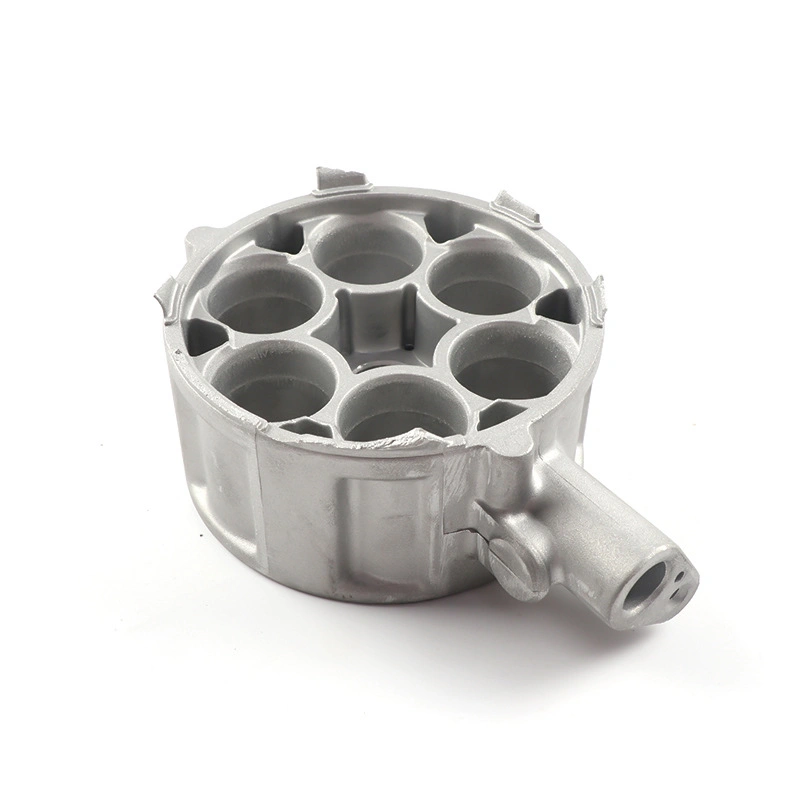
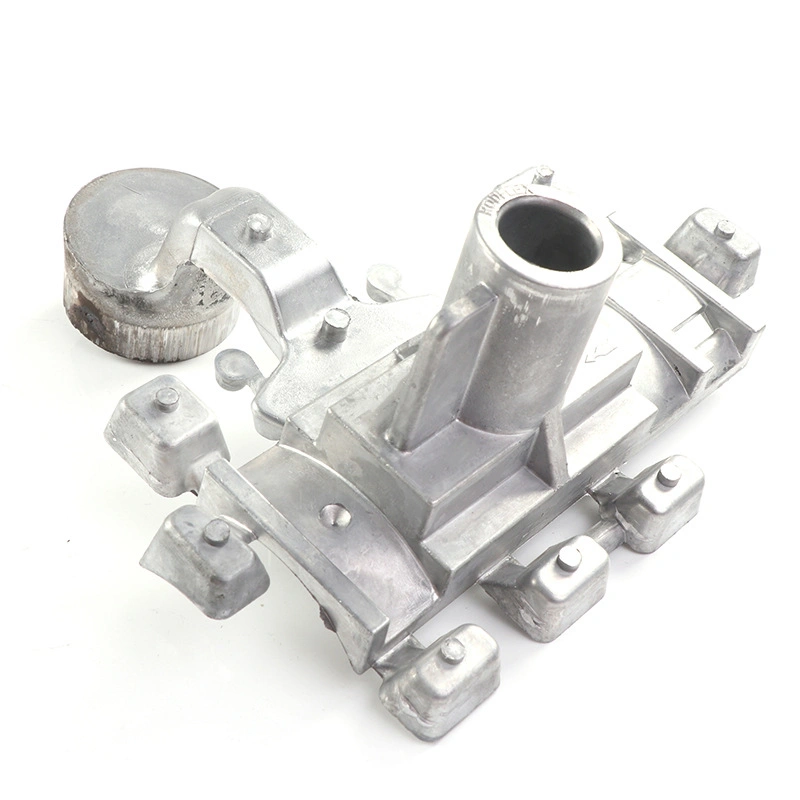
Aluminum die casting parts are used when a product needs cast metal geometry, weight reduction, stable repeatability, and secondary machining only on selected functional features. The process can form ribs, bosses, fins, covers, mounting pads, connector windows, and structural walls in one cast component when part design and die design are aligned.
The engineering reason is practical. Aluminum die casting can reduce assembly complexity by integrating features that would otherwise require multiple joined parts. The RFQ implication is that buyers should specify part function, load direction, thermal requirement, mating interfaces, cosmetic surfaces, and critical dimensions instead of treating the casting as a simple shape.
Which Automotive Aluminum Die Cast Parts Should Buyers Evaluate?
Automotive aluminum die cast parts often include housings, brackets, covers, pump bodies, motor-related components, sensor housings, connector bodies, frames, and thermal management parts. Buyers should evaluate whether the part needs lower weight, assembly strength, machined mounting surfaces, corrosion resistance, or heat-transfer function.
The buyer should identify safety-related dimensions, sealing faces, bolt patterns, datums, thread specifications, and inspection requirements early. Automotive aluminum die cast parts may also need controlled trimming, deburring, surface finishing, packaging, and lot traceability according to the buyer's internal approval process. Final validation remains the buyer's responsibility, so the RFQ should include the drawing revision and acceptance criteria.
How Do Lighting Aluminum Die Casting Parts Manage Heat And Appearance?
Lighting aluminum die casting parts are commonly reviewed for heat dissipation, appearance, dimensional fit, and stable mounting. Typical parts include LED housings, heat sinks, lamp frames, lens supports, covers, and brackets. These parts often combine heat-transfer surfaces with visible exterior faces, so the casting design must balance thermal features and cosmetic expectations.
For lighting applications, buyers should define heat-transfer surfaces, fin geometry, wall thickness limits, coating requirement, color requirement, lens interface, gasket surface, and visible zones. The RFQ should also show which areas can accept parting line marks, gate vestige, ejector marks, or coating rack marks. Those details affect die design, finishing method, masking plan, and visual inspection criteria.
Application Area | Common Aluminum Die Cast Parts | Key Manufacturing Requirement | RFQ Information Needed |
|---|---|---|---|
Automotive | Housings, brackets, pump bodies, covers, and connector bodies | Strength, alignment, corrosion exposure, sealing, and repeatable assembly | Load direction, datum scheme, machined surfaces, threads, and inspection method |
Lighting | LED housings, heat sinks, lamp frames, lens supports, and covers | Heat dissipation, coating appearance, mounting stability, and visible-surface control | Thermal surfaces, cosmetic zones, coating requirement, and lens interface |
E-mobility | Motor housings, controller housings, battery-related covers, brackets, and frames | Lower weight, thermal function, sealing, vibration resistance, and machined interfaces | Assembly loads, sealing faces, heat path, machining allowance, and validation plan |
Consumer electronics and telecom | Enclosures, heat-transfer housings, covers, chassis parts, and mounting frames | EMI-related enclosure fit, heat transfer, appearance, threads, and connector openings | Connector layout, surface finish, wall thickness, boss design, and packaging needs |
What E-Mobility Components Fit Aluminum Die Casting?
E-mobility aluminum die cast components fit applications where weight, heat, sealing, strength, and assembly repeatability are important. Motor housings, controller housings, battery-related covers, cooling plates, brackets, frames, and connector housings may be candidates when aluminum alloy behavior and die casting geometry support the product function.
The manufacturing review should focus on sealing surfaces, thermal paths, machined bores, cable openings, threaded holes, mounting pads, wall thickness transitions, and porosity-sensitive zones. The RFQ should identify which surfaces require machining and which cavities, channels, or interfaces have leak, fit, or heat-transfer requirements. Those inputs help the supplier quote tooling, casting trials, machining fixtures, and inspection steps.
How Should Consumer Electronics And Telecom Housings Be Specified?
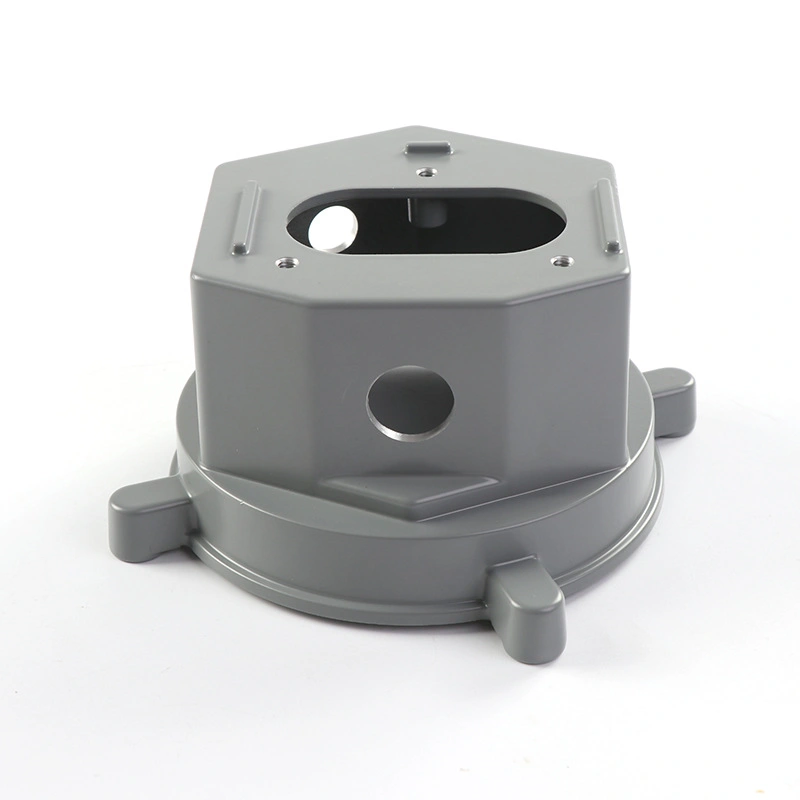
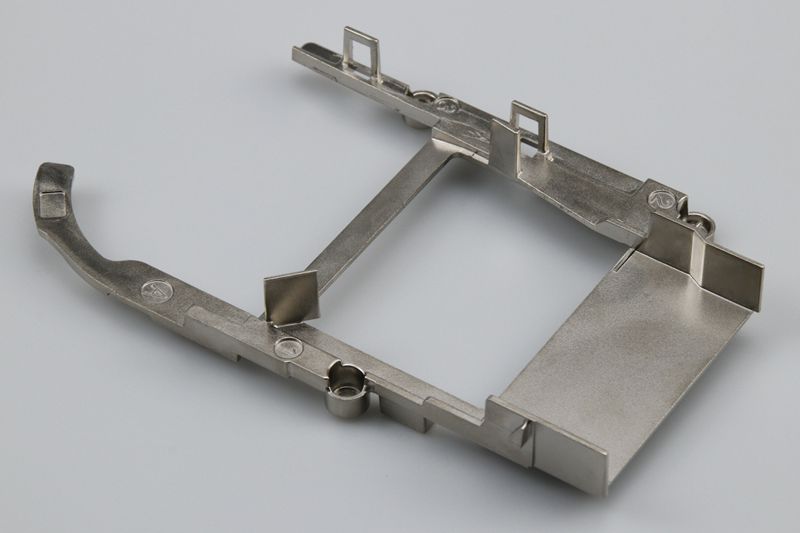
Consumer electronics and telecom aluminum die cast housings should be specified around enclosure fit, heat transfer, connector layout, surface appearance, and assembly hardware. These parts often contain thin walls, internal ribs, bosses, snap features, connector windows, cable openings, and threaded inserts or tapped holes.
Buyers should define cosmetic surfaces, coating or conversion coating needs, connector cutouts, shielding-related geometry, heat-transfer pads, and packaging requirements. When the housing has many bosses and ribs, the RFQ should also identify areas that can be adjusted during DFM review. Clear design flexibility can reduce die filling risk and improve consistency during production.
Which Alloy, Machining, And Finishing Choices Affect Application Fit?
Application fit depends on alloy selection, post-machining strategy, surface finishing, and inspection planning. Buyers often compare A380 aluminum die casting, 383 ADC12 aluminum die casting, 360 aluminum die casting, or B390 aluminum die casting when the drawing, function, or customer specification points to those material options.
CNC machining should be defined for bearing bores, datums, threaded holes, sealing faces, gasket surfaces, connector openings, and mounting pads. Surface finishing should be matched to the application environment, such as deburring, blasting, polishing, powder coating, painting, conversion coating, or anodizing review where the selected casting alloy supports the finish. The buyer should state which surfaces are functional and which surfaces are cosmetic so finishing and inspection criteria are not confused.
What RFQ Data Supports Stable Volume Production?
Stable volume production starts with RFQ data that covers design intent, production volume, material, tooling, casting, machining, finishing, and inspection. Buyers should include the 3D model, 2D drawing, alloy requirement, annual demand, application environment, critical dimensions, machined features, finish requirement, visible surfaces, test requirements, and packaging expectations.
The best manufacturing answer is often a route decision rather than a single process name. Some features should be cast, some features should be machined, and some surfaces should be finished after trimming and deburring. Buyers can make quotation review more accurate by separating cast dimensions, machined dimensions, cosmetic criteria, and inspection criteria.
RFQ Decision Point | Aluminum Die Casting Entity To Define | Why It Matters For Application Parts | Typical Buyer Output |
|---|---|---|---|
Part function | Automotive housing, lighting heat sink, e-mobility cover, or telecom enclosure | Function determines load, heat, fit, finish, and inspection priorities | Application notes and drawing requirements |
Material choice | Aluminum alloy grade and performance requirement | Alloy affects casting behavior, machining, corrosion exposure, and finishing route | Specified alloy or performance-based alloy request |
Machining plan | Datums, bores, threads, sealing faces, and connector openings | Machined features control assembly fit and inspection method | Machining drawing, datum plan, and critical dimensions |
Surface finishing | Deburring, blasting, coating, painting, conversion coating, or anodizing review | Finish affects appearance, corrosion behavior, masking, and packaging | Finish specification, cosmetic zones, and sample approval criteria |
Inspection | Dimensional report, visual criteria, thread checks, and functional checks | Inspection confirms whether the production part matches the buyer drawing | Inspection plan and acceptance criteria |
For automotive, lighting, e-mobility, electronics, and telecom projects, aluminum die casting parts should be quoted as a complete production route. The buyer should review the cast geometry, alloy, die tooling, trimming, CNC post-machining, surface finishing, inspection, and packaging together. That approach helps the quotation reflect the real manufacturing work behind the final aluminum die cast part.
Related FAQs
What types of aluminum die casting parts can Neway manufacture?
Can aluminum die casting be used for heat dissipation components?
Which aluminum alloys are commonly used for die casting parts?
What surface finishes are suitable for aluminum die casting parts?
What information is needed for an aluminum die casting service quote?