What industries benefit most from versatile custom metal bending solutions?
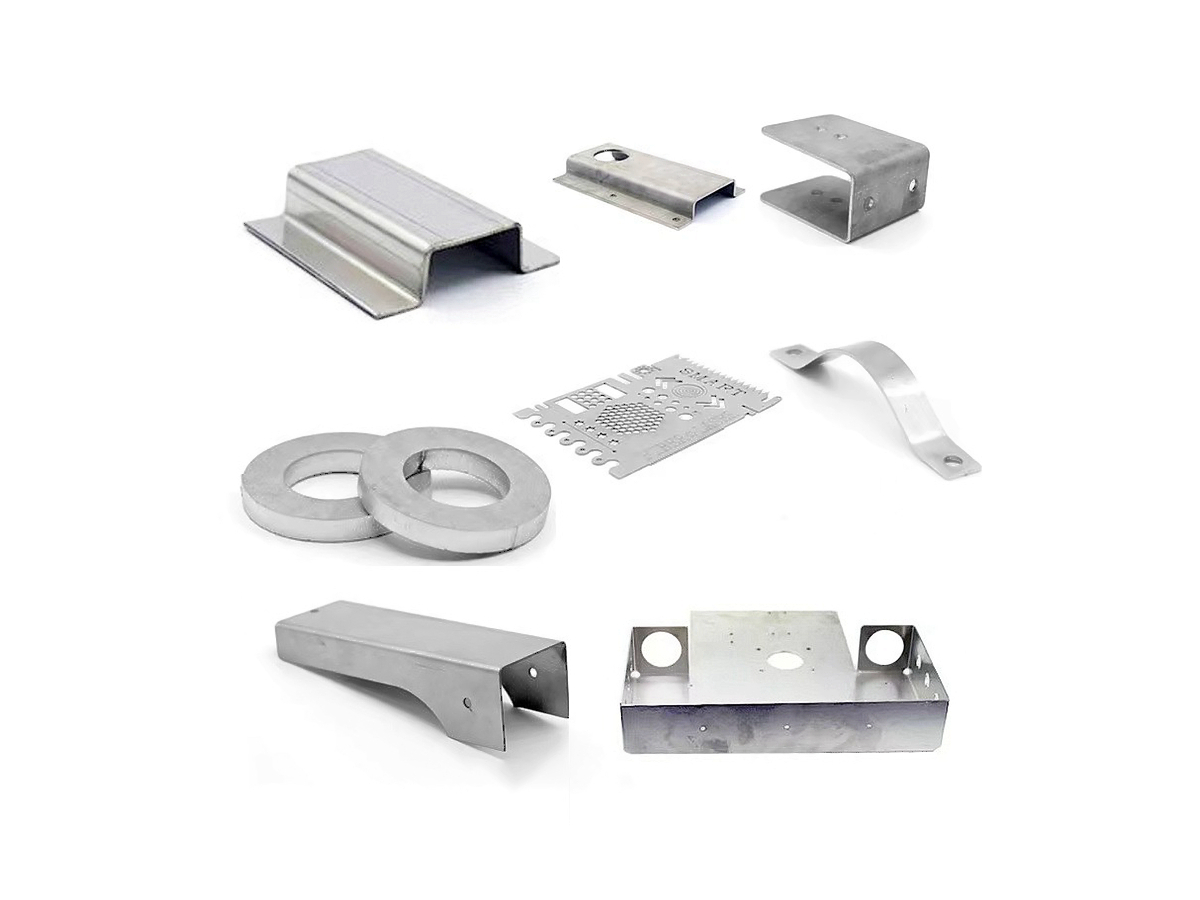
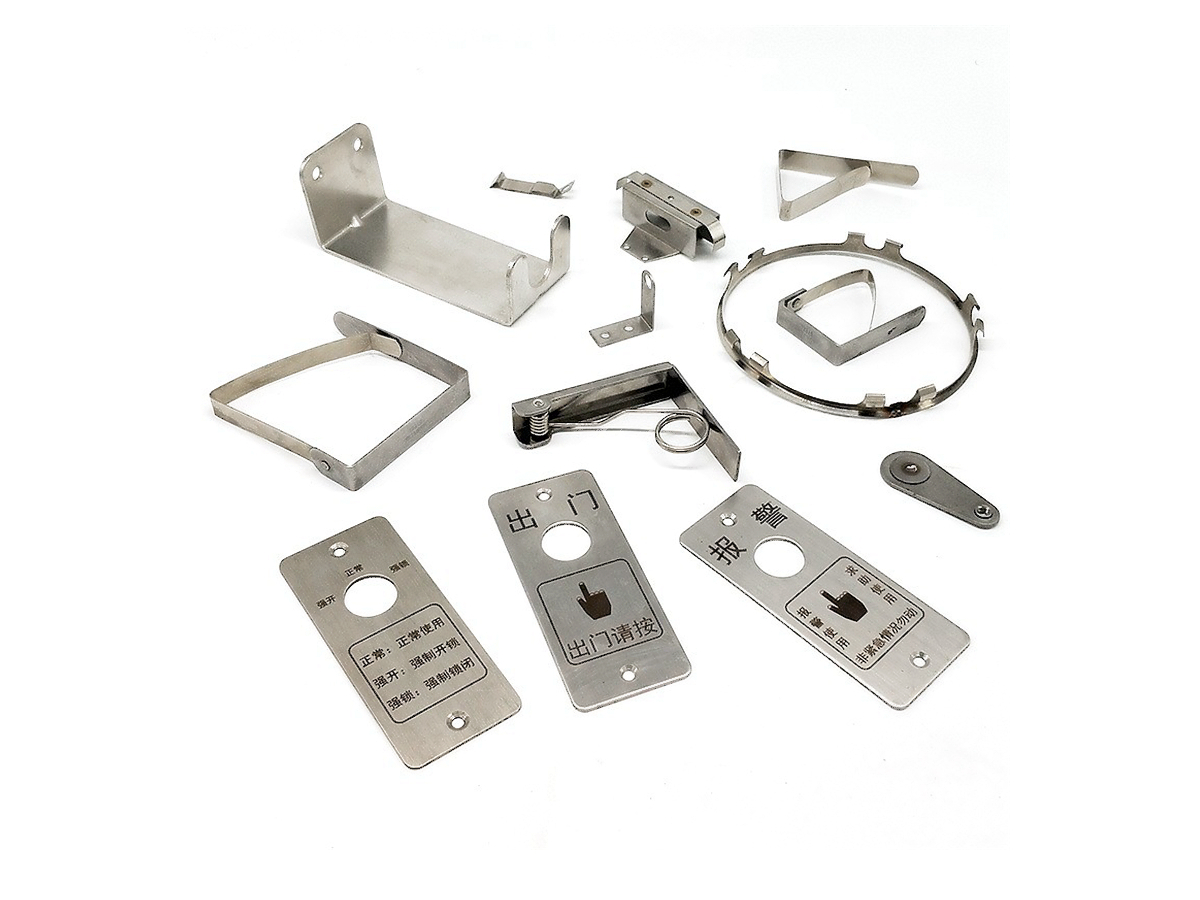
Industries that benefit most from versatile custom metal bending are those that need formed sheet metal brackets, panels, covers, guards, enclosures, frames, racks, and support parts across different materials and batch sizes. For buyers in automotive, electronics, telecommunications, power tools, energy, aerospace support, and medical equipment projects, the RFQ question is whether metal bending can adapt to the material, bend geometry, surface finish, tolerance, and downstream assembly requirements.
Which industries benefit most from versatile custom metal bending?
Automotive, consumer electronics, telecommunications, power tools, energy equipment, industrial machinery, aerospace support, and selected medical equipment applications often benefit from versatile custom metal bending. These industries use parts that vary by material, thickness, bend angle, finish, and production quantity.
Versatility matters because buyers often need design changes, prototype-to-production transitions, multiple material options, or different finishing routes. Custom bending can support those needs when the supplier reviews formability, bend sequence, tooling access, inspection, and finishing before production.
Industry | Custom bent part examples | Why versatile bending helps | RFQ detail to confirm |
|---|---|---|---|
Automotive and transportation | Brackets, covers, guards, fixture plates, formed supports | Supports repeatable formed parts and design revisions | Batch quantity, bend sequence, weld edges, hole alignment |
Electronics and telecom | Enclosures, rack panels, antenna brackets, shielding covers | Controls visible faces, fastener fit, and coating route | Cosmetic side, coating, hole-to-bend distance, assembly datums |
Power tools and industrial equipment | Frames, guards, handles, motor brackets, support plates | Adapts to strength, durability, and assembly needs | Material thickness, bend radius, tool mark limits, inspection |
Energy and electrical equipment | Cabinet panels, access covers, busbar supports, structural brackets | Supports corrosion protection, grounding, and fitted covers | Finish, hole pattern, conductivity, flatness, packing needs |
Aerospace support and medical equipment | Tooling brackets, equipment covers, carts, guards, support frames | Supports controlled revision, documentation, and surface planning | Application class, material spec, validation and inspection route |
How do automotive buyers use versatile custom bending?
Automotive and transportation buyers use custom bending for brackets, guards, covers, fixture plates, and support parts. Versatile bending helps when prototypes, design revisions, and repeated batches require the same supplier to manage multiple geometries and material thicknesses.
The RFQ should identify assembly datums, weld edges, hole-to-bend distances, and batch quantity. If the bent part is only one component in a larger assembly, the supplier should know which features control final fit.
Why do electronics and telecom benefit from custom bending?
Consumer electronics and telecommunication products often need bent enclosures, rack plates, antenna brackets, shields, and covers. These parts can combine visible surfaces, fastener holes, thermal paths, coating, and assembly fit.
Buyers should define visible faces, tool mark limits, coating requirements, bend direction, and fastener positions. Custom bending is most useful when the forming route protects both appearance and assembly function.
How do power tool and industrial equipment projects benefit?
Power tool and industrial equipment projects use custom bending for frames, guards, handles, support plates, housings, and brackets. These parts may need strength, formed stiffness, repeated assembly fit, and controlled surface condition.
The RFQ should state material grade, thickness, bend radius, springback concerns, and finish requirements. If the part has load-bearing or safety-related functions, the buyer should define the validation and inspection requirements for the final assembly.
Why do energy and electrical equipment projects need versatile bending?
Energy and electrical equipment projects can use custom bending for access covers, cabinet panels, brackets, supports, busbar-related supports, and protective guards. These parts often need corrosion protection, flatness, hole alignment, and reliable assembly.
Buyers should identify coating, grounding or conductivity needs, hole patterns, material thickness, and packing requirements. If the formed part must fit into a cabinet or field assembly, the supplier should know the critical dimensions and inspection method.
When can aerospace support and medical equipment use custom bending?
Aerospace support and medical equipment applications can use custom bending for selected tooling brackets, carts, equipment covers, guards, and support frames. These applications may require tighter document control, cleaner surfaces, burr control, and inspection planning.
For regulated or safety-related parts, the buyer should define the application class and final validation route. Metal bending can form the component, but the buyer's qualification process controls final acceptance.
How do cutting, finishing, and inspection enable versatile bending?
Cutting, finishing, and inspection enable versatile bending because the formed part depends on the blank and the downstream route. Blanks may be made by laser cutting, plasma cutting, stamping, or machining before bending. After bending, parts may need deburring, welding, coating, or dimensional inspection.
A complete sheet metal fabrication route helps the supplier manage the full part instead of only the bend. Buyers should define which stage controls final fit and finish.
What RFQ details confirm industry fit for custom bending?
A strong RFQ should include industry application, material grade, thickness, temper, CAD files, drawing revision, bend angles, inside radii, flange lengths, hole-to-bend distances, cosmetic faces, coatings, welding, assembly needs, packaging, and inspection method. These details help the supplier confirm whether custom bending fits the intended industry use.
The best buyer decision is to define the formed part's production route and acceptance criteria. Versatile custom metal bending delivers the most value when material, geometry, surface finish, and assembly fit are all clear before quotation.
Related FAQs