Which industries rely heavily on precise metal bending techniques?
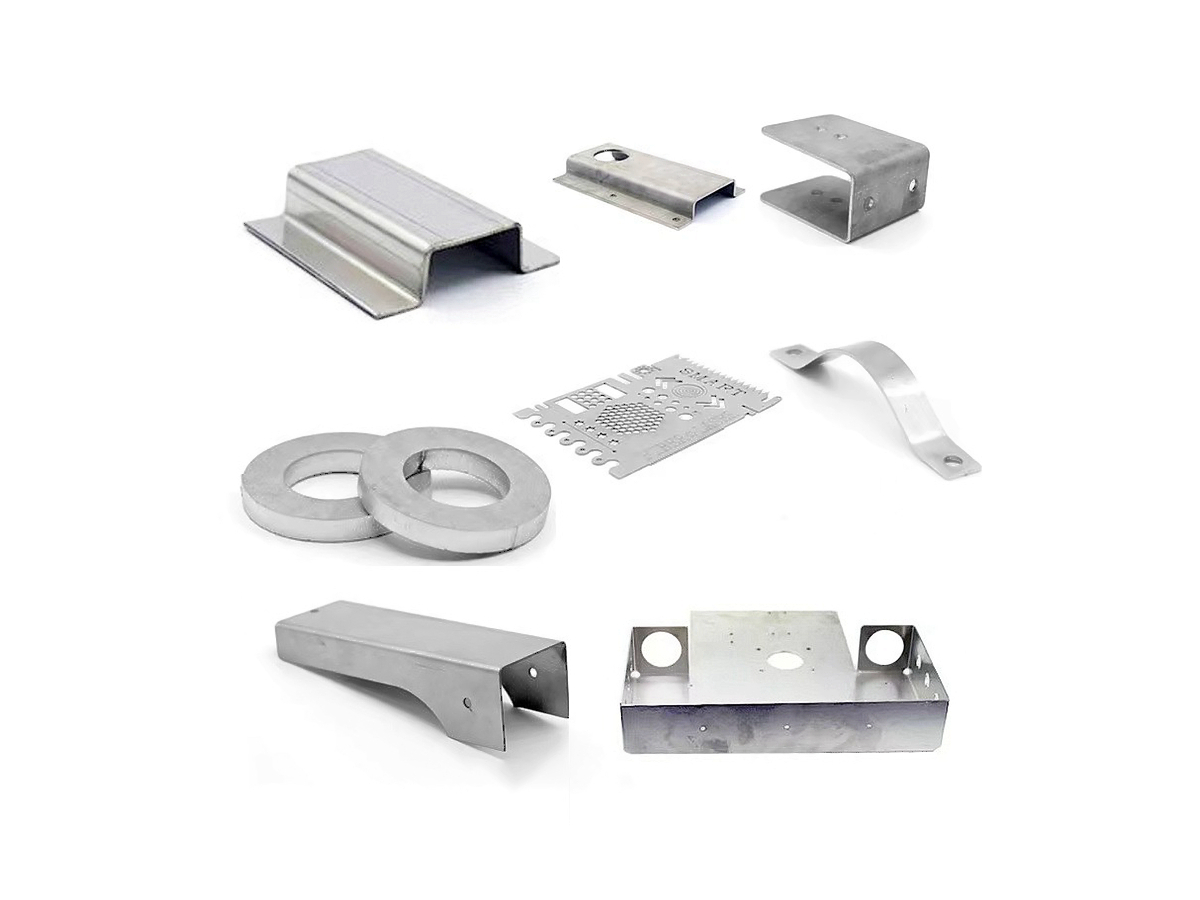
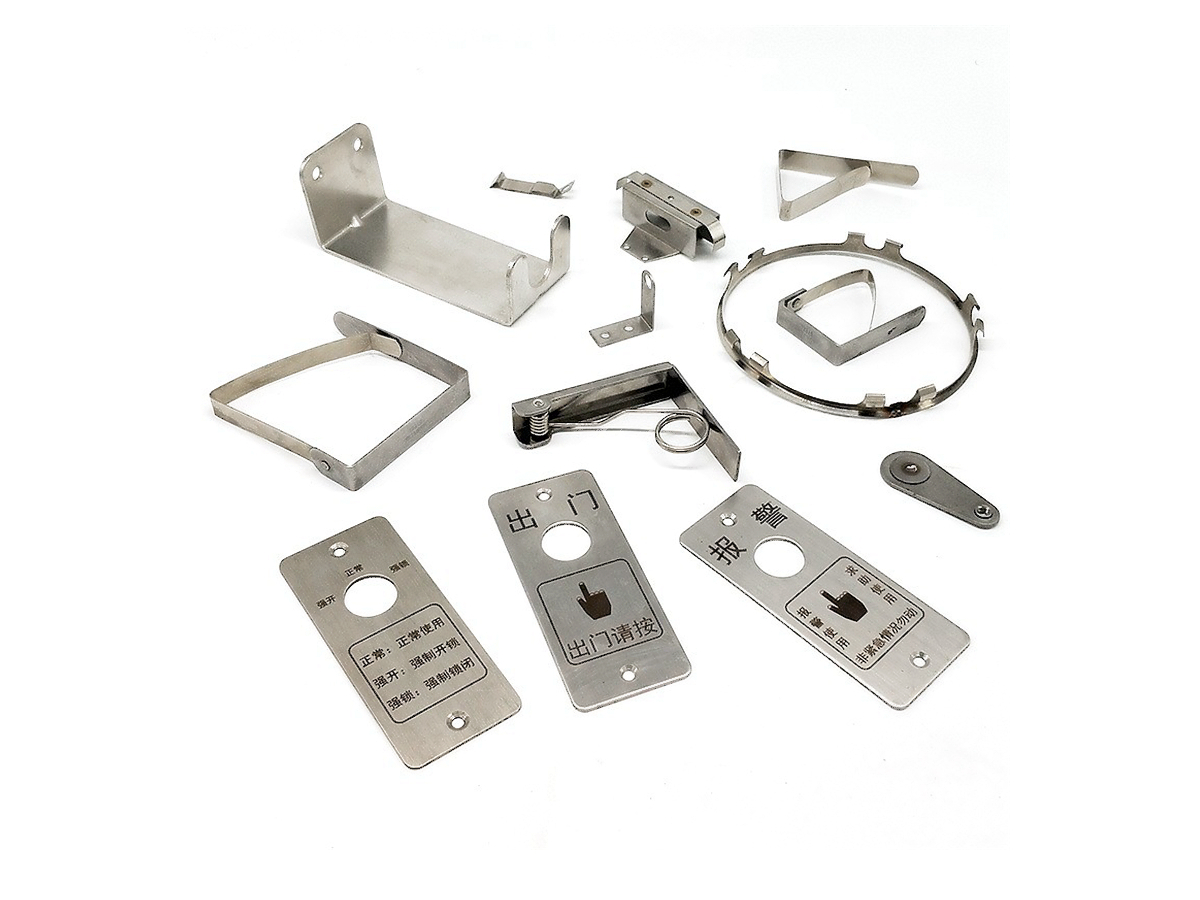
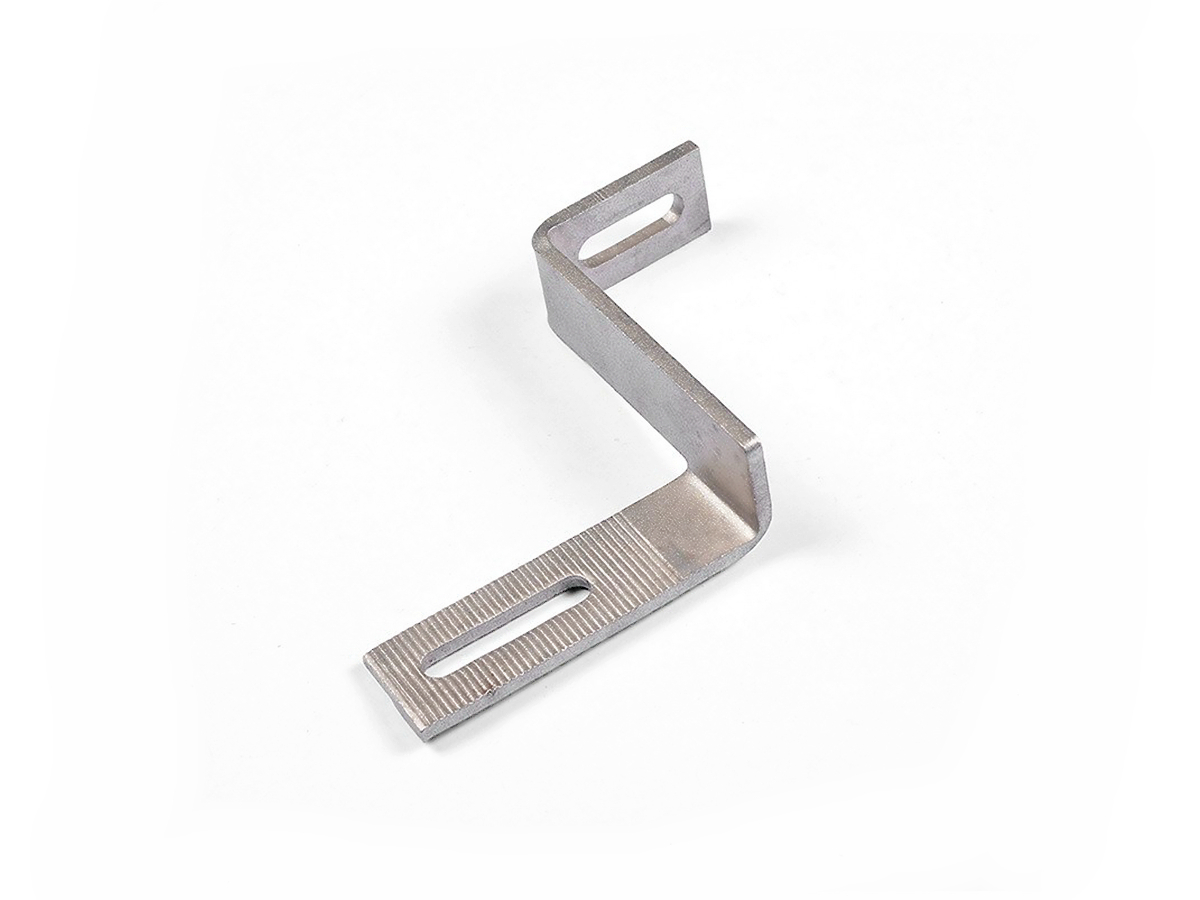
Industries that rely heavily on precise metal bending are those that use formed sheet metal brackets, enclosures, frames, covers, guards, panels, racks, and equipment supports. For buyers in automotive, electronics, power tools, telecommunications, energy, aerospace support, and medical equipment projects, the practical RFQ question is whether metal bending can control bend angle, flange length, hole-to-bend distance, springback, surface finish, and assembly fit for the required part.
Which industries rely heavily on precise metal bending?
Automotive, consumer electronics, telecommunications, power tools, energy, industrial equipment, aerospace support, and selected medical equipment applications rely heavily on precise metal bending. These industries often need sheet metal components that combine cut profiles, bends, holes, fasteners, welds, coatings, and inspection requirements.
The industry matters because each application values different formed features. Automotive brackets may focus on fit and repeatability. Electronics housings may focus on cosmetic faces and hole alignment. Energy equipment may focus on thicker plate support parts. Medical equipment may require cleaner surfaces and documentation.
Industry | Common bent metal parts | Precision bending requirement | RFQ detail to confirm |
|---|---|---|---|
Automotive and transportation | Mounting brackets, covers, fixture plates, guards, formed supports | Repeatable bend angles, hole alignment, weld fit-up | Material grade, bend sequence, critical holes, batch quantity |
Consumer electronics and telecom | Enclosures, rack plates, antenna brackets, thermal covers | Cosmetic faces, hole-to-bend distance, surface finish | Visible face, coating, fastener locations, assembly datums |
Power tools and industrial equipment | Frames, guards, brackets, support plates, housings | Strength, formed geometry, durability of bent features | Material thickness, bend radius, tool mark limits, inspection method |
Energy and electrical equipment | Cabinet panels, busbar supports, access covers, structural brackets | Flatness, corrosion protection, assembly consistency | Coating need, hole pattern, conductivity or grounding needs |
Aerospace support and medical equipment | Tooling brackets, equipment covers, guards, support frames | Revision control, burr limits, documentation, surface condition | Application class, material specification, validation route |
How do automotive and transportation buyers use precision bending?
Automotive and transportation buyers use precision bending for brackets, covers, fixture plates, guards, supports, and formed sheet metal assemblies. These parts often need repeatable bend angles and consistent hole alignment so the formed part fits into a larger assembly.
The RFQ should identify batch quantity, material grade, hole-to-bend distances, weld locations, and inspection method. If the formed part must fit a fixture or mating assembly, the buyer should mark the relevant datums and functional dimensions on the drawing.
Why do electronics and telecommunication projects need precise bending?
Consumer electronics and telecommunication projects use precise bending for enclosures, rack plates, antenna brackets, thermal covers, shields, and equipment panels. These parts often combine visible faces, fastener holes, formed flanges, and coating requirements.
Buyers should define cosmetic faces, tool mark limits, coating requirements, bend direction, and hole positions. If appearance and assembly fit both matter, the supplier should plan cutting, bending, and finishing as one route.
How do power tools and industrial equipment use metal bending?
Power tool and industrial equipment projects use metal bending for internal frames, guards, support plates, housings, motor brackets, and protective covers. These parts often need strength, formed geometry, and repeatable assembly features.
The RFQ should include material thickness, bend radius, springback sensitivity, formed dimensions, and surface finish requirements. If the part will be welded or coated after bending, those downstream steps should be included before quotation.
Why do energy and electrical equipment projects rely on bending?
Energy and electrical equipment projects often require formed cabinet panels, access covers, structural brackets, conductive supports, and protective guards. Precision bending helps these parts align with fasteners, seals, frames, and mounting structures.
Buyers should identify corrosion protection, grounding or conductivity requirements, hole patterns, coating needs, and inspection points. For parts that will be powder coated or plated, surface finish and bend-radius planning should be discussed before production.
When can aerospace support and medical equipment use precision bending?
Aerospace support and medical equipment applications can use precision bending for selected tooling brackets, equipment covers, guards, support frames, carts, and enclosure components. These parts may require stronger revision control, documentation, burr control, and surface finish planning.
For regulated or safety-related projects, the buyer should define the application class and validation route. Metal bending can form the part, but final acceptance depends on the buyer's drawing, documentation, and qualification requirements.
How do cutting, finishing, and inspection support industry bending?
Cutting, finishing, and inspection support industry bending because a formed part starts as a blank and often continues into coating, welding, assembly, or verification. Blanks may come from laser cutting, plasma cutting, stamping, or machining. The blank accuracy affects bend location and final fit.
A complete sheet metal fabrication route should connect blank cutting, deburring, bending, welding, coating, and inspection. Buyers should tell the supplier which operation controls final dimensions.
What RFQ details confirm industry fit for precision bending?
A strong RFQ should include industry application, material grade, thickness, temper, CAD files, drawing revision, bend angles, inside radii, flange lengths, hole-to-bend distances, visible faces, surface finish, coating, welding, assembly requirements, and inspection method. These details help the supplier confirm whether precision metal bending fits the part and industry requirement.
The best buyer decision is to define the formed part's role in the final product. Precise bending is most valuable when bend geometry, material behavior, surface finish, and assembly function are reviewed together.
Related FAQs