Can insert molding reduce production costs compared to traditional methods?
Insert molding can reduce production costs compared with traditional methods when molded-in inserts replace separate assembly, adhesive bonding, post-installed inserts, screws, clips, manual alignment, or repeated inspection rework. It is not automatically cheaper for every project because insert molding can add tooling complexity, insert-loading controls, and scrap risk. This FAQ helps buyers compare total manufacturing cost for threaded inserts, terminals, bushings, shafts, pins, reinforced brackets, and connector housings during RFQ review.
Can insert molding reduce production costs compared to traditional methods?
Yes, insert molding can reduce cost when it removes meaningful secondary operations and improves repeatability. The strongest cases are parts that currently need manual insert installation, adhesive curing, fastening hardware, alignment fixtures, or multiple purchased components.
The buyer should compare insert molding with the current route using the full cost picture. That comparison should include tooling, insert cost, resin cost, molding cycle, insert loading, labor, inspection, scrap, rework, inventory, and assembly risk.
Which traditional methods can insert molding replace?
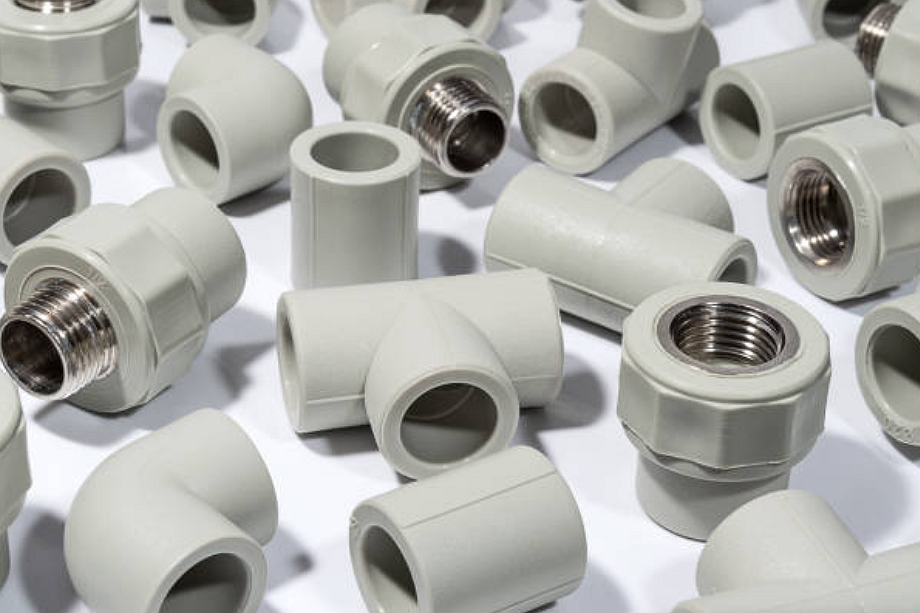
Insert molding may replace post-installed threaded inserts, press-fit bushings, bonded terminals, screwed-on brackets, adhesive-mounted reinforcement, heat-staked hardware, and subassemblies that require manual positioning. These traditional methods can still be useful, but they add separate process steps after the molded plastic part is made.
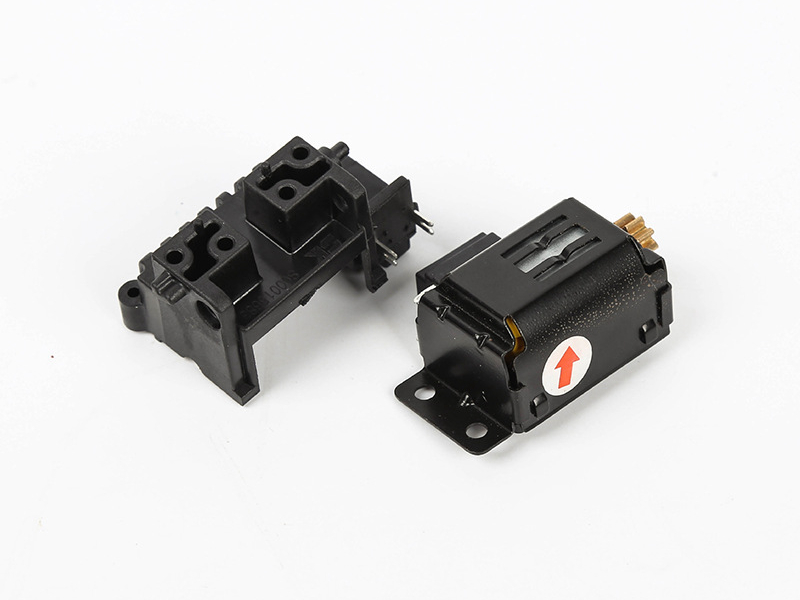
For example, a plastic injection molded housing with terminals installed after molding may require a separate terminal insertion process. If those terminals can be molded in reliably, the part may require fewer assembly stations and fewer alignment checks.
Where do cost savings usually come from?
Cost savings usually come from assembly reduction, lower handling time, fewer purchased components, fewer fixtures, fewer part numbers, and less rework from misalignment. Insert molding can also simplify production planning when one molded component replaces a multi-part subassembly.
Buyers should not count savings twice. If the current process does not use much labor, has low reject rates, and uses inexpensive post-installed inserts, insert molding may not create a strong cost advantage. The cost benefit must be tied to an actual manufacturing problem.
Which costs can increase with insert molding?
Insert molding can increase tooling cost, mold complexity, setup time, insert feeding cost, insert inspection cost, automation investment, and process validation effort. If a molded part is rejected, the scrap may include both resin and the insert, which can be more expensive than scrapping a plain plastic part.
For low-volume production or unstable designs, these added costs can outweigh assembly savings. Buyers should clarify prototype quantity, annual volume, design-freeze status, and expected product life before comparing insert molding with traditional manufacturing methods.
How should buyers compare insert molding and traditional methods?
Buyers should use a route-by-route cost comparison. The table below shows the cost drivers that should be included in the RFQ discussion.
Comparison item | Insert molding route | Traditional method route | Buyer data needed |
|---|---|---|---|
Assembly labor | Insert is placed before molding and integrated during the shot | Insert is pressed, bonded, screwed, welded, or installed later | Assembly steps, labor time, fixture use, current defect rate |
Tooling investment | Requires mold features to locate and seal around inserts | May use simpler molding tool plus secondary equipment | Annual volume, launch quantity, design stability |
Quality control | Focuses on insert position, retention, flash, and functional tests | Focuses on assembly variation, bond quality, and hardware installation | Inspection plan, torque or pull-out targets, electrical tests |
Inventory | May reduce separate components and line-side handling | May require separate fasteners, adhesives, inserts, and subassemblies | Bill of materials, supplier count, packaging requirements |
Scrap risk | Rejected part may include valuable inserts | Rejects may occur at molded part, insert, or assembly stage | Insert cost, expected reject modes, recovery options |
When is insert molding more cost-effective?
Insert molding is more likely to be cost-effective when volume is stable, insert position matters, assembly labor is meaningful, traditional assembly creates quality variation, or multiple parts can be consolidated into one molded component. It is also more attractive when the molded-in insert improves reliability enough to reduce rework or field-failure risk.
Insert molding may be less cost-effective when the design is still changing, the part quantity is low, repairability is required, or the insert can be added later with little risk. Buyers should ask the supplier to quote both the traditional route and the insert molding route when the decision is not obvious.
What RFQ information helps prove the cost case?
A cost-focused RFQ should include molded part CAD, insert drawings, resin material, insert material, current assembly method, current bill of materials, annual volume, launch volume, labor steps, inspection requirements, known defect modes, torque or pull-out targets, electrical requirements, and packaging needs. Buyers should also identify whether inserts are buyer-supplied or supplier-sourced.
This information allows the manufacturer to compare insert molding with traditional methods using real process data. Cost reduction should be treated as a measurable manufacturing outcome, not a general promise attached to the process name.
Related FAQs
How significant are the cost savings associated with insert molding?
How does insert molding compare to traditional manufacturing methods?
What is insert molding and how does it simplify manufacturing?
How does insert molding improve the reliability of components?
What are the main challenges when implementing insert molding?
What are the common challenges in insert molding and how can they be resolved?