Unlocking Complex Geometries with Investment Castings in Modern Industries
Investment Castings Complex Geometry Decision: This article explains how buyers can evaluate investment casting, also called lost wax casting, for custom metal parts with complex geometry such as impellers, levers, brackets, valve bodies, turbine-related shapes, housings, medical device components, and precision industrial fittings. The practical RFQ problem is deciding whether wax pattern design, ceramic shell building, alloy selection, shrinkage control, secondary machining, and inspection evidence can support the required geometry.
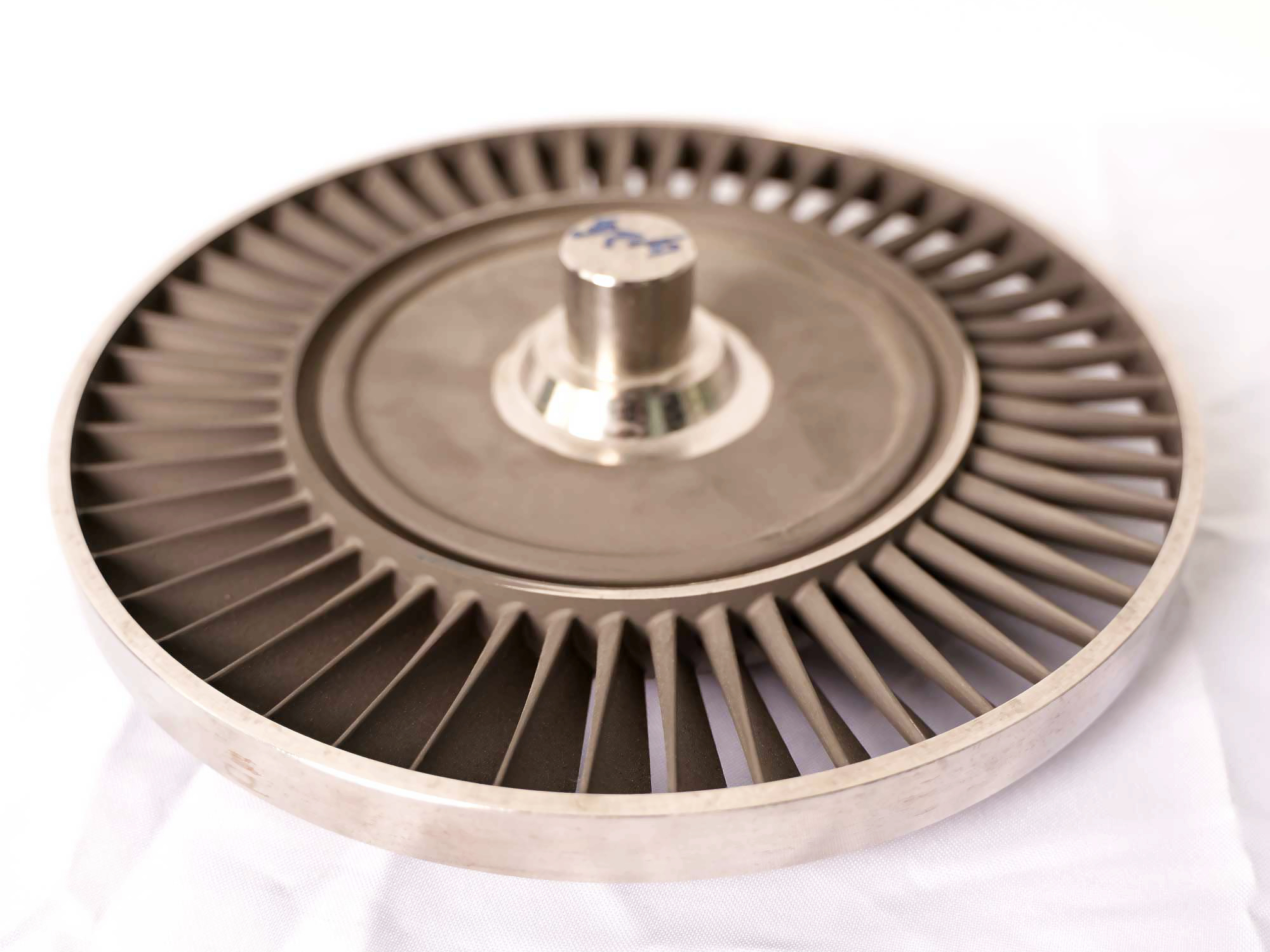
How Does Investment Casting Create Complex Metal Geometries?
Investment casting creates complex metal geometry by forming a wax pattern, coating the pattern with ceramic slurry, building a ceramic shell, removing the wax, pouring molten metal into the shell, and breaking the shell away after solidification. This lost wax route can reproduce curved surfaces, thin ribs, bosses, internal passages, and detailed features that may be difficult to machine from solid stock.
The process is useful because the wax pattern can include features that would otherwise require multiple machined pieces or welded assemblies. Buyers often consider investment casting when a part has three-dimensional curves, variable wall sections, enclosed forms, complex mounting features, or material requirements that do not fit die casting or plastic molding.
Complex geometry still needs manufacturing review. Wax injection, shell thickness, metal flow, shrinkage, gating, ceramic core support, and heat treatment can all affect the final casting. A complex CAD model should be paired with functional surfaces, tolerance priorities, and inspection methods before quotation.
Which Geometry Features Fit Lost Wax Investment Casting?
Investment casting is strongest when a part needs near-net metal geometry with detail that reduces machining or assembly. The process can support design freedom, but not every feature should be treated as equally easy to cast.
Complex Geometry Feature | Why Investment Casting May Fit | RFQ Review Point |
|---|---|---|
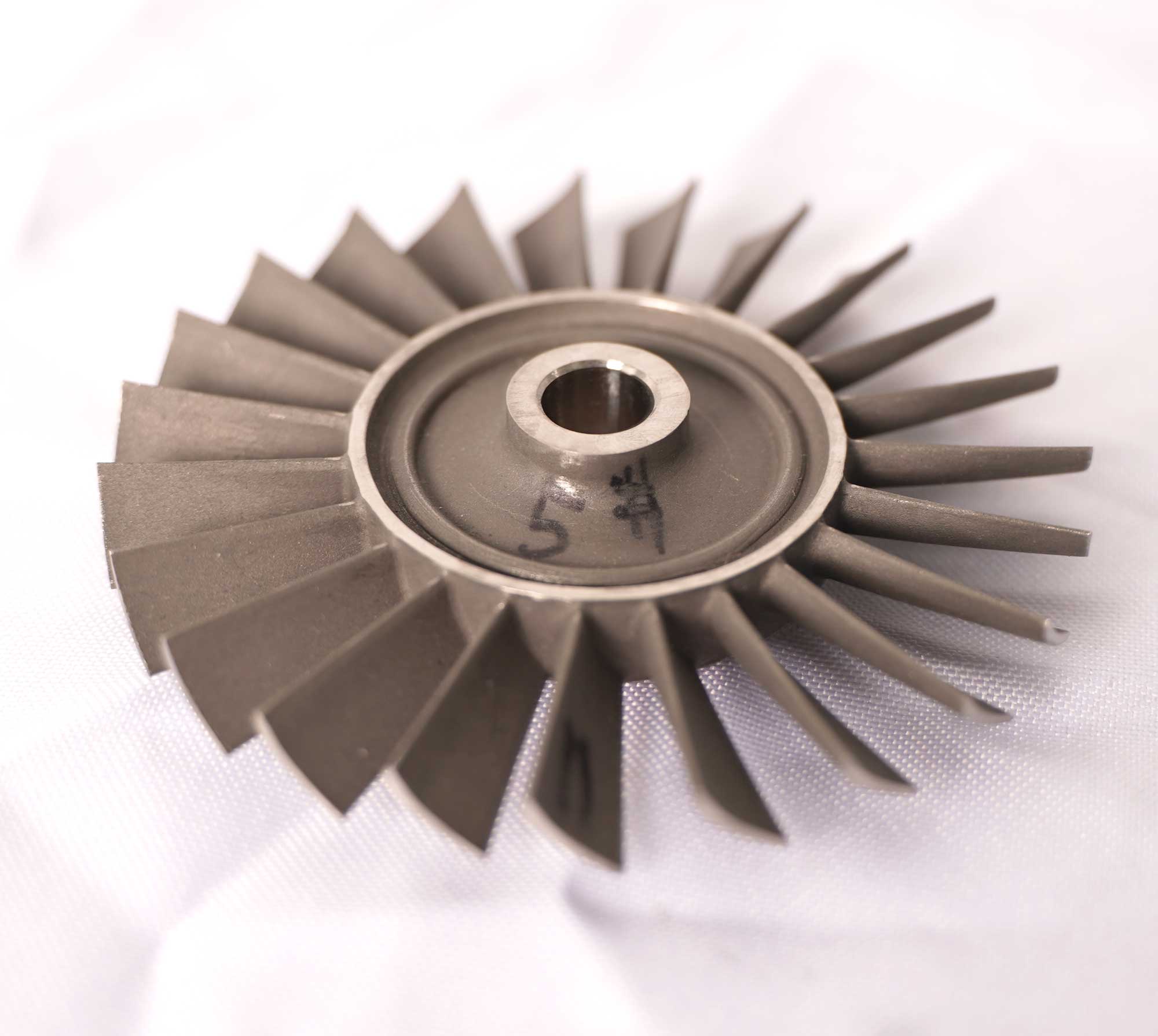
Curved blades and impeller forms | Wax patterns can reproduce curved flow surfaces and repeated blade geometry | Confirm flow surface quality, balance needs, machining allowance, and inspection access. |
Thin ribs and reinforcing webs | The shell mold can form integrated stiffening features without separate welding | Review fill risk, hot spots, shrinkage, and local straightness. |
Internal passages or cored features | Ceramic cores can create selected internal cavities or passage geometry | Confirm core support, cleanout access, wall thickness, and inspection method. |
Integrated bosses, pads, and mounting lugs | Mounting features can be cast together with the main body | Define which surfaces are cast, which are machined, and which datum controls assembly. |
Organic or contoured shapes | Lost wax tooling can form shapes that are inefficient to machine from billet | Check shrinkage, distortion, surface finish, and parting or gating locations. |
The buyer should distinguish geometry that can remain as-cast from geometry that needs CNC machining, grinding, polishing, or inspection fixtures. This distinction affects tooling, wax pattern design, and final cost.
Which Investment Casting Materials Should Buyers Compare?
Investment casting is used with multiple metal families. The material choice should follow the part function, operating temperature, corrosion exposure, strength requirement, magnetic behavior, wear condition, and documentation needs.
Investment Casting Material | Typical Part Function | Buyer Confirmation Needed |
|---|---|---|
Corrosion-resistant fittings, housings, brackets, valve parts, and exposed metal components | Confirm grade, corrosion exposure, heat treatment, passivation or finishing, and material certificate need. | |
Structural parts, brackets, levers, and components where strength and machinability matter | Confirm grade, heat treatment, coating, weldability, and load case. | |
Lightweight corrosion-resistant components and parts requiring titanium-specific review | Confirm grade, process route, testing requirements, and buyer qualification plan. | |
Heat-resistant, corrosion-resistant, or turbine-related components subject to demanding conditions | Confirm alloy, heat exposure, microstructure requirement, NDT needs, and acceptance criteria. | |
Conductive, wear, corrosion, or fluid-contact parts | Confirm conductivity, media compatibility, machining allowance, and leak or pressure testing. | |
Lightweight housings, brackets, and parts where aluminum casting route comparison is needed | Confirm whether investment casting, die casting, sand casting, or gravity casting is the better route. |
Material selection should be supported by the drawing and service environment. A material that fits corrosion exposure may still need machining, heat treatment, surface finishing, or non-destructive testing before the part is accepted.
Where Are Complex Investment Castings Used?
Complex investment castings are used when the part geometry carries functional value. Common applications include valve bodies, pump components, turbine-related parts, impellers, surgical or laboratory device components, aerospace-related brackets, food equipment hardware, marine fittings, industrial levers, and precision housings.
Application Area | Complex Investment Casting Example | Buyer Requirement To Define |
|---|---|---|
Fluid handling and valves | Valve bodies, pump parts, impellers, flow-control hardware, and fittings | Define pressure exposure, leak test, media compatibility, sealing surfaces, and machining needs. |
Industrial machinery | Levers, brackets, linkages, arms, and wear-related metal parts | Define load direction, wear surfaces, heat treatment, and dimensional inspection. |
Energy and thermal systems | Heat-resistant components, turbine-related shapes, burners, and complex brackets | Define temperature exposure, alloy requirement, NDT, heat treatment, and qualification route. |
Medical, laboratory, or food equipment | Stainless components, small tools, brackets, housings, and cleanable metal shapes | Define surface finish, cleaning exposure, material documentation, and buyer validation criteria. |
Aerospace or defense-related programs | Complex brackets, duct features, hinge parts, and lightweight metal components | Define governing specification, traceability, NDT, qualification responsibility, and acceptance criteria. |
For regulated programs, investment castings should be reviewed only against the buyer's documented specifications. The manufacturing process can support complex metal shapes, but final approval depends on the buyer's validation process and required records.
What Design Risks Limit Investment Casting Geometry?
Investment casting can create complex parts, but the process has limits. Very abrupt section changes, isolated heavy bosses, inaccessible internal cavities, unsupported cores, sharp internal corners, and long thin features can create shrinkage, cracking, distortion, shell damage, or inspection problems.
Geometry Risk | Manufacturing Concern | Buyer Action Before Quotation |
|---|---|---|
Heavy-to-thin wall transition | May create shrinkage, hot spots, or local distortion | Review radii, transitions, feeding strategy, and machining allowance. |
Deep internal passage | May require ceramic core support, cleanout access, and inspection planning | Define passage function, acceptance method, and whether sectioning or CT is required. |
Sharp internal corner | May increase stress concentration and shell or casting risk | Add functional radii where possible and identify critical corners. |
Long unsupported feature | May distort during shell building, burnout, pouring, or heat treatment | Confirm straightness requirement, fixture needs, and post-cast correction limit. |
Fully machined sealing surface | Needs enough stock and stable datum surfaces after casting | Mark machined surfaces, datum plan, and inspection requirement. |
Design-for-casting review should happen before production tooling. It is easier to adjust radii, wall transitions, gating area, and machining stock in the model than to correct casting risk after sample parts are poured.
When Should Buyers Compare Investment Casting With Sand Casting, Die Casting, Or CNC?
Investment casting is only one route for metal parts. Buyers should compare it with sand casting, aluminum die casting, gravity casting, and CNC machining prototyping when geometry, material, quantity, and validation stage are still open.
Manufacturing Route | Suitable Part Scenario | When Investment Casting May Be Better |
|---|---|---|
Investment casting | Complex metal geometry, near-net shapes, alloy flexibility, and moderate feature detail | When machining or assembly would create too much material removal or too many joined parts. |
Sand casting | Larger parts, simpler geometry, lower tooling needs, and heavy-duty castings | When the part needs finer detail, better surface potential, or smaller complex features. |
Die casting | High-volume aluminum or zinc parts with thin walls and stable tool investment | When the alloy family or part geometry does not fit die casting tooling or pressure casting limits. |
CNC machining | Prototype parts, flat or prismatic shapes, and highly controlled machined features | When the final part shape is too complex to machine efficiently from billet. |
The route decision should be made from the part function, not only from the process name. Complex investment castings may still need CNC machining on datum surfaces, threaded holes, sealing faces, bearing areas, or other critical interfaces.
Which Secondary Operations And Inspection Evidence Matter?
Investment castings often need secondary operations after casting. Common operations include gate removal, heat treatment, shot blasting, grinding, CNC machining, polishing, passivation, coating, plating, welding repair when approved, and final assembly.
Inspection evidence depends on the part risk. Buyers may request dimensional reports, first article inspection, CMM reports, material certificates, heat-treatment records, hardness tests, surface roughness reports, dye penetrant inspection, X-ray inspection, CT inspection, pressure tests, leak tests, or functional assembly trials.
Inspection should focus on critical geometry. An impeller may need profile, balance, and surface review. A valve body may need pressure testing and sealing surface inspection. A bracket may need load-related dimensions and material records. A turbine-related part may need additional buyer-defined NDT and qualification evidence.
What Should An Investment Casting RFQ Include?
A strong investment casting RFQ should include the CAD model, 2D drawing, alloy, expected production stage, critical surfaces, machining requirements, heat treatment, surface finish, inspection records, and operating environment. Complex geometry should be tied to function so the casting review can prioritize risks correctly.
RFQ Information | Why It Matters For Investment Casting | Buyer Confirmation Needed |
|---|---|---|
3D model and 2D drawing | Defines wax pattern geometry, datum references, tolerance priorities, and critical features | Confirm drawing revision, functional surfaces, and inspection dimensions. |
Alloy and heat treatment | Controls casting behavior, mechanical properties, corrosion behavior, and documentation | Confirm grade, heat treatment, material certificate, and applicable standard. |
Machining and finishing scope | Defines stock allowance, fixture plan, datum surfaces, appearance, and final function | Mark machined faces, threads, sealing areas, and surface finish requirements. |
Internal features or cores | Affects ceramic core design, cleanout, inspection access, and casting risk | Define internal passage function and acceptance evidence. |
NDT and functional tests | Connects complex geometry to measurable quality evidence | State whether FPI, X-ray, CT, pressure, leak, hardness, or functional tests are required. |
Application environment | Guides material selection, coating, inspection, and validation planning | Confirm temperature, load, corrosion, wear, fluid, and regulatory exposure. |
Investment casting can unlock complex metal geometries when the buyer defines the geometry, alloy, functional surfaces, secondary operations, and inspection evidence together. The best application decisions connect the lost wax process to the actual part requirement instead of treating complex shape as a stand-alone advantage.
Related FAQs