
Beauty Meets Function: Elevating Product Design with Over Molding Aesthetics
Overmolding Aesthetic Function RFQ Decision explains how the overmolding process combines appearance, grip, protection, and assembly function in product housings, handles, buttons, seals, and soft-touch covers. The buyer decision is whether overmolding should create the visible surface, tactile contact area, brand color zone, or protective layer instead of using paint, coating, adhesive pads, or separate assembled parts. The practical RFQ problem is that color, texture, material compatibility, bond quality, cosmetic boundaries, and inspection criteria must be defined before overmolding tooling can be reviewed.
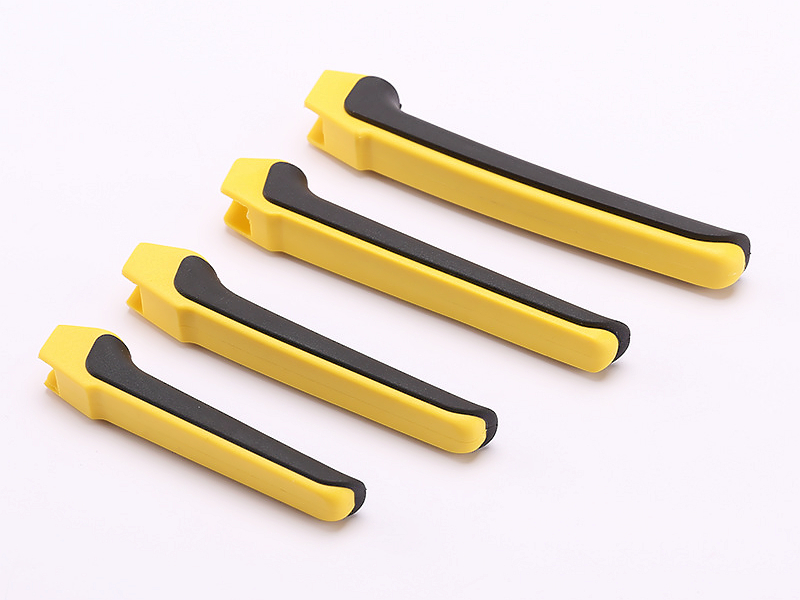
How Does Overmolding Combine Appearance and Function?
Overmolding combines appearance and function by molding a second material onto a rigid substrate. The rigid substrate controls the part structure, fastening points, and dimensional reference surfaces, while the overmolded material controls touch, color contrast, grip, sealing, or local protection.
For a buyer, the important decision is whether the soft or colored area is only visual or whether the overmolded area performs a measurable function. A cosmetic accent may need stable color and clean parting lines. A grip zone may need controlled hardness, texture, and wear behavior. A seal or button may need compression, travel, and functional inspection. Each use case changes the material review and tooling review.
Overmolding is common in consumer electronics, handheld tools, medical device housings, control panels, and other products where the user touches the molded surface. The RFQ should connect the aesthetic requirement to the user-contact requirement so the manufacturing route can be evaluated with the correct priorities.
Which Overmolded Product Features Affect Aesthetic Quality?
Aesthetic quality is controlled by color, texture, gloss, flash control, edge definition, and the transition between the substrate and overmold. These details are manufacturing features, not only styling choices.
A soft-touch grip with a visible edge needs a clean shutoff line. A two-color housing needs stable material flow and controlled surface finish. A logo zone, button pad, or ergonomic contact area needs enough material thickness to fill consistently without sink, short shot, or visible weld marks. Buyers should identify which surfaces are appearance-critical and which surfaces are only functional or hidden.
Aesthetic Feature in Overmolding | Manufacturing Risk | RFQ Detail Needed |
|---|---|---|
Color contrast between substrate and overmold | Color variation, flow marks, or visible boundary mismatch | Color target, appearance zone, and acceptable boundary condition |
Soft-touch texture on grip or button | Texture variation, gloss mismatch, or uneven tactile feel | Texture reference, hardness expectation, and user-contact surface |
Thin decorative overmold edge | Flash, peeling, short shot, or weak edge bonding | Edge geometry, shutoff surface, and visual acceptance criteria |
Visible seal or gasket feature | Compression variation, flash, or cosmetic line inconsistency | Sealing surface, mating part condition, and inspection method |
Which Materials Support Soft Touch, Color, and Wear Resistance?
Material selection should start with the substrate and the user-contact requirement. A soft outer layer can look correct during sampling but still fail if the material does not bond to the substrate or does not resist the expected handling environment.
Rigid substrates may include ABS, PC, PA, PP, or metal components. Overmold materials may include TPE and TPV, TPU, or silicone rubber depending on grip, flexibility, wear, chemical exposure, and surface feel. Material compatibility, molding temperature, and bonding behavior should be reviewed before tooling.
Color and texture requirements can narrow the material choice. Some materials provide better abrasion resistance, some provide softer tactile response, and some are better suited for precise surface detail. Buyers should avoid specifying only a marketing color name; the RFQ should include a color reference, surface texture reference, and any cleaning or exposure condition that could affect appearance.
When Should Buyers Choose Overmolding Instead of Painting or Assembly?
Buyers should choose overmolding when the visible surface must also provide grip, protection, sealing, or repeatable alignment. Painting, coating, adhesive bonding, or separate assembly can be suitable for some aesthetic requirements, but those routes may not provide the same molded interface or tactile function.
Overmolding can reduce separate pads, covers, adhesives, and manual alignment steps when the design is suitable. It can also support more consistent placement of color blocks, ergonomic zones, or protective edges. However, overmolding requires tooling investment and material compatibility review, so the process should be selected for a functional reason, not only because the product needs a different color.
Buyer Goal | Overmolding Fit | Alternative Route to Compare |
|---|---|---|
Soft grip with repeated user contact | Strong fit when grip, texture, and edge control are critical | Separate sleeve, adhesive pad, or textured single-material molding |
Decorative color accent only | Possible fit when molded color boundary is needed | Painting, pad printing, coating, or two-color plastic molding |
Protective corner or edge surface | Strong fit when impact and wear resistance are important | Separate bumper, mechanical cover, or thicker substrate design |
Integrated seal or button surface | Strong fit when location, compression, and feel must be controlled | Separate gasket, assembled keypad, or bonded elastomer part |
How Do Ergonomic Surfaces Change Overmolding RFQ Requirements?
Ergonomic surfaces change the RFQ because tactile feel must be treated as a controlled part feature. A grip area, button, handle, or touch surface may need a defined hardness range, texture, local thickness, and acceptance method.
For power tools and handheld equipment, overmolded surfaces often need grip stability, impact resistance, and wear resistance. For medical device components, buyers may also consider cleanability, contact surface requirements, and buyer-defined validation. For electronics housings, visual transition lines and surface feel may matter as much as mechanical protection.
The RFQ should identify the user-contact zones separately from hidden surfaces. If every surface is treated as cosmetic, the tooling and inspection scope may be unclear. If only certain zones require tactile control, Neway can review those zones for material thickness, texture, gate location, and visual acceptance.
What Design Rules Help Maintain Overmolding Appearance?
Clear design rules help maintain appearance by reducing flash, weak edges, short shots, and visible flow defects. The part drawing should show where the overmold starts and stops, which surfaces are appearance-critical, and which dimensions affect assembly.
Important design details include consistent overmold thickness where possible, adequate bond area, clean substrate shutoff surfaces, controlled corner transitions, and practical gate locations. If the design has sharp soft-material edges, isolated decorative islands, or deep recesses, the risk of incomplete filling or edge peeling should be reviewed early.
When the overmolded layer is applied to a pre-molded substrate from plastic injection molding, substrate shrinkage and warpage can affect the second-shot fit. If the overmold surrounds metal or assembled inserts, insert molding issues such as placement, retention, and thermal response may also affect the result.
What Inspection Criteria Should Be Defined for Aesthetic Overmolding?
Inspection criteria should define both visual acceptance and functional acceptance. For overmolding aesthetics, visual inspection may include color boundary, flash, short shot, flow mark, sink, gloss, surface contamination, and visible knit line review. Functional inspection may include grip feel, button response, seal compression, bond condition, and assembly fit.
Buyers should specify which surfaces are Class A visible surfaces, which areas are user-contact surfaces, and which areas are functional sealing or assembly surfaces. A cosmetic defect on a hidden underside may not carry the same impact as a defect on a grip edge or visible control button. Clear acceptance criteria help avoid subjective decisions during sampling and production release.
If the product has branding, logo, color-matching, or texture-matching requirements, the RFQ should include reference samples or documented acceptance criteria. Neway can review manufacturability and process control, while final application validation should remain tied to the buyer's product requirements and use environment.
What Neway Precision Reviews for Overmolding Aesthetic Projects?
Neway Precision reviews overmolding aesthetic projects by connecting product appearance, material behavior, substrate geometry, tooling shutoffs, gate placement, and inspection requirements. The goal is to determine whether the visible overmolded feature can be manufactured consistently while also meeting the buyer's functional requirement.
The review usually starts with the 3D model, 2D drawing, substrate material, overmold material, appearance zones, user-contact zones, expected production stage, and validation expectations. This information helps identify whether overmolding, two-shot molding, separate assembly, coating, or another injection molding route should be considered.
A complete RFQ should make the buyer decision visible: which surfaces must look controlled, which surfaces must feel controlled, which surfaces must protect the product, and which surfaces must pass inspection. When those requirements are clear, overmolding can be reviewed as a manufacturing process for both product aesthetics and functional performance.
Related FAQs
What are the best materials to use in over molding for aesthetic purposes?
What factors should be considered when selecting materials for over molding?
What types of materials can be effectively used in over molding?
Are there specific design considerations when planning for overmolding production?
When should buyers select overmolding for plastic injection molding projects?