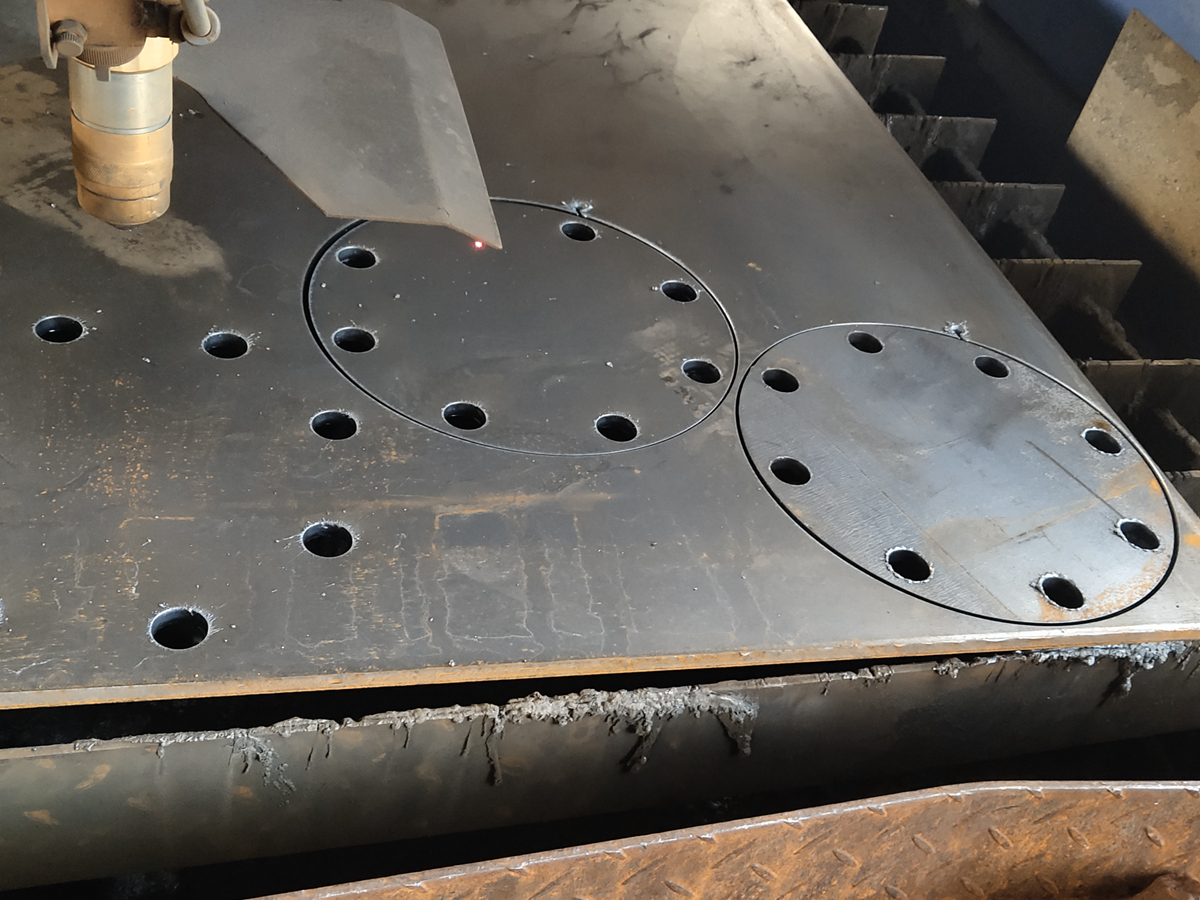
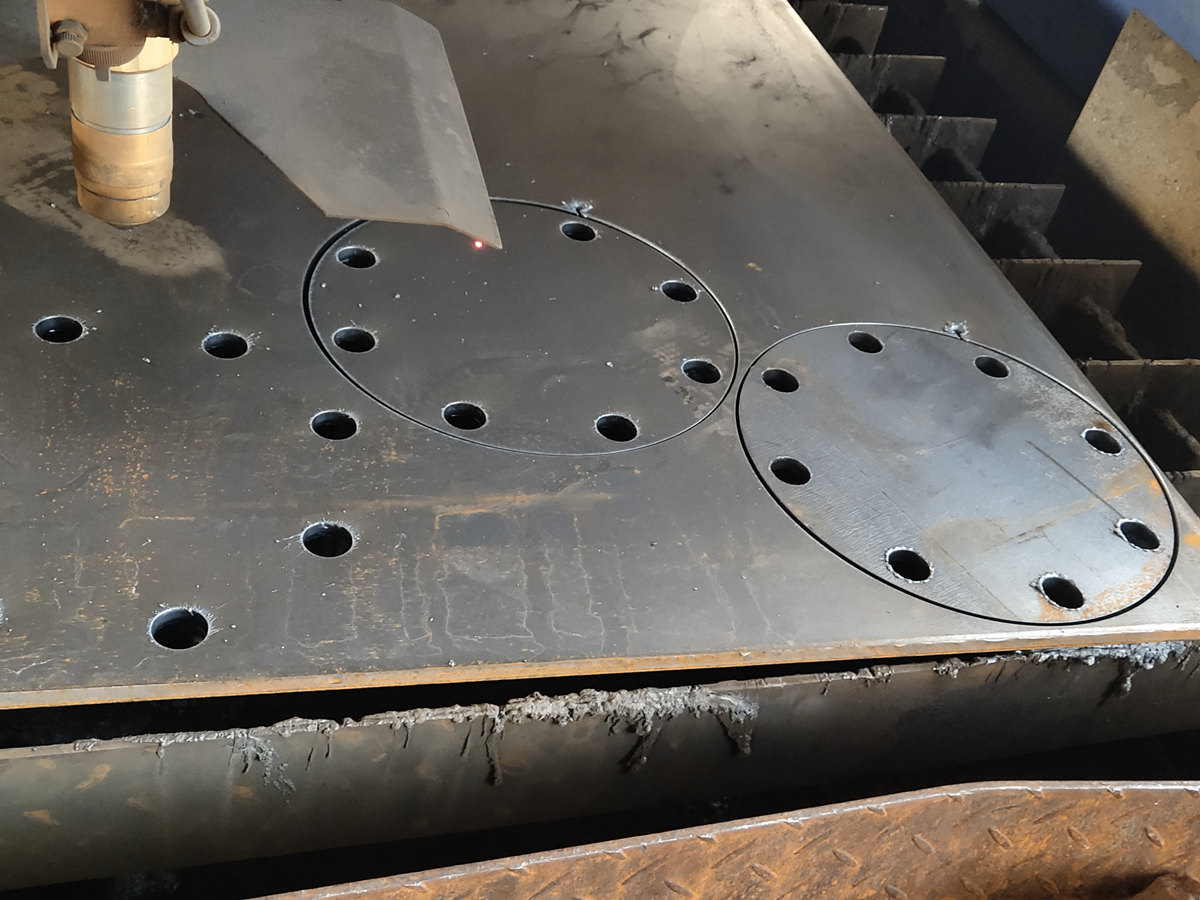
What Are The Types of Plasma Cutting
The main types of plasma cutting include manual plasma cutting, mechanized plasma cutting, CNC plasma cutting, precision or high-definition plasma cutting, air plasma cutting, dual-gas plasma cutting, underwater plasma cutting, and micro plasma cutting. These plasma cutting types are used for conductive metal parts such as plates, brackets, frames, guards, gussets, panels, and welded fabrication blanks. The practical RFQ problem is choosing the plasma cutting type that matches material thickness, profile detail, edge quality, tolerance risk, production volume, and downstream operations.
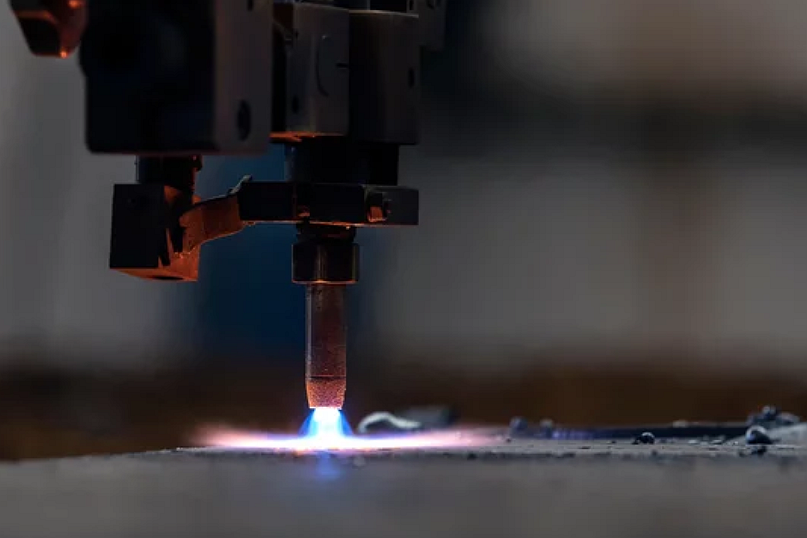
What are the main types of plasma cutting?
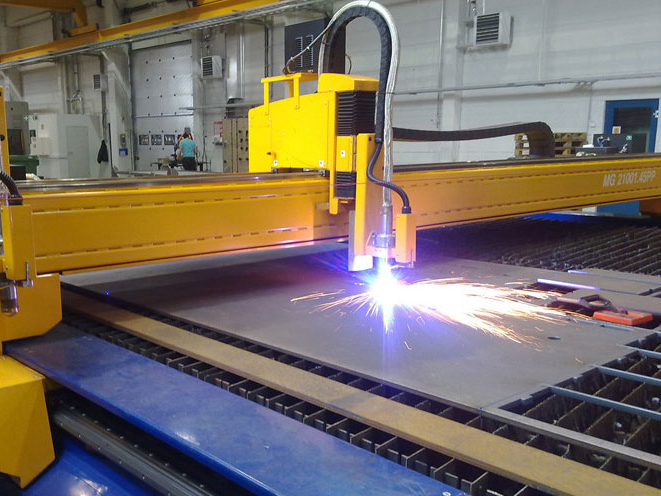
The main types differ by torch control, gas system, power supply, cutting environment, and precision level. Manual plasma cutting is guided by an operator. Mechanized plasma cutting uses rails, gantries, or fixtures. CNC plasma cutting follows a programmed path from CAD data. Precision and high-definition plasma cutting use tighter process control for better edge quality and repeatability.
Other types solve specific production problems. Air plasma cutting uses compressed air for practical shop cutting. Dual-gas plasma cutting separates plasma gas and shield gas to improve cut stability. Underwater plasma cutting supports special environments where submerged cutting is required. Micro plasma cutting is reviewed for smaller features and thinner material, although laser cutting may still be better for very fine sheet detail.
When should buyers use manual plasma cutting?
Manual plasma cutting is useful for repair work, site trimming, maintenance, rough cutting, and low-volume jobs where portability matters more than repeatability. An operator guides the torch, so cut quality depends on hand control, torch angle, travel speed, material support, and access to the workpiece.
Manual plasma cutting can be practical for removing damaged metal, cutting replacement plates, trimming frames, or preparing material before welding. It is not the best choice when the RFQ requires repeatable hole patterns, tight part-to-part consistency, or detailed CAD-controlled profiles.
When should buyers use mechanized or CNC plasma cutting?
Mechanized and CNC plasma cutting are better choices when the part needs repeatable profiles, programmed geometry, controlled torch height, and consistent production. CNC plasma cutting is commonly used for sheet and plate blanks, brackets, gussets, flanges, enclosure panels, frames, and parts that later move to bending, welding, machining, or surface finishing.
For RFQs, CNC plasma cutting should be reviewed when the buyer can provide a DXF, DWG, STEP reference, or dimensioned drawing. Programmed cutting allows better nesting, more stable cut paths, and clearer inspection planning than manual cutting. If the quote includes many repeated parts, CNC control can also reduce variation between batches.
When is precision or high-definition plasma cutting needed?
Precision or high-definition plasma cutting is reviewed when the buyer needs improved edge angularity, narrower kerf, cleaner holes, reduced dross, and better repeatability than standard plasma cutting can provide. This route may be useful for metal parts where the plasma cut edge remains functional or where secondary machining should be minimized.
The buyer should still avoid assuming one universal tolerance. Precision plasma results depend on material grade, thickness, torch condition, consumables, gas choice, power level, cut speed, and height control. For assembly-critical holes or datum surfaces, the RFQ should identify whether drilling, reaming, tapping, or CNC machining is still required after plasma cutting.
How do air plasma and dual-gas plasma cutting differ?
Air plasma cutting uses compressed air as the process gas and is often selected for practical shop cutting, maintenance, and general fabrication. The route can be economical and convenient, but edge oxidation, consumable wear, and cut quality should be reviewed against the part requirement.
Dual-gas plasma cutting uses separate plasma and shield gases to improve arc control and edge stability. This type is more relevant when the RFQ requires cleaner edges, lower dross, or better performance on specific metals. Buyers should ask whether the quoted process includes the gas setup needed for the required material and edge condition.
When are underwater and micro plasma cutting relevant?
Underwater plasma cutting is a specialized route for submerged cutting, marine repair, salvage, or other controlled environments where the workpiece cannot be handled as a normal shop plate. This type should be reviewed with environment, safety, access, and inspection requirements clearly defined.
Micro plasma cutting is a specialized route for small-scale metal cutting where lower current and a smaller arc may support finer features. For very fine slots, cosmetic sheet detail, or small holes in thin material, buyers should also compare laser cutting because laser cutting may provide better detail control on suitable materials.
How should buyers compare plasma cutting types?
Plasma Cutting Type | Best Fit | RFQ Risk to Confirm |
|---|---|---|
Manual plasma cutting | Repair, trimming, rough cutting, and site work. | Operator variation, edge quality, and drawing repeatability. |
Mechanized plasma cutting | Repeated straight or shaped cuts with guided torch movement. | Fixture setup, torch height, and cut path control. |
CNC plasma cutting | Programmed sheet and plate profiles from CAD data. | CAD quality, nesting, pierce count, and inspection plan. |
Precision plasma cutting | Cleaner edges and better repeatability than standard plasma cutting. | Material thickness, gas setup, consumables, and critical dimensions. |
Air plasma cutting | General conductive metal cutting with practical gas supply. | Oxidation, dross, and consumable life. |
Dual-gas plasma cutting | Applications needing improved arc stability and edge control. | Gas selection, cost, and material compatibility. |
Underwater plasma cutting | Special submerged cutting environments. | Access, safety, environment control, and inspection. |
What information helps select the right plasma cutting type?
Buyers should provide material grade, thickness, part size, CAD file, drawing revision, quantity, tolerance notes, edge quality requirement, dross allowance, hole and slot details, downstream operations, and inspection method. If the part will be bent, welded, machined, coated, or assembled, those later stages should be included in the RFQ.
A good process selection separates general cutting from critical features. CNC plasma cutting may create the blank, precision plasma cutting may improve edge quality, and secondary drilling or machining may control assembly holes. The best type is the type that controls the functional risk without adding unnecessary cost to features that do not affect fit or use.
Related FAQs