What industries benefit the most from adopting over-molding processes?
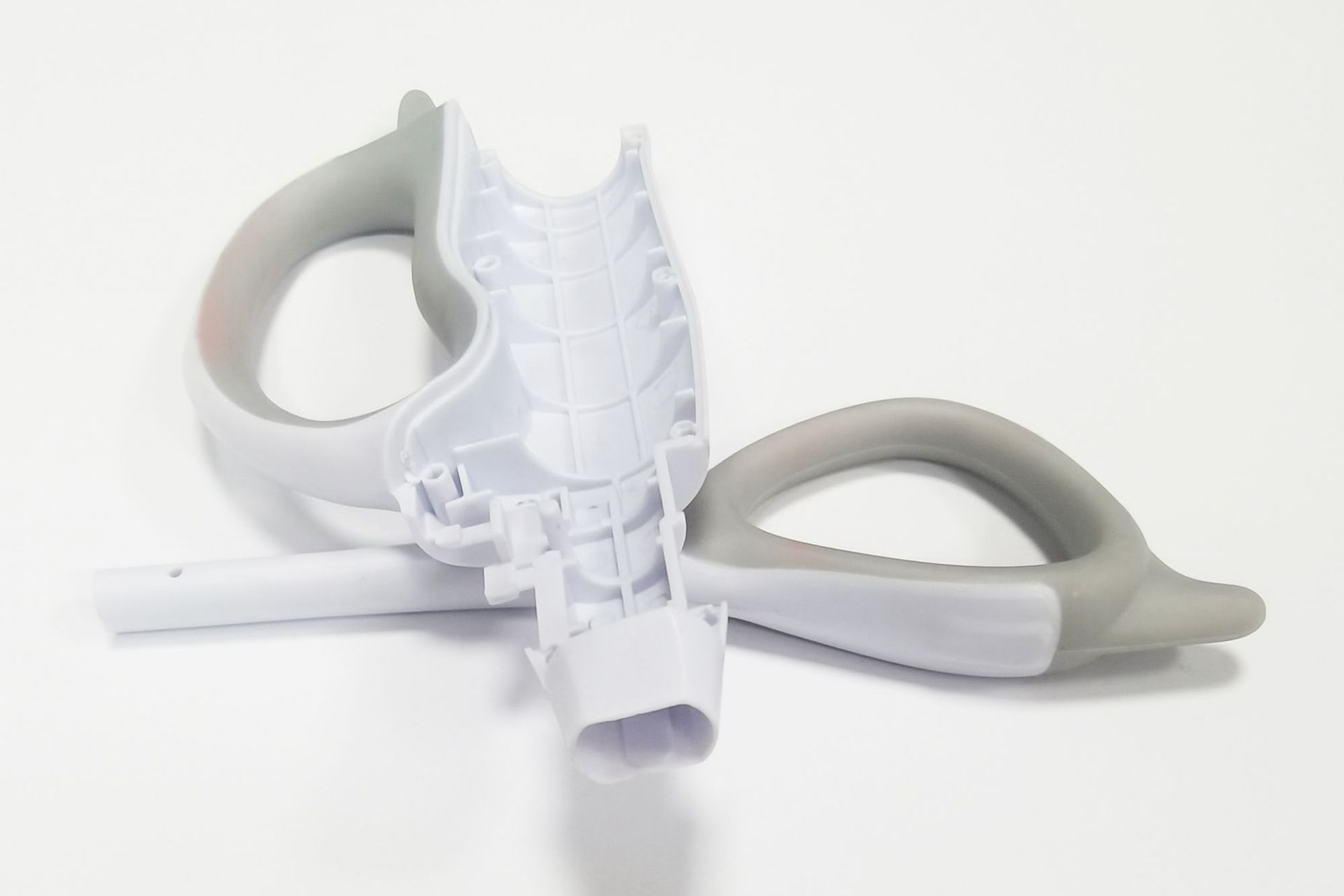
The industries that benefit most from adopting overmolding are industries that need a rigid substrate combined with a soft, protective, sealing, insulating, or ergonomic surface. Automotive, consumer electronics, medical-device equipment, industrial tools, energy equipment, and lighting products often use overmolded parts because the process can combine grip, protection, sealing, color, and assembly reduction in one component. The practical RFQ problem is deciding whether overmolding adds enough functional value for the buyer's part type, material requirements, volume, and inspection plan.
What industries benefit the most from adopting overmolding processes?
Industries benefit most from overmolding when a product must be comfortable to handle, resistant to impact, protected from moisture, electrically insulated, color differentiated, or simplified from multiple assembled parts into one molded component. Overmolding is not limited to one market; the decision depends on the function of the overmolded feature.
Buyers should start the RFQ by identifying the substrate material, soft overmold material, part function, contact surface, assembly requirement, and validation test. A medical-device equipment handle, an automotive interior button, and a consumer electronics connector may all use overmolding, but the buyer requirements and inspection methods will be different.
Why does the automotive industry use overmolding?
The automotive industry uses overmolding for interior controls, knobs, handles, cable interfaces, protective covers, gaskets, and vibration-damping features. These components often need a rigid substrate for structure and a soft overmold for touch, sealing, noise reduction, or impact resistance.
Automotive RFQs should define temperature exposure, UV exposure, chemical contact, surface texture, color target, wear expectations, and dimensional inspection points. Material combinations such as nylon PA, PC, ABS, TPE, TPV, or TPU should be reviewed for bonding, shrinkage, and long-term use conditions before tooling approval.
How do consumer electronics benefit from overmolded parts?
Consumer electronics benefit from overmolding when housings, buttons, connector strain reliefs, wearable parts, handheld devices, and protective covers require a comfortable surface or impact-resistant edge. Overmolding can also help integrate color separation, grip texture, and soft-touch areas without adding separate pads or sleeves.
For electronics RFQs, buyers should specify cosmetic surfaces, color matching, tactile feel, connector location, insulation needs, assembly stack-up, and drop or wear testing. The manufacturer needs this information to control flash, parting line location, surface texture, and deformation of thin features.
Where do medical-device equipment projects use overmolding?
Medical-device equipment projects may use overmolding for handles, grips, housings, buttons, seals, instrument interfaces, and reusable equipment surfaces. The benefit is often improved handling, cleanable surfaces, edge protection, and integration of soft-contact features.
Medical-related RFQs need careful validation language. Buyers should define material requirements, user-contact expectations, cleaning exposure, functional surfaces, traceability requirements, and inspection criteria. The manufacturer can support process planning and part production, but the buyer remains responsible for final regulatory validation and application-specific approval.
How do industrial tools and equipment use overmolding?
Industrial tools and equipment use overmolding for handles, trigger areas, protective bumpers, switch covers, cable strain reliefs, seals, and vibration-control features. The process is useful when a rigid frame needs a durable surface that improves grip, protects against impact, or reduces user fatigue during repeated handling.
Industrial RFQs should describe oil exposure, chemical exposure, abrasion, impact, operating temperature, operator contact area, and expected service environment. These details affect whether the overmold should use TPE, TPV, TPU, silicone-like elastomer, or another compatible material system.
Which energy and lighting components can use overmolding?
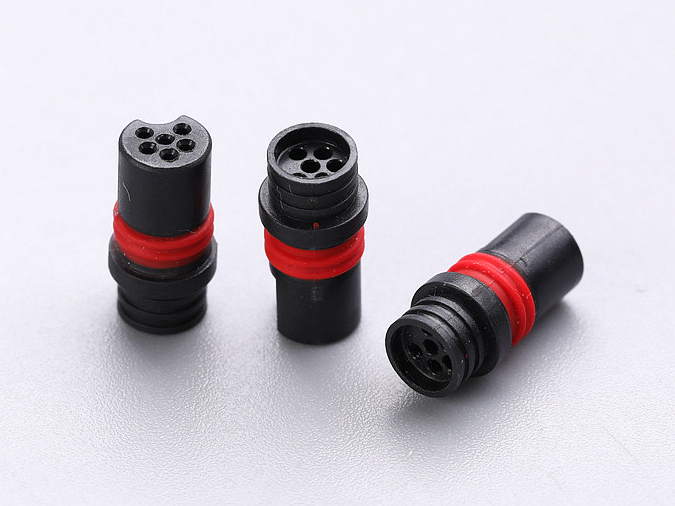
Energy equipment and lighting products can use overmolding for connector housings, cable interfaces, seals, protective covers, strain reliefs, and handled components. In these applications, overmolding may support sealing, electrical insulation, impact protection, and assembly simplification.
Buyers should not treat the overmold only as a cosmetic layer. For energy and lighting parts, RFQ data should include temperature exposure, ingress protection targets when applicable, wire or insert placement, dielectric requirements, color requirements, and any environmental testing that affects material selection.
How should buyers compare overmolding benefits by industry?
Buyers should compare overmolding benefits by part function, not by industry label alone. The same overmolding process may solve different problems in different markets: grip in industrial tools, strain relief in electronics, sealing in energy equipment, or touch quality in automotive interiors.
Industry | Common overmolded part types | Primary buyer requirement | RFQ details to define |
|---|---|---|---|
Automotive | Knobs, handles, seals, covers, interior controls | Durability, touch quality, vibration control, appearance | Temperature, wear, texture, color, dimensional inspection |
Consumer electronics | Housings, buttons, connector strain reliefs, wearable parts | Grip, impact protection, insulation, cosmetic consistency | Surface class, color target, drop testing, assembly fit |
Medical-device equipment | Handles, grips, buttons, housings, seals | User contact, cleanability, handling, functional reliability | Material requirements, cleaning exposure, validation plan |
Industrial tools | Tool handles, bumpers, trigger areas, switch covers | Grip, abrasion resistance, impact protection, operator comfort | Chemical exposure, hardness, texture, impact requirements |
Energy and lighting | Connector housings, cable interfaces, seals, protective covers | Sealing, insulation, strain relief, environmental protection | Temperature, ingress target, insert placement, electrical needs |
What RFQ information helps confirm industry fit for overmolding?
A strong overmolding RFQ should include the target industry, part application, CAD files, annual volume, substrate material, overmold material, hardness target, color target, surface texture, bonding method, insert requirements, cosmetic standards, functional dimensions, and inspection or test requirements. The RFQ should also state whether the part needs grip, sealing, insulation, impact protection, vibration damping, or assembly reduction.
This information helps the manufacturer judge whether overmolding is the right process or whether a simpler single-material molded part, separate assembly, or prototype trial should be considered first. Clear application details also reduce the risk of choosing an attractive overmolded design that does not meet the buyer's actual industry requirements.
Related FAQs