What industries benefit most from overmolding techniques
Industries that benefit most from overmolding are industries where a molded component needs grip, sealing, impact resistance, vibration control, strain relief, electrical insulation, or multi-material integration. For automotive parts, medical-device components, consumer electronics housings, industrial tools, connectors, and energy equipment, the practical RFQ problem is identifying whether the industry requirement needs a second material or whether traditional injection molding is enough. Buyers should define the operating environment, substrate material, overmold material, durability test, and assembly function before requesting an overmolding quote.
What industries benefit most from overmolding techniques?
The industries that benefit most are automotive, medical device, consumer electronics, industrial equipment, connectors, energy, and aerospace support applications. These industries often need parts that combine rigid structure with softer or protective surfaces.
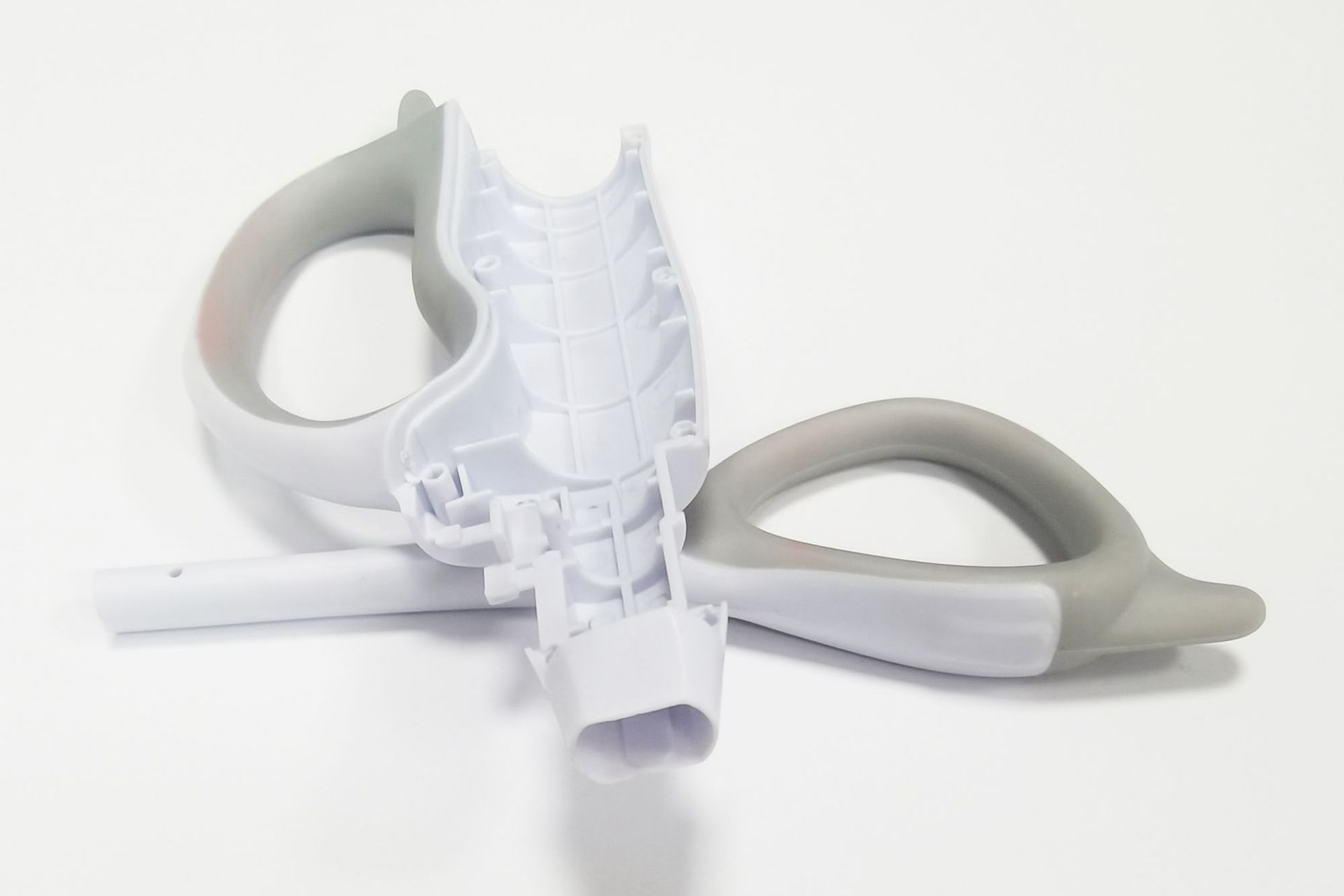
Overmolding is most valuable when the second material solves a real product problem. Common problems include slipping hands, edge impact, cable bending, moisture entry, vibration, user comfort, sealing, color identification, insulation, and reduced assembly steps. If the part only needs one rigid plastic material, plastic injection molding may be the simpler route.
Industry | Overmolded part types | Buyer requirement supported |
|---|---|---|
Automotive | Seals, grips, knobs, connectors, protective covers | Vibration control, sealing, wear resistance, and tactile function |
Medical device | Handles, device housings, buttons, seals, protective grips | Ergonomics, cleanable surfaces, grip, and controlled material selection |
Consumer electronics | Wearable housings, cable strain reliefs, buttons, protective edges | Shock absorption, soft touch, appearance, and compact assembly |
Industrial equipment | Tool handles, bumpers, switch covers, machine interfaces | Grip, impact protection, vibration damping, and wear control |
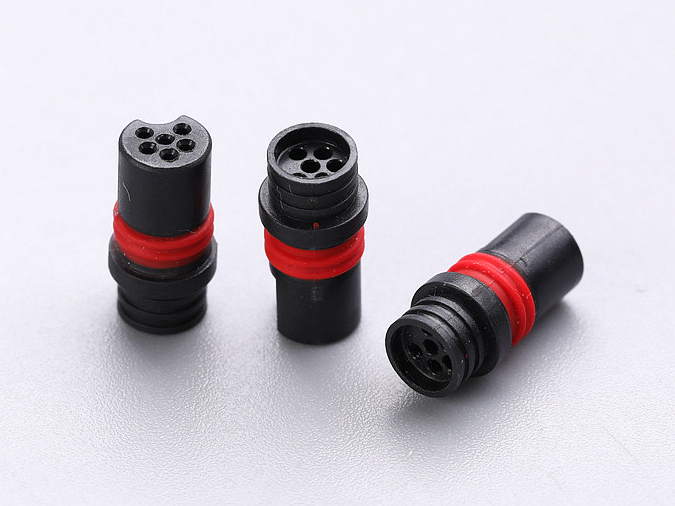
Connectors and energy equipment | Cable entries, gaskets, insulated housings, connector bodies | Sealing, strain relief, insulation, and environmental protection |
How does overmolding support automotive plastic parts?
Automotive applications benefit from overmolding when a plastic part needs sealing, vibration resistance, edge protection, or a tactile interface. Examples include knobs, handles, gaskets, connector seals, cable transitions, clips, protective covers, and soft-touch interior controls.
Automotive parts often see temperature change, vibration, UV exposure, cleaning fluids, oils, or repeated handling. The RFQ should identify the exposure environment and the test method. An overmolded automotive part should not be specified only by appearance; the material pair and durability requirement must be clear.
For automotive RFQs, buyers should define substrate resin, overmold material, hardness target, chemical exposure, assembly load, cosmetic surface, and whether the part is a prototype, validation build, bridge order, or production component.
Why do medical-device components use overmolding?
Medical-device components may use overmolding for ergonomic grips, sealed buttons, soft-touch handling areas, protective housings, and controlled interfaces between rigid and flexible materials. The benefit is often improved handling, easier assembly, or protection of a sensitive component.
Medical device projects require careful material review. Buyers should define cleaning exposure, skin contact, sterilization exposure if applicable, color requirements, traceability needs, and product validation requirements. The supplier can support manufacturability review, but the buyer remains responsible for final regulatory and end-use validation.
Overmolding for medical-device parts should not assume that a soft material is suitable only because it is moldable. The material grade, bonding, surface finish, and acceptance testing must match the device's use case.
How does overmolding help consumer electronics and connectors?
Consumer electronics benefit from overmolding when a compact product needs soft-touch surfaces, impact protection, cable strain relief, sealed buttons, color contrast, or a protective edge. Overmolding can help reduce separate assembly steps in small enclosures and wearable devices.
Consumer electronics buyers often care about appearance, tactile feel, assembly fit, drop resistance, and environmental protection. The RFQ should mark visible surfaces, acceptable parting lines, color targets, surface texture, and any sealing or drop-test requirements.
Connector and cable applications need special attention to strain relief, insulation, sealing, and pull resistance. The overmold design should support the cable or contact transition without creating stress concentration at the edge of the overmold.
Where do industrial, energy, and aerospace applications use overmolding?
Industrial equipment, energy equipment, and aerospace support applications use overmolding when parts face repeated handling, vibration, dust, moisture, impact, or electrical insulation requirements. Examples include ruggedized grips, sensor housings, switch covers, cable transitions, bumpers, gaskets, and protective interfaces.
Energy and aerospace applications often require documented material selection, clear inspection requirements, and environmental validation. Buyers should state operating temperature range, fluids or chemicals, vibration, UV exposure, and whether the overmolded feature is cosmetic or function-critical.
For industrial tools and equipment, overmolding may improve grip and protect edges, but the overmold layer must resist wear, oils, cleaning chemicals, and repeated impact. A material that feels good in a sample may not be durable enough for the final service environment without testing.
When should an industry use overmolding instead of injection molding?
An industry should use overmolding instead of single-material injection molding when the second material provides a function that one resin cannot provide efficiently. Strong reasons include sealing, grip, impact absorption, electrical insulation, soft-touch interface, cable strain relief, vibration damping, and integrated assembly.
Overmolding may not be the best choice if the second material is only decorative, if the substrate and overmold are not compatible, or if the product does not justify added tooling and validation complexity. In those cases, a textured single-material molded part, assembled gasket, insert molding, or secondary operation may be more practical.
The decision should come from the product requirement. Buyers should explain the failure mode they want to prevent, such as slipping, cracking, water entry, cable fatigue, impact damage, or assembly loosening. The supplier can then evaluate whether overmolding is the correct route.
What RFQ information helps industry-specific overmolding projects?
An industry-specific overmolding RFQ should include the application, substrate material, overmold function, target material family, operating environment, expected validation test, cosmetic standard, production stage, and any compliance requirement. This information helps the supplier choose a material pair and tooling route that matches the industry risk.
RFQ item | Why it matters by industry | Manufacturing decision supported |
|---|---|---|
Application and failure mode | Shows whether the part needs grip, seal, cushioning, insulation, or strain relief | Overmold geometry and material function |
Substrate and overmold material | Controls bonding, shrinkage, hardness, and durability | Material pair and tool sequence |
Operating environment | Defines heat, UV, moisture, oil, cleaning, and vibration exposure | Material testing and acceptance criteria |
Visible and tactile surfaces | Clarifies cosmetic and user-contact requirements | Gate, parting line, texture, and inspection plan |
Industry validation requirement | Identifies compliance or customer approval needs | Sampling, testing, and documentation planning |
Related FAQs