Tough as Nails: How Over Molding Fortifies Products Against Life’s Knocks
Overmolding Product Durability RFQ Decision explains how the overmolding process can improve durability for handheld housings, grips, buttons, seals, protective covers, and impact-prone plastic assemblies. The buyer decision is whether to mold TPE, TPU, silicone rubber, or another elastomer over a rigid plastic or metal substrate instead of using separate pads, adhesives, or mechanical covers. The practical RFQ problem is that impact resistance, bond strength, material compatibility, cosmetic requirements, and inspection criteria must be clear before overmolding tooling and production risk can be reviewed.
How Does Overmolding Improve Product Durability?
Overmolding improves durability by adding a functional outer layer to a structural substrate. The rigid substrate provides shape, fastening strength, and dimensional stability, while the molded elastomer layer can support impact absorption, grip, sealing, vibration damping, or scratch resistance.
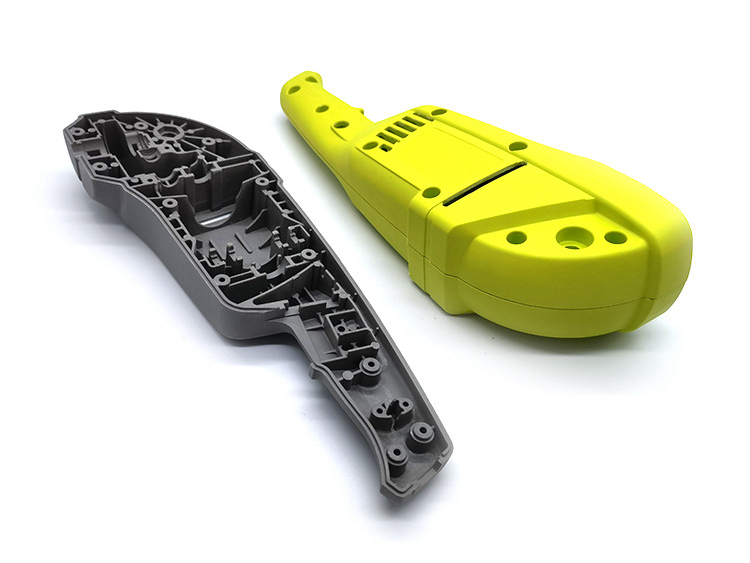
The engineering value depends on the service environment. A power tool grip may need impact resistance and sweat resistance, a handheld electronic enclosure may need drop protection and texture control, and a medical device housing may need controlled tactile feel and cleanable surfaces. The RFQ should describe the expected handling, impact, chemical exposure, cleaning method, and cosmetic surface expectations so the overmolded layer can be evaluated as a working feature rather than only a soft exterior.
Durability should not be treated as a general claim. For an overmolded part, durability is usually controlled by substrate stiffness, elastomer hardness, overmold thickness, surface preparation, bond area, gate location, cooling balance, and inspection criteria. Buyers should define which failure mode matters most: peeling, cracking, deformation, wear, water ingress, grip loss, or cosmetic damage.
Which Substrate and Overmold Material Pair Should Buyers Review?
The first buyer question is material compatibility. An overmolded part can fail early if the soft material does not bond reliably to the substrate or if the substrate deforms during the second molding stage.
Common substrate materials include ABS, PC, PA, PP, and metal inserts. Common overmold materials include TPE and TPV, TPU, and silicone rubber materials selected for the buyer's application. Material choice affects bond behavior, feel, wear resistance, processing temperature, color stability, and exposure resistance.
Overmolding Material Decision | Durability Factor | RFQ Information Needed |
|---|---|---|
Rigid substrate such as ABS, PC, PA, PP, or metal | Dimensional stability, insert retention, and heat response during molding | Substrate material grade, drawing, critical datum surfaces, and assembly load |
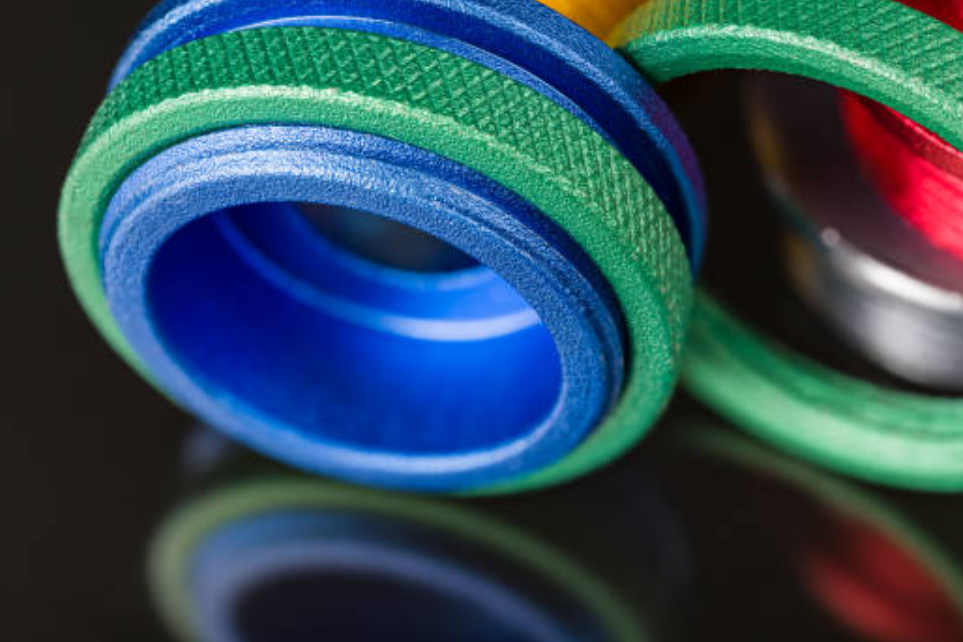
TPE or TPV overmold | Grip feel, surface texture, flexibility, and bond behavior | Target hardness range, texture requirement, contact surface, and expected environment |
TPU overmold | Abrasion resistance, tear resistance, and elastic recovery | Wear location, bending area, edge exposure, and cosmetic acceptance criteria |
Silicone rubber overmold | Temperature response, sealing behavior, and soft-touch performance | Cleaning method, sealing surface, contact requirement, and regulatory expectations if applicable |
Material review should include both the final use condition and the molding sequence. If the substrate cannot tolerate the second-shot temperature or clamping condition, the overmolding process may need a different resin, insert design, tool concept, or manufacturing route.
When Does Overmolding Work Better Than Separate Assembly?
Overmolding works better than separate assembly when the soft feature must stay aligned, resist peeling, reduce part count, or protect a high-contact surface. The molded interface can remove adhesive application, secondary pad placement, and manual alignment from the production route.
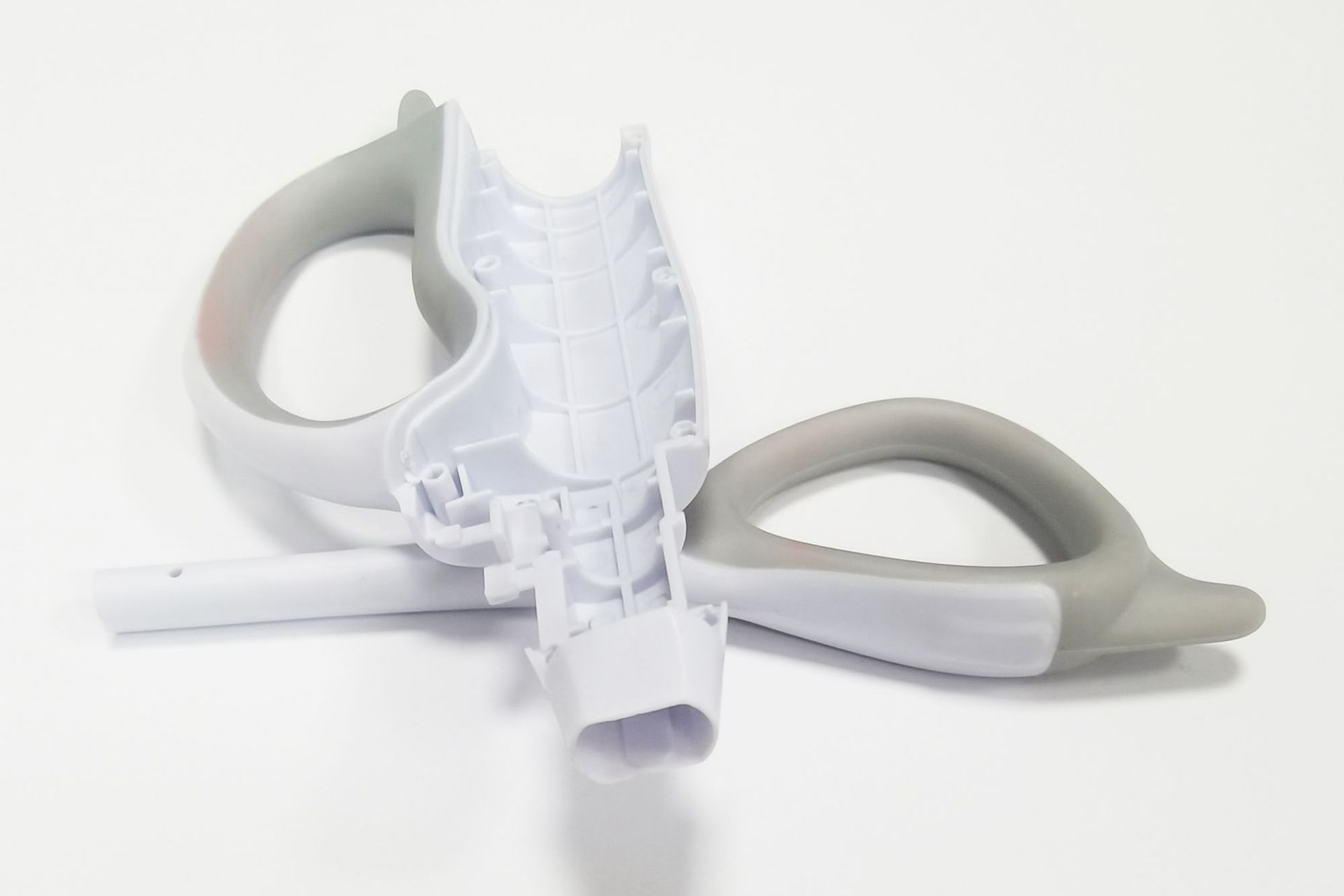
For many power tool and handheld device parts, the overmolded grip is not only a cosmetic cover. The elastomer layer can protect edges, improve handling, and reduce localized stress during repeated use. In consumer electronics, overmolding may support buttons, seals, cable strain relief, or protective shells where repeatable placement matters.
Separate assembly may still be more practical when the soft component needs frequent replacement, when a very large soft area would increase tooling risk, or when the substrate and elastomer cannot form a reliable interface. The RFQ should identify whether the buyer is trying to reduce assembly labor, improve impact resistance, improve sealing, improve ergonomic feel, or combine several of these goals.
What Part Features Control Overmolding Durability?
Part geometry controls overmolding durability because the soft layer must fill, bond, cool, and release without creating weak edges. Thin edges, sharp transitions, undercuts, and isolated soft islands can increase peeling risk or cosmetic defects.
Good overmolding design usually gives the elastomer enough bond area, controlled edge transitions, and mechanical retention features where appropriate. Shutoff surfaces must be clear because flash on a grip, seal, or button can become both a cosmetic and functional issue. Gate location also matters because weld lines, flow hesitation, and knit marks may appear in high-wear zones if the flow path is not reviewed early.
Overmolded Part Feature | Manufacturing Risk | Buyer Decision Before Quotation |
|---|---|---|
Soft grip around a rigid handle | Peeling at exposed edges or weak bonding around corners | Define grip coverage, edge transition, surface texture, and acceptable cosmetic line |
Elastomer seal on a housing | Flash, compression variation, or leakage at shutoff areas | Define sealing surface, compression direction, inspection method, and mating part condition |
Button or soft-touch pad | Short shot, uneven feel, or poor return behavior | Define actuation area, hardness expectation, appearance zone, and functional test requirement |
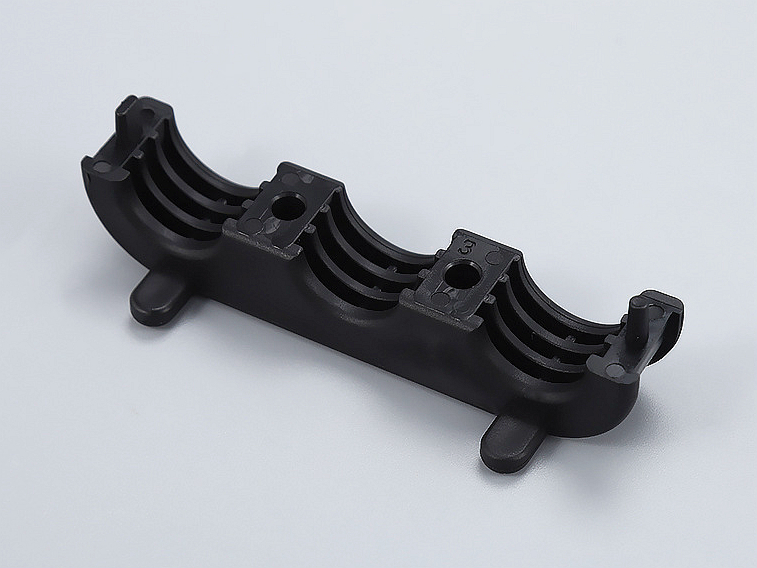
Metal or plastic insert with overmold | Insert movement, substrate deformation, or exposed insert edges | Define insert datum, holding method, critical dimensions, and visual acceptance criteria |
If the overmolded feature is used for protection, buyers should avoid leaving the protection goal undefined. A drop-protection feature, a sealing feature, and a soft-touch cosmetic feature need different geometry, material, and inspection logic.
How Should Buyers Specify Bond Strength, Surface Feel, and Inspection?
Buyers should specify acceptance criteria in terms that can be checked during sampling and production. Overmolding durability is easier to control when the drawing and RFQ identify the critical bond areas, visual zones, contact surfaces, and functional tests.
Bond strength can be affected by material chemistry, substrate surface condition, molding temperature, cavity pressure, and part storage before the second shot. Surface feel can be affected by hardness, texture, gloss, and local thickness. Inspection may include visual review for flash and short shots, dimensional inspection of critical interfaces, functional checks for button travel or seal compression, and buyer-defined durability validation when the application requires it.
For parts made through plastic injection molding before the second-shot overmold, buyers should share substrate material grade and molded-part condition. For overmolding around a pre-placed metal or molded component, insert molding considerations such as insert location, retention, and thermal response may also affect the manufacturing review.
What RFQ Details Help Neway Review an Overmolded Part?
A useful overmolding RFQ should connect the part drawing to the durability requirement. The quotation review needs more than a 3D model because material behavior, interface design, and validation expectations can change tooling strategy and process risk.
RFQ Item for Overmolding | Why It Matters for Durability | Typical Manufacturing Review |
|---|---|---|
3D model and 2D drawing | Shows bond surfaces, shutoffs, datum points, and critical dimensions | Tooling concept, parting line, gate position, and inspection plan |
Substrate material and overmold material | Controls bond behavior, heat response, flexibility, and surface wear | Material compatibility, processing sequence, and sample risk |
Application environment | Connects material selection to impact, abrasion, fluids, cleaning, or outdoor exposure | Material recommendation, validation discussion, and cosmetic risk review |
Critical functional surfaces | Identifies where peeling, flash, or thickness variation would affect use | Shutoff design, local thickness review, and inspection fixture planning |
Annual volume and production stage | Influences tooling approach, sampling depth, and production control plan | Prototype route, pilot run planning, and mass production process control |
When durability validation is required, the buyer should define the acceptance method. Neway can review moldability and manufacturing feasibility, while final application validation should be tied to the buyer's product specification and use environment.
When Is Overmolding Not the Best Durability Route?
Overmolding may not be the best route when material compatibility is weak, when the soft layer must be replaced after wear, or when the design does not provide enough bond area. In those cases, a separate gasket, mechanical fastener, assembled cover, or different material route may be more suitable.
Overmolding also needs careful review when the part has very tight cosmetic boundaries, large soft areas with uneven thickness, deep undercuts, or high exposure at the overmold edge. These conditions can increase tooling complexity, scrap risk, and sampling iterations. A buyer should state the main durability target before deciding whether the overmolding process is the correct route.
The decision is strongest when the soft material is a functional part of the product architecture. If the elastomer layer only hides a surface without improving grip, sealing, impact resistance, or assembly efficiency, the buyer should compare overmolding with painting, coating, pad printing, adhesive bonding, or a separate molded component.
What Neway Precision Reviews Before Overmolding Production?
Neway Precision reviews overmolded parts by connecting substrate design, elastomer selection, tooling concept, molding sequence, and inspection requirements. The review focuses on whether the overmolded feature can be produced consistently while meeting the buyer's functional and appearance criteria.
For durability-focused RFQs, Neway typically reviews substrate material, overmold material, bond area, edge transitions, shutoff surfaces, gate location, surface texture, insert positioning, expected production volume, and buyer-defined acceptance criteria. This review helps identify whether overmolding, insert molding, or a different injection molding route should be evaluated.
Buyers can improve quotation accuracy by providing material preferences, drawings, assembly context, appearance zones, and functional validation requirements. Clear RFQ data helps the engineering and tooling review identify risks before tooling, sampling, and production planning begin.
Related FAQs
What factors should be considered when selecting materials for over molding?
Which materials are best suited for the overmolding process?
Are there any limitations or challenges associated with overmolding?
How does overmolding differ from traditional injection molding?
Is over molding suitable for both low and high volume production?
Are there specific design considerations when planning for overmolding production?