Which materials are commonly used for metal injection molding parts?
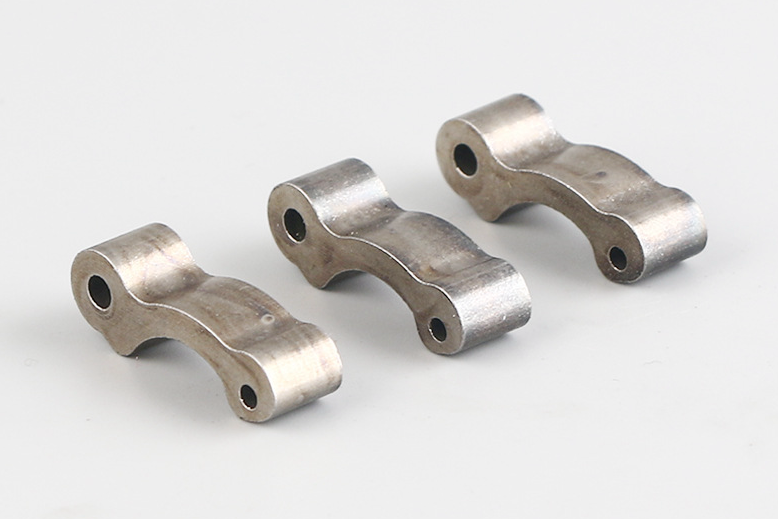
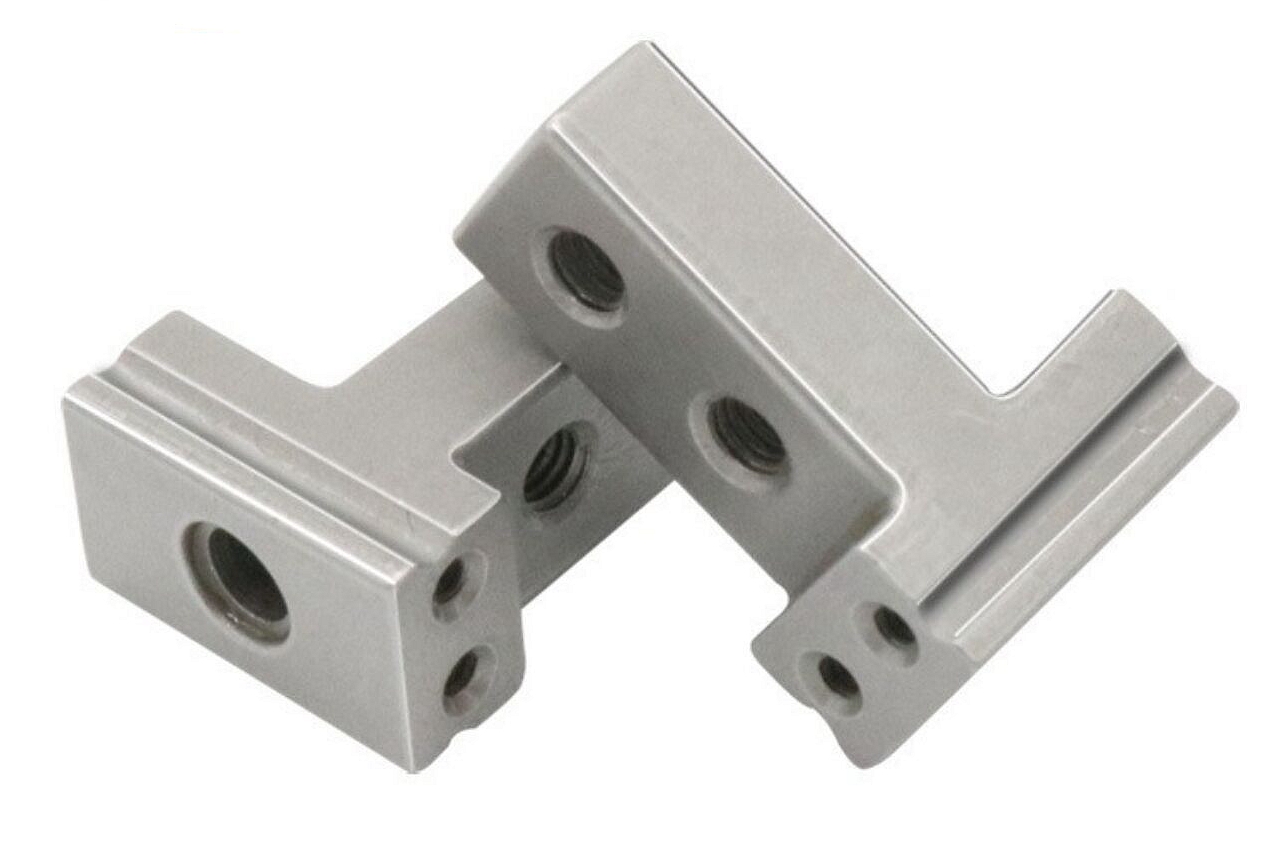
Common materials for metal injection molding parts include stainless steels, low alloy steels, tool steels, soft magnetic alloys, tungsten alloys, titanium alloys, and cobalt alloys when the powder system, sintering route, and application requirements are suitable. Material selection for metal injection molding should start from corrosion resistance, strength, hardness, wear, density, magnetic behavior, heat exposure, surface finish, and regulatory needs. The practical RFQ problem is to choose a MIM material that can meet the part function without adding avoidable secondary operations or cost.
Which materials are commonly used for metal injection molding parts?
The most common MIM material families are stainless steel, low alloy steel, tool steel, soft magnetic alloy, tungsten alloy, titanium alloy, and cobalt alloy. Each material family supports a different buyer decision, so the material should be selected by function rather than by name alone.
Buyers should provide the required performance instead of only asking for a material list. A medical component, lock part, motor component, gear, RF connector, and miniature structural bracket may all use MIM, but each part may need a different material and validation plan.
MIM Material Family | Typical Requirement | Common MIM Part Examples |
|---|---|---|
Stainless steel | Corrosion resistance, strength, surface finish, and medical or industrial durability | Surgical parts, consumer hardware, lock parts, brackets, and precision housings |
Low alloy steel | Strength, wear resistance, heat treatment response, and structural performance | Gears, levers, linkages, mechanical parts, and power tool components |
Tool steel | Hardness, wear resistance, edge retention, or high contact stress | Cutting elements, wear parts, small tool components, and precision inserts |
Soft magnetic alloy | Magnetic response, electrical performance, and motor or sensor function | Motor parts, magnetic cores, sensor parts, and electromagnetic components |
Tungsten alloy | High density, balance weight, radiation shielding, or compact mass | Counterweights, dense inserts, shielding parts, and miniature high-density parts |
Titanium or cobalt alloy | Biocompatibility, corrosion resistance, heat resistance, or demanding service environment | Medical parts, aerospace-related components, and specialized industrial parts |
When should buyers choose stainless steel MIM materials?
Buyers should choose stainless steel MIM materials when the part needs corrosion resistance, stable mechanical performance, clean surface finishing, and good durability. Stainless steel MIM parts are common in medical devices, consumer products, lock hardware, electronic components, and precision industrial assemblies.
Common stainless steel MIM choices may include 17-4 PH, 316L, 420, and other grades depending on hardness, corrosion resistance, polishability, and strength. The exact grade should match the operating environment, not only the part shape.
For stainless steel selection, see stainless steel grades used in OEM metal injection molding services and why stainless steel parts fit metal injection molding.
When do low alloy steel, tool steel, and wear-resistant materials fit MIM?
Low alloy steel and tool steel can fit MIM when the part needs strength, wear resistance, hardness, or heat treatment response. These materials are often considered for gears, pawls, levers, latch parts, small mechanical transmission components, and high-load miniature metal parts.
The engineering reason is that MIM can form complex small shapes before sintering, while heat treatment or secondary finishing can tune the final performance. Buyers should define load, contact stress, wear surface, hardness target, and lubrication environment before quotation.
For gear and high-load applications, see materials and heat treatments for gears under high-frequency impact loads.
When are tungsten, titanium, cobalt, and magnetic alloys used in MIM?
Tungsten alloys are used when a small part needs high density or compact mass. Titanium alloys may be considered when low weight, corrosion resistance, or biocompatibility matters. Cobalt alloys may be considered for wear, heat, or specialized medical and industrial requirements. Soft magnetic alloys are used when magnetic response must be controlled.
These material systems require careful RFQ detail because powder cost, sintering behavior, density targets, heat treatment, and inspection methods can differ significantly from common stainless steel MIM. Buyers should provide application conditions and performance requirements early.
For magnetic and high-temperature material planning, see protecting soft magnetic properties during manufacturing and materials for continuous high-temperature internal structures.
How do material properties affect MIM cost and process control?
Material properties affect MIM cost and process control because each powder system has different feedstock behavior, debinding requirements, sintering shrinkage, density control, heat treatment response, and inspection needs. More demanding materials may require tighter process control and more quality evidence.
Buyers should not compare MIM materials only by raw material price. A material that reduces secondary machining, finishing, scrap, or assembly can lower the total manufacturing cost even when the powder price is higher.
Material Property | Manufacturing Impact | RFQ Detail To Provide |
|---|---|---|
Corrosion resistance | Affects stainless steel grade, passivation, coating, and testing | Environment, chemicals, humidity, and salt exposure |
Hardness and wear | Affects alloy, heat treatment, density, and surface finishing | Load, contact stress, wear surface, and hardness target |
Magnetic behavior | Affects alloy choice, sintering, heat treatment, and magnetic testing | Magnetic property target and operating condition |
High density | Affects tungsten alloy selection, sintering, and dimensional control | Density target, part weight, and balance requirement |
Biocompatibility | Affects material grade, traceability, surface finish, and documentation | Medical use case, sterilization method, and regulatory requirement |
What RFQ details help Neway select a MIM material?
Buyers should provide 3D CAD, 2D drawings, required material grade if known, operating environment, strength requirement, hardness target, corrosion requirement, magnetic requirement, density requirement, surface finish, heat treatment, inspection documents, and annual volume. These inputs help Neway confirm whether the material can be processed through MIM.
If the material is not fixed, buyers should provide the function and failure risks. Neway can then review stainless steel, low alloy steel, soft magnetic alloy, tungsten alloy, titanium alloy, cobalt alloy, or other suitable MIM materials against the part's performance needs.
For broader material reference, see MIM materials and materials suitable for metal injection molding.
Related FAQs
Which stainless steel grades are commonly used in OEM metal injection molding services?
Why are stainless steel parts a good fit for metal injection molding?
What materials and surface treatments suit steam-sterilized surgical instruments?
Which materials fit continuous high-temperature internal structures?
How can soft magnetic properties be protected during manufacturing?
What materials and heat treatments suit gears under high-frequency impact loads?
How should buyers choose materials and treatments for outdoor lock corrosion resistance?