What types of parts are best suited for metal injection molding services?
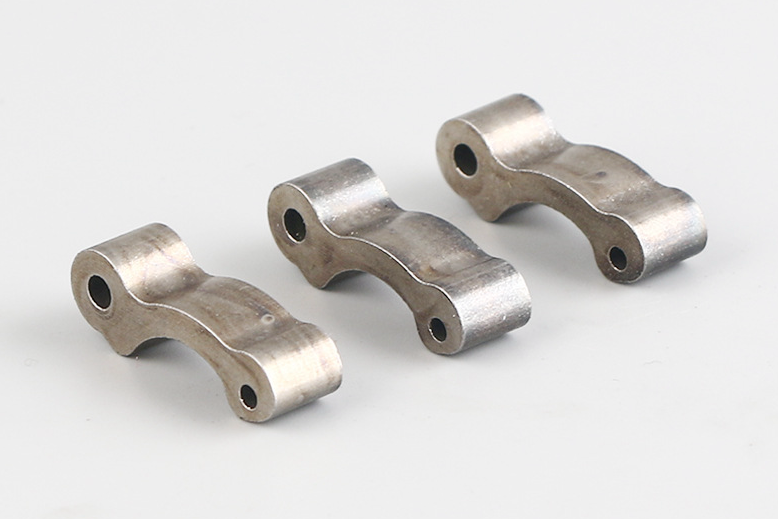
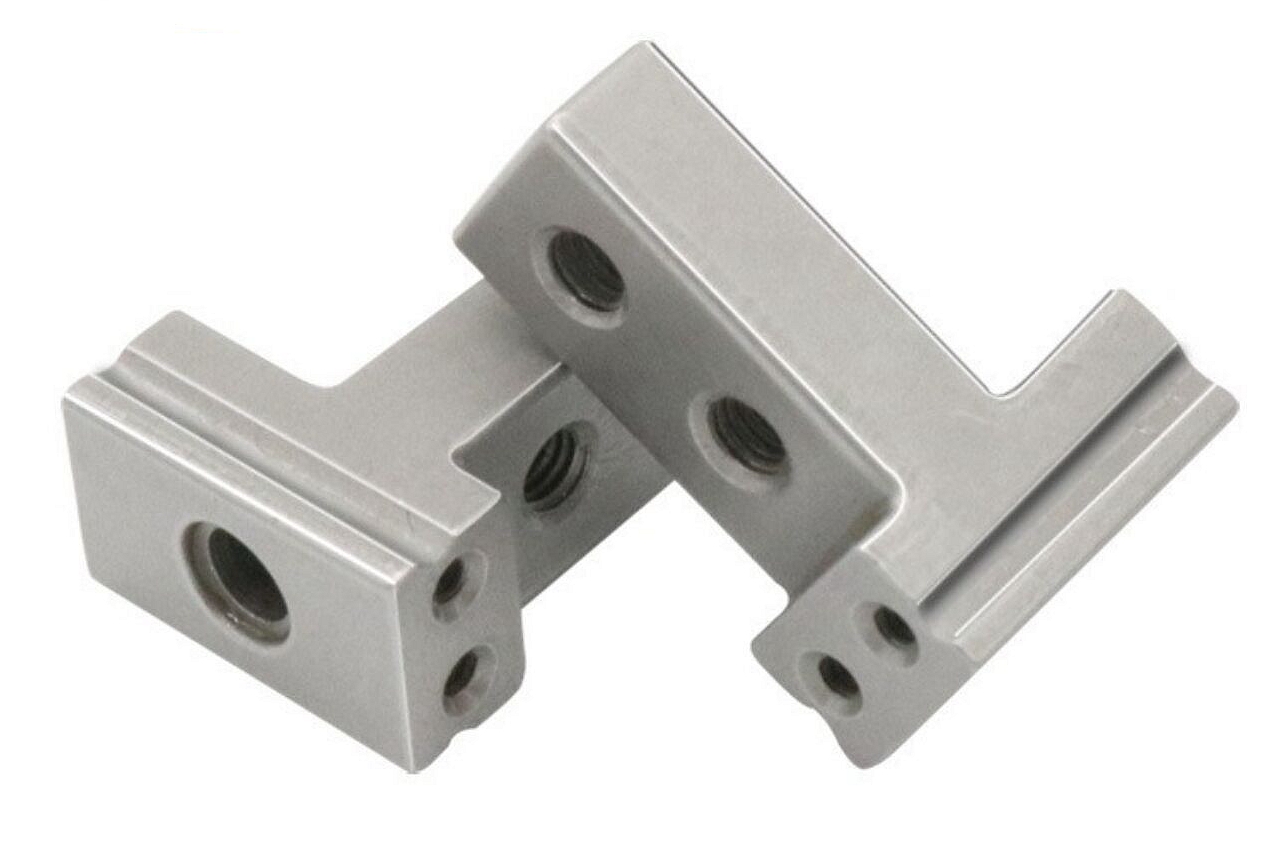
Metal injection molding services are well suited for small, complex metal parts that need repeatable geometry, efficient material use, and medium- to high-volume production. Typical MIM candidates include stainless steel brackets, clips, gears, hinges, lock parts, medical components, electronic hardware, miniature structural parts, and other custom metal parts with fine features. The practical RFQ problem is to decide whether metal injection molding can replace CNC machining, investment casting, or multi-part assembly for the required material, tolerance, geometry, and production volume.
What types of parts are best suited for metal injection molding services?
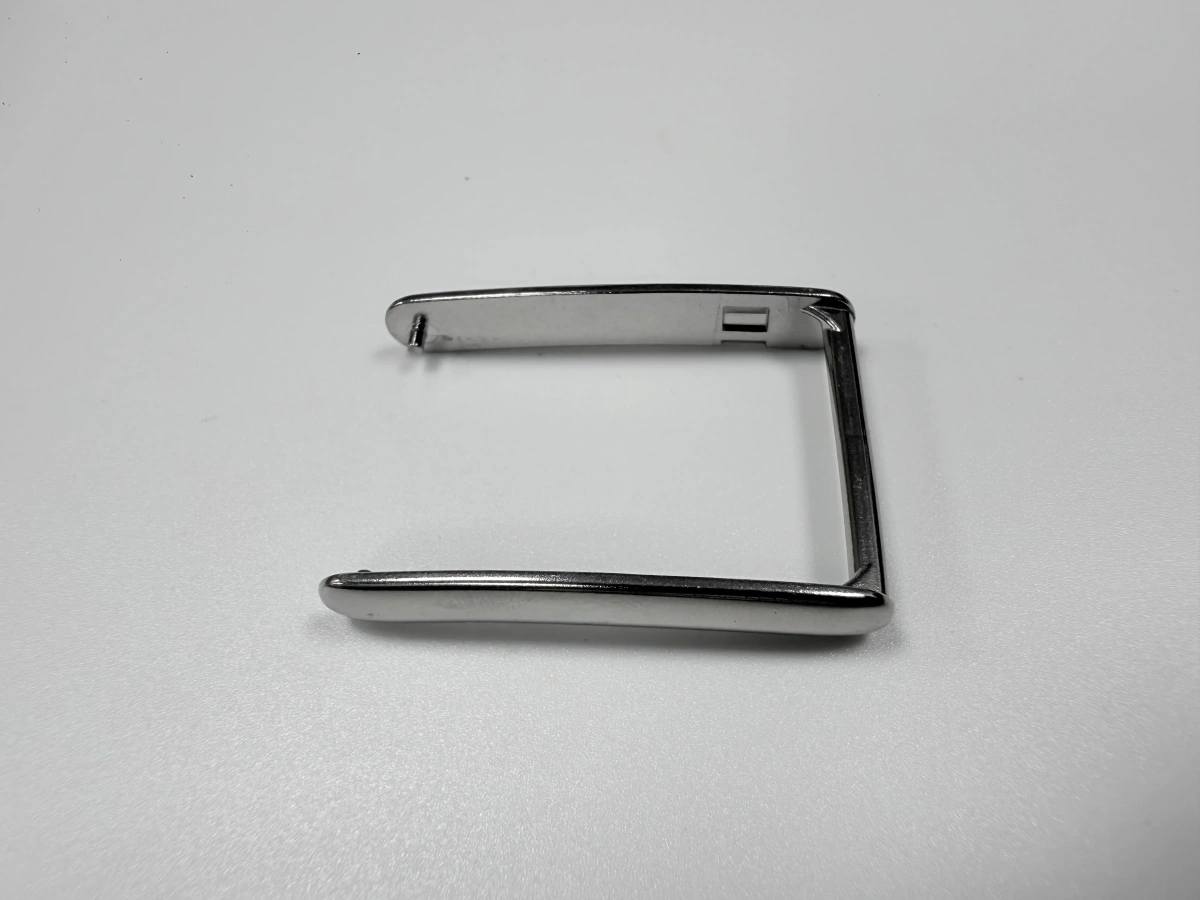
MIM is suitable for parts that are small enough for injection molding, complex enough to benefit from near-net-shape forming, and produced in enough quantity to justify tooling. The process is strongest when the part needs real metal properties but would be expensive to machine from bar stock at production volume.
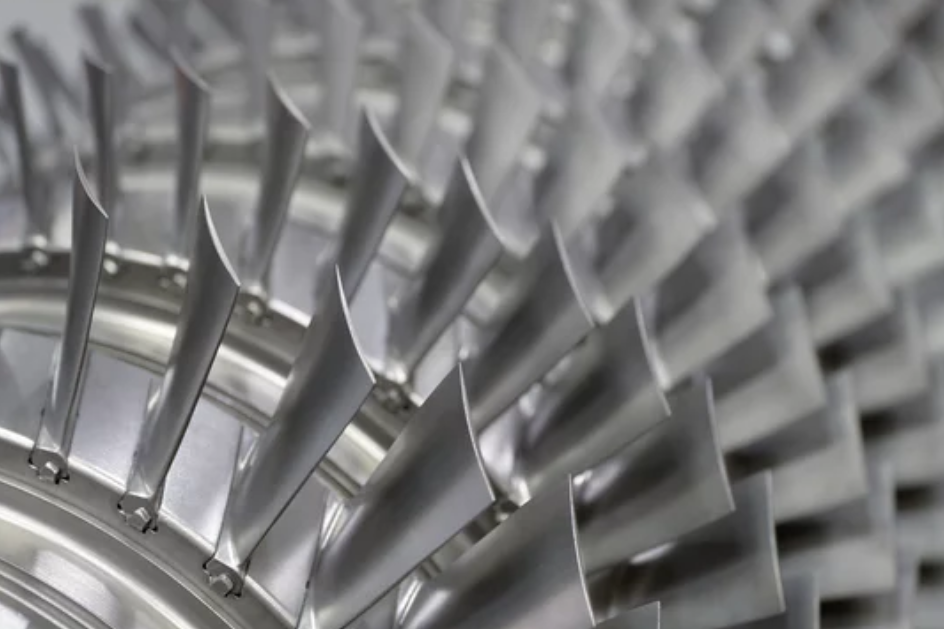
Buyers should evaluate MIM when the part has thin walls, small holes, ribs, slots, curved surfaces, internal features, fine details, or multiple functions that could be integrated into one molded metal component.
MIM Candidate Feature | Why It Fits Metal Injection Molding | RFQ Decision Supported |
|---|---|---|
Small complex geometry | Injection molding can form fine details before debinding and sintering | Whether MIM can reduce CNC machining time or part count |
High-volume metal parts | Tooling cost can be spread across repeat production | Whether annual volume supports MIM tooling investment |
Material-efficient designs | Near-net-shape forming reduces machining waste | Whether MIM can lower material loss for small precision parts |
Repeatable precision features | Controlled feedstock, tooling, debinding, sintering, and inspection support consistency | Whether MIM can meet dimensional and batch quality needs |
Multi-function components | Ribs, bosses, holes, hooks, and attachment features can be integrated | Whether MIM can replace assemblies or secondary operations |
Which part sizes and geometries fit MIM?
MIM usually fits small to medium-small metal components with complex geometry. Parts that are very large, very thick, or very simple may not justify the process because molding, debinding, sintering, and shrinkage control add manufacturing steps.
Good MIM geometries often include thin sections, small holes, fine teeth, curved profiles, complex contours, and features that would require multiple CNC setups. Buyers should flag critical datum surfaces, threads, and tight tolerance features because some features may still need secondary machining after sintering.
For process use cases, see what metal injection molding is used for and applications of thin-walled MIM parts.
Which materials and performance needs fit metal injection molding?
MIM can support stainless steels, low alloy steels, soft magnetic alloys, tungsten alloys, and other suitable metal powder systems depending on the application. Buyers should define corrosion resistance, strength, wear resistance, magnetic behavior, hardness, heat exposure, biocompatibility, or surface finish requirements before quotation.
The material decision matters because feedstock, sintering behavior, shrinkage, heat treatment, and secondary operations affect final part performance. A stainless steel MIM medical part, a soft magnetic motor component, and a wear-resistant lock part need different material and inspection plans.
For material selection, see materials suitable for metal injection molding and MIM materials.
When does production volume make MIM economical?
Production volume makes MIM economical when tooling, feedstock preparation, debinding, sintering, and process development can be spread across enough parts. MIM is usually less attractive for one-off samples but can become attractive for repeat production of small complex parts.
The RFQ should include prototype quantity, pilot lot, annual demand, lifetime volume, and batch schedule. These details help Neway compare MIM with CNC machining, investment casting, die casting, stamping, or assembly.
For cost and volume planning, see why custom MIM services are suitable for high-volume production and how production volume affects MIM unit cost.
Which tolerance and secondary operation needs should buyers review?
Buyers should review tolerance and secondary operation needs before choosing MIM. The MIM process includes shrinkage during sintering, so critical dimensions, flatness, threads, sealing surfaces, and datum relationships must be defined early.
MIM can produce repeatable features, but tight tolerance holes, threaded surfaces, bearing seats, or sealing faces may need secondary machining. Inspection may include CMM, gauges, density checks, hardness testing, surface finish review, or functional tests.
Buyer Requirement | MIM Planning Issue | RFQ Detail To Provide |
|---|---|---|
Tight dimensions | Sintering shrinkage and datum control must be managed | Critical dimensions, tolerance bands, and inspection method |
Threads or bearing seats | May require secondary machining or insert strategy | Thread size, load, fit requirement, and machining allowance |
Visible surfaces | Surface texture, polishing, coating, or passivation may be needed | Cosmetic standard, finish type, and sample approval criteria |
Functional strength | Material, density, sintering, and heat treatment must match the load case | Load, wear, temperature, and hardness requirements |
Production consistency | Tooling, feedstock, debinding, sintering, and inspection must be stable | Annual volume, quality reports, and acceptance criteria |
What RFQ details help Neway confirm MIM suitability?
Buyers should provide 3D CAD, 2D drawings, material requirements, part weight target, critical dimensions, surface finish, annual volume, target process, functional loads, assembly requirements, inspection documents, and any current manufacturing pain points. These inputs help Neway confirm whether MIM is a practical manufacturing route.
The RFQ should also state whether the buyer wants to reduce CNC machining cost, consolidate multiple parts, improve repeatability, reduce material waste, or move from prototype to mass production. A clear buyer decision helps Neway compare MIM against other processes.
For quote and quality planning, see what OEM buyers should provide for custom stainless steel MIM parts and quality inspection methods for tight tolerance MIM components.
Related FAQs
What are the applications of thin-walled MIM parts across industries?
Why are custom metal injection molding services suitable for high-volume production?
How does production volume affect the unit cost of metal injection molded parts?
What tolerances can precision metal injection molding services typically achieve?
Can secondary machining improve tolerances for metal injection molded components?
What factors influence the cost of China metal injection molding services?