How does investment casting compare with other manufacturing process regarding aesthetics?
Investment casting compares well for aesthetic metal parts when the buyer needs curved geometry, fine cast detail, visible contours, cast logos, and finish-ready surfaces in alloys such as stainless steel, carbon steel, aluminum, copper alloy, cast titanium, or nickel-based alloy. The practical RFQ problem is deciding whether the aesthetic requirement is driven by shape, surface texture, coating, visible parting lines, machining marks, material choice, production volume, or inspection criteria.
How Should Buyers Compare Manufacturing Processes for Aesthetics?
Buyers should compare aesthetic manufacturing processes by part geometry, visible surface class, material grade, finish route, and production volume. Investment casting can form complex 3D contours and detailed surfaces before finishing. Sheet metal fabrication can create clean panels, covers, and bent forms. CNC machining can create controlled machined textures and sharp datums. Die casting can support high-volume aluminum or zinc-like appearance goals. Sand casting can support larger cast shapes where rougher texture is acceptable or can be machined away.
Aesthetic quality is not one feature. It may mean smooth touch feel, uniform matte texture, sharp lettering, low visible tool marks, consistent coating color, polished metal appearance, or a cast surface that does not show heavy grinding. The buyer should define the visual requirement before choosing the process.
Process | Aesthetic fit | Aesthetic risk | Buyer decision point |
|---|---|---|---|
Investment casting | Complex 3D contours, cast details, curved visible surfaces, broad alloy range | Gate marks, shell texture, polishing limits, and finishing variation | Use when shape and material matter as much as finish |
Sheet metal fabrication | Flat panels, bent covers, brackets, formed enclosures, clean edges | Bend marks, welds, seams, fasteners, and limited 3D sculpted geometry | Use when a thin formed part is acceptable |
CNC machining | Precision datums, machined patterns, flatness, sharp edges, controlled texture | Tool paths and long machining time on complex curved surfaces | Use for prototypes, low volume, or datum-heavy designs |
Aluminum die casting | High-volume external shapes and repeatable aluminum housings | Parting lines, ejector marks, porosity, and coating sensitivity | Use when volume and die-cast alloy fit the program |
Sand casting | Large cast forms where texture is secondary or machined later | Coarser surface texture and larger finishing allowance | Use for larger parts with less demanding visible surfaces |
When Does Investment Casting Give Better Visible Detail?
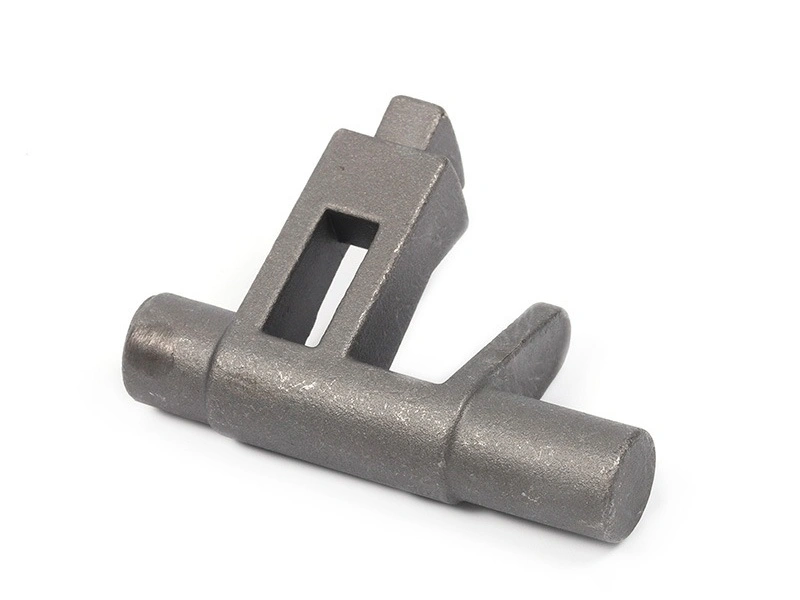
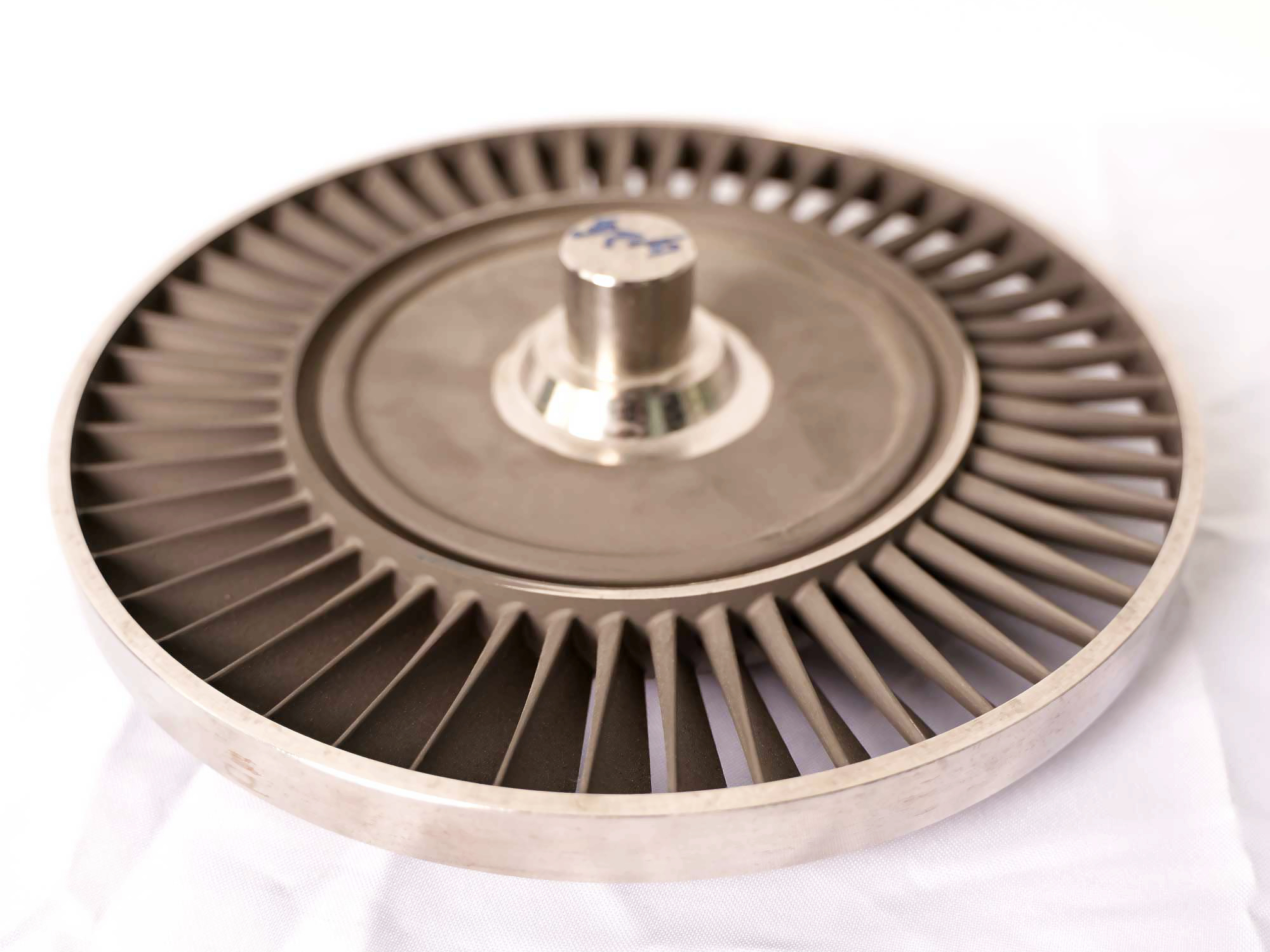
Investment casting gives better visible detail when the part has cast lettering, small ribs, curved transitions, rounded surfaces, integrated bosses, decorative contours, or complex shape that would be difficult to form from sheet or machine from solid stock. The wax pattern and ceramic shell can reproduce details before the part is machined or finished.
This does not mean every investment casting surface is ready for final appearance. Gate removal, ceramic shell texture, alloy behavior, heat treatment, and cut-off areas can affect the final surface. Polishing, blasting, tumbling, coating, or machining may still be required on visible areas.
For aesthetic process comparison RFQs, buyers should define visible surfaces, geometry complexity, material grade, volume, finish route, and inspection criteria before choosing investment casting. These inputs allow the supplier to compare the casting route against sheet metal, CNC machining, die casting, or sand casting.
How Does Investment Casting Compare With Sheet Metal Fabrication for Appearance?
Sheet metal fabrication is often suitable for panels, covers, brackets, enclosures, and formed parts made from flat sheet. Processes such as laser cutting and metal bending can create clean outlines, repeatable bends, and functional sheet structures.
Investment casting is more suitable when the visual surface is a sculpted 3D form rather than a folded sheet. Handles, hardware, housings, levers, medical instrument shapes, and complex industrial parts may need thickness transitions, rounded contours, bosses, and integrated features that sheet metal would require welding, fasteners, or multiple parts to create.
The buyer should decide whether seams, bends, weld marks, fasteners, and sheet edges are acceptable for the aesthetic target. If the part must look like a solid cast metal shape with continuous curves, investment casting may be the better candidate. If the part is a clean panel or formed enclosure, sheet metal may be more practical.
How Does Investment Casting Compare With CNC Machining for Aesthetic Metal Parts?
CNC machining can create precise edges, flat surfaces, patterned tool marks, controlled roughness, and tight datum features. CNC is often strong for prototypes, low-volume visible metal parts, and parts where machined texture is part of the design language.
Investment casting can be more efficient for aesthetic parts with deep curves, organic shapes, cast logos, internal contours, and geometry that would require long tool paths or multiple setups. The near-net casting forms the visual body, while machining can finish holes, faces, threads, sealing surfaces, and assembly datums.
Buyers should decide whether tool marks are acceptable or whether the part should have a cast, polished, blasted, or coated appearance. If the surface must be polished after machining or casting, the RFQ should identify which surface controls the appearance and which surface controls assembly fit.
How Does Investment Casting Compare With Aluminum Die Casting for Aesthetics?
Aluminum die casting can be suitable for high-volume housings, covers, brackets, and consumer or automotive parts when the design and die-cast alloy fit the program. Die casting can create repeatable exterior shapes, but parting lines, ejector marks, trimming, and porosity can influence the final visible surface and coating route.
Investment casting can support a broader alloy range, including cast stainless steel, carbon steel, cast titanium, copper alloy, aluminum, and nickel-based alloy. It may be selected when material identity, visible detail, or complex geometry does not fit a die-casting route.
The aesthetic decision should include production volume. Die casting is often evaluated for high-volume stable aluminum designs. Investment casting may suit lower-to-moderate volumes or alloy families that die casting does not cover. The RFQ should compare tooling, parting line, finish, coating, inspection, and volume together.
How Does Investment Casting Compare With Sand Casting for Surface Appearance?
Sand casting is useful for larger components, lower tooling constraints, and designs where a rougher cast surface is acceptable or where visible surfaces will be machined. It may be the practical choice for large housings, bases, or industrial parts where size matters more than fine cast detail.
Investment casting is generally better suited for smaller to medium precision parts where fine detail, smoother cast contours, and complex visible geometry matter. The ceramic shell route can reproduce features that would be difficult to achieve with a sand mold without additional machining or finishing.
Buyers should define acceptable surface texture, machining allowance, part size, material grade, and finish standard. A sand-cast part can be finished to meet many industrial needs, but if fine visible cast detail is a primary requirement, investment casting may reduce finishing effort.
Which Surface Finishes Help Each Process Meet Aesthetic Requirements?
Surface finishing can make several processes meet aesthetic requirements, but the base process still matters. Investment castings may use blasting, tumbling, polishing, passivation, electropolishing, PVD coating, plating, or powder coating. CNC parts may use as-machined texture, bead blasting, anodizing when aluminum is suitable, or coating. Sheet metal parts may use brushing, powder coating, painting, plating, or anodizing-related routes when the alloy and surface allow.
Polishing can improve visible surfaces, but it can also round edges and reveal porosity. Coatings can improve appearance or protection, but coating thickness can affect fit. Blasting can create a uniform matte texture, but it may affect threads, sealing faces, or delicate cast details.
The buyer should specify finish purpose: appearance, corrosion resistance, cleanability, wear behavior, coating adhesion, touch feel, or brand consistency. This keeps the aesthetic comparison grounded in manufacturing needs rather than broad visual claims.
What Should Buyers Include in an Aesthetic Process Comparison RFQ?
Buyers should include CAD data, a 2D drawing, target material, annual volume, visible surface map, finish requirement, roughness target if needed, coating or plating requirement, masking areas, machined datums, and inspection criteria. The RFQ should also identify whether the part is a consumer-facing component, industrial visible component, medical instrument, automotive part, or aerospace hardware.
The best aesthetic process choice depends on whether the part needs cast form, formed sheet geometry, machined precision, high-volume die-cast economics, or large sand-cast size. Investment casting is often strong when the buyer needs a solid metal appearance, complex geometry, and finish flexibility, but the final route should be chosen from the actual part data.
For regulated, safety-related, aerospace, or medical-device applications, aesthetic finish cannot override functional validation. The drawing, inspection plan, and buyer approval process should define final acceptance.
Related FAQs
How does investment casting compare with other manufacturing processes regarding aesthetics?
What types of surface finishes can be achieved with investment casting?
Are there limitations to the surface finishes that can be achieved with investment casting?
What new technologies are improving investment casting surface finish capabilities?
What makes investment casting ideal for creating complex geometries?