MIM 17-4 PH
カスタム部品向け MIM 17-4 PH ステンレス鋼
17-4 PH MIM の概要
MIM 17-4 PH MIM 17-4 PH は、小型の 金属射出成形部品 に使われる析出硬化系ステンレス鋼ルートです。強度、耐食性、熱処理応答、成形ディテールが必要な部品に向きます。実際のRFQ課題は正しい17-4 PH熱処理条件、加工代、表面仕上げ、検査計画を量産金型の前に決めることです。購入者はRFQ確定前に関連する 17-4 PH ステンレス MIM 材料ガイド も確認する必要があります。
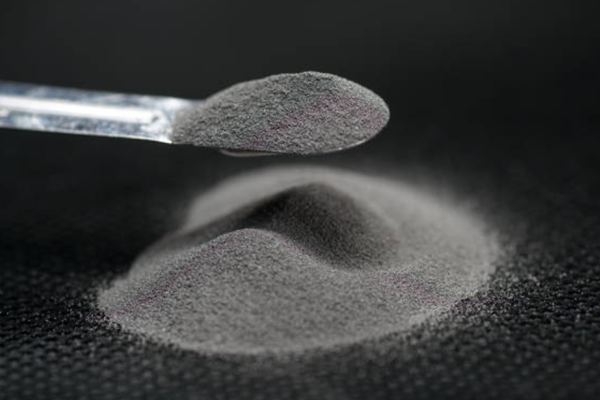
17-4 PH は Alloy 630、Type 630、UNS S17400 とも呼ばれます。合金名だけでは見積に十分ではありません。粉末成分、成形、脱脂、焼結、密度、時効条件、機械加工、パッシベーション、図面基準が最終状態を決めます。
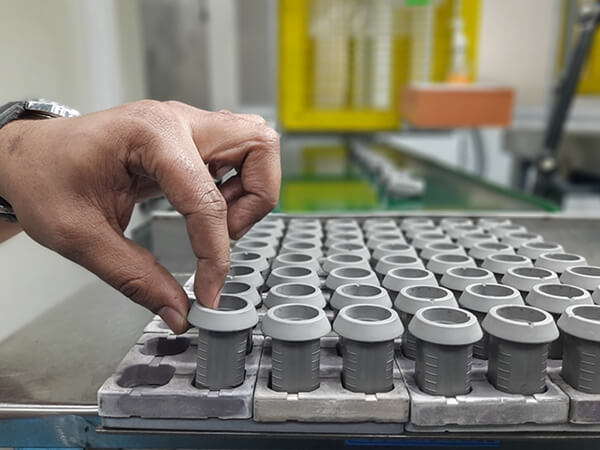
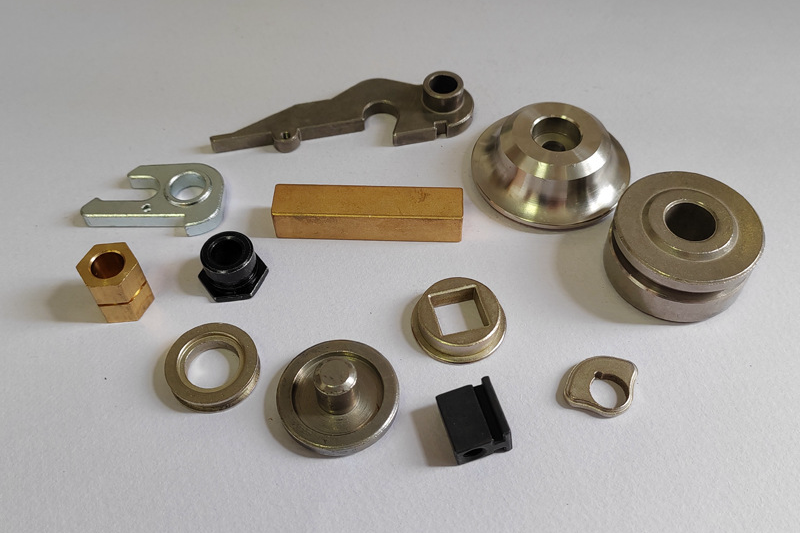
Neway は MIM 17-4 PH 部品を完整な製造ルートとして確認します。代表例は小型ギア、ラッチ、ヒンジ、レバー、電動工具部品、ブラケット、計測機器部品、小型ハウジングです。
MIM 17-4 PH の要点
Planning Item | MIM 17-4 PH Reference Information |
|---|---|
Designations | 17-4 PH, 17-4PH, Alloy 630, Type 630, UNS S17400 |
Material family | Martensitic precipitation-hardening stainless steel |
Best MIM fit | Small complex repeat-production parts with ribs, bosses, slots, bores, gear forms, levers, or compact stainless structural features |
Common final conditions | As-sintered, solution-treated where specified, H900, H1025, H1075, H1150, or another approved aging condition |
Representative density | Approximately 7.50 g/cm3 in published MIM supplier data; actual acceptance follows approved feedstock and qualification |
Common secondary operations | CNC machining, reaming, tapping, sizing, grinding, polishing, passivation, coating, hardness testing, CMM inspection, gauge checks, and first article reporting |
RFQ risk | Heat-treatment condition, shrinkage correction, long-span distortion, critical datums, thread strategy, gear inspection, corrosion exposure, and final supply condition |
Download PDF: MIM 17-4 PH Datasheet
17-4 PH が金属射出成形に適する理由
17-4 PH は、小さく複雑で繰り返し生産される部品に適しています。MIM はリブ、スロット、ボス、曲面、歯形、ポケット、コンパクトなアームを成形できます。
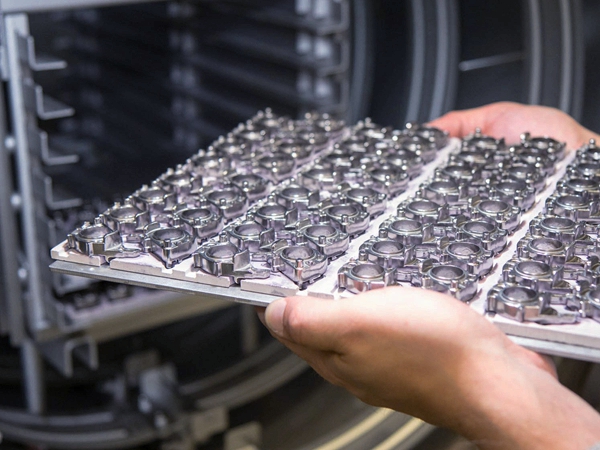
技術的な理由は、粉末成形と熱処理を組み合わせる点です。グリーン部品を脱脂、焼結し、その後の時効処理で強度と硬度を作ります。
RFQ では部品機能、年間数量、最終熱処理状態、腐食環境、摩耗面、重要寸法、検査証拠を明確にする必要があります。
MIM 17-4 PH の化学成分
以下の範囲は材料計画用の参考値です。最終受入は顧客図面、購買仕様、承認済み feedstock 証明書、認定データに従います。
Element | Typical Reference Range, wt.% | Material Role | RFQ Note |
|---|---|---|---|
Iron (Fe) | Balance | Base alloy matrix | Controlled by the approved powder and feedstock route |
Chromium (Cr) | 15.0-17.5 | Supports stainless corrosion and oxidation resistance | State the corrosion environment and passivation requirement |
Nickel (Ni) | 3.0-5.0 | Supports phase balance, toughness, and heat-treatment response | Finished properties depend on the selected condition |
Copper (Cu) | 3.0-5.0 | Contributes to precipitation hardening | Important for strength development during aging |
Niobium (Nb) | 0.15-0.45 | Supports precipitation behavior and alloy stabilization | Confirm against the approved feedstock certificate |
Carbon (C) | 0.07 max. | Affects carbide behavior, hardness, and processing control | Confirm when corrosion and heat-treatment behavior are critical |
MIM 17-4 PH の代表特性
機械特性は feedstock、焼結密度、形状、熱処理、試験方法に依存します。下表は設計限界ではなく比較用の参考値です。
Condition | Ultimate Tensile Strength | 0.2% Yield Strength | Elongation | Hardness | Density | RFQ Meaning |
|---|---|---|---|---|---|---|
Representative as-sintered condition | Approx. 900 MPa | Approx. 730 MPa | Approx. 7% | 35 HRC max. | Approx. 7.50 g/cm3 | Useful for early screening, but drawing acceptance still needs a stated final condition |
Representative H900 condition | Approx. 1220 MPa | Approx. 1100 MPa | Approx. 7% | Approx. 35-40 HRC | Approx. 7.50 g/cm3 | Often reviewed when high strength and hardness matter more than maximum toughness |
熱処理条件の選定
強度と硬度のための H900
H900 は高強度と高硬度が主目的の場合に検討されます。小型ギア、駆動部品、ロック部品に使えますが、靭性と寸法変化を確認する必要があります。
バランスのための H1025 と H1075
H1025 と H1075 は、構造強度、寸法安定性、靭性を同時に必要とする場合の出発点になります。
靭性と安定性のための H1150
H1150 は硬度を一部下げる代わりに靭性を高める条件で、振動や衝撃がある用途で検討されます。
MIM 17-4 PH 部品の設計注意点
肉厚と断面変化
均一な肉厚は成形、脱脂、焼結を安定させます。急な肉厚変化は反りや不均一収縮のリスクを高めます。
収縮と金型補正
MIM 金型は焼結収縮を考慮して大きく作ります。補正量は feedstock、形状、ゲート、炉内配置に依存します。
加工が必要な形状
ねじ、精密穴、軸受座、シール面、取付面、検査基準は焼結後加工が必要な場合があります。
熱処理と寸法移動
薄いアーム、長いスパン、非対称断面は時効中に動くことがあります。
表面仕上げとパッシベーション
パッシベーション、研磨、ブラスト、コーティング、洗浄は実際の使用環境に合わせて選びます。
MIM 17-4 PH が適する場合と適しにくい場合
Buyer Priority | Material or Process to Review First | Reason for the Decision |
|---|---|---|
Balanced strength, stainless behavior, and compact complex geometry | Good fit for small structural stainless parts with molded details and selected machined features | |
Chloride corrosion resistance and cleanliness are more important than strength | 316L is often the better corrosion-focused starting point for stainless MIM parts | |
Sliding wear and high hardness dominate the design | A hardenable wear-focused stainless grade may be more appropriate than 17-4 PH |
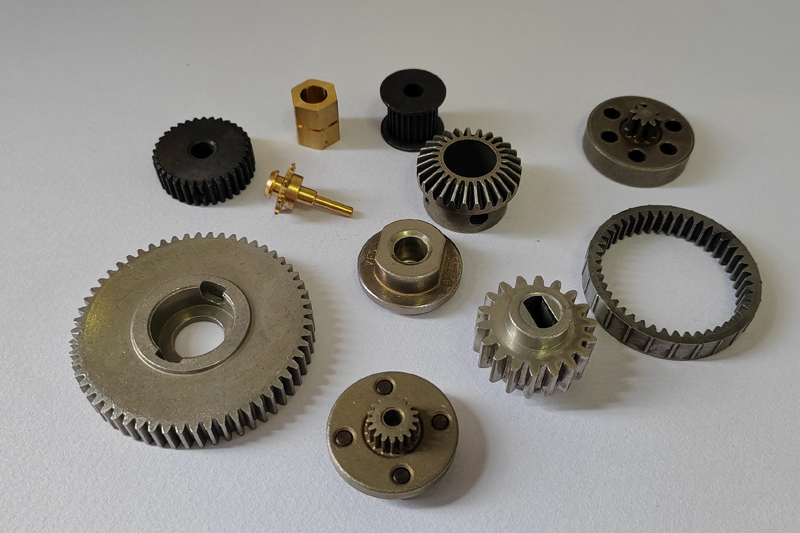
17-4 PH ギアと駆動部品
小型ギア、リングギア、ピニオン、カップリング、駆動部品は、成形歯形と熱処理ステンレス構造が必要な場合に代表的です。
ギアのRFQではトルク、歯面接触、振れ、相手材、潤滑、硬度、検査方法を一緒に定義します。
MIM 17-4 PH の代表用途
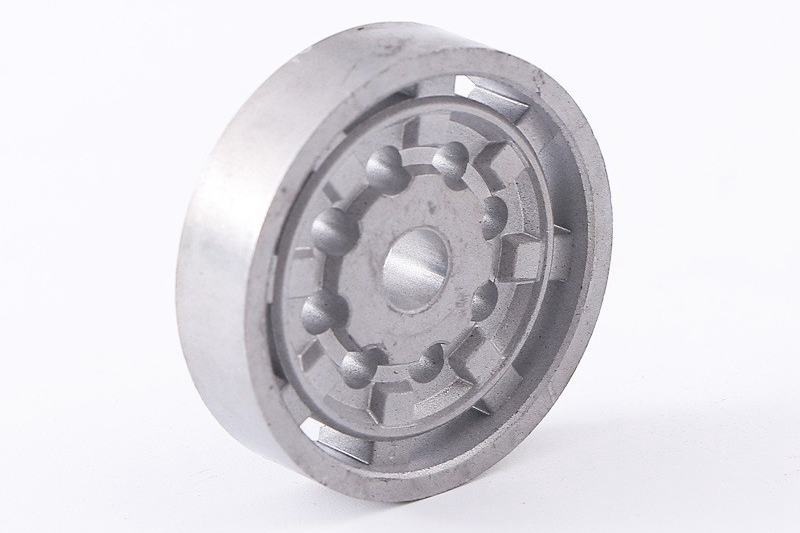
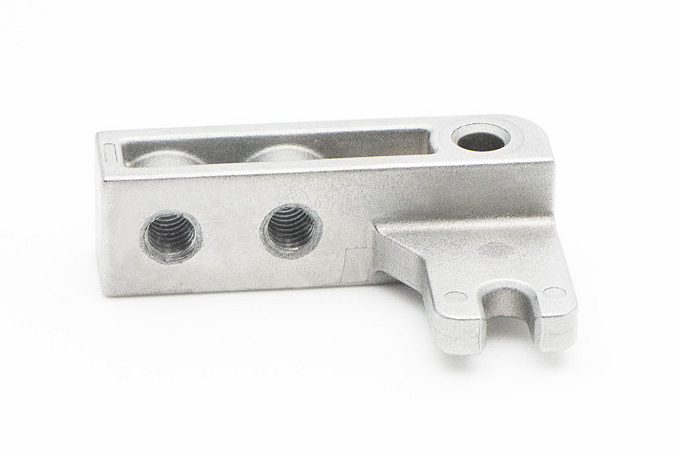
構造、ロック、計測機器部品
ラッチ、ヒンジ、レバー、ブラケット、小型ハウジングは、成形ディテールと熱処理後の強度を活用できます。
計測機器や清浄用途では、バリ管理、パッシベーション、洗浄、包装、文書、機能試験を指定します。
コンパクト荷重部品向け H900 17-4 PH
H900 MIM 17-4 PH は、強度と硬度が中心要求の場合に検討されます。
高硬度だけでは鋭角、薄いアーム、衝撃、腐食、厳しい平面度を解決できません。
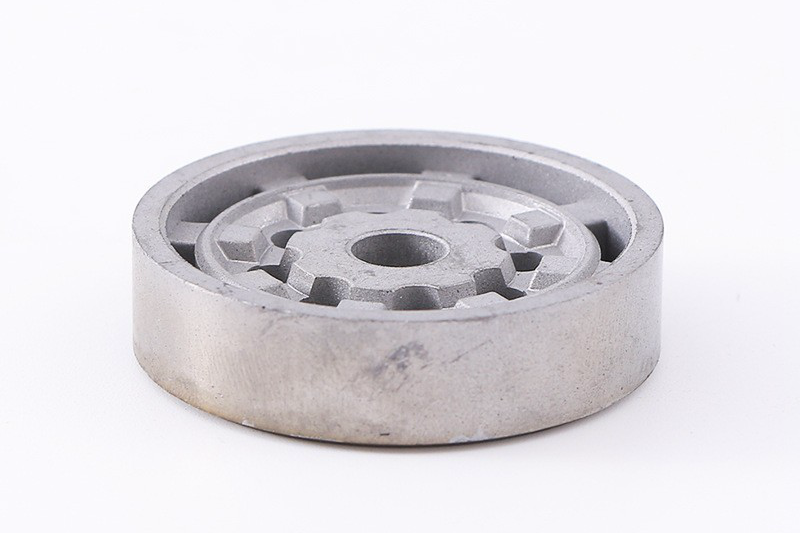
摩耗と強度の材料比較
先に 440C を検討する場合
17-4 PH はすべての硬化系ステンレスの代替ではありません。すべり摩耗や高硬度が支配する場合、MIM 440C が適することがあります。
購入者は強度要求と摩耗要求を分けて示し、材料、熱処理、仕上げ、検査を選定する必要があります。
MIM 17-4 PH の Neway 生産と検査
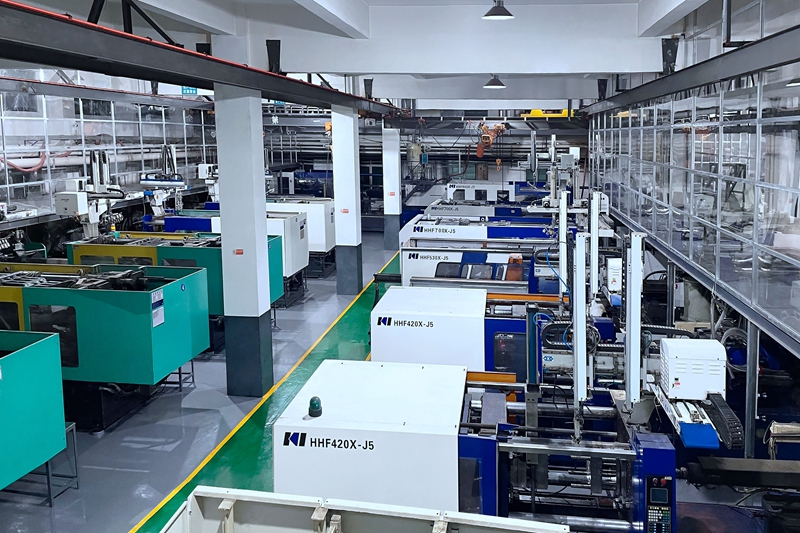
Neway は DFM から最終検査まで、肉厚、ゲート、パーティングライン、収縮、焼結サポート、加工代、熱処理、仕上げを確認します。
初品で成形形状を確認し、金型補正や二次加工の必要性を判断します。量産では重要形状ごとに検査方法を定義します。
Material certificate and lot traceability
Density and hardness checks
Heat-treatment records
CMM or optical dimensional reports
Pin, thread, and gear gauge results
Passivation or finish inspection
MIM 17-4 PH 部品の RFQ チェックリスト
有効な見積には図面、CAD、部品機能の説明が必要です。以下を含めてください:
2D 図面と 3D CAD モデル
材料指定と最終熱処理状態
年間数量、ロット、プロジェクト段階
荷重、摩耗、衝撃、腐食、温度情報
重要寸法、基準、機能面
ねじ、ギア、穴、シール面、相手部品
表面仕上げ、パッシベーション、コーティング、外観要求
必要な検査記録とレポート形式
これらの情報により、Neway は MIM 17-4 PH、MIM 316L、MIM 440C、CNC 加工、または別ルートを先に検討すべきか判断できます。
MIM 17-4 PH 部品の材料および DFM レビューを依頼する