Pure SIC Ceramic Filter Membrane Industry Solutions and Applications
Pure SiC Ceramic Filter Membrane Application RFQ Decision: This article explains how buyers can evaluate pure silicon carbide SiC ceramic filter membranes for gas filtration, molten salt filtration, hydrogen production support, syngas cleanup, flue gas treatment, and selected liquid filtration duties. The practical RFQ problem is matching the process stream, contaminant target, membrane geometry, pore-structure requirement, sealing interface, cleaning method, inspection evidence, and buyer validation test before choosing a ceramic membrane route.
What Buyer Decision Does A Pure SiC Ceramic Membrane Support?
A pure SiC ceramic membrane supports the buyer's filtration decision when the process stream requires a ceramic element that can be reviewed for thermal exposure, chemical exposure, particulate loading, cleaning cycles, and module sealing. The buyer should define the filtration duty before asking for a supplier recommendation.
The engineering reason is that "ceramic membrane" is not a complete specification. A gas filter for flue gas, a syngas hot filter, a molten salt filter, a hydrogen gas polishing element, and an oil-water separation membrane can require different pore structures, seals, housings, cleaning methods, and validation tests.
For quotation, the buyer should identify the process stream, target contaminant, membrane geometry, quantity, module interface, inspection plan, and functional tests. That information lets the supplier review SiC powder forming, sintering, machining, and sealing surfaces against the real application.
Which Industrial Applications Should Buyers Compare?
Buyers should compare applications by process stream and filtration target rather than by material name alone. Pure SiC may be relevant across several industrial filtration duties, but each duty needs its own RFQ details.
SiC Membrane Application | Common Buyer Goal | RFQ Information Needed |
|---|---|---|
Particulate control, hot gas filtration, or pretreatment before emission-control equipment | Gas composition, temperature range, dust loading, cleaning method, and module interface. | |
Gas pretreatment, tar aerosol control, solids capture, or equipment protection | Gas composition, contaminant target, pressure drop limit, and validation owner. | |
Hot particulate control, tar aerosol management, and downstream equipment protection | Gasifier type, feedstock, tar behavior, ash loading, cleaning cycle, and filter geometry. | |
Particle control in a molten salt loop or pilot filtration study | Salt chemistry, temperature window, flow rate, housing design, and compatibility test. | |
Gas polishing, pretreatment, catalyst guard duty, or hot filtration support | Process route, gas composition, filtration target, module interface, and purity-test boundary. |
This comparison gives buyers a practical first screen. The next step is to translate the selected application into part geometry, material evidence, and test conditions.
Which Material And Structure Requirements Matter?
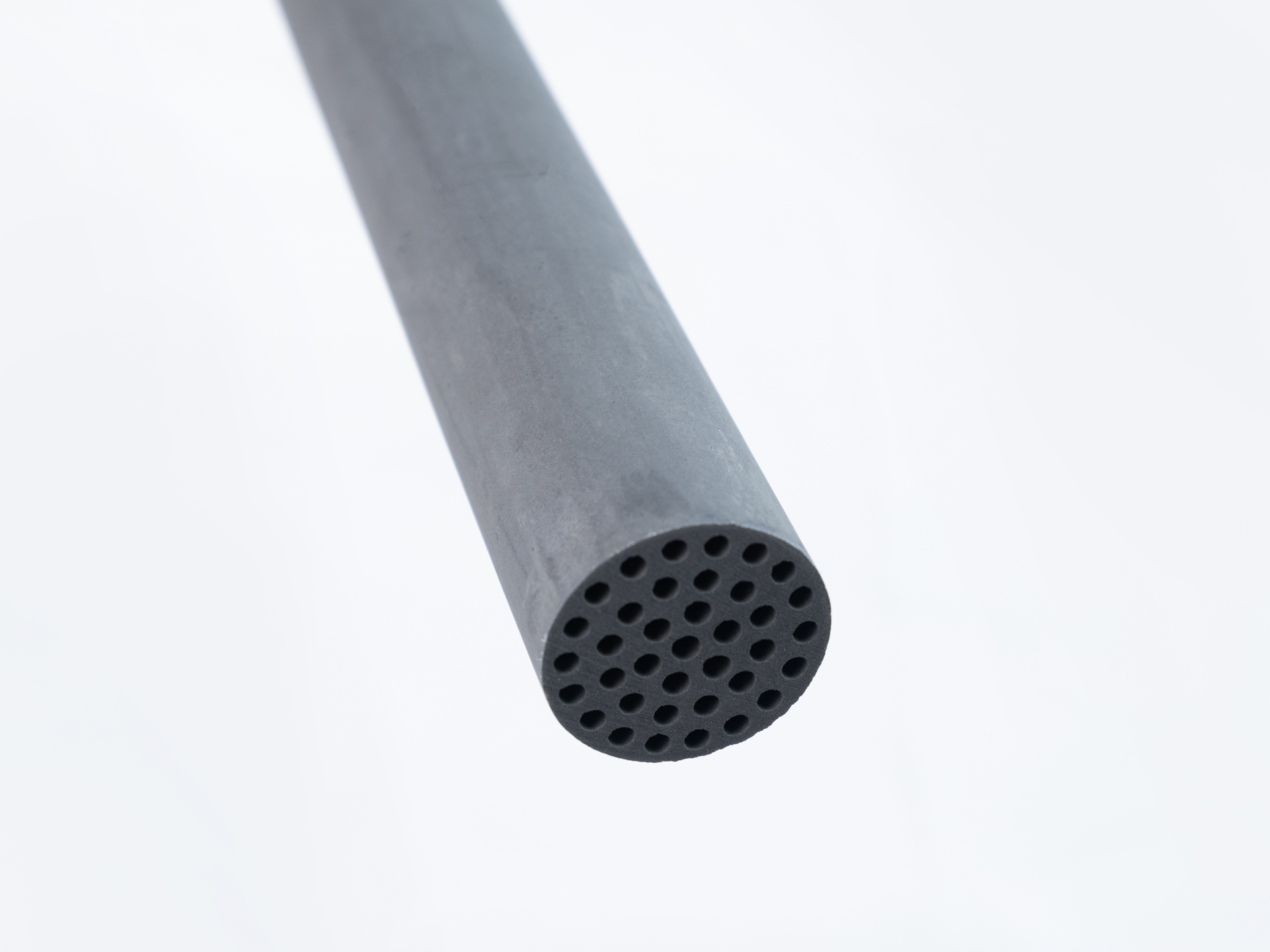
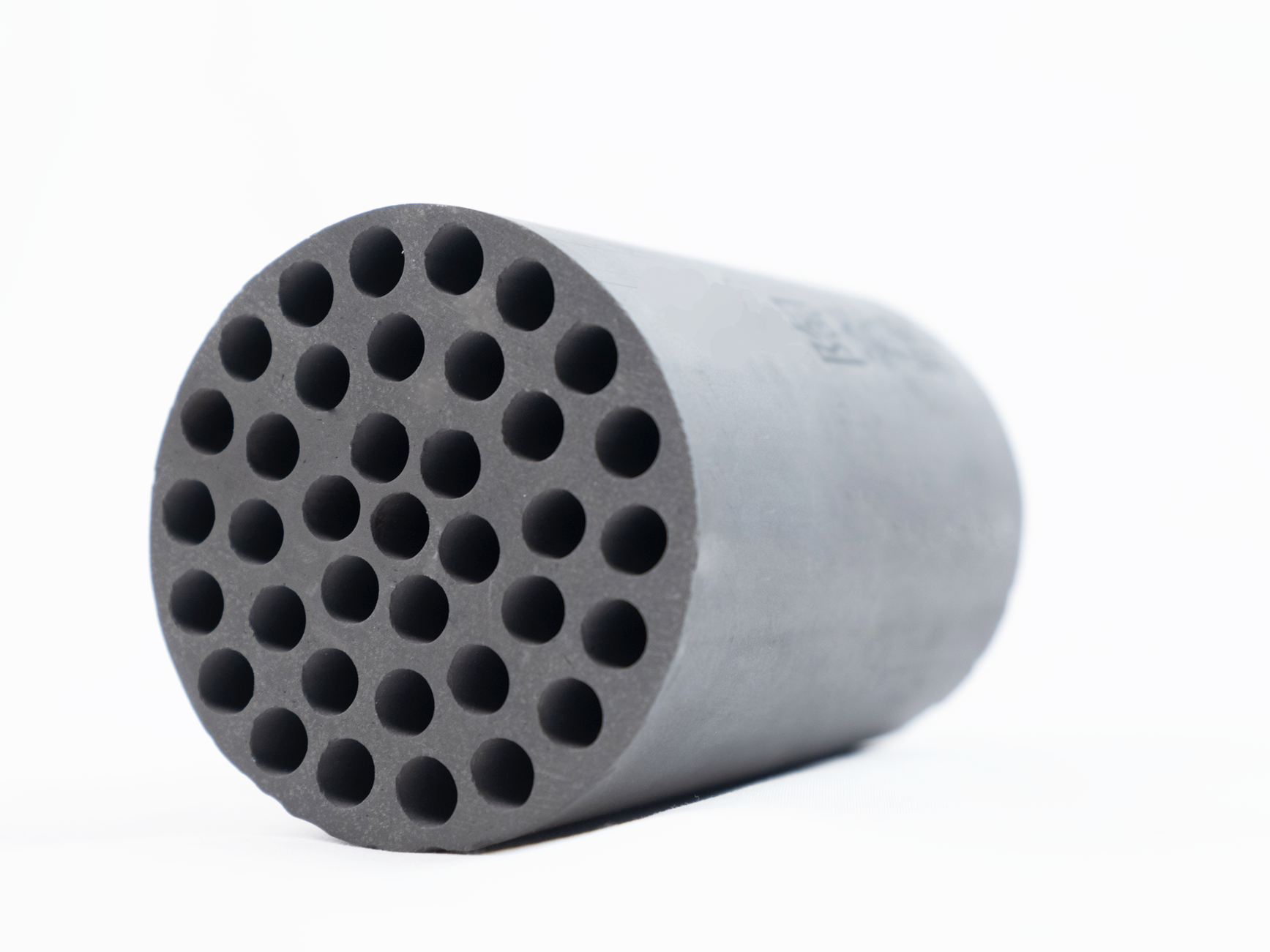
The key material and structure requirements are SiC material basis, pore-structure expectation, wall thickness, channel layout, end-face flatness, sealing surface, machining allowance, and visual acceptance criteria. These entities control whether powder forming and sintering can support the required membrane element.
For silicon carbide SiC ceramic components, the forming route affects design freedom, shrinkage allowance, and post-sintering machining. Tubes, plates, discs, candle filters, blocks, and multi-channel elements may need different tooling and inspection plans.
Buyers should avoid unsupported material shorthand. If a project requires a specific SiC purity, additive restriction, porosity range, or surface chemistry, the RFQ should state the test method, certificate format, and acceptance criteria.
How Should Buyers Match Pore Structure, Module Interface, And Cleaning?
Pore structure, module interface, and cleaning method should be matched together. A pore-structure target that works in a laboratory coupon may not work in a plant module if the pressure drop limit, cleaning cycle, or seal design is different.
SiC Membrane Design Entity | Buyer Should Specify | Manufacturing Or Validation Impact |
|---|---|---|
Pore structure | Pore size target, open porosity expectation, permeability method, and contaminant size | Powder selection, forming method, sintering profile, and acceptance testing may change. |
Membrane geometry | Tube, plate, disc, block, candle, or multi-channel element dimensions | Tooling, shrinkage control, straightness, and machining allowance depend on geometry. |
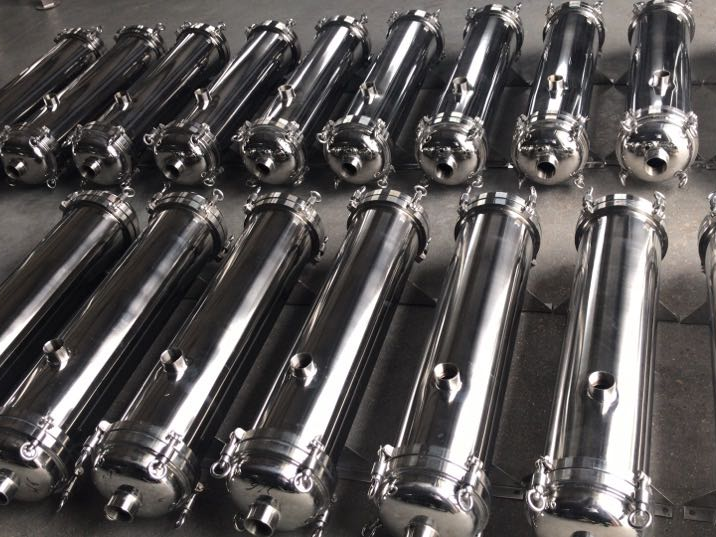
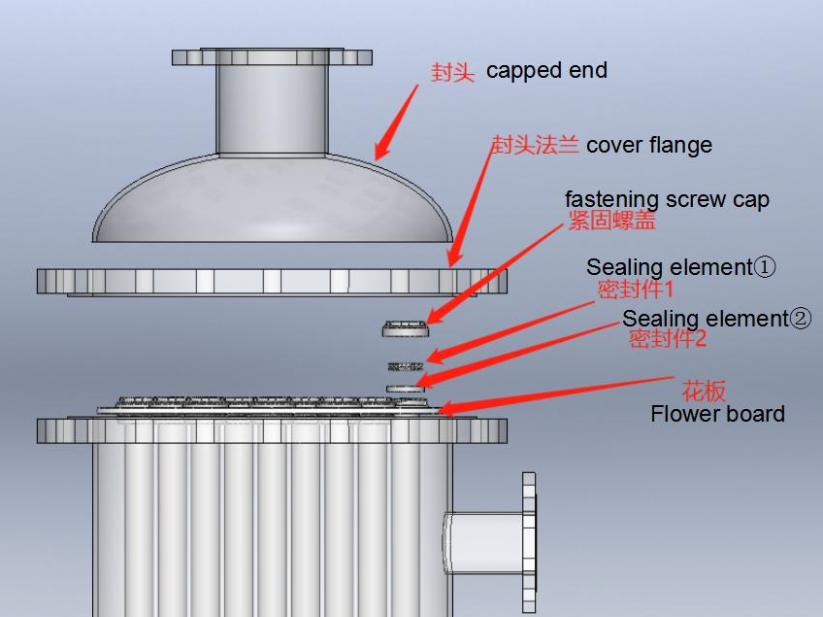
Module interface | Gasket area, clamping method, seal material, flow direction, and replacement access | End-face flatness and sealing surfaces must match the housing. |
Cleaning method | Back pulse, reverse flow, offline cleaning, thermal cleaning, chemical cleaning, or replacement plan | Cleaning load affects membrane strength, fouling review, and visual inspection criteria. |
The buyer should provide an existing housing drawing if the membrane is a replacement element. For a new module, the buyer should allow manufacturability feedback before freezing the geometry.
What Inspection And Validation Data Should Buyers Request?
Inspection requirements should match the process duty. A pilot filter may need basic dimensional and material evidence, while a production membrane element may require more detailed traceability, permeability evidence, and system tests.
SiC Membrane Evidence | Buyer Should Define | Reason For The RFQ |
|---|---|---|
Dimensional report | Length, diameter, wall thickness, channel geometry, end-face flatness, and sealing surfaces | Dimensions must match module interfaces and replacement requirements. |
Pore-structure or permeability evidence | Pore size target, open porosity, flow method, or buyer acceptance test | Filtration target and pressure drop depend on defined test conditions. |
Material certificate | SiC material basis, batch identity, processing route, and certificate format | Traceability supports replacement planning and project records. |
Visual criteria | Allowable chips, cracks, surface marks, blocked channels, and edge damage | Ceramic membrane handling needs practical shipment and acceptance rules. |
System validation | Pressure drop, contaminant reduction, cleaning cycle, compatibility, and service test owner | The buyer should identify which tests are supplier reports and which are process tests. |
System-level performance depends on the full process stream and module. The RFQ should define test conditions when pressure drop, contaminant removal, lifetime, or cleaning behavior is used for acceptance.
How Should Buyers Avoid Overstating Ceramic Membrane Scope?
Buyers should separate ceramic membrane manufacturing from full process performance. A SiC membrane can support filtration under defined conditions, but hydrogen purity, flue gas compliance, syngas quality, molten salt loop reliability, or oil-water separation results depend on the full system and buyer validation.
This distinction matters during quotation. A supplier can review ceramic material selection, powder forming, sintering, machining, sealing surfaces, inspection, and documentation. The buyer should define process calculations, system tests, regulatory requirements, and final acceptance responsibility.
Clear boundaries reduce risk. When the RFQ explains exactly what the membrane must do and what the buyer will validate in the system, the supplier can provide a more useful manufacturability review.
How Should Buyers Prepare A Pure SiC Membrane RFQ?
A complete RFQ should include the membrane drawing, module drawing, process stream, temperature and pressure range, flow rate, contaminant target, pore-structure expectation, material preference, quantity, replacement plan, inspection requirements, and test responsibilities.
If the project is at an early stage, the buyer should state which variables are fixed and which can be adjusted. Geometry, pore structure, seal design, and cleaning method often need to be evaluated together.
This RFQ structure helps the supplier review pure SiC material selection, powder forming, sintering, machining, sealing surfaces, cleaning-cycle risk, and inspection evidence without turning a ceramic filter element into an unsupported full-system performance claim.
Related FAQs