Robust SiC Ceramic Filters for Efficient Syngas Cleanup in Gasification Plants
SiC Ceramic Filter Syngas Cleanup RFQ Decision: This article explains how buyers can specify silicon carbide SiC ceramic filters for syngas cleanup in biomass, coal, waste, or residue gasification plants using powder forming, sintering, machining, and module integration requirements. The practical RFQ problem is defining syngas temperature, particulate load, tar aerosol risk, filter geometry, pore-structure expectation, sealing interface, cleaning method, inspection data, and buyer system validation before choosing a ceramic filter supplier.
What RFQ Problem Do SiC Filters Solve In Syngas Cleanup?
SiC ceramic filters are considered when a gasification plant needs a filter element for hot particulate control, tar aerosol management, downstream equipment protection, or pilot filtration studies. The buyer should define the exact cleanup duty before asking for a filter quote.
The engineering reason is that syngas cleanup is a system problem. Ash loading, char particles, tar condensation, gas temperature, pressure, moisture, alkali species, sulfur compounds, and cleaning cycles can all affect filter selection. A SiC filter element can support one filtration stage, but other equipment may still be responsible for gas cooling, sulfur control, tar conversion, or gas polishing.
For quotation, the buyer should provide gasifier type, feedstock, syngas composition, operating temperature, flow rate, particulate target, module interface, cleaning method, and acceptance tests. That information lets the supplier review whether SiC powder forming, sintering, machining, and sealing surfaces fit the application.
Which Syngas Conditions Should Buyers Define?
The gas stream should be specified before filter geometry is selected. Biomass syngas, coal gasification syngas, waste-derived syngas, and pilot gasifier streams can differ in dust behavior, tar content, moisture, chemical exposure, and transient operating conditions.
Syngas RFQ Entity | Buyer Should Specify | Why It Affects SiC Filter Design |
|---|---|---|
Gasifier and feedstock | Biomass, coal, waste, residue, or mixed feedstock gasification route | Feedstock affects ash chemistry, tar behavior, and filter cleaning assumptions. |
Operating condition | Temperature range, pressure range, flow rate, pressure drop limit, and thermal cycling | Operating range affects SiC wall thickness, module sealing, and support design. |
Contaminant target | Fly ash, char, tar aerosol, alkali species, condensable material, or downstream catalyst protection | Target contaminant affects pore-structure expectations and validation tests. |
Cleaning method | Pulse cleaning, reverse flow, offline cleaning, thermal cleaning, or replacement interval | Cleaning cycle affects filter strength, fouling review, and visual acceptance criteria. |
A useful RFQ also states whether filtration is hot, warm, or after partial gas cooling. That decision changes the filter material review and the system tests the buyer should run.
Which SiC Filter Geometry And Module Features Matter?
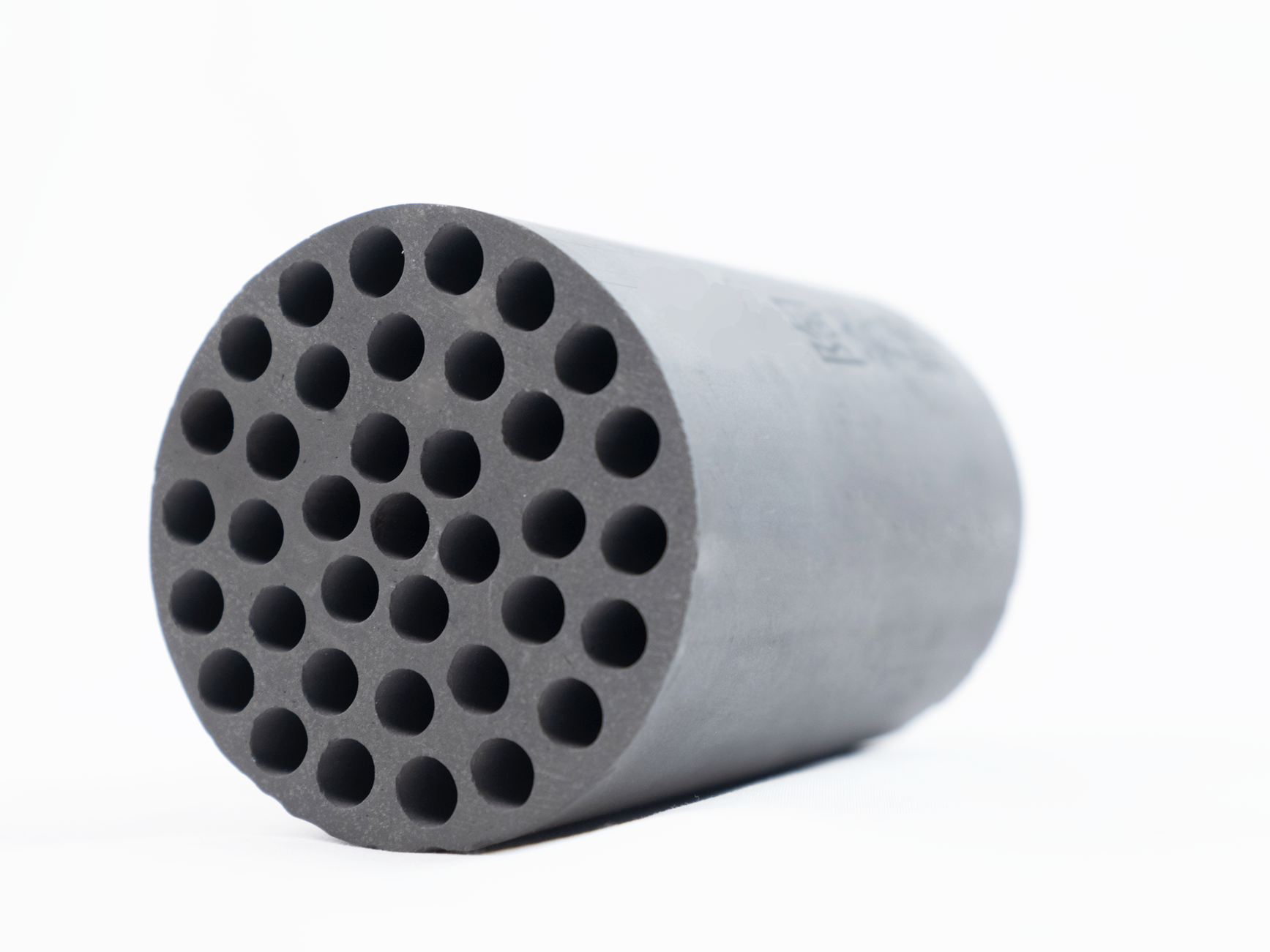
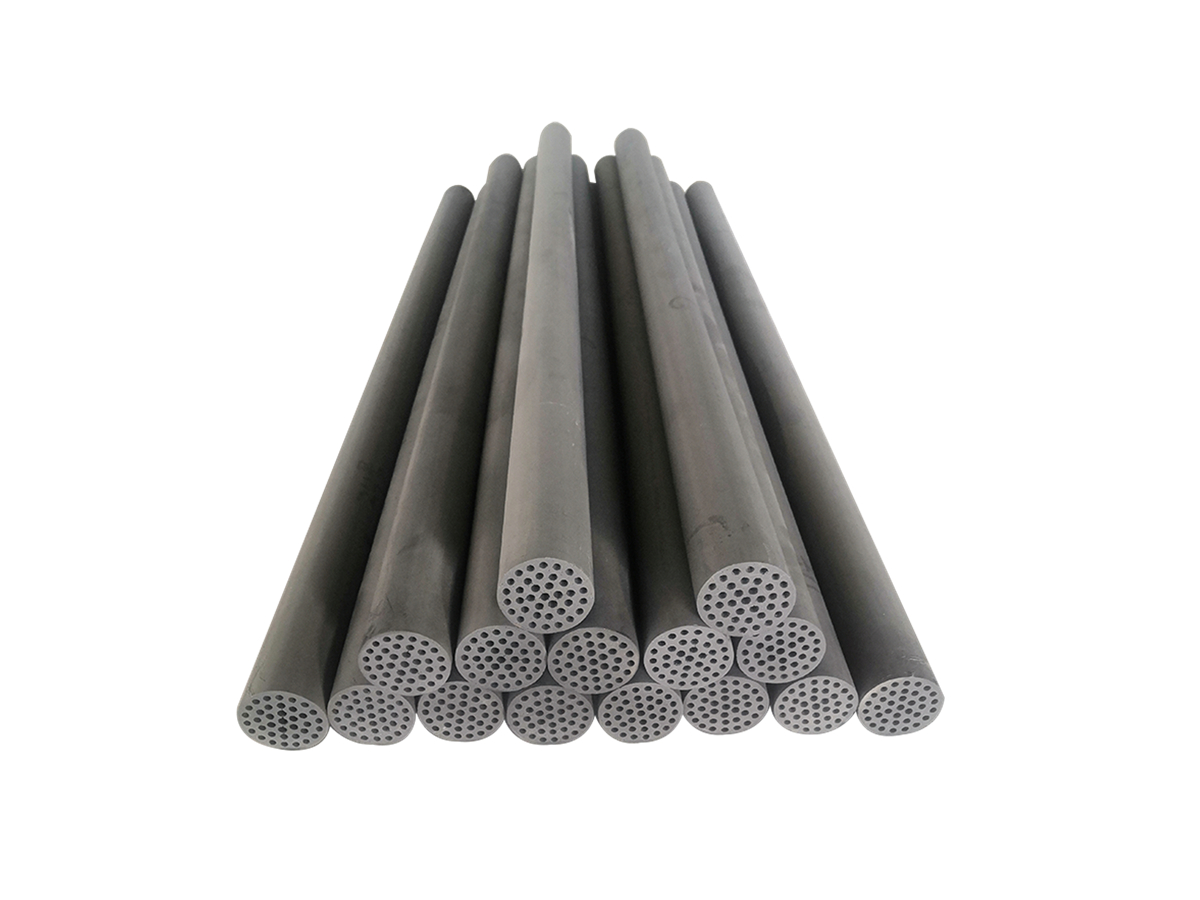
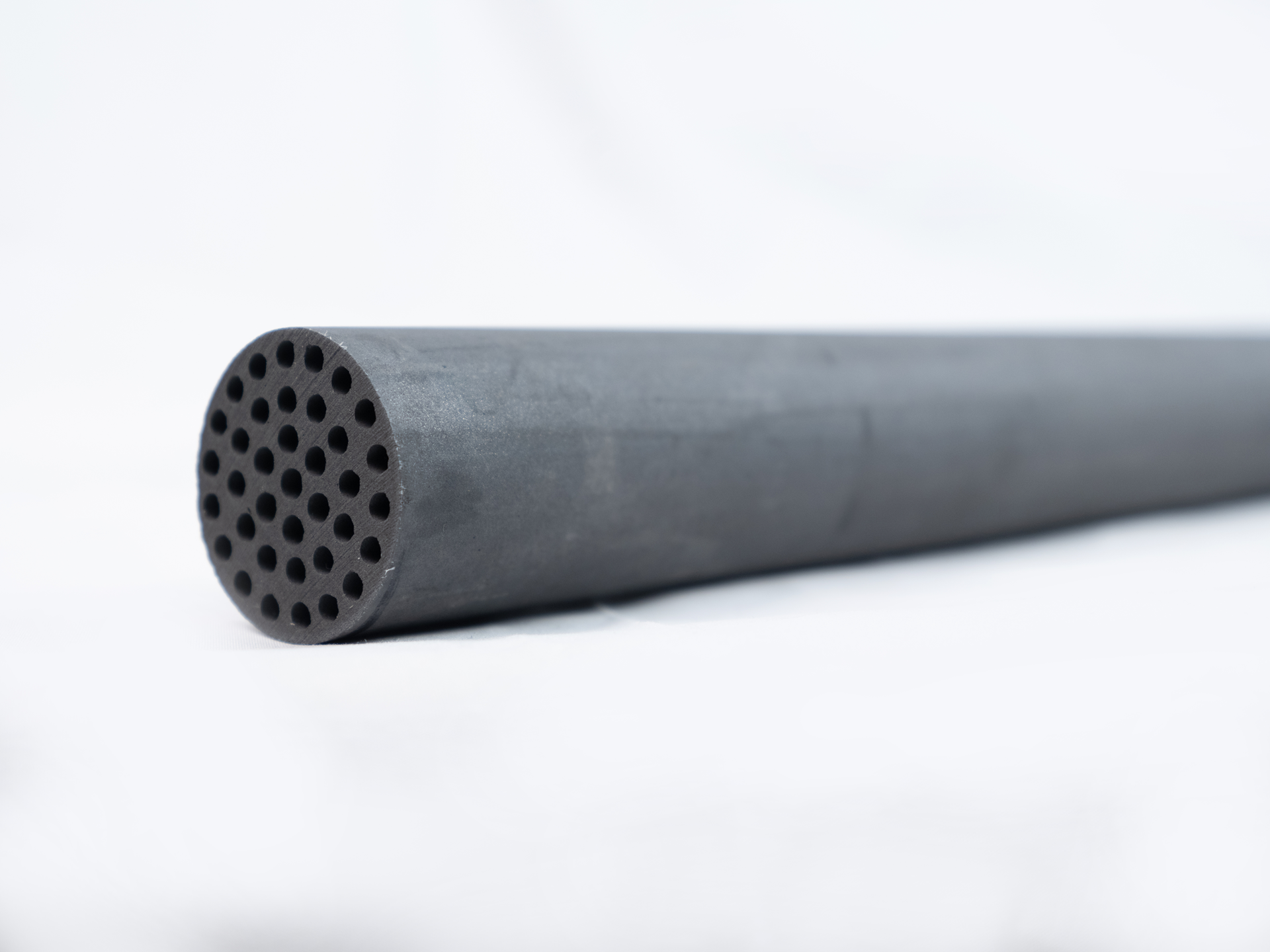
The most important geometry decisions are filter shape, channel layout, wall thickness, pore-structure expectation, end-face flatness, sealing surface, mounting shoulder, and allowable visual condition. These features control whether powder forming and sintering can support the required filter element.
For silicon carbide SiC ceramic components, the forming route affects design freedom, shrinkage allowance, straightness, and post-sintering machining. Tubular filters, candle filters, plate filters, and multi-channel elements can require different tooling and inspection plans.
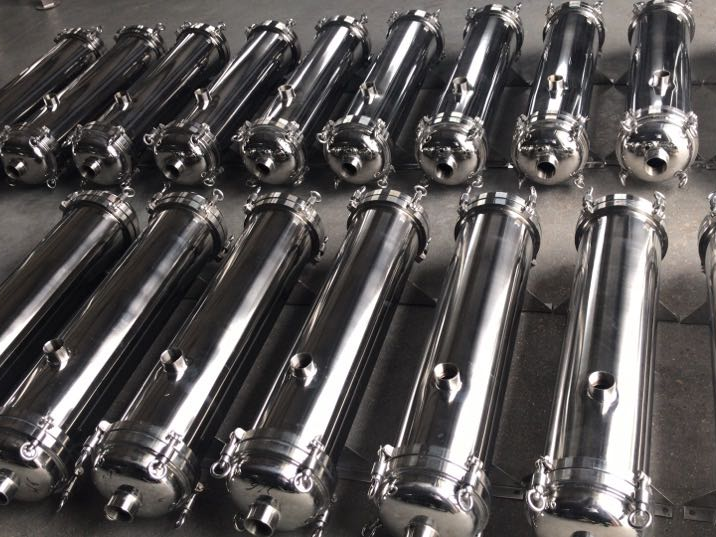
The buyer should provide the module interface. Seal grooves, gasket faces, clamping zones, support tubes, back-pulse fittings, and replacement access can be as important as the filter media itself.
How Should Buyers Separate Tar, Ash, And Gas Treatment Requirements?
Buyers should separate particulate filtration from tar conversion, gas cooling, sulfur removal, and final gas polishing. A SiC ceramic filter may be used for solids capture or tar aerosol filtration under defined conditions, but it should not be specified as the only answer to every syngas cleanup requirement unless the buyer's system test proves that role.
Syngas Cleanup Requirement | SiC Filter RFQ Focus | Buyer Validation Responsibility |
|---|---|---|
Fly ash and char particulate control | Pore-structure target, pressure drop limit, cleaning cycle, and filter area | Confirm removal target under actual gasifier dust loading. |
Tar aerosol or condensable material management | Temperature window, fouling risk, cleaning method, and replacement plan | Confirm whether tar is captured, converted, cooled, or handled by another process stage. |
Downstream catalyst or engine protection | Outlet particulate target, allowable pressure drop, and inspection evidence | Confirm system-level protection using the buyer's equipment requirements. |
Sulfur or acid-gas control | Material compatibility and exposure information | Confirm whether sorbent, scrubber, catalyst, or separate treatment equipment is required. |
This separation helps the supplier quote the ceramic filter element correctly and helps the buyer assign the correct validation tests to the full gas cleanup system.
What Inspection And Validation Data Should Buyers Request?
Inspection data should be tied to the gasification duty. A pilot gasifier filter may require different evidence than a production filtration element installed in a larger cleanup train.
SiC Syngas Filter Evidence | Buyer Should Define | Manufacturing Implication |
|---|---|---|
Dimensional report | Length, outside diameter, wall thickness, end-face flatness, channel geometry, and sealing surface | Tooling, sintering shrinkage, machining, and inspection datums must match the module. |
Pore-structure or permeability evidence | Pore size target, open porosity expectation, flow method, or buyer acceptance test | Powder selection, forming route, and sintering profile may change. |
Material certificate | SiC material basis, batch identity, process route, and certificate format | Traceability supports replacement planning and project records. |
Visual criteria | Allowable chips, cracks, surface marks, blocked channels, and edge damage | Ceramic filter handling needs practical criteria before shipment. |
System validation | Pressure drop, particulate removal, fouling behavior, cleaning cycle, and service test owner | The buyer and supplier should agree which tests are supplier reports and which are plant tests. |
Pressure drop and cleanup performance depend on the gas stream and module. The RFQ should define test conditions if those values are required for acceptance.
How Do Syngas, Biogas, And Flue Gas Filter RFQs Differ?
Syngas filter RFQs differ from biogas and flue gas RFQs because gasifier dust, tar aerosol, temperature, and transient operation can be more central to the filter decision. Biogas filtration may focus on moisture, organics, siloxanes, and upgrading-equipment protection. Flue gas filtration may focus on ash, acidic species, cleaning cycles, and emission-control equipment interfaces.
A buyer comparing SiC ceramic membranes for natural gas and biogas purification with SiC ceramic membranes for flue gas purification should not reuse one specification without checking gas conditions. Each process stream needs its own contaminant target and validation plan.
The common structure remains the same: define process stream, target contaminant, SiC filter geometry, module interface, inspection evidence, and system validation owner.
How Should Buyers Prepare A Syngas SiC Filter RFQ?
A complete RFQ should include the filter drawing, module drawing, gasifier type, feedstock, syngas composition, temperature and pressure range, flow rate, filtration target, material preference, quantity, replacement plan, inspection requirements, and test responsibilities.
Buyers can also review broader pure SiC ceramic filter membrane applications to compare common ceramic design questions. The final syngas specification should still be built around the actual gasification plant duty.
This RFQ structure helps the supplier review SiC material selection, powder forming, sintering, machining, sealing surfaces, cleaning-cycle risk, and inspection evidence without implying that one ceramic filter alone controls every syngas cleanup step.
Related FAQs