Precision with Every Cut: Minimizing Waste with Efficient Plasma Cutting Techniques
Efficient Plasma Cutting Waste Control RFQ Decision: This article explains how buyers can reduce material waste when sourcing efficient plasma cutting for carbon steel plates, stainless steel covers, aluminum panels, machine guards, brackets, gussets, frames, support plates, and fabricated blanks. The practical RFQ problem is controlling nesting yield, kerf allowance, pierce count, dross formation, heat input, edge cleanup, material grade, and inspection criteria before production starts.
Waste in plasma cutting is not limited to leftover plate skeletons. Waste can also appear as rejected parts, extra grinding, avoidable re-cutting, wrong revisions, edge defects that block welding, or parts that fail assembly because critical holes were not defined. Efficient plasma cutting reduces waste when the buyer and supplier connect design data, material selection, cut planning, cleanup, and inspection into one controlled manufacturing route.
How Does Efficient Plasma Cutting Reduce Material Waste?
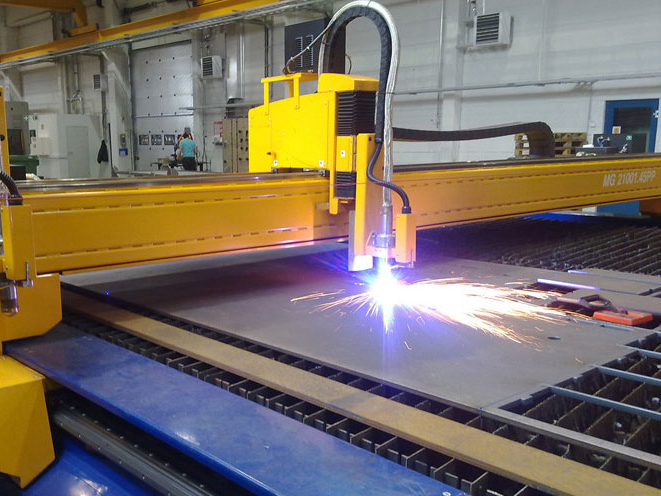
Efficient plasma cutting reduces material waste by using controlled CAD data, practical nesting, suitable cutting parameters, and clear acceptance criteria. The process can cut conductive metal profiles quickly, but the waste result depends on how the part is planned. A drawing package with correct revision control, material grade, plate thickness, and feature priorities gives the supplier the information needed to reduce avoidable scrap.
The first waste category is raw material waste. This includes unused plate around parts, skeleton material, and offcuts that cannot be reused. The second waste category is process waste. This includes dross removal time, grinding, re-cut parts, incorrect hole patterns, and rejected edges. Buyers should consider both categories because a nesting plan that saves raw plate but creates heavy cleanup may not reduce total manufacturing waste.
For custom parts, waste control starts before the first cut. The RFQ should identify whether part rotation is allowed, whether grain or cosmetic direction matters, whether tab marks are acceptable on non-critical edges, and whether parts will be bent, welded, machined, or coated. This allows plasma cutting to be planned as part of a complete sheet metal fabrication route.
Which RFQ Inputs Control Plasma Cutting Waste?
The RFQ inputs that control plasma cutting waste are CAD files, drawing revision, material grade, plate thickness, quantity by part number, functional features, edge condition requirements, downstream operations, and inspection method. If any of these inputs are missing, the supplier may need to quote with assumptions, and assumptions can create material waste or rework later.
Buyers should mark critical holes, weld edges, cosmetic faces, and flatness-sensitive areas directly on the drawing. A plasma cut bracket may have many holes, but only a few may control assembly. A guard plate may have visible edges and non-visible edges. A support plate may need clean weld preparation but may not need cosmetic edge finishing. These distinctions help the supplier choose a practical cut path and cleanup plan.
Plasma Cutting Waste Source | Manufacturing Cause | RFQ Control Action |
|---|---|---|
Unused plate skeleton | Poor nesting, isolated part numbers, fixed orientation without reason | Provide batch quantities and state whether rotation is allowed |
Rejected hole pattern | Critical holes not identified before cutting | Mark datum holes, clearance holes, and holes needing secondary finishing |
Excess edge cleanup | Dross or bevel expectations not defined | Define edge cleanup level and final edge function |
Wrong revision parts | Outdated CAD file or uncontrolled drawing change | Use drawing revision control and confirm production release files |
How Do Nesting, Kerf, And Pierce Planning Affect Scrap?
Nesting, kerf, and pierce planning have a direct effect on plasma cutting scrap. Nesting controls how many parts fit on a plate. Kerf allowance accounts for the material removed by the plasma arc. Pierce planning affects cycle time, consumable use, heat concentration, and dross. Waste reduction requires all three to be considered together.
Tight nesting can reduce raw material scrap, but overly tight spacing can increase heat concentration or make part removal difficult. Wider spacing may protect quality for some parts, but it may leave more plate skeleton. Common-line cutting can be efficient for simple profiles, but it may not be suitable when both shared edges are functional or cosmetic. The RFQ should state which trade-off matters most: material utilization, cut quality, flatness, or speed.
Pierce count is especially important for parts with dense internal geometry. Every internal hole, slot, or window adds a pierce. A design with many small cutouts may create more process waste than a simple outside profile, even if both parts use similar plate area. If some features can be drilled, machined, or simplified, the buyer should state which features are flexible and which are fixed.
How Do Dross And Edge Quality Create Hidden Waste?
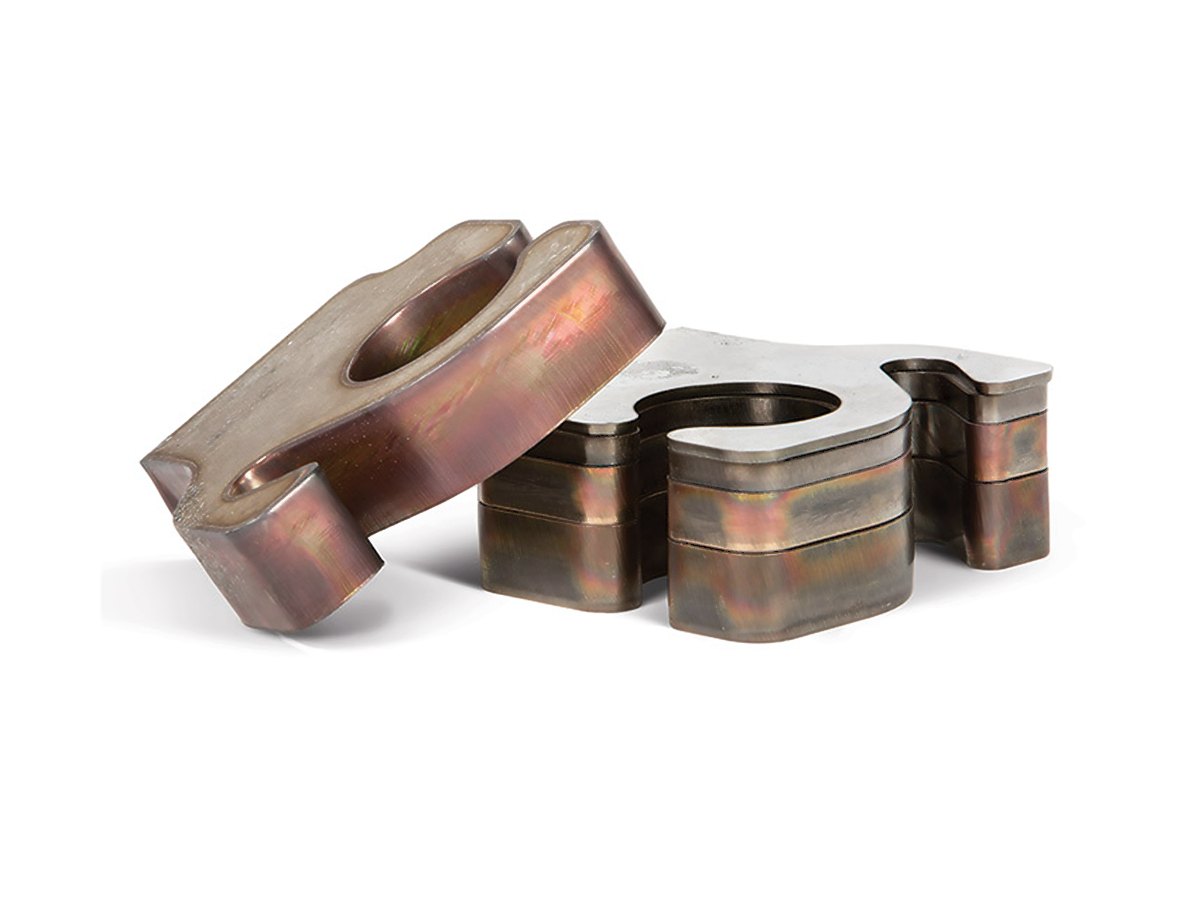
Dross and edge quality create hidden waste when parts require extra cleanup or fail downstream operations. Dross can increase deburring time, interfere with welding fit-up, affect bolted assembly, or create safety concerns on handled edges. Edge bevel, heat tint, and roughness may also matter depending on the part function and material.
Buyers should define edge quality by function. Weld edges may need a different cleanup level than visible edges. Safety edges may need deburring even when cosmetic appearance is not critical. Holes used only for clearance may accept different conditions than holes used for locating. When edge functions are clear, the supplier can avoid unnecessary cleanup on non-critical edges while protecting features that affect assembly.
Secondary operations should be included in the waste discussion. A plasma cut blank that later receives powder coating may need cleaner visible surfaces and controlled handling. A blank that later goes to welding may need bevel review. A part that requires tight hole location may need secondary machining after cutting. Planning these steps early reduces late rework.
Which Materials Need Extra Waste Control In Plasma Cutting?
Different materials create different waste risks in plasma cutting. Carbon steel, stainless steel, and aluminum can all be used, but each material reacts differently to heat, dross, edge discoloration, and flatness changes. The buyer should specify material grade and thickness so the supplier can choose parameters and cleanup steps that match the finished part.
Carbon steel parts may need attention to dross, weld edge preparation, and hole inspection. Stainless steel parts may need heat tint control, cleaning, and visible-face protection. Aluminum parts may need flatness control and careful support because heat moves through aluminum differently than through steel. Coated stock may require discussion because the coating condition near the cut edge can affect finishing.
Material Entity | Waste Risk In Plasma Cutting | Control Point For RFQ |
|---|---|---|
Carbon steel plate | Dross, weld edge cleanup, and critical hole rework | Define weld edges, hole function, and acceptable dross removal level |
Stainless steel cover or guard | Heat tint, cosmetic scratches, and edge discoloration | Mark visible surfaces and cleaning requirements |
Aluminum panel or bracket | Thermal movement, flatness variation, and handling marks | Identify flatness-critical zones and surface protection needs |
Mixed material kit | Wrong material grouping or part identification errors | Provide part numbers, material list, and packaging labels |
If the part uses thinner sheet, fine slots, or cosmetic detail, the buyer may also ask the supplier to compare plasma cutting with laser cutting. The best waste-reduction route depends on the actual drawing, material, thickness, and acceptance criteria.
How Should Buyers Inspect Waste-Sensitive Plasma Cut Parts?
Buyers should inspect waste-sensitive plasma cut parts by focusing on features that can create scrap, rework, or assembly delays. Typical inspection points include material grade, plate thickness, profile dimensions, hole location, slot width, edge condition, dross level, bevel, flatness, surface condition, and part identification. The inspection plan should match the part's function.
A machine guard may need safe edges and flatness. A base plate may need hole pattern control and weld edge preparation. A stainless cover may need visible surface protection. An aluminum panel may need flatness and surface handling review. Inspection criteria should state which features are critical instead of treating every edge as equal.
When inspection is connected to the RFQ, the supplier can select the right combination of cutting parameters, cleanup steps, and secondary operations. This reduces the chance that useful parts are rejected for non-critical variation while truly risky parts are missed before assembly.
What Should A Waste-Control Plasma Cutting RFQ Include?
A waste-control plasma cutting RFQ should include CAD files, PDF drawings, revision number, material grade, plate thickness, quantities by part number, acceptable material alternatives, rotation constraints, critical holes, edge cleanup expectations, downstream operations, packaging requirements, and inspection criteria. The RFQ should state whether the priority is material utilization, faster production, edge condition, flatness, or assembly fit.
Buyers should also state which features can be changed after manufacturability review. If non-critical cutouts can be simplified, nesting may improve. If a hole can be drilled after cutting, part accuracy may improve. If tab marks are acceptable on hidden edges, small part handling may become easier. These decisions give the supplier practical options to reduce waste without weakening the finished part.
Efficient plasma cutting minimizes waste when process planning is based on real manufacturing entities: material grade, plate thickness, nesting method, pierce count, edge quality, secondary operation, and inspection method. A clear RFQ gives the supplier the information needed to reduce scrap, avoid rework, and deliver custom metal parts that fit the intended application.
Related FAQs
How does plasma cutting technology achieve precision and reduce material waste?
What common mistakes lead to excessive waste in plasma cutting operations?
How important is nesting software in minimizing plasma cutting waste?
How can manufacturers minimize dross formation during plasma cutting?
What types of metals can be cut efficiently with plasma cutting?