Metal Injection Molding Services for Custom Small Metal Parts
Metal Injection Molding Services RFQ Decision: This article explains how buyers can evaluate metal injection molding services for custom small metal parts made by MIM feedstock preparation, injection molding, debinding, sintering, secondary machining, heat treatment review, and inspection. The part types include small gears, lock components, connector shells, brackets, hinge parts, tool components, sensor hardware, miniature housings, and complex stainless steel or titanium alloy components. The practical RFQ problem is deciding whether MIM is the right process, which material grade should be quoted, how shrinkage and tolerance risk should be controlled, and what inspection evidence is needed before scalable production approval.
MIM is most useful when a small metal part combines complex geometry, repeatable production demand, and features that would be costly or slow to machine one by one. Buyers should not treat metal injection molding as a general replacement for CNC machining, casting, or stamping. Buyers should match the MIM process to part size, geometry, annual demand, material requirements, surface finish, and downstream validation needs.
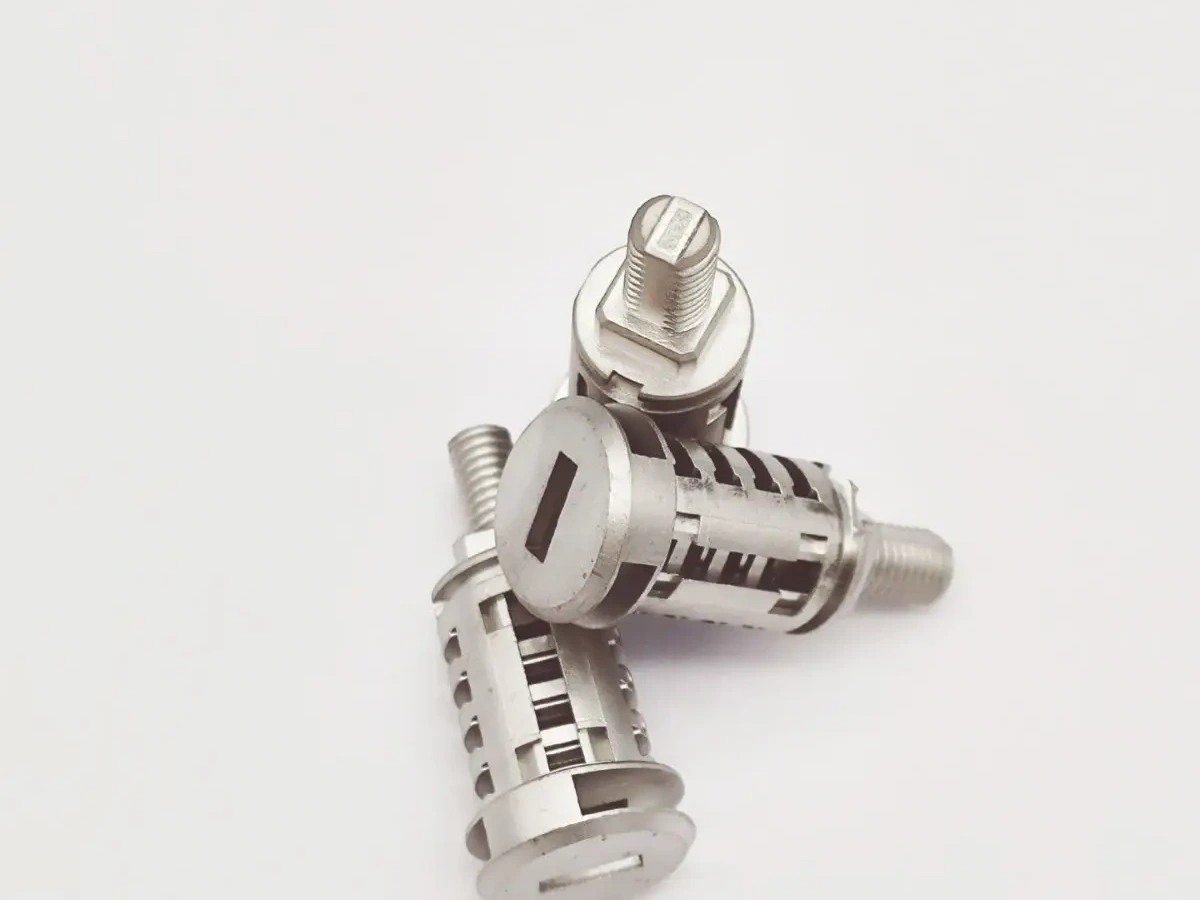
When Are Metal Injection Molding Services The Right Choice?
Metal injection molding services are a strong candidate when the part is small, geometrically complex, and expected to move into repeat production. MIM can be especially relevant for parts with thin walls, small ribs, cross holes, undercuts, bosses, fine external forms, internal features, or multiple functional surfaces that would require several CNC setups.
The engineering reason is that MIM combines powder metallurgy with injection molding. Metal powder and binder are formed into a feedstock, molded into a green part, debound, and sintered into a dense metal part. Because sintering shrinkage is part of the process, the supplier must plan tooling, material behavior, cavity layout, and dimensional control around the final part requirements.
The RFQ implication is simple: buyers should submit the target part geometry, production volume expectation, material grade, critical features, secondary operations, and inspection requirements at the beginning. If the buyer only sends a 3D model with no tolerance priorities or use conditions, the supplier may not know whether MIM, CNC machining, investment casting, or another route should be quoted.
Which Custom Small Metal Parts Fit The MIM Process?
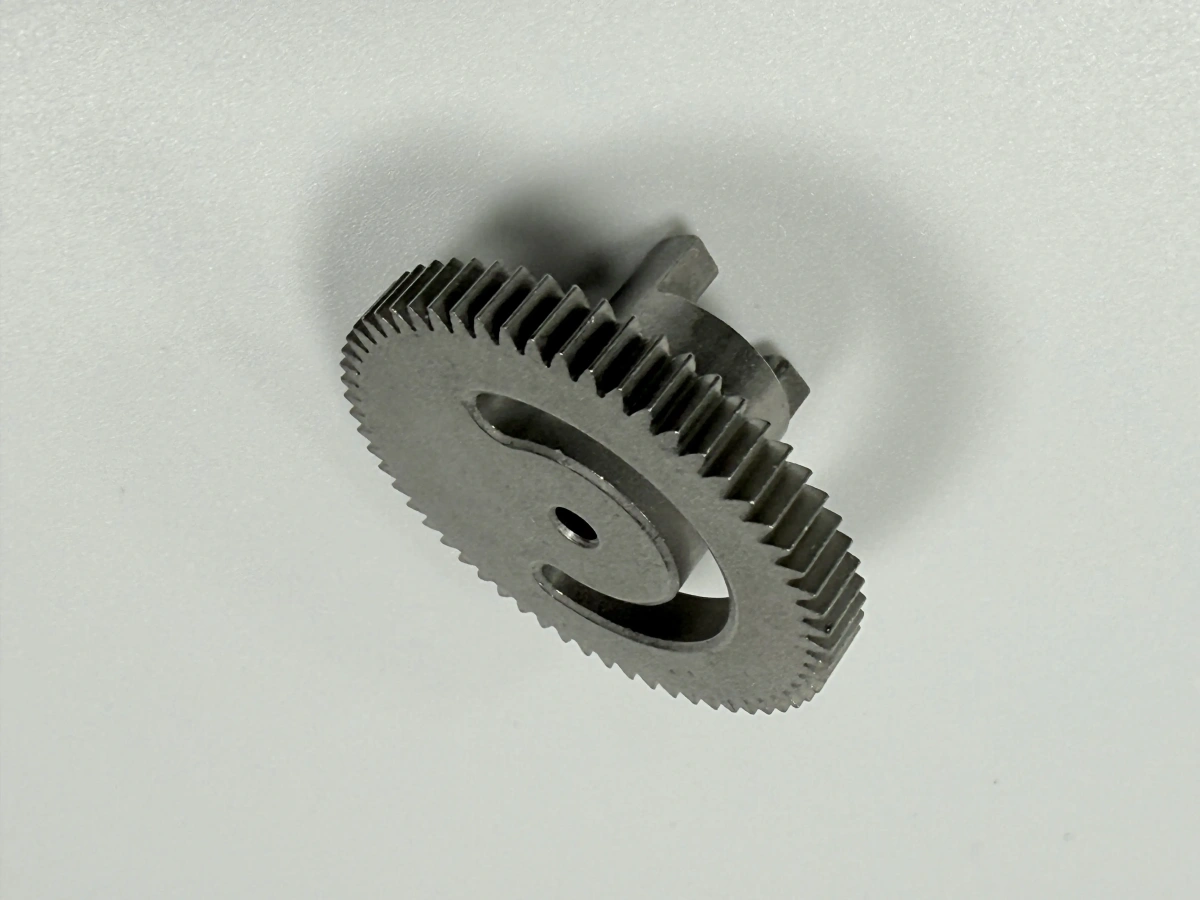
Custom small metal parts fit the MIM process when the part has enough complexity and production demand to justify tooling. Examples include miniature gears, latch components, lock parts, connector hardware, power tool components, small brackets, hinge elements, electronic device hardware, sensor housings, and compact structural parts.
MIM is less attractive when the part is very simple, very large, needed only in a small prototype quantity, or dominated by one easy machining operation. A simple spacer, plate, or shaft may be better suited to CNC machining, stamping, screw machining, or powder pressing depending on the geometry and quantity.
Buyers should identify whether the part value comes from complex shape, material performance, repeatability, or assembly consolidation. If MIM can combine several machined pieces into one molded and sintered component, the RFQ should show the assembly function and mating parts so manufacturability and inspection can be reviewed together.
MIM Buyer Question | Manufacturing Entity To Check | RFQ Detail To Provide | Decision Supported |
|---|---|---|---|
Is MIM suitable for the part geometry? | Wall section, rib, hole, boss, undercut, thread, datum | CAD model, drawing, critical dimensions, and mating part information | Whether MIM tooling and sintering can support the design intent |
Which MIM material should be quoted? | 17-4 PH, 316L, 420 stainless steel, Ti-6Al-4V, low alloy steel | Strength, corrosion, wear, magnetic, temperature, and finish requirements | Whether the selected alloy fits the functional requirement |
Which dimensions need tighter control? | Datum face, bore, shaft interface, sealing face, threaded hole | Feature-specific tolerances and inspection method | Whether molding, sintering, or secondary machining should control each feature |
Can the part scale economically? | Tooling, cavity count, production volume, yield risk, inspection scope | Expected order stage, validation quantity, and production demand range | Whether tooling investment and unit-cost behavior make sense |
Which MIM Materials Should Buyers Specify?
Material should be selected by the part function, not by process name alone. MIM 17-4 PH is often considered when strength and corrosion resistance are both important. MIM 316L is often reviewed for corrosion resistance and non-magnetic behavior. MIM 420 stainless steel may be reviewed for wear resistance after heat treatment. MIM Ti-6Al-4V may be reviewed when weight and titanium alloy behavior are part of the buyer requirement.
The buyer should define the required material grade, heat treatment expectation, corrosion environment, wear condition, magnetic requirement, surface finish, and any buyer-owned test conditions. A supplier can then review whether the requested MIM material, sintering route, secondary operation, and inspection plan are consistent with the part purpose.
Material selection also affects shrinkage behavior, dimensional repeatability, post-processing, and cost. A stainless steel MIM connector shell and a titanium alloy MIM bracket may both use metal injection molding, but the RFQ should not assume that tooling, sintering, machining, finish, and inspection plans are identical.
How Do Tooling, Feedstock, Debinding, And Sintering Affect MIM Quality?
MIM quality depends on stable control of tooling, feedstock, molding, debinding, sintering, and secondary operations. Each stage can affect final dimensions, density, surface condition, feature definition, and repeatability. Buyers should ask how the supplier will control critical features through the full process rather than only asking whether the part can be molded.
Tooling defines the oversize molded geometry needed for sintering shrinkage. Feedstock quality affects flow and consistency. Injection molding affects green part shape and gate-related risk. Debinding removes binder before sintering. Sintering converts the debound part into a metal component with final geometry and material behavior. Secondary operations can add tighter holes, threads, datum surfaces, surface finishes, or heat treatment review where the molded and sintered part alone is not enough.
The RFQ should separate molded features from post-machined features. If a bore, thread, sealing face, or precision datum is critical, the buyer should state whether the feature may be machined after sintering and which inspection report must confirm the feature.
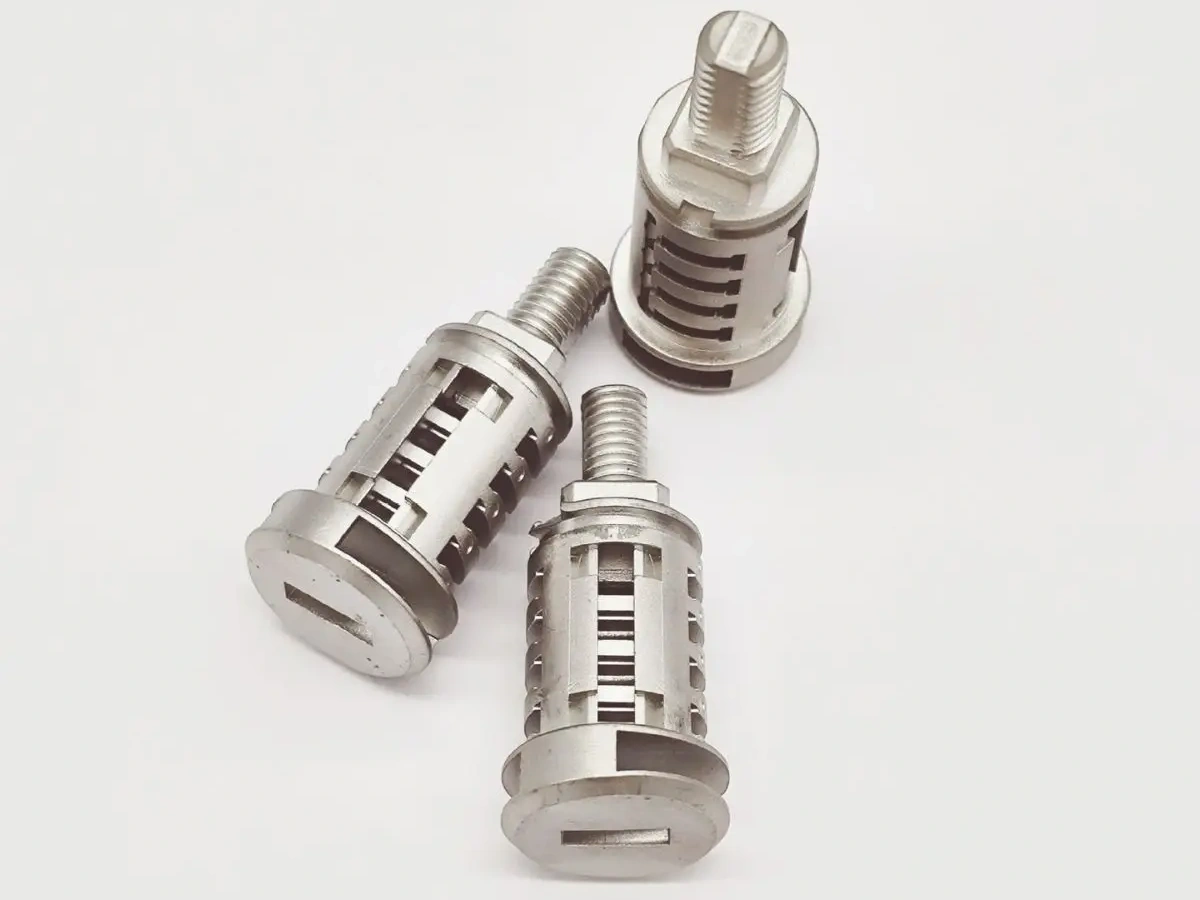
How Should Buyers Compare MIM With CNC Machining?
Buyers should compare MIM and CNC machining by geometry, quantity, material, tolerance, surface finish, and production stage. CNC machining is usually more flexible for prototypes, low quantities, and precision datum control. MIM can become more attractive when repeated production demand, complex small geometry, and part consolidation justify tooling.
The manufacturing difference matters. CNC machining removes material and can control machined features directly. MIM creates a near-net shape through molding and sintering, then may use secondary machining for selected functional areas. A MIM part with every surface held to tight machined requirements may lose the economic advantage of MIM. A MIM part with selected critical machined features can still be a practical route when most geometry benefits from molding.
Comparison Factor | Metal Injection Molding | CNC Machining | Buyer RFQ Decision |
|---|---|---|---|
Geometry | Strong for small complex shapes, ribs, bosses, and internal details | Strong for accessible machined faces, holes, slots, and turned features | Choose the route that creates the important shape with fewer process conflicts |
Production demand | Tooling-based route suited to repeat production after validation | Flexible route suited to prototypes, lower quantities, and design changes | State prototype, validation, and production demand separately |
Dimensional control | Depends on shrinkage control, tooling, sintering, and feature location | Depends on machining setup, tooling, datum strategy, and inspection | Identify which features need molded control and which need secondary machining |
Cost behavior | Tooling cost is important, with unit-cost behavior affected by volume and yield | Setup time and machining time remain important across quantities | Quote the expected production stage rather than only a sample quantity |
What Inspection Evidence Should Support MIM Approval?
Inspection evidence should focus on the features that affect buyer approval. Useful MIM inspection records can include dimensional inspection, CMM reports for critical geometry, gauge checks for threads or bores, visual inspection for surface condition, material documentation, hardness checks when heat treatment is relevant, and process notes for secondary operations.
The buyer should define inspection scope by function. A lock component may require bore position, gear interface, latch movement, and surface finish checks. A connector shell may require mating geometry, wall section, thread quality, and corrosion-related surface requirements. A small bracket may require datum control, hole position, and assembly fit. Buyer-owned functional validation should still be stated separately from supplier inspection.
What Should Buyers Include In A MIM RFQ?
A complete MIM RFQ should include CAD files, 2D drawings, material grade, expected production volume, prototype or validation stage, critical dimensions, datum features, threads, holes, wall sections, surface finish, heat treatment expectation, secondary machining needs, inspection requirements, mating parts, and any buyer validation tests.
Important decisions should be stated directly. If 17-4 PH is required, name the grade. If 316L is required for corrosion-related reasons, describe the environment. If Ti-6Al-4V is being reviewed for weight-sensitive parts, state the buyer validation method. If only selected features need tight control, mark those features so the supplier can quote molding, sintering, machining, and inspection without over-controlling the entire part.
Related FAQs
Which materials are suitable for metal injection molding MIM?
Why are custom metal injection molding services suitable for high-volume production?
How does production volume affect the unit cost of metal injection molded parts?
What tooling considerations are important for high-volume MIM production?
How can custom MIM services maintain part consistency across large production runs?
What quality inspection methods are used for tight-tolerance MIM components?