Metal Injection Molding for Medical, Automotive, Electronics, and Lock Components
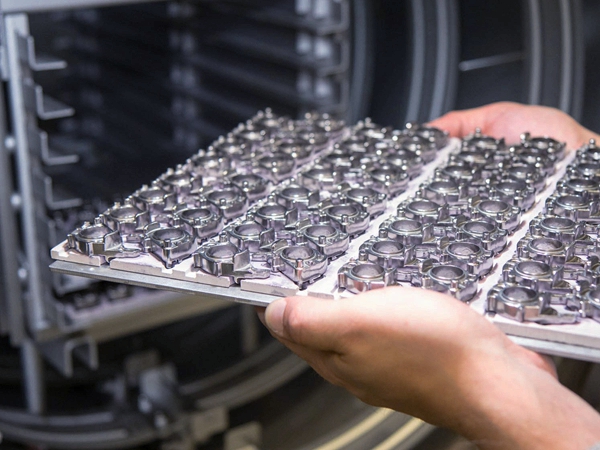
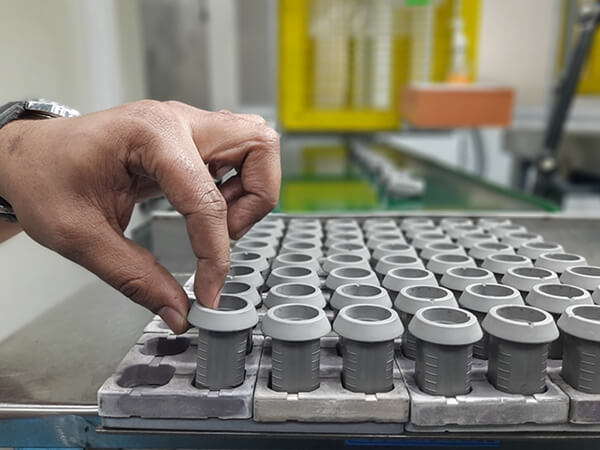
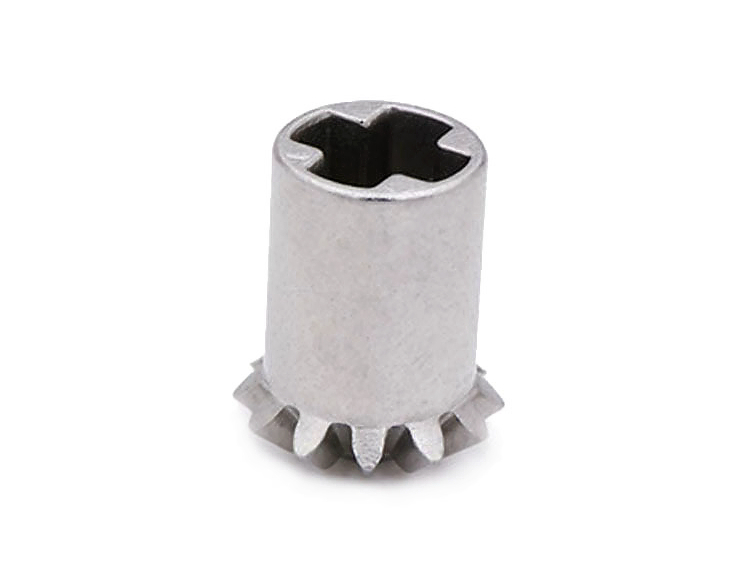
Across multiple industrial sectors, metal injection molding parts are widely used when products require small size, complex geometry, and stable batch production. MIM is especially suitable for components with thin walls, small holes, slots, gear-like features, curved profiles, and integrated functional details that would be difficult or inefficient to machine repeatedly from solid metal. This makes it a strong manufacturing route for precision components where geometry complexity and production consistency matter at the same time.
The reason MIM works across so many industries is that the process can be adapted through material selection, heat treatment, and secondary operations to support very different performance goals. Depending on the application, the final part may need corrosion resistance, strength, wear resistance, magnetic behavior, biocompatibility, density, or surface-related performance. That is why application fit should not be judged only by industry name. It should be judged by the actual part type, material direction, quality-document requirement, and post-processing logic behind the project.
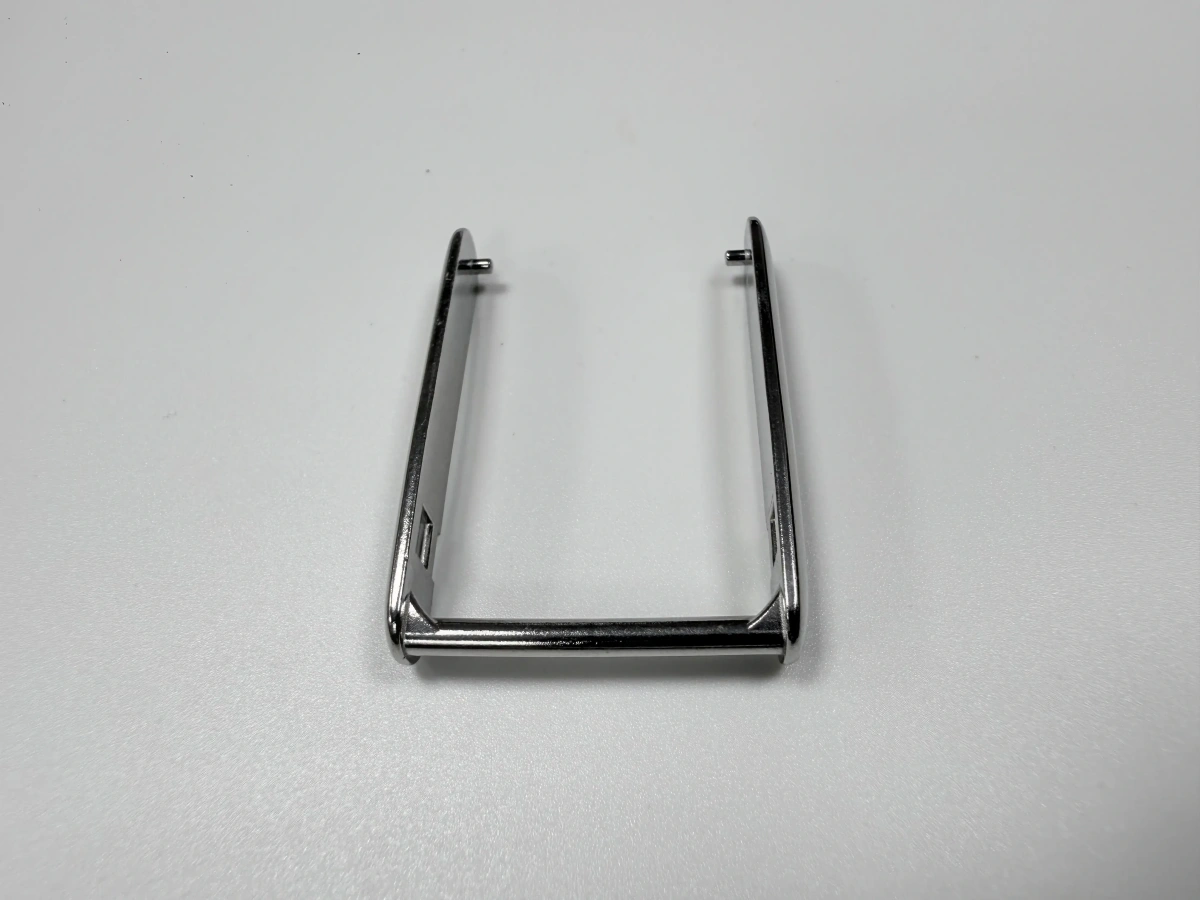
Why MIM Is Used for Precision Components Across Industries
MIM is used across industries because it solves a specific manufacturing problem: how to produce small, detailed metal parts repeatedly with good geometry control and scalable output. This is especially valuable when the part contains fine features such as miniature teeth, slots, thin sections, undercuts, or integrated structural details that are difficult to produce economically by full CNC machining. In these cases, MIM offers a near-net-shape route that is better aligned with medium- to high-volume production.
Another important advantage is that the process is compatible with a wide range of material systems and post-processing options. That allows engineers to target different functional needs, from corrosion resistance and strength to wear resistance, magnetic properties, or medical-material direction. However, industry use should always be evaluated through more than shape alone. The correct application of MIM depends on size, annual quantity, material requirement, tolerance logic, traceability expectations, and what finishing or heat treatment is needed after sintering.
Medical Device MIM Parts
Medical MIM parts are often used for small precision components where repeatability, corrosion resistance, and controlled finishing matter strongly. Typical examples include surgical instrument components, small clamps and jaws, minimally invasive device parts, precision holders, connectors, and structural subcomponents. In some programs, implant-related trial parts or auxiliary components may also be evaluated through MIM depending on the application pathway and material requirement. Buyers exploring this area can review medical device manufacturing as part of broader product-direction assessment.
Common material directions for medical-related MIM work include 316L stainless steel, 17-4 PH stainless steel, MIM Ti-6Al-4V, and MIM CoCrMo ASTM F75. In medical applications, quality focus is often placed on material traceability, surface condition, cleanliness, dimensional consistency, and whether the required post-processing such as passivation or other finishing can be controlled properly. For this reason, a medical MIM supplier must be able to support not only shape manufacturing, but also documentation and process discipline.
Typical Medical MIM Part Logic
Part Type | Typical Material Direction | Key Quality Focus |
|---|---|---|
Surgical instrument components | 316L, 17-4 PH | Surface finish, dimensional consistency, corrosion resistance |
Small clamps and jaws | 17-4 PH, CoCrMo | Strength, wear behavior, traceability |
Minimally invasive device parts | 316L, Ti-6Al-4V | Small-feature control, cleanliness, consistency |
Precision holders and connectors | 316L, 17-4 PH | Assembly precision, corrosion resistance, finish control |
Automotive and E-Mobility MIM Components
In automotive and e-mobility products, MIM is often used for small transmission parts, sensor housings, brackets, locking and latch components, motor-related precision parts, and selected control-system metal parts. These are usually not large structural castings. They are compact functional components where geometry complexity, wear resistance, and batch consistency matter more than large-part envelope size. Buyers reviewing the broader system context can refer to automotive components manufacturing and e-mobility components.
Typical materials in this area include 17-4 PH, 4140, 4340, 8620, selected stainless steels, and in some cases soft magnetic alloys for specific functional uses. Quality focus is usually placed on batch consistency, wear resistance, strength, heat-treatment response, and assembly accuracy. In selected rotating or motor-related applications, balance-related performance may also matter, and buyers can review rotor dynamic balance control for related engineering logic. For automotive and electric-drive projects, MIM is most suitable when the part is small, precise, and repeatedly produced in large quantities.
Consumer Electronics and Telecom MIM Parts
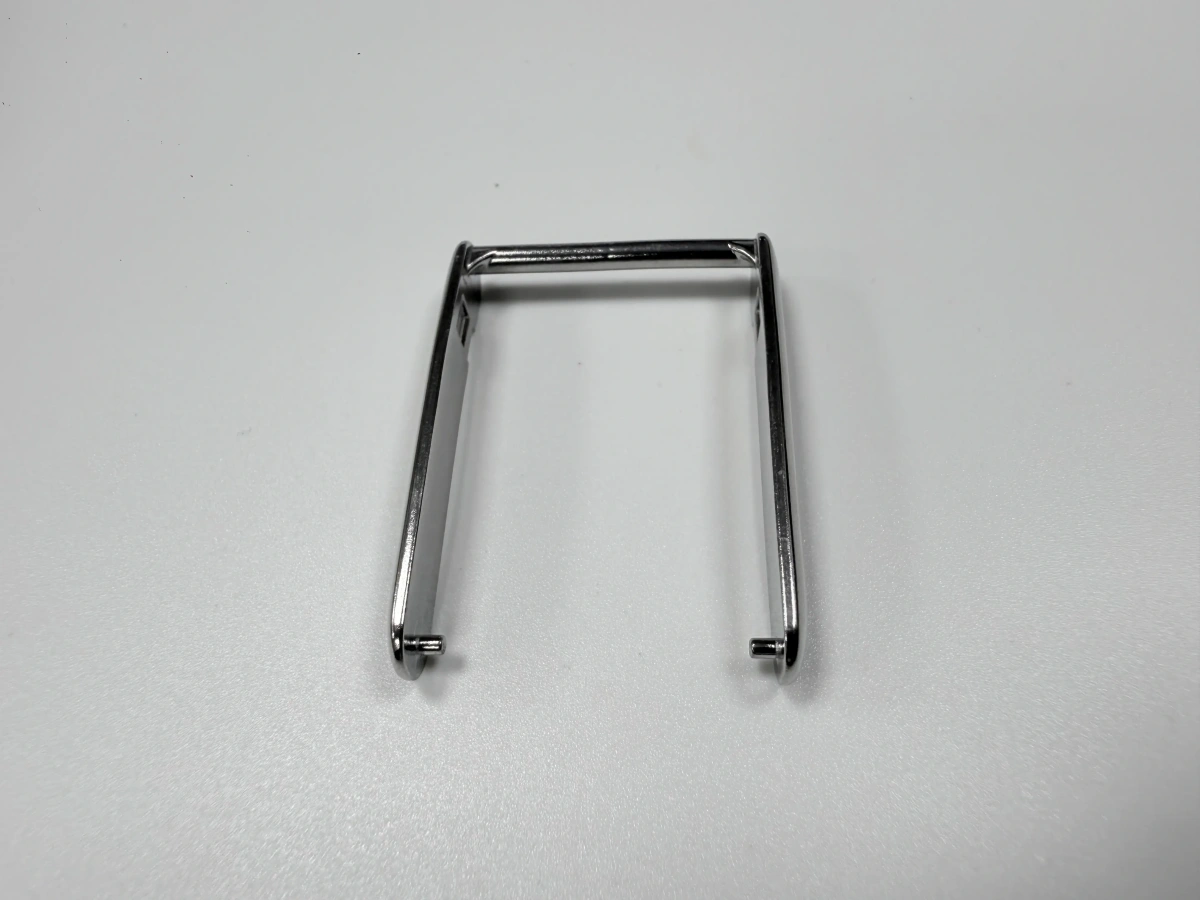
Consumer electronics and telecom products often use MIM for hinges, SIM trays, compact structural frames, connector elements, RF-related small parts, shielding-related components, and wearable-device metal hardware. In these applications, the parts are typically small and detail-sensitive, and they often require strong dimensional stability in high-volume production. Buyers exploring the product context can review consumer electronics components and telecommunication components.
Materials often include 316L, 17-4 PH, selected magnetic alloys, and tungsten-based systems where weighting or shielding matters. For example, MIM W-Ni-Cu tungsten alloy may be relevant when density or shielding-related function is part of the design logic. Quality attention in this sector usually focuses on miniature dimensions, visual consistency, surface treatment response, dimensional stability, and large-batch repeatability. The smaller the part, the more valuable MIM often becomes compared with full machining, especially when the design contains multiple detailed features that must be produced consistently at scale.
MIM Parts for Locking Systems and Power Tools
Locking systems and power tools are two of the most natural application areas for MIM because they often use small mechanical parts that combine detail, wear exposure, and repeated production demand. Typical part types include lock gears, latches, cam mechanisms, anti-prying components, transmission-related tool parts, and other compact wear-focused mechanical elements. Buyers looking at product direction can explore locking system components and power tool components.
Common materials for these applications include 420 and 440C stainless steels, 17-4 PH, tool steels, low-alloy steels with heat treatment, and in selected high-wear cases MIM Stellite 6. The main quality concerns are wear resistance, strength, hardness, dimensional consistency, and the effect of surface treatment or friction control on final product performance. In these application areas, MIM is often selected because it can produce detailed small mechanical features in a way that is scalable and more efficient than full machining for stable production volumes.
How to Match MIM Materials with Industry Requirements
The best way to match a MIM material to an industry project is to begin with the actual performance requirement rather than the industry label alone. Medical parts typically prioritize corrosion resistance, surface quality, and traceability. Automotive parts focus more on strength, wear resistance, and batch stability. Consumer electronics emphasize appearance, miniaturization, and dimensional consistency. Locking systems emphasize wear resistance, strength, and anti-prying performance. Power tool components place stronger attention on hardness, impact behavior, and operating life. Telecom parts may prioritize shielding, structure, and precision depending on the device function.
Industry Material Matching for MIM Parts
Industry Need | Recommended Material Direction | Key Focus |
|---|---|---|
Medical devices | 316L, Ti-6Al-4V, CoCrMo | Corrosion resistance, surface quality, traceability |
Automotive parts | 17-4 PH, 4140, 8620 | Strength, wear resistance, batch stability |
Consumer electronics | 316L, 17-4 PH, tungsten alloys | Appearance, miniaturization, dimensional consistency |
Locking systems | 420, 440C, 17-4 PH | Wear resistance, strength, anti-prying performance |
Power tools | Tool steels, low alloy steels, Stellite 6 | Hardness, impact resistance, life |
Telecom | Stainless steels, magnetic alloys, tungsten alloys | Shielding, structure, precision |
What Makes a MIM Supplier Suitable for Industry Projects?
A suitable MIM supplier should be able to do more than mold the nominal shape. The supplier should be able to review DFM, evaluate shrinkage and sintering behavior, recommend suitable materials, and define which surfaces may need heat treatment, machining, or finishing after sintering. This is especially important in industry projects where the part must meet application-specific performance and documentation requirements rather than only basic geometry.
The supplier should also be able to support dimensional inspection, batch traceability, and post-processing options such as machining, heat treatment, and surface treatment where needed. For many industry programs, it is also important that the supplier can support a practical path from prototype evaluation to mass production instead of treating those as separate disconnected phases. Finally, if the end market requires specific quality documents, the supplier should be able to align material records, inspection planning, and traceability with those expectations. In MIM, supplier suitability is closely tied to process discipline and engineering judgment, not only equipment ownership.
FAQ
What types of parts are best suited for metal injection molding services?
Which materials are commonly used for metal injection molding parts?
What design features should be optimized for metal injection molding parts?
How does shrinkage control affect metal injection molding quality?
How do MIM and die casting differ for complex metal components?