How do MIM and die casting differ for complex metal components?
How do MIM and die casting differ for complex metal components?
Metal injection molding and die casting differ in material system, part size, geometry detail, density control, tooling route, and post-processing needs. For an RFQ, buyers should compare MIM for small precision steel or alloy components against die casting for aluminum or zinc housings, brackets, frames, heat-dissipation parts, and larger structural components.
Metal injection molding uses metal powder and binder to form compact complex parts, then debinding and sintering create the final dense metal component. Aluminum die casting and zinc die casting inject molten alloy into a die to form near-net metal parts. A useful process selection should start with material grade, part envelope, wall thickness, tolerance priorities, production volume, and functional surfaces.
Which material systems separate MIM from die casting?
MIM is usually selected for stainless steel, low-alloy steel, soft magnetic alloy, tungsten alloy, tool steel, and other powder metallurgy material systems. Die casting is usually selected for aluminum alloys and zinc alloys that flow well as molten metal into a die.
This material difference is often the first RFQ filter. If the component needs stainless steel corrosion resistance, magnetic behavior, high hardness after heat treatment, or a small steel geometry, MIM may be the practical route. If the component needs lightweight aluminum structure, zinc casting detail, or a larger housing shape, die casting may fit the manufacturing requirement better.
Process Entity | Typical Material System | Common Component Type |
|---|---|---|
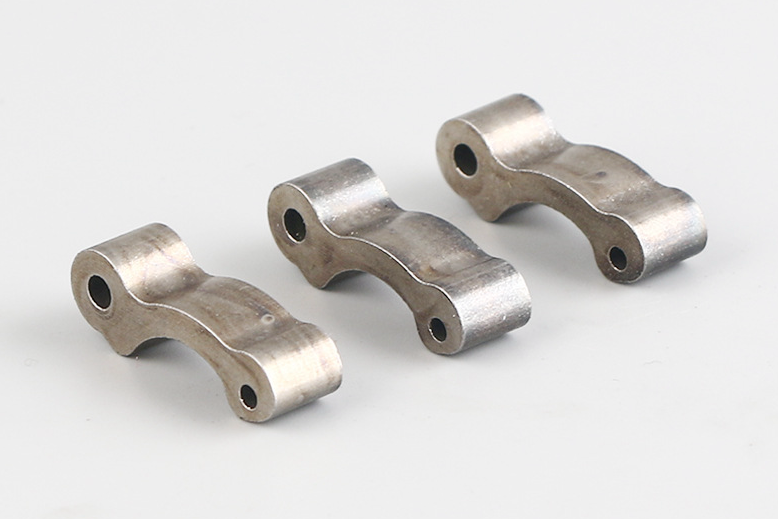
MIM | Stainless steel, low-alloy steel, soft magnetic alloy, tungsten alloy, tool steel | Small precision parts, medical hardware, lock parts, gears, connectors |
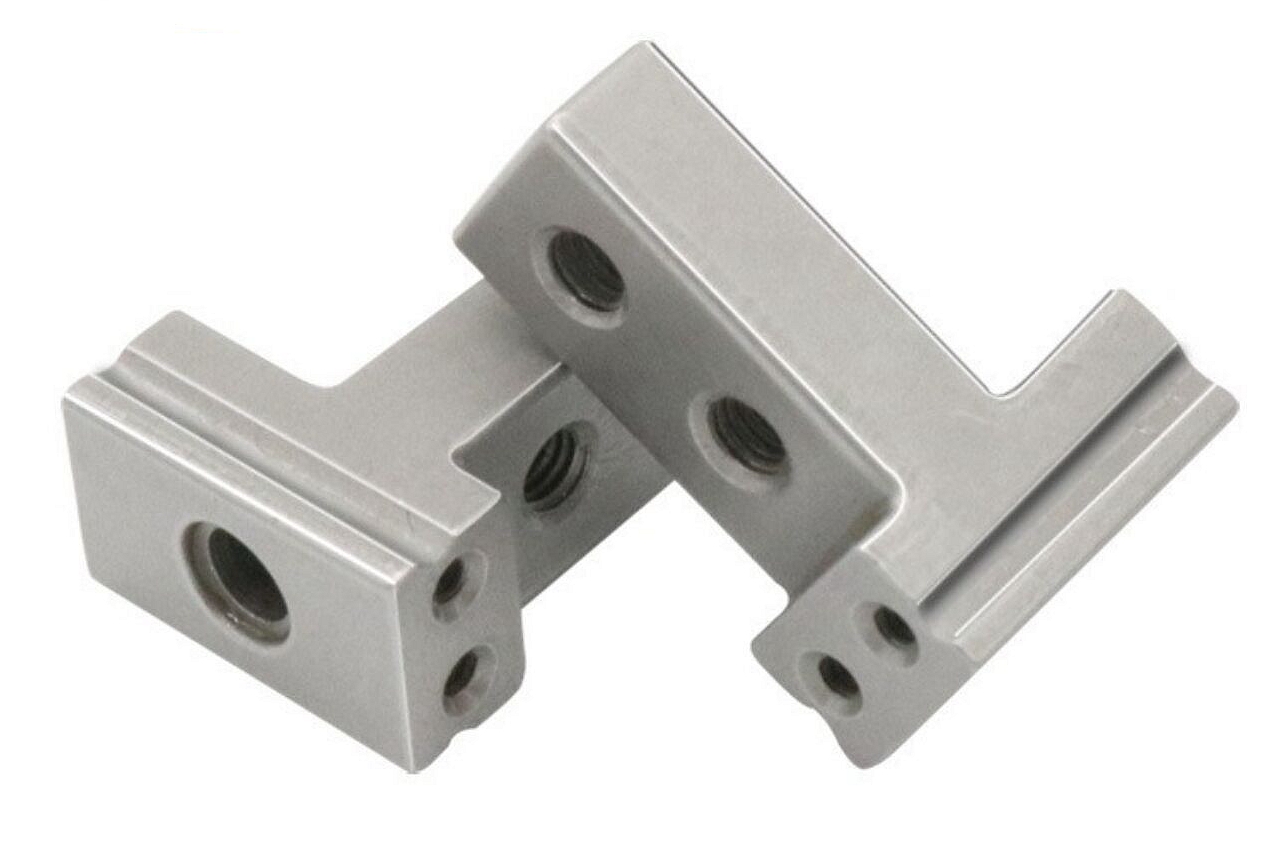
Aluminum die casting | A380, ADC12, 360, 383, and other aluminum casting alloys | Housings, covers, brackets, frames, heat sinks, motor components |
Zinc die casting | Zamak and ZA zinc alloy systems | Decorative hardware, small housings, consumer parts, lock and latch components |
How do part size and wall thickness affect the process choice?
Part size and wall thickness often separate MIM from die casting. MIM is generally suited to compact parts with fine features and controlled sintering shrinkage. Die casting is usually more practical for larger aluminum or zinc components with ribs, bosses, mounting points, and thin-wall casting geometry.
For RFQ review, buyers should provide the part envelope, nominal wall thickness, thinnest wall, largest projected area, and weight target. A small precision steel latch may fit MIM, while a larger aluminum electronic housing or heat-dissipation component is usually a die casting question.
Geometry Factor | MIM Implication | Die Casting Implication |
|---|---|---|
Small compact geometry | Strong fit when complex detail and powder metallurgy material are needed | Possible for zinc, but material and tooling goals must fit |
Large housing or frame | Usually less practical because sintering and tooling become difficult | Common fit for aluminum die casting |
Thin wall and ribs | Must be checked for feedstock flow, debinding, and sintering distortion | Must be checked for melt flow, filling, porosity, and ejection |
How do geometry detail and internal features differ between MIM and die casting?
MIM can be effective for small complex features, fine teeth, slots, holes, curved shapes, and compact internal details when the mold and sintering route can support the geometry. Die casting can form complex external housing geometry, ribs, bosses, mounting holes, and decorative surfaces, but the process must manage parting lines, draft, ejection, metal flow, and porosity risk.
The RFQ implication is clear: buyers should mark which features are functional and which surfaces are cosmetic. A functional bore, datum face, threaded hole, sealing surface, or bearing seat may require secondary machining whether the primary process is MIM or die casting.
How do density, porosity, and mechanical properties differ?
MIM quality depends on feedstock consistency, debinding, sintering density, shrinkage control, and material validation. Die casting quality depends on melt temperature, die temperature, injection speed, venting, cooling, and porosity control.
This difference matters for buyer requirements such as strength, hardness, corrosion resistance, pressure tightness, magnetic behavior, plating quality, and cosmetic finish. MIM is often reviewed as a sintered metal density and tolerance problem, while die casting is often reviewed as a filling, porosity, and casting-defect control problem. For a wider process comparison, see metal injection molding vs die casting.
Quality Entity | MIM Control Focus | Die Casting Control Focus |
|---|---|---|
Dimensional stability | Shrinkage compensation and sintering validation | Die temperature, cooling, and parting-line control |
Internal quality | Density, debinding, and sintering defects | Porosity, cold shuts, shrinkage cavities, and flow marks |
Surface requirement | Sintered surface plus polishing, machining, or coating if required | As-cast surface plus trimming, deburring, machining, plating, or coating |
How do tooling cost and production volume affect MIM vs die casting?
Both MIM and die casting require production tooling, so both routes are more suitable when the design is stable and production volume can justify tooling. MIM tooling must account for shrinkage from green part to sintered part. Die casting tooling must account for melt flow, cooling, ejection, runners, gates, and parting-line design.
Buyers should provide annual volume, expected product life, prototype status, target material, and drawing revisions. A high-volume small stainless steel component may justify MIM tooling, while a high-volume aluminum housing may justify die casting tooling. If the design is still changing, prototype machining or rapid tooling may be needed before committing to either route.
What post-processing should buyers expect after MIM or die casting?
MIM parts may need sizing, CNC machining, reaming, tapping, grinding, polishing, heat treatment, coating, or passivation. Die cast parts may need trimming, deburring, shot blasting, CNC machining, tapping, impregnation, anodizing, plating, painting, or powder coating.
For quotation, buyers should state which surfaces are functional, which holes are threaded, which cosmetic surfaces are visible, and which inspection records are required. Post-processing can decide the final cost and lead time as much as the primary forming process.
What RFQ information helps choose between MIM and die casting?
Buyers should send the 3D model, 2D drawing, material grade, part size, wall thickness, annual volume, tolerance priorities, surface finish, pressure-tightness requirement, cosmetic standard, and post-processing expectations. This information lets the supplier decide whether the complex metal component fits MIM, aluminum die casting, zinc die casting, or a different manufacturing route.
The strongest process decision is entity-based: material first, part size second, geometry and wall thickness third, then tolerance, quality risk, secondary operations, and volume. That sequence prevents a small steel precision part from being forced into die casting or a large aluminum housing from being forced into MIM.
Related FAQs