Large Auto Parts Stamping And Deep Drawn Manufacturing Considerations
Large Auto Parts Stamping and Deep Drawing RFQ Decision: Large auto parts stamping and deep drawn manufacturing use sheet metal stamping routes to form panels, brackets, covers, trays, shields, reinforcement parts, and shell-like components from metal sheet. This article explains when stamping and deep drawing fit large automotive-style parts, what forming risks buyers should review, and what RFQ details are needed before tooling, pilot production, or mass production decisions.
The practical RFQ problem is that large stamped parts are sensitive to material grade, sheet thickness, draw depth, springback, flatness, wrinkling, cracking, trim edges, tool access, and inspection datums. For automotive or safety-related programs, buyer specifications, qualification requirements, and acceptance criteria must be defined before manufacturing review. Final validation remains the buyer's responsibility.
How Stamping and Deep Drawing Differ for Large Auto Parts
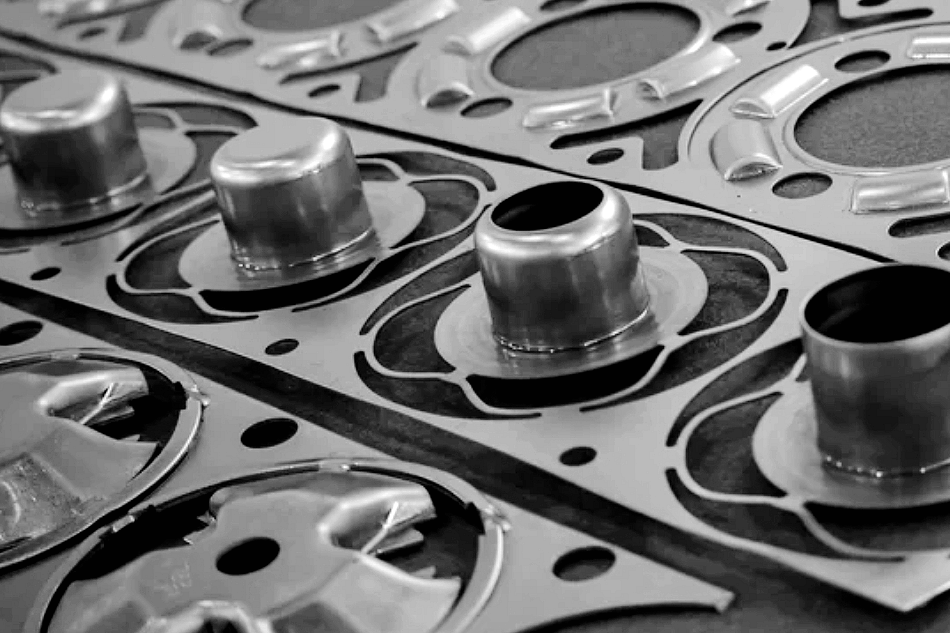
Sheet metal stamping forms flat sheet with dies and press operations such as blanking, piercing, bending, flanging, embossing, trimming, and restriking. Deep drawing is a forming route where sheet metal flows into a die cavity to create deeper shells, pans, cups, or recessed features. Large auto parts may use one route or a combined sequence depending on geometry.
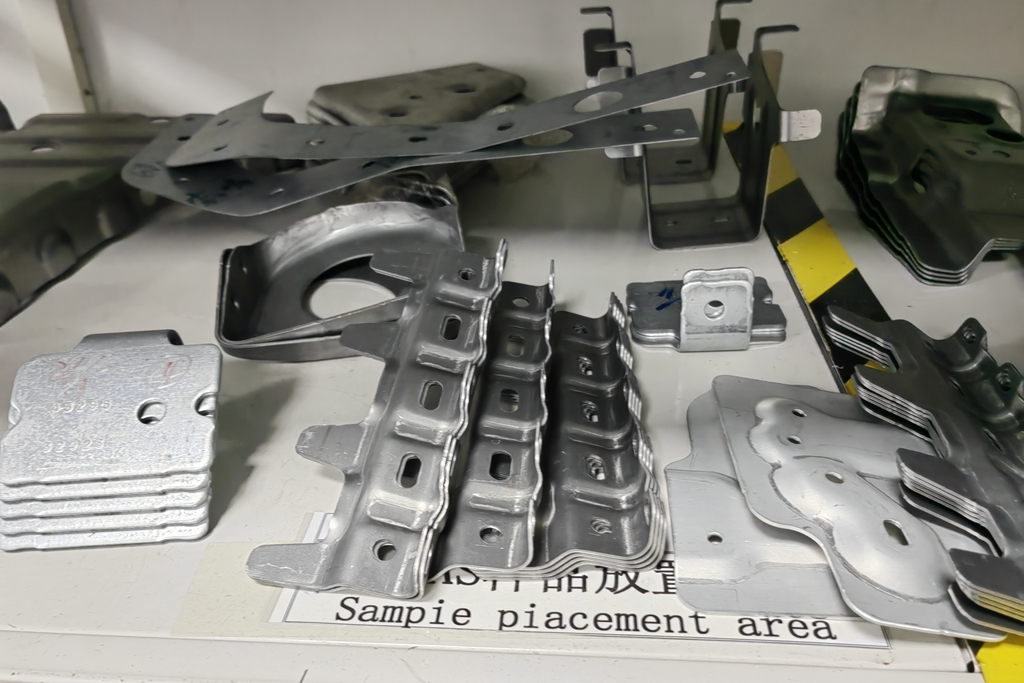
Stamping is often reviewed for brackets, panels, shields, mounting plates, covers, and reinforcement parts. Deep drawing is reviewed when a part needs depth, continuous walls, rounded transitions, or a shell-like form. The decision depends on draw depth, material ductility, corner radius, wall transitions, trimming allowance, and whether the part can be formed without wrinkling or tearing.
Stamping Process Controls for Large Sheet Metal Auto Parts
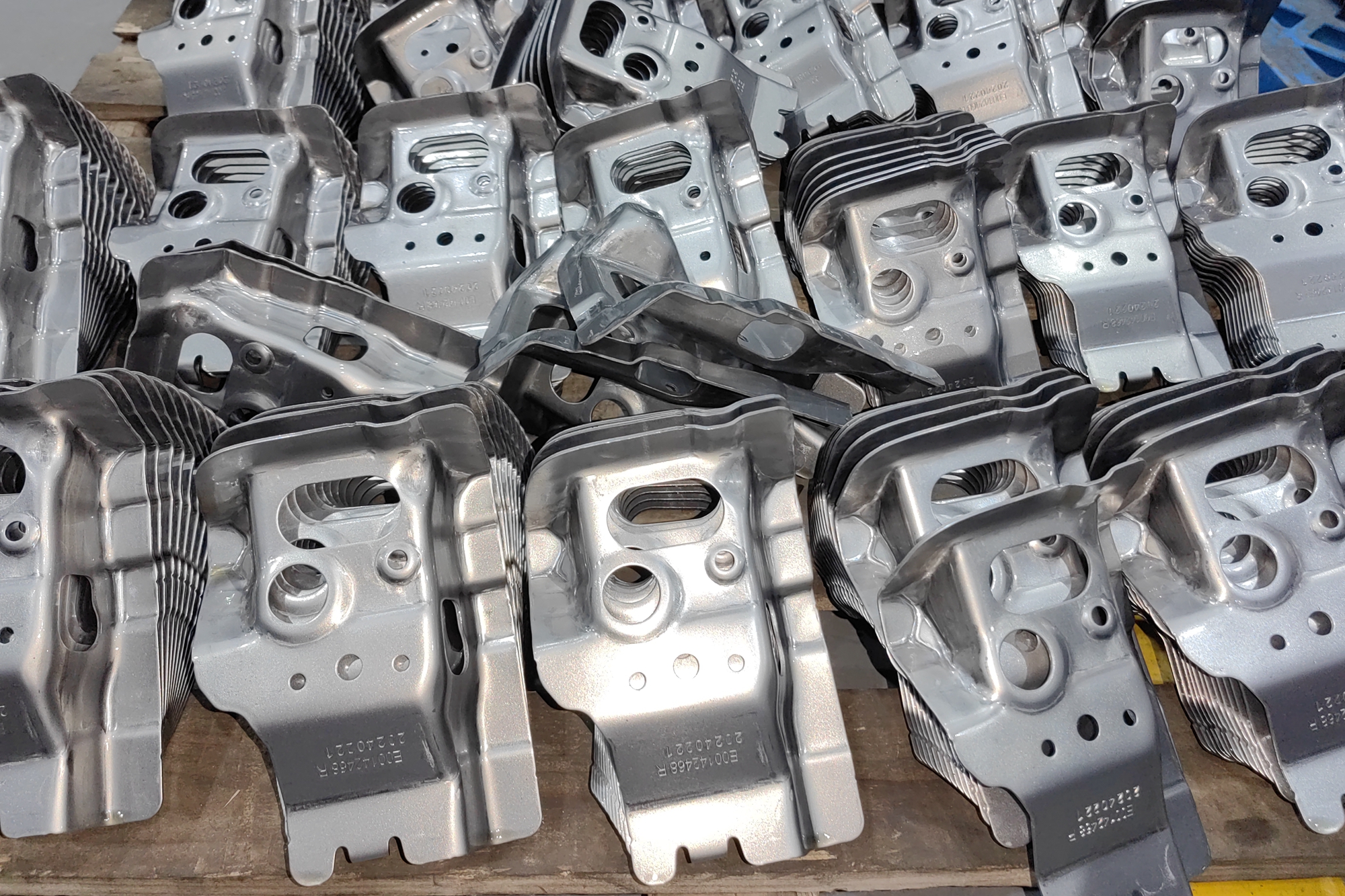
Large part stamping requires control of blank size, material direction, die clearance, press sequence, parting line, burr direction, and springback. A large flat or lightly formed part can warp if stress is released unevenly. Holes near bends or formed ribs can move after forming. Trim edges and pierced holes may need datum-based inspection.
Buyers should define functional datums, hole position requirements, visible surfaces, burr-side preference, flatness zones, assembly interfaces, and coating requirements. If the part will later be welded, riveted, or assembled into a larger structure, the RFQ should define joint locations and access constraints.
Deep Drawing Controls for Large Shells, Trays, and Recessed Features
Deep drawing large parts requires material flow control. Blank holder force, draw radius, lubrication, draw beads, trim allowance, and redraw sequence can affect wrinkling, wall thinning, cracking, and surface marks. A large drawn pan or shell can require multiple forming and trimming stages before the final shape is stable.
The RFQ should define draw depth, corner radii, bottom flatness, wall thickness concerns, cosmetic surfaces, mating edges, and post-forming operations. If sealing, fluid containment, or structural loading is involved, the buyer should specify leak testing, pressure testing, or mechanical validation requirements before quotation.
Material, Springback, Wrinkling, and Cracking Risks
Material selection affects formability and final shape. Low-carbon steel, high-strength steel, stainless steel, aluminum, and other sheet materials can behave very differently during stamping and deep drawing. Material grade, temper, coating, thickness, and grain direction should be defined before tooling review.
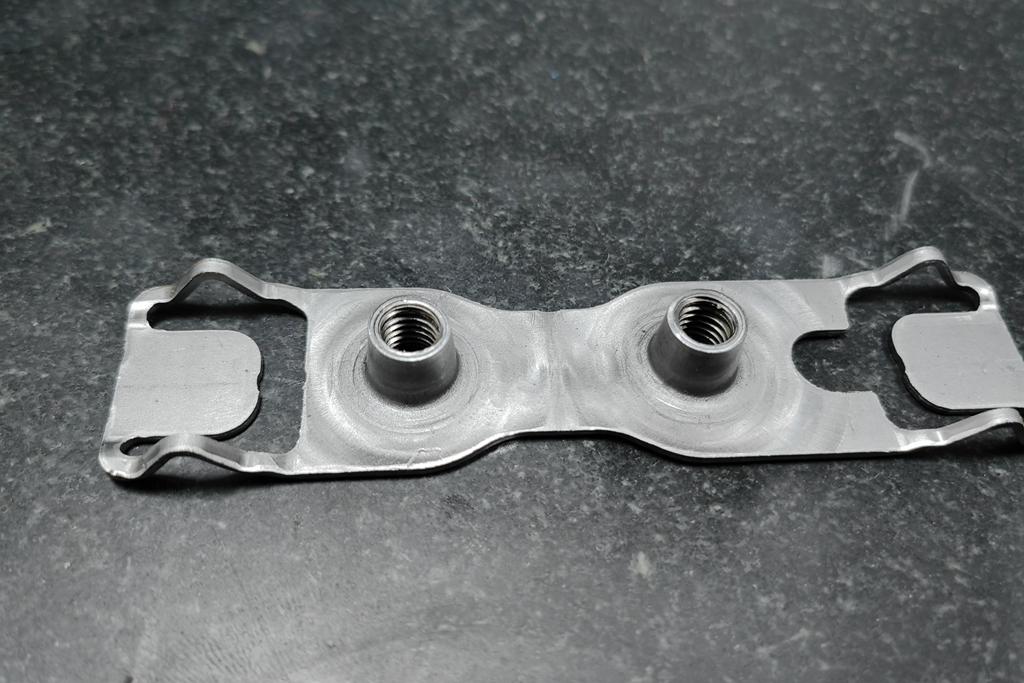
Springback can change flange angles and hole positions after forming. Wrinkling can occur when compressive forces are not controlled during drawing. Cracking can occur when the material is stretched beyond its forming limit or when radii are too sharp for the material. These risks should be reviewed before tooling release because they can affect both cost and production stability.
Part Feature | Stamping or Deep Drawing Risk | RFQ Detail Needed | Inspection Evidence |
|---|---|---|---|
Large flat panel | Warping, oil canning, clamp marks, or flatness variation. | Flatness zone, cosmetic side, material grade, and packaging requirement. | Flatness check, visual standard, and dimensional report. |
Deep drawn shell | Wrinkling, thinning, cracking, and trim-height variation. | Draw depth, corner radius, wall requirement, and lubricant restriction. | Dimensional report, wall check if required, and visual inspection. |
Flange and hole pattern | Springback, hole movement, burrs, and assembly mismatch. | Datum scheme, hole function, burr side, and bend angle requirement. | CMM report, go/no-go gauge, and assembly fit check. |
Trimmed edge | Burrs, edge cracking, and inconsistent trim line. | Edge function, coating requirement, and allowable tool marks. | Edge visual inspection and burr standard. |
Tooling, Pilot Production, and Inspection Evidence
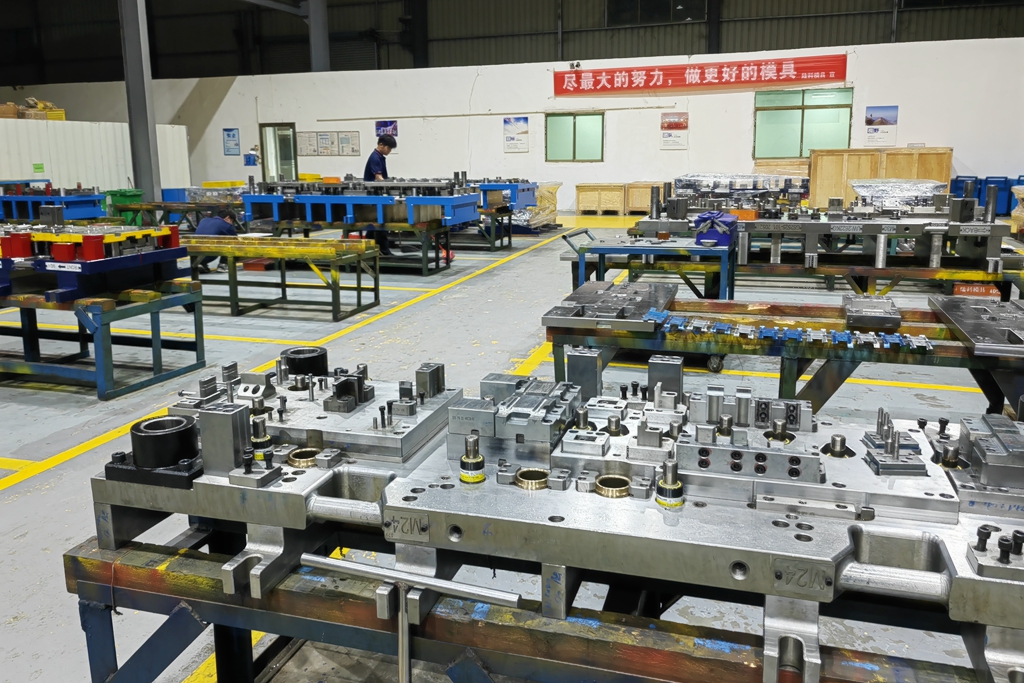
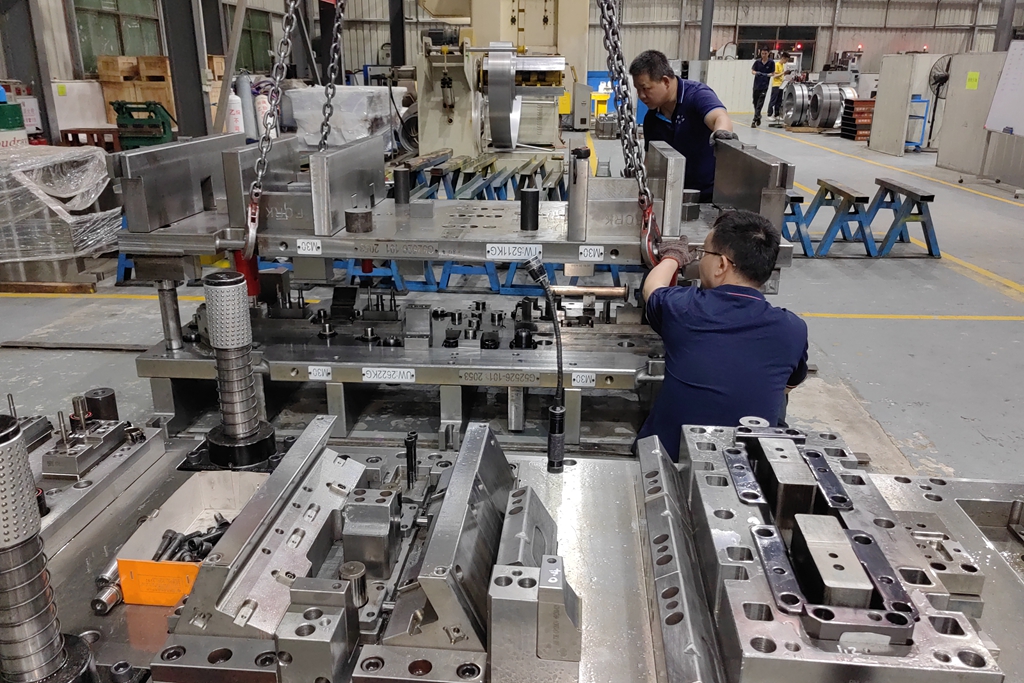
Large stamped parts usually need tooling review before production. Tooling decisions may include blank layout, die stations, draw beads, trim operations, restrike stations, pilot lots, and inspection fixtures. A pilot lot can help confirm springback, trim line, hole location, surface condition, and assembly fit before larger production commitments.
Inspection evidence may include first article inspection, dimensional reports, CMM reports for selected datums, visual standards, material certificate if required by the buyer, coating thickness report, hardness check if required, and functional assembly checks. The exact inspection plan should come from the drawing and buyer acceptance criteria.
What Neway Precision Reviews Before Large Auto Parts Stamping
Neway Precision reviews large stamped and deep drawn parts by checking the material, part size, draw depth, wall transitions, bend features, hole locations, trim edges, cosmetic surfaces, secondary operations, and inspection scope. A complete RFQ should include the 2D drawing, 3D model, material grade, sheet thickness, expected quantity, prototype or production stage, critical dimensions, finish requirements, packaging needs, and acceptance records.
Related FAQs
What Is Progressive Stamping And How Does It Benefit High-Volume Production?
What Are The Common Defects In Sheet Metal Stamping And How Can They Be Prevented?
What Are The Common Issues Encountered During Mass Production Metal Stamping?
Why Is Regular Tooling Maintenance Critical In High-Volume Metal Stamping Processes?
What Factors Most Significantly Impact The Cost Of Custom Metal Stamping?