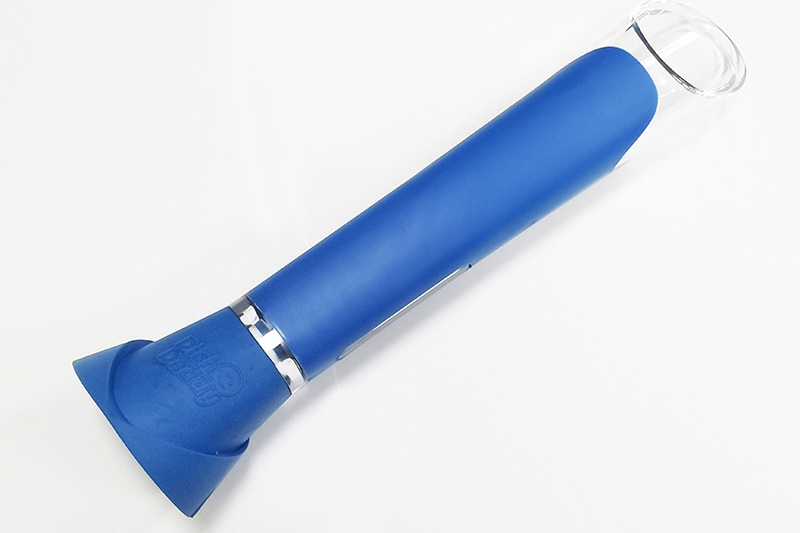
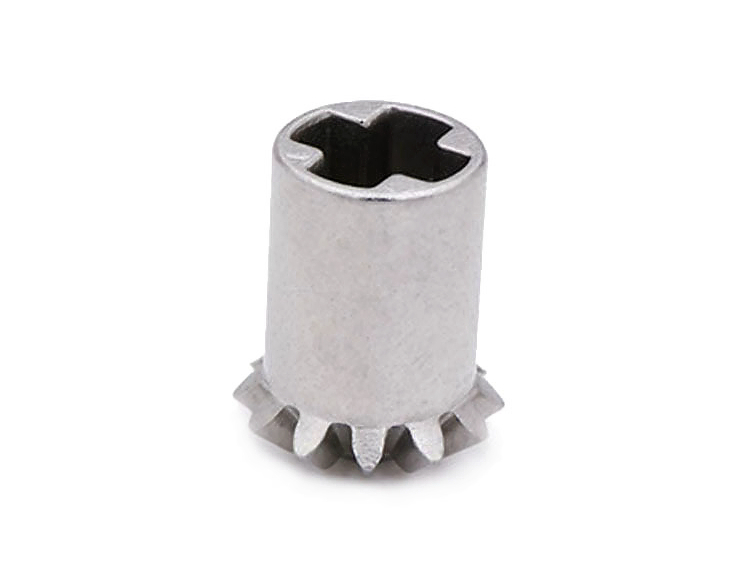
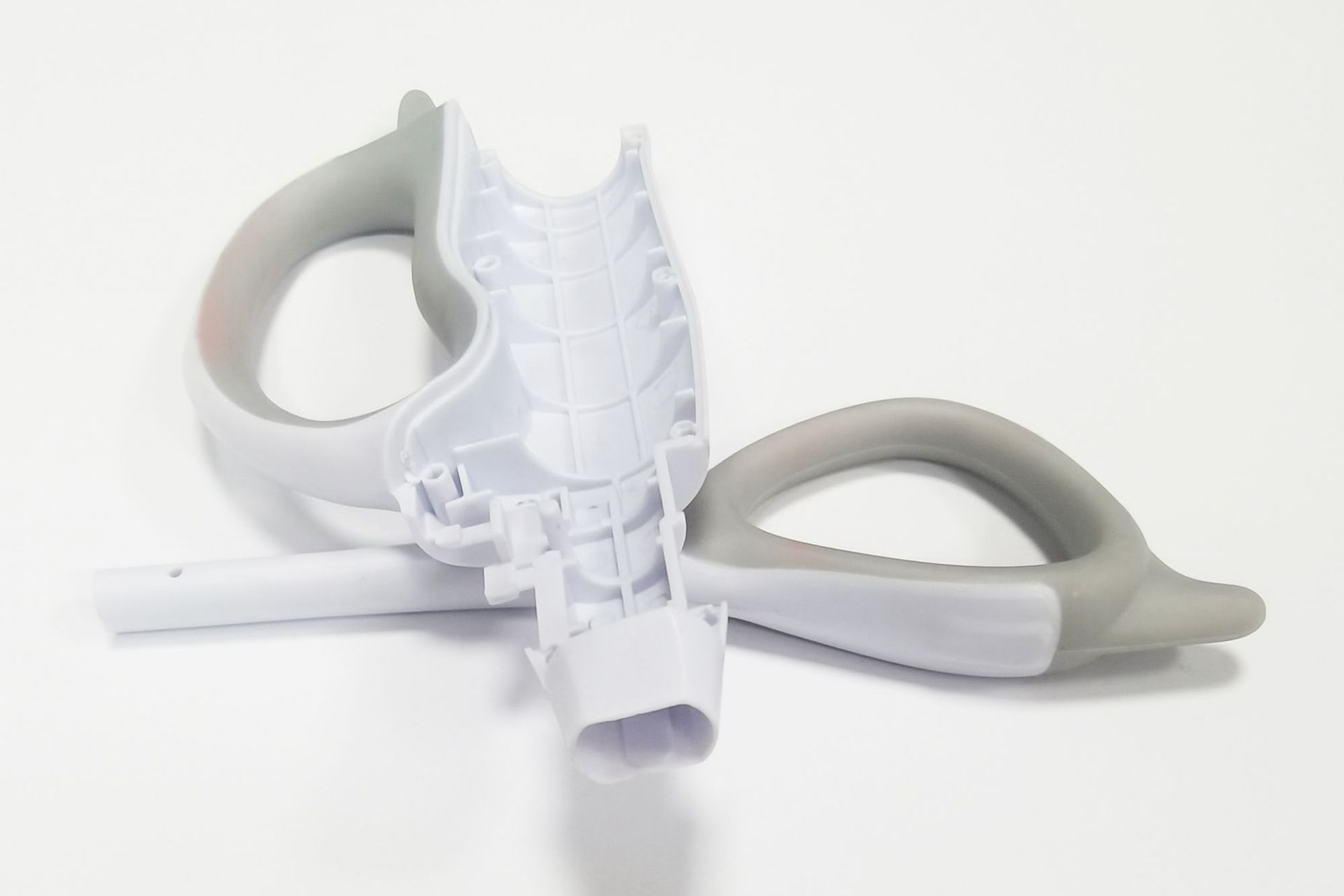
Durable & Aesthetic Covers for Consumer Electronic Products
Consumer Electronics Durable Cover RFQ Decision: This article explains how buyers can specify durable and aesthetic covers for consumer electronic products made by plastic injection molding, laser cutting, metal bending, and sheet metal stamping. The practical RFQ problem is choosing a cover route for handheld device casings, wearable covers, audio product panels, smart home housings, display bezels, control panels, and metal shields while defining material, appearance, scratch risk, impact load, assembly interfaces, finish, and inspection evidence.
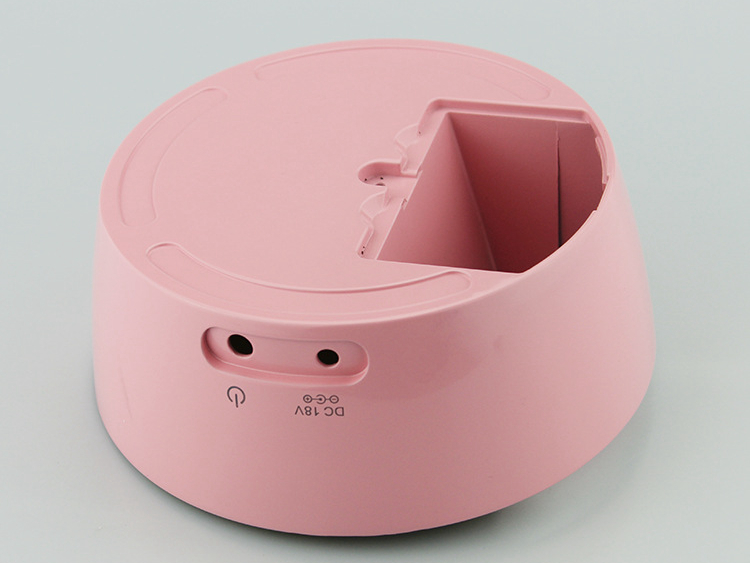
Which Cover Function Is Being Quoted?
Buyers should define the cover function before selecting the process. A consumer electronics cover may protect internal electronics, provide an exterior cosmetic surface, support buttons and connectors, guide airflow, carry branding texture, shield EMI, or act as a removable service panel.
The engineering reason is that appearance and durability are controlled by different manufacturing details. A plastic injection molded cover may need ribs, bosses, snap fits, texture, color control, and sink mark prevention. A sheet metal cover may need flatness, bend lines, laser-cut openings, formed tabs, surface grain direction, and coating control.
For quotation, the buyer should state the product type, cover location, visible faces, mating parts, required assembly method, expected handling condition, material preference, finish requirement, drawing revision, CAD model status, and buyer-side test plan. These details help the supplier quote the cover as a functional product component rather than a generic decorative shell.
Which Manufacturing Process Fits Plastic And Sheet Metal Covers?
Process selection should follow geometry, volume stage, surface appearance, feature depth, strength need, and whether the cover is plastic, metal, or a hybrid assembly. Plastic injection molding is often suitable for sculpted housings and snap-fit covers. Laser cutting, metal bending, and sheet metal stamping are often suitable for thin metal covers, brackets, panels, shields, and decorative or structural plates.
Manufacturing Process | Best-Fit Cover Type | RFQ Decision Buyers Should State |
|---|---|---|
Plastic injection molding | Handheld housings, battery covers, wearable shells, audio product covers, smart home casings, and snap-fit panels | Define resin, wall thickness, ribs, bosses, texture, visible surfaces, color, mold action needs, and critical dimensions. |
Laser cutting | Metal cover blanks, display windows, connector openings, ventilation slots, shield plates, and prototype panels | Define sheet material, thickness, cut profile, hole quality, burr concern, edge requirement, and downstream bending or finishing. |
Metal bending | U-shaped covers, folded panels, mounting flanges, service covers, enclosure lids, and formed brackets | Define bend direction, bend radius, grain direction if relevant, hole-to-bend distance, flatness, and mating edge requirements. |
Sheet metal stamping | Repeatable metal covers, shield parts, clips, decorative plates, formed tabs, and higher-volume panel features | Define material, feature depth, formed geometry, burr direction, cosmetic side, tooling stage, and inspection points. |
A buyer should not select a process only by the word cover. The process should match the required geometry, surface condition, assembly function, and production stage. A molded plastic cover may be right for ergonomic shapes, while a stamped metal cover may be better for thin EMI shielding or spring-like features.
Which Materials And Finishes Should Buyers Specify?
Material and finish should be specified together because surface appearance, scratch behavior, impact resistance, heat exposure, and assembly strength are connected. The RFQ should identify the intended material grade whenever the buyer already knows the final product requirement.
Material Or Finish Entity | Relevant Cover Process | Buyer Requirement To Clarify |
|---|---|---|
ABS, PC, PC/ABS, PA, PBT, or other engineering resin | Plastic injection molding | Impact requirement, heat exposure, color, texture, flame-retardant grade if required, and surface class. |
Stainless steel, aluminum, copper alloy, or coated steel sheet | Laser cutting, metal bending, and sheet metal stamping | Sheet thickness, grain direction, corrosion exposure, bend behavior, flatness, and cosmetic side. |
Painting, powder coating, plating, anodizing where suitable, brushing, polishing, or texture | Plastic and metal cover finishing | Visible faces, color target, gloss level, masked areas, coating thickness concern, and acceptable witness marks. |
Conductive coating, metal shield surface, or contact area | EMI-related cover design | Shielding path, grounding interface, coating continuity, contact points, and buyer-side device test method. |
If the material is still open, the buyer should describe the cover risk in functional terms. The RFQ can state whether the main concern is scratch resistance, drop impact, cosmetic appearance, EMI shielding, heat exposure, repeated assembly, or thin-wall weight reduction.
How Should Scratch Resistance, Impact Resistance, And Cosmetic Surfaces Be Controlled?
Cosmetic requirements should be separated from mechanical requirements. Buyers should mark the A-surface, nonvisible side, edge condition, logo or texture area, fastener zones, snap-fit features, and any surface that touches another component during assembly.
The engineering reason is that cosmetic defects have different causes in different processes. Plastic injection molding can create sink marks, weld lines, flow marks, warpage, gate vestige, and texture inconsistency. Laser-cut metal covers can show burrs or heat-affected edge conditions. Bent sheet metal covers can show bend marks, springback, and flatness change. Stamped covers can show burr direction, draw marks, and feature distortion.
Important buyer decisions should be stated directly. If a surface is visible after product assembly, mark it as a cosmetic face. If an edge is touched by a user, define the edge condition. If a cover must resist repeated snap-fit assembly, identify the clip area and mating part data. If the cover supports EMI shielding, identify the contact area and any coating restriction.
What Sheet Metal Details Matter For Laser Cutting, Bending, And Stamping?
Sheet metal cover RFQs should define the complete route, not just the blank shape. Laser cutting controls the profile and holes. Metal bending controls flanges, walls, and mating edges. Sheet metal stamping can add repeatable formed tabs, ribs, louvers, embosses, and shallow drawn features when the volume and design justify tooling.
For laser cutting, buyers should define material, thickness, hole size, edge quality, burr side, nesting-sensitive cosmetic surfaces, and downstream finishing. For metal bending, buyers should define bend sequence, bend radius, hole-to-bend distance, mating edge flatness, and whether the cover must fit into a plastic housing. For sheet metal stamping, buyers should define formed features, burr direction, datum surfaces, tool side, and inspection points.
This process route matters for quotation because a flat laser-cut panel and a formed cover with cosmetic finish are different manufacturing scopes. The RFQ should show whether the buyer needs only a cut blank, a bent cover, a stamped cover, a finished decorative panel, or a cover ready for assembly review.
What Inspection Evidence Should Support Cover RFQs?
Inspection evidence should match the cover risk. Consumer electronic covers often need dimensional inspection, visual surface review, material confirmation, finish review, burr checks, flatness checks, assembly fit checks, and functional checks for snap fits, screw bosses, tabs, or shielding contact areas.
Inspection Method | Cover Feature Controlled | RFQ Information Needed |
|---|---|---|
Dimensional inspection | Overall size, holes, bosses, tabs, flanges, bends, snap fits, and mating edges | Critical dimensions, datum scheme, drawing revision, report format, and sample quantity. |
Visual and finish review | Cosmetic faces, texture, coating, color, cut edges, bend marks, sink-sensitive areas, and stamped features | A-surface definition, finish route, appearance standard if available, and acceptable handling marks. |
Burr and edge inspection | Laser-cut openings, stamped edges, user-contact edges, connector windows, and ventilation slots | Burr direction, deburring need, edge touch condition, and surfaces that must avoid coating buildup. |
Assembly fit check | Snap features, screw posts, flanges, cover lips, gasket contact areas, and mating housing interfaces | Mating part data, assembly orientation, functional contact surfaces, and buyer-side acceptance method. |
A complete cover RFQ should include the 3D model, 2D drawing, part application, process preference, material, finish, visible surfaces, scratch or impact concern, EMI or sealing function, critical dimensions, mating parts, prototype or production stage, and inspection evidence. These details support a clear quotation for both plastic molded covers and sheet metal covers.
Related FAQs