Advanced Applications of Ceramic Injection Molding in Various Industries
Ceramic Injection Molding Application Decision: This article explains how buyers can evaluate ceramic injection molding for advanced ceramic parts used in electronics, optical devices, thermal systems, wear components, fluid-control parts, and regulated product programs. The practical RFQ problem is deciding whether the ceramic material, molded geometry, debinding route, sintering shrinkage, secondary machining, and inspection evidence can support the required part function.
What Makes CIM Different From General Ceramic Machining?
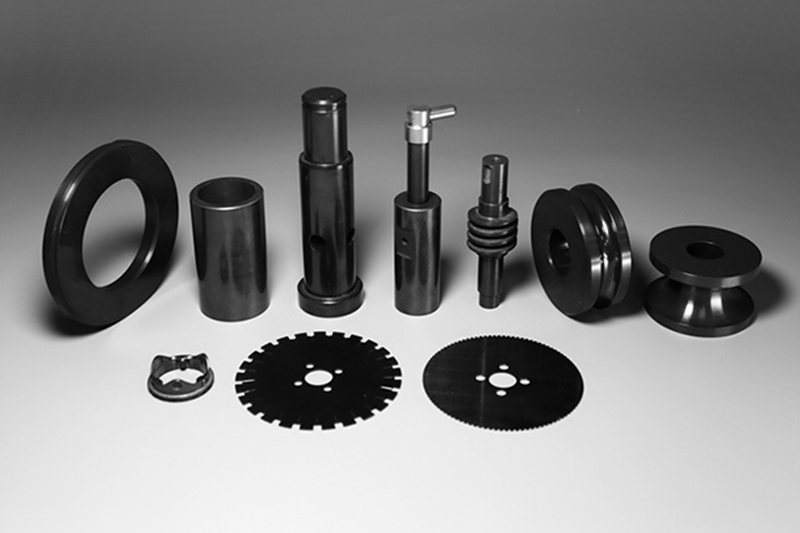
Ceramic injection molding, often called CIM, is suitable when a ceramic part needs complex molded geometry, small features, or repeatable production that would be difficult to create only by grinding from a ceramic blank. The process mixes ceramic powder with binder, injects the feedstock into a mold, removes binder through debinding, sinters the part, and then applies secondary operations where required.
The buyer should understand that CIM is not the same as plastic injection molding. The molded green part changes during debinding and sintering, and the final ceramic component must account for shrinkage, distortion, density, and possible machining allowance. Advanced applications therefore depend on material selection and process control, not only on the shape shown in the CAD model.
CIM may be considered for ceramic components that need wear resistance, electrical insulation, thermal stability, corrosion resistance, hardness, or dimensional repeatability. Final suitability still depends on the drawing, material grade, service condition, testing requirement, and buyer acceptance criteria.
Which Ceramic Materials Match Advanced CIM Applications?
The ceramic material should be selected according to the operating environment and part function. Alumina, zirconia, silicon carbide, and silicon nitride each behave differently during molding, debinding, sintering, machining, and final use.
CIM Material Family | Typical Application Need | RFQ And Process Confirmation |
|---|---|---|
Electrical insulation, wear surfaces, sensor components, substrates, guides, and small structural ceramic parts | Confirm purity, dielectric requirement, surface finish, metallization need, and dimensional inspection. | |
Tough ceramic parts, cosmetic ceramic components, wear parts, blades, ferrules, and precision small parts | Confirm grade, color, aging condition, polishing requirement, and critical fit surfaces. | |
Parts needing a balance of hardness, toughness, wear resistance, and molded feature control | Confirm material blend, shrinkage behavior, sintering target, and post-machining allowance. | |
Wear, thermal, corrosion, or filtration-related ceramic components subject to demanding environments | Confirm service environment, seal surface, porosity or density requirement, and testing method. | |
Thermal shock, wear, bearing-related, and high-performance mechanical ceramic parts | Confirm load case, surface roughness, grinding requirement, and final validation criteria. |
Material pages and datasheets can guide early selection, but the RFQ should still define the actual service condition. A ceramic grade that is suitable for insulation may not be suitable for impact exposure, sealing contact, optical transmission, or repeated thermal cycling without additional validation.
Which Industries Use CIM Parts And What Must Buyers Confirm?
CIM is used across industries because advanced ceramics can combine hardness, insulation, thermal behavior, and chemical resistance in small or complex part forms. The buyer should translate each industry need into measurable requirements rather than relying on a broad application label.
Application Area | Common CIM Part Types | Buyer Requirement To Confirm |
|---|---|---|
Electronics and electrical devices | Insulators, sensor housings, substrates, connector inserts, and dielectric parts | Confirm dielectric behavior, creepage path, surface finish, flatness, metallization, and traceability needs. |
Optical and lighting systems | Ceramic holders, lens supports, reflectors, thermal substrates, and precision alignment parts | Confirm optical surface zones, thermal path, color or appearance criteria, and dimensional datum features. |
Fluid handling and chemical exposure | Valve seats, nozzles, plungers, seals, pump parts, and corrosion-resistant inserts | Confirm media compatibility, sealing surface, leak test need, surface roughness, and pressure-related acceptance criteria. |
Automotive and mobility systems | Wear guides, electrical insulation parts, sensor components, and thermal management parts | Confirm temperature cycle, vibration, dimensional stability, PPAP or buyer-specific documentation if required. |
Medical, dental, or body-contact programs | Small ceramic components, insulating parts, wear elements, and device-related ceramic features | Confirm biocompatibility requirements, sterilization exposure, regulatory documentation, and buyer qualification plan. |
Aerospace, energy, and other regulated applications | Insulators, wear parts, thermal components, and corrosion-resistant ceramic features | Confirm governing specification, inspection records, qualification responsibility, and acceptance criteria before quotation. |
For regulated sectors, CIM parts may be considered only when the buyer defines the required standards, qualification route, and acceptance evidence. The manufacturing review can support process feasibility, but final approval remains tied to the buyer program and its validation requirements.
How Do CIM Process Stages Affect Advanced Applications?
Each CIM process stage can affect final ceramic part quality. Feedstock preparation affects flow and powder distribution. Injection molding affects gate marks, weld lines, green strength, and feature filling. Debinding affects cracking and binder removal. Sintering affects shrinkage, density, distortion, and final ceramic properties.
CIM Process Stage | What Happens | Application Risk To Control |
|---|---|---|
Feedstock preparation | Ceramic powder is mixed with binder to create moldable feedstock | Powder loading, contamination, binder compatibility, and batch consistency |
Injection molding | Feedstock fills the mold cavity and forms the green ceramic part | Short shots, weld lines, gate stress, parting line flash, and ejection damage |
Debinding | Binder is removed while the fragile brown part retains shape | Cracking, blistering, internal residue, deformation, and handling damage |
Sintering | The ceramic densifies and shrinks toward the final part size | Shrinkage variation, warpage, density change, grain growth, and fixture effects |
Secondary finishing | Grinding, lapping, polishing, metallization, coating, or assembly may be applied | Critical datum control, surface roughness, edge chipping, and inspection scope |
Advanced applications often fail when sintering shrinkage or secondary finishing is not considered early. Buyers should identify which surfaces can be as-sintered and which surfaces need grinding, polishing, lapping, laser marking, metallization, or assembly after sintering.
Which Part Features Are Suitable For Ceramic Injection Molding?
CIM is strongest when the ceramic part has small size, complex external shape, repeated features, thin ribs, fine holes, molded grooves, or surfaces that would be expensive to machine from a hard ceramic blank. Molded ceramic parts can also reduce assembly needs when features are integrated into one sintered part.
Buyers should still review feature limits carefully. Deep undercuts, abrupt wall transitions, unsupported slender pins, sharp internal corners, and inaccessible internal passages can create molding or debinding risk. If a feature is functionally critical, the drawing should identify the datum, tolerance, inspection method, and whether post-sintering machining is acceptable.
For ceramic parts with optical, sealing, bearing, or sliding surfaces, the buyer should distinguish cosmetic surfaces from functional surfaces. The acceptance plan may need surface roughness reports, flatness checks, roundness checks, leak testing, or functional assembly trials.
When Should Buyers Compare CIM With Powder Pressing Or Machining?
CIM is not the only ceramic manufacturing route. Buyers should compare CIM with powder pressing, hot pressing, green machining, and final ceramic grinding when the part geometry, volume, or tolerance path suggests another route may be more practical.
Ceramic Manufacturing Route | Suitable Part Scenario | When CIM May Be Better |
|---|---|---|
Ceramic injection molding | Small, complex, repeated ceramic parts with molded features and production demand | When machining cost or feature complexity makes block machining inefficient. |
Powder pressing | Simple axial shapes, bushings, discs, rings, and parts suited to pressing direction | When the part has complex side features, fine molded details, or multi-axis geometry. |
Hot pressing or specialty ceramic forming | Material systems or density targets that need specific forming and sintering routes | When the part geometry and quantity favor injection molded green parts. |
Ceramic machining and grinding | Flat parts, simple shapes, low-volume prototypes, or critical datum finishing | When near-net molded geometry can reduce material removal before finishing. |
The best route depends on drawings and function. A buyer may use CIM for near-net shape and still require grinding on sealing, bearing, or alignment surfaces. That hybrid route should be clear in the RFQ.
Which Inspection Evidence Supports CIM Application Approval?
Inspection evidence should match the risk of the ceramic component. Dimensional reports are common, but advanced CIM applications may also require material certificates, density checks, hardness tests, surface roughness reports, visual inspection standards, flatness checks, roundness checks, leak tests, dielectric checks, thermal cycling results, or functional assembly records.
For first samples, buyers should define which dimensions are critical to function and which surfaces are cosmetic or noncritical. A first article inspection can confirm datum strategy, shrinkage compensation, and secondary machining results. For production, lot control may include dimensional sampling, visual inspection, material batch records, and packaging controls to reduce chipping or contamination risk.
When the CIM part is used in a regulated or safety-related system, the buyer should define the governing standards and approval path. Manufacturing documentation can support review, but final qualification remains the buyer's responsibility.
What Should Buyers Include In A Ceramic Injection Molding RFQ?
A ceramic injection molding RFQ should include the drawing, CAD model, material grade or property requirement, expected production stage, critical surfaces, secondary operations, inspection records, and operating environment. Without these details, the manufacturing review may miss sintering risk, machining allowance, surface finish, or documentation needs.
RFQ Item | Why It Matters For CIM | Buyer Confirmation Needed |
|---|---|---|
3D model and 2D drawing | Defines molded shape, datum structure, tolerances, and critical surfaces | Confirm drawing revision, critical dimensions, and inspection method. |
Ceramic material grade | Controls feedstock behavior, sintering shrinkage, strength, insulation, and chemical behavior | Confirm material family, purity, color, certificate need, and validation requirement. |
Functional surface requirements | Determines whether as-sintered surfaces are acceptable or finishing is required | Mark sealing, optical, bearing, sliding, and assembly surfaces. |
Secondary operations | Affects cost, fixture design, yield risk, and final dimensional control | List grinding, lapping, polishing, metallization, coating, marking, or assembly needs. |
Inspection and documentation | Defines sample approval and production acceptance evidence | State whether FAI, CMM, material certificate, density, roughness, leak, or functional tests are required. |
Application environment | Connects the material and process route to temperature, wear, chemical, electrical, or regulatory exposure | Confirm operating condition, exposure media, assembly load, and buyer qualification plan. |
CIM can support advanced ceramic applications when the part function, material selection, geometry, sintering behavior, finishing route, and inspection plan are reviewed together. A clear RFQ helps convert an application idea into a manufacturable ceramic component without hiding critical risks until sample approval.
Related FAQs