What types of products benefit most from creative insert molding techniques?
Products that benefit most from creative insert molding techniques are products that need compact molded plastic geometry with integrated metal, ceramic, electrical, or polymer features. Connector housings, handheld device parts, medical-device equipment interfaces, automotive sensor housings, power tool components, locking-system parts, cable interfaces, and reinforced brackets can benefit when insert molding reduces separate assembly or improves insert location. The practical RFQ problem is confirming which insert feature creates real product value and which design details must be controlled during molding.
What types of products benefit most from creative insert molding techniques?
The best product candidates are parts where the insert provides a clear function: fastening, conductivity, alignment, wear resistance, reinforcement, insulation, sealing support, or assembly simplification. Insert molding is especially useful when the product must be small, durable, repeatable, and easy to assemble.
Creative insert molding should not mean unnecessary complexity. Buyers should identify the product function first, then decide whether a molded-in insert is better than a post-installed insert, screw, adhesive, clip, or separate subassembly.
Which connector and electrical products benefit?
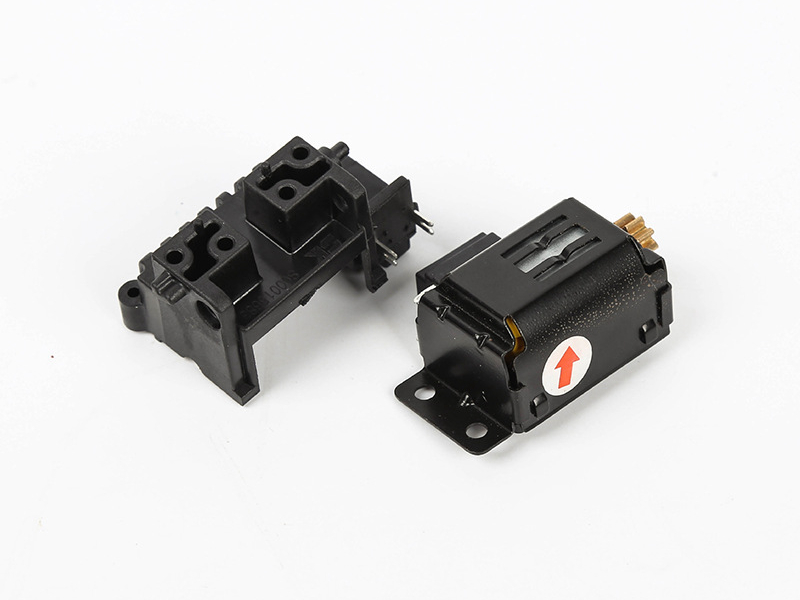
Connector housings, terminals, sensor housings, switch parts, cable interfaces, control modules, and electronic device interfaces can benefit from insert molding. These products often need copper alloy contacts, pins, terminals, shielding pieces, or threaded hardware embedded inside a plastic housing.
For electrical products, the RFQ should define conductive surfaces, insulation areas, connector alignment, flash limits, resin bleed limits, and post-molding electrical tests. A creative design can fail if plastic covers a contact surface or if a terminal shifts during molding.
Which handheld and consumer products benefit?
Consumer electronics, handheld controls, wearable device parts, smart device housings, and small appliance components can benefit when insert molding enables compact assembly, hidden fastening, reinforcement, or precise electrical interfaces. Molded-in inserts can reduce loose hardware and support smaller internal layouts.
Buyers should identify cosmetic surfaces, user-contact surfaces, color requirements, parting-line restrictions, and exposed insert areas. These product details affect gate location, shutoff design, insert placement, and visual inspection.
Which automotive and e-mobility products benefit?
Automotive and e-mobility products such as sensor housings, connector bodies, switch components, battery-related plastic interfaces, cable supports, brackets, and threaded mounting points can benefit from insert molding. Inserts can support vibration resistance, electrical function, assembly repeatability, and reinforced mounting.
RFQs for these products should define temperature range, vibration exposure, connector fit, insert alloy, resin material, critical datums, and validation requirements. The molded-in insert must match the product's service environment, not only the CAD shape.
Which medical-device equipment and industrial products benefit?
Medical-device equipment handles, housings, instrument interfaces, control parts, and threaded features may benefit from insert molding when the product needs controlled insert location, repeated assembly, or cleanable user-contact geometry. Industrial controls, power tools, and equipment housings may benefit from bushings, shafts, pins, or threaded inserts that improve load transfer and wear resistance.
Medical-related products require defined material requirements, cleaning exposure, traceability expectations, and final validation by the buyer. Industrial products require load, torque, pull-out, impact, abrasion, and chemical exposure details.
Which locking, security, and mechanical products benefit?
Locks, security hardware, mechanical housings, latch components, brackets, gears supports, and reinforced plastic assemblies can benefit when molded-in metal features improve wear resistance, torque resistance, or assembly repeatability. Threaded inserts, shafts, pins, and bushings are common insert types for these products.
Buyers should define operating load, service cycles, wear surfaces, corrosion exposure, and whether the insert is part of a moving or fixed assembly. These details affect insert material, plastic resin, wall support, and inspection method.
How should buyers compare product fit for creative insert molding?
Buyers should compare product fit by insert function and production risk. The table below connects product types to the RFQ details that make the design manufacturable.
Product type | Creative insert molding feature | Buyer value | RFQ detail to define |
|---|---|---|---|
Connector housings and terminals | Embedded contacts, pins, shielding, threaded hardware | Compact assembly and stable electrical interface | Conductive surfaces, insulation, terminal position, electrical tests |
Handheld and consumer products | Hidden hardware, reinforcement, compact internal layout | Smaller product structure and cleaner visible surfaces | Cosmetic class, user-contact surfaces, exposed insert areas |
Automotive and e-mobility parts | Terminals, brackets, threaded bosses, cable interfaces | Vibration resistance, reliable assembly, connector accuracy | Temperature, vibration, datums, resin and insert material |
Medical-device equipment parts | Threaded inserts, controlled interfaces, embedded reinforcement | Repeatable assembly and controlled contact surfaces | Material requirements, cleaning exposure, validation criteria |
Tools, locks, and mechanical systems | Bushings, pins, shafts, threaded inserts, reinforcement plates | Wear resistance, torque resistance, load transfer | Load, pull-out, torque, wear, impact, corrosion exposure |
What RFQ information supports creative insert molded products?
A useful RFQ should include product application, CAD files, insert drawings, resin material, insert material, design intent, critical dimensions, cosmetic surfaces, exposed insert surfaces, load cases, electrical requirements, environmental exposure, annual volume, prototype quantity, and inspection method. Buyers should also state whether the design goal is compact layout, assembly reduction, improved durability, electrical integration, or user-facing appearance.
This information helps the manufacturer decide whether creative insert molding is practical for the product. The strongest product candidates combine a clear insert function with a geometry that can be loaded, molded, and inspected consistently.
Related FAQs
How does insert molding enhance creativity in product design?
How does insert molding enable designers to create more innovative products?
Which industries benefit significantly from creative insert molding solutions?
Can insert molding handle highly intricate and detailed designs?
Are there limitations to the complexity of designs that can be achieved with insert molding?