Can insert molding handle highly intricate and detailed designs?
Insert molding can handle highly intricate and detailed designs when the insert geometry, resin flow, wall thickness, mold shutoff, material compatibility, and inspection method are planned together. This FAQ helps buyers evaluate complex insert molding designs for connector housings, sensor housings, medical-device equipment interfaces, terminals, threaded bosses, micro pins, bushings, ceramic inserts, and reinforced plastic components. The practical RFQ problem is confirming whether a detailed design can be molded repeatedly instead of only looking feasible in CAD.
Can insert molding handle highly intricate and detailed designs?
Yes, insert molding can support intricate designs, but the complexity must be matched to tooling, material, loading, and inspection capability. Detailed features are more practical when inserts can be held securely, resin can fill around them, critical surfaces can be protected from flash, and finished features can be measured or functionally tested.
Buyers should treat intricate insert molded parts as engineering projects, not only as molding jobs. The RFQ should identify which details are functional, which are cosmetic, and which are optional design features.
What types of intricate features can insert molding support?
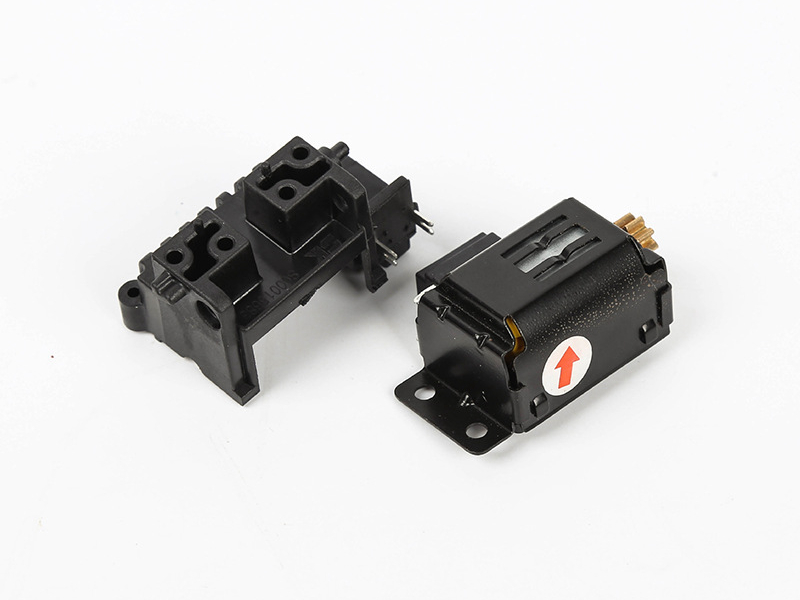
Insert molding can support detailed features such as embedded terminals, fine pins, micro threaded inserts, small bushings, metal reinforcement ribs, ceramic sleeves, compact connector interfaces, thin housings, and multi-functional mounting features. It can also support designs where metal, ceramic, or electrical features must be located inside a molded plastic body.
Each feature creates a different manufacturing risk. Fine terminals can shift, small pins can bend, ceramic inserts can chip, and thin plastic walls can short-shot or warp. Buyers should provide insert drawings and critical feature notes before tooling review.
How do tooling and insert loading control design detail?
Tooling and insert loading control whether intricate details can be produced consistently. The mold must hold the insert, seal exposed surfaces, allow resin flow, vent trapped air, cool the part, and eject the part without damaging small features.
For highly detailed designs, buyers should define insert orientation, datum surfaces, allowed movement, exposed areas, and production loading method. Manual loading may be enough for some prototypes, while carrier-based or automated loading may be needed for small inserts in higher-volume production.
How do materials affect intricate insert molded designs?
Materials affect intricate designs because resin flow, shrinkage, stiffness, and heat behavior determine how well the plastic fills around small inserts and fine features. Engineering plastics such as nylon PA, PC, PBT, PPS, PEEK, and other application-specific resins may be considered according to strength, insulation, temperature, and dimensional needs.
Insert materials may include brass, stainless steel, copper alloy, aluminum, ceramic, or engineered polymer. The buyer should define load, electrical function, corrosion exposure, insulation need, and inspection requirements so the manufacturer can review material compatibility.
What design limits apply to highly detailed insert molding?
Detailed designs are limited by resin flow, wall thickness, parting line, draft, shutoff surfaces, ejection, insert tolerances, and inspection access. Internal features that cannot be inspected, surfaces that cannot be sealed by the mold, or inserts that cannot be loaded consistently may need design changes.
Buyers should avoid assuming that every detailed CAD feature can be molded as shown. A DFM review should check whether the part needs more draft, thicker support, simpler insert geometry, different gate location, added retention features, or a separate assembly operation.
How should buyers evaluate intricate insert molding feasibility?
Detailed design feature | Manufacturing risk | RFQ check to request |
|---|---|---|
Micro terminals or pins | Insert shift, bending, resin bleed, poor contact exposure | Insert loading concept, position inspection, electrical test |
Small threaded inserts | Flash in threads, rotation, pull-out failure, boss cracking | Thread detail, torque target, pull-out target, boss review |
Thin walls and fine ribs | Short shots, warpage, weak features, flow imbalance | Wall review, gate review, venting, resin selection |
Ceramic or brittle inserts | Cracking, chipping, stress concentration | Support method, edge condition, handling and inspection plan |
Hidden internal retention features | Difficult inspection and uncertain retention | Section review, functional test, pull-out or torque validation |
What RFQ information is needed for highly intricate insert molded parts?
A useful RFQ should include product application, 3D CAD, 2D drawings, insert drawings, resin material, insert material, critical dimensions, fine feature notes, exposed surfaces, cosmetic surfaces, load requirements, electrical requirements, environmental exposure, annual volume, prototype quantity, and inspection methods. Buyers should also identify which intricate features are essential and which can be modified for manufacturability.
This information helps the manufacturer decide whether insert molding can handle the design as proposed, whether prototype validation is needed, or whether the design should be simplified. Intricate insert molding works best when detail, function, and inspection are planned together.
Related FAQs
Are there limitations to the complexity of designs that can be achieved with insert molding?
How does insert molding enable designers to create more innovative products?
How does insert molding enhance creativity in product design?
What types of products benefit most from creative insert molding techniques?
What are the best materials to use for creative insert molding designs?
What are the main challenges when implementing insert molding?
How can companies effectively integrate insert molding into their product design processes?