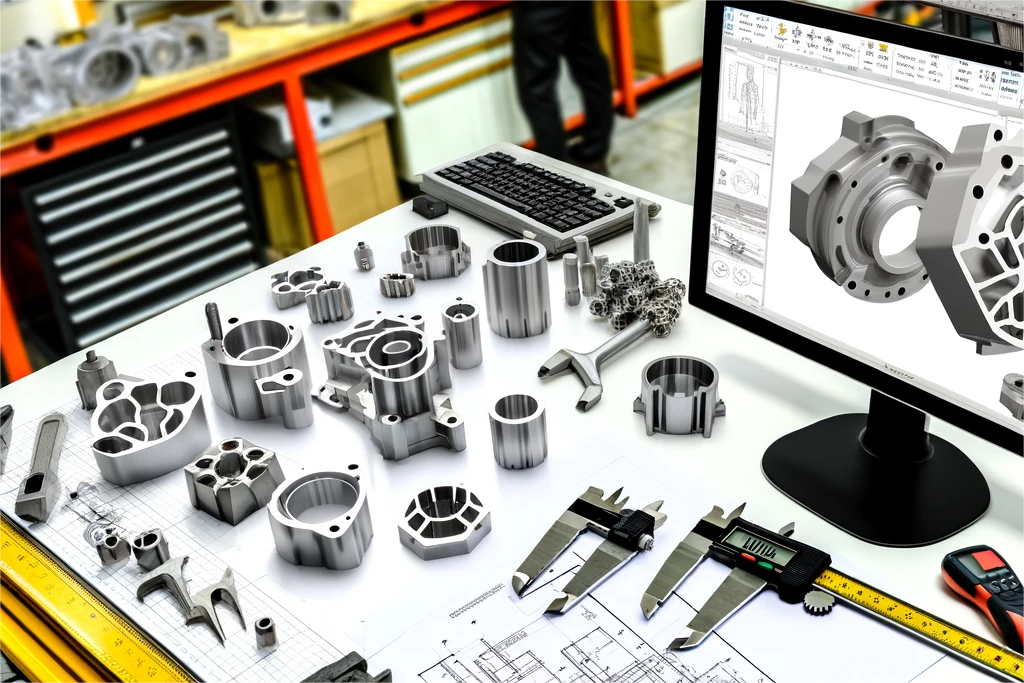
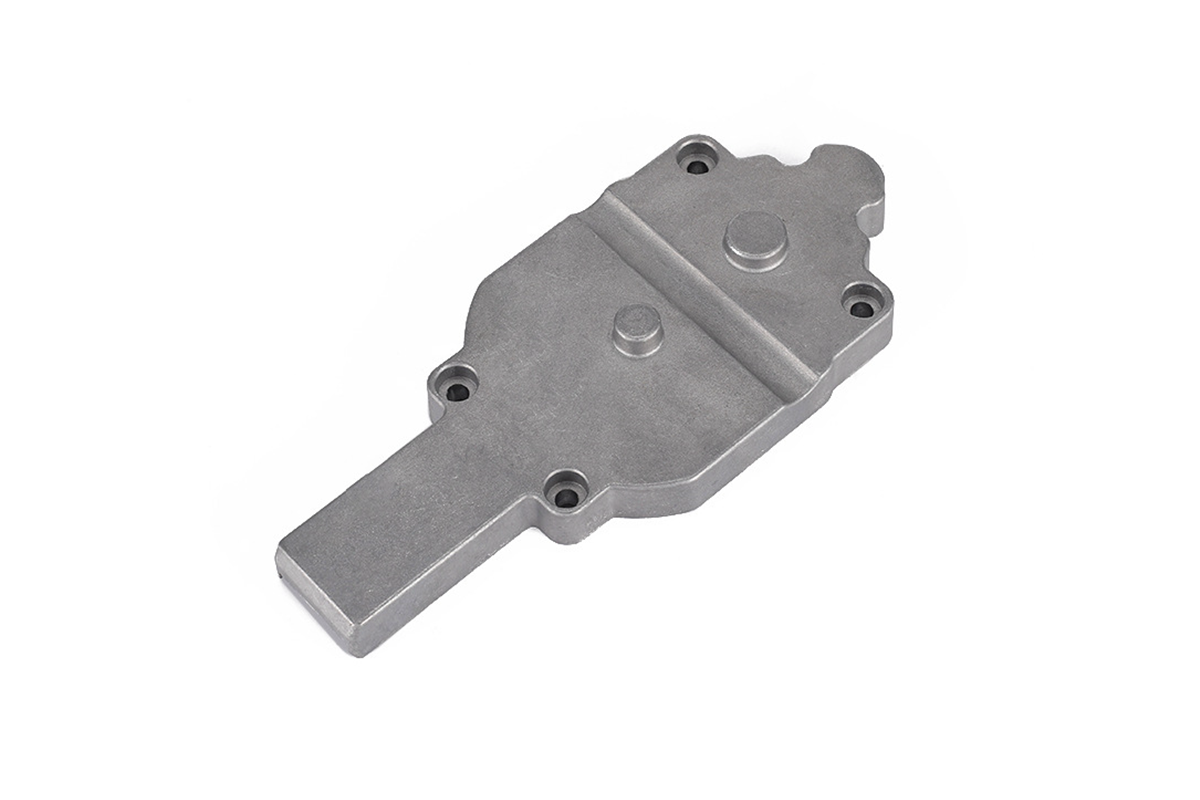
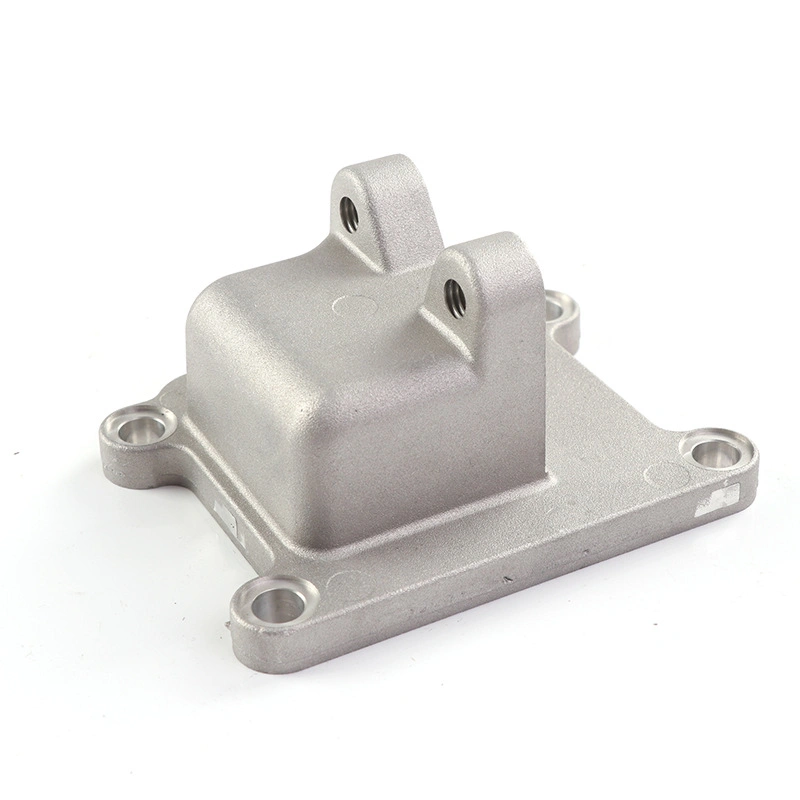
What design changes can reduce die casting parts cost?
Design changes can reduce die casting parts cost when they make the aluminum die casting part easier to fill, cool, eject, machine, finish, inspect, and repeat in production. The most useful changes usually involve wall thickness balance, rib design, draft, undercut reduction, tolerance control, machining reduction, surface planning, and alloy selection. The practical RFQ problem is to revise the part design before tooling so Neway can quote a lower-risk aluminum die casting route with fewer defects and less secondary work.
What design changes can reduce die casting parts cost?
The main cost-reducing design changes are more uniform wall thickness, lighter sections with ribs, fewer undercuts, practical draft angles, controlled tolerance callouts, reduced CNC machining areas, early surface finish planning, and alloy selection that matches the application. These changes affect tooling cost, cycle time, scrap rate, machining time, and inspection effort.
Buyers should make cost-related design changes before mold design begins. Once the die casting mold is built, major geometry changes can require tool welding, insert replacement, mold rework, or new tooling.
Design Change | Manufacturing Effect | Cost Impact |
|---|---|---|
Balance wall thickness | Improves filling, cooling, shrinkage control, and dimensional repeatability | Reduces scrap, trial correction, and cycle instability |
Use ribs instead of thick sections | Adds stiffness without heavy solid material | Reduces part weight, sink risk, and cooling time |
Reduce undercuts | Removes slides, lifters, and complex mold actions where possible | Lowers tooling complexity and maintenance risk |
Limit tight tolerances | Controls only critical dimensions, datums, holes, and mating surfaces | Reduces machining, inspection, and sorting cost |
Plan finish and cosmetic surfaces early | Places gates, ejector marks, parting lines, and machining allowance more carefully | Reduces rework, polishing, coating defects, and appearance disputes |
How do wall thickness, ribs, and draft reduce cost?
Uniform wall thickness reduces cost by improving metal flow and cooling balance. Heavy sections can create shrinkage, porosity, long cycle time, and dimensional variation. Very thin sections can create short shots, filling pressure risk, and mold trial problems if the alloy, gate, and part layout are not suitable.
Ribs can add stiffness without turning the part into a heavy solid casting. Draft helps the casting eject from the mold without drag marks, sticking, or excessive ejection force. Together, wall balance, ribs, and draft reduce tooling correction and production scrap.
For wall design context, see thin-wall limits in aluminum die casting.
Why should buyers remove unnecessary undercuts and complex parting lines?
Buyers should remove unnecessary undercuts because undercuts often require slides, lifters, moving cores, or special mold actions. These features increase tooling cost, mold maintenance, cycle time, and failure risk during mass production.
Parting line planning also affects cost. A poorly placed parting line can create flash, visible marks, dimensional mismatch, or finishing work. If the design can move holes, simplify side features, or change a hidden surface, the mold may become simpler and more stable.
For parting line context, see parting lines in aluminum die casting manufacturing.
How do tolerance, machining, and inspection choices affect cost?
Tolerance, machining, and inspection choices affect cost because not every surface needs tight control. Buyers should mark critical dimensions, datums, sealing faces, bearing seats, threaded holes, and assembly interfaces clearly, while allowing general casting tolerances on non-critical features.
CNC machining after casting is useful for precision holes, threads, sealing faces, and flat datums, but unnecessary machining can raise unit cost. Inspection should also match risk: CMM and full reports should focus on functional features rather than every cosmetic surface.
Cost Area | Lower-Risk Design Choice | RFQ Detail To Provide |
|---|---|---|
Tight tolerance | Apply tight tolerances only to critical features | Critical dimensions, datums, and assembly interfaces |
CNC machining | Machine only holes, threads, flat faces, or sealing surfaces that need accuracy | Machined surface list, allowance, and inspection method |
Threaded features | Choose cast boss plus tapping or insert strategy based on load and quantity | Thread size, depth, torque, and mating fastener |
Inspection | Use critical dimension reports instead of unnecessary full inspection | CMM points, gauges, functional tests, and acceptance standard |
Assembly fit | Control only mating surfaces and functional clearances | Mating parts, datum scheme, and fit requirement |
How can surface finish and post-processing planning reduce cost?
Surface finish and post-processing planning reduce cost by preventing late changes to gates, ejector marks, parting lines, machining allowance, and coating requirements. If visible surfaces are identified early, Neway can place process marks on less critical areas and plan finishing more efficiently.
Post-processing may include trimming, deburring, shot blasting, polishing, CNC machining, tapping, anodizing, painting, powder coating, passivation, or assembly. Each process adds cost, so the drawing should separate cosmetic surfaces from functional surfaces.
For related process planning, see common post-processing processes for aluminum die casting and surface finishes suitable for aluminum die casting parts.
How do alloy selection and defect prevention support cost reduction?
Alloy selection supports cost reduction when the aluminum die casting alloy matches the part function, wall thickness, strength, corrosion, machining, and finishing requirements. A380, ADC12, and other die casting alloys may behave differently in flow, shrinkage, machinability, and surface finishing.
Defect prevention also reduces cost. Porosity, shrinkage, cold shuts, flash, flow marks, and dimensional instability can increase scrap, rework, inspection, and delivery risk. Early DFM helps reduce these issues before the mold is cut.
For defect-control context, see reducing aluminum die casting defects in mass production and cold shrinkage in aluminum die casting.
What RFQ details help Neway review cost-reduction design changes?
Buyers should provide 3D CAD, 2D drawings, target alloy, annual volume, visible surfaces, functional surfaces, critical tolerances, machining requirements, finish requirements, inspection documents, and cost targets. These inputs let Neway identify which geometry changes can reduce tooling cost, unit price, scrap risk, or secondary operation cost.
The RFQ should clearly state whether the buyer can accept design changes. If the design is still flexible, Neway can suggest wall, rib, draft, tolerance, surface, and machining adjustments before tooling begins. If the design is frozen, the quote must account for existing manufacturing risks.
For quote inputs, see information needed for an aluminum die casting service quote.
Related FAQs
What design factors affect the cost of aluminum die casting parts?
What post-processing processes are common for aluminum die casting?
What surface finishes are suitable for aluminum die casting parts?
How can aluminum die casting defects be reduced in mass production?
What information is needed for an aluminum die casting service quote?