So wählen Sie Präzisionsgussdienste für kundenspezifische Metallteile aus?
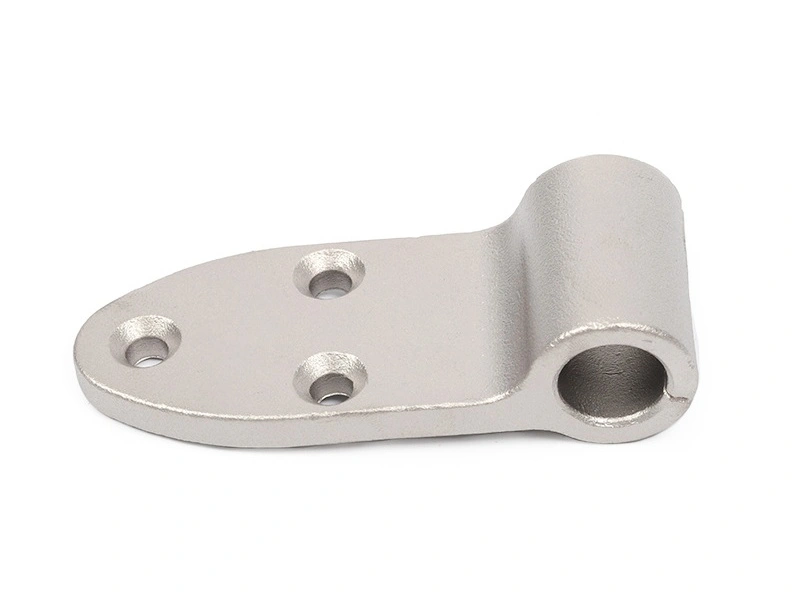
Käufer, die nach Präzisionsgussdiensten suchen, stellen in der Regel keine grundlegende Fertigungsfrage. Sie versuchen, eine Beschaffungsentscheidung zu treffen. In den meisten Fällen geht es nicht nur darum, ob ein Lieferant ein Teil gießen kann, sondern ob dieser Lieferant den richtigen Gießweg empfehlen, die erforderliche Legierung unterstützen, die benötigte Dimensionsstabilität erreichen, die sekundäre Bearbeitung verwalten und über Produktionschargen hinweg eine zuverlässige Qualität aufrechterhalten kann. Bei kundenspezifischen Metallteilen sind diese Faktoren weitaus wichtiger als eine allgemeine Behauptung über Gießereifähigkeiten.
Deshalb sollte die Auswahl eines kundenspezifischen Präzisionsgussdienstes als technische und beschaffungstechnische Bewertung behandelt werden. Käufer möchten in der Regel Antworten auf sechs praktische Fragen: Welcher Gussprozess am besten zum Teil passt, welche Toleranzen realistisch sind, ob das Material mit dem Weg kompatibel ist, wie viel Bearbeitung noch erforderlich sein wird, ob die Prüfung und Fehlerkontrolle ausreichend sind und welche Informationen vor der RFQ eingereicht werden sollten. Dieser Artikel wurde geschrieben, um genau diese Fragen aus der Perspektive der Käuferauswahl zu beantworten.
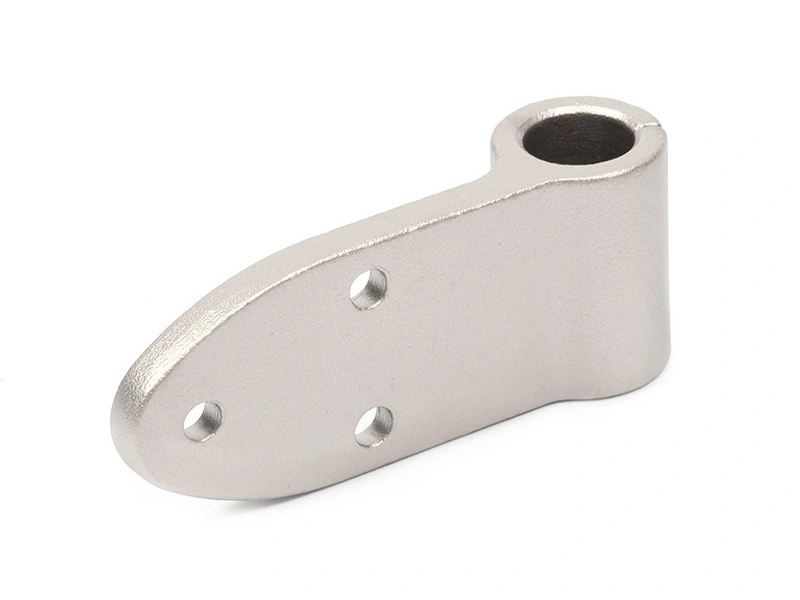
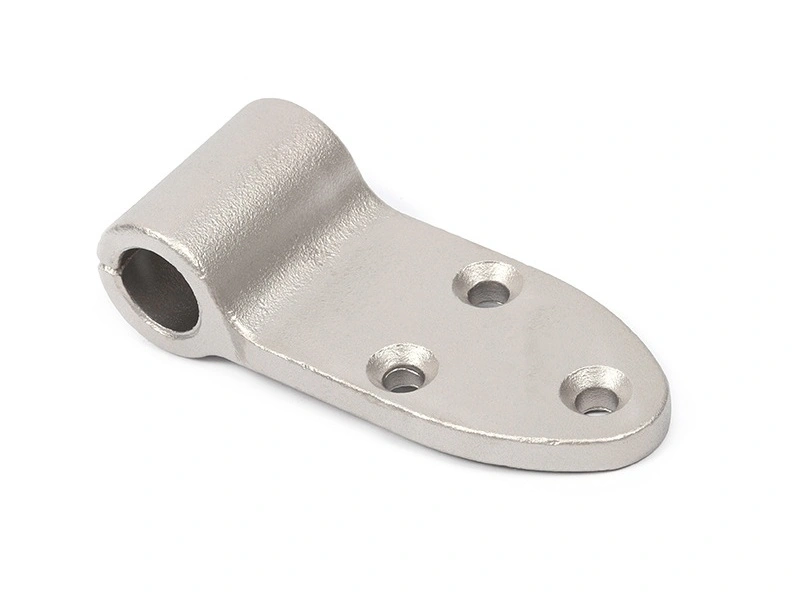
Was Präzisionsgussdienste in der Regel umfassen
Präzisionsgussdienste sind kein einzelner Prozess. In der Praxis handelt es sich um eine kombinierte Fertigungskapazität, die Prozessauswahl, Werkzeugunterstützung, Gussproduktion, Entgraten, Bearbeitung, Endbearbeitung und Prüfung umfassen kann. Ein starker Lieferant beginnt nicht damit, jedes Projekt in einen einzigen Gießereiprozess zu zwingen. Stattdessen bewertet der Lieferant die Teilstruktur, die Materialfamilie, die jährliche Menge, die Toleranzpriorität und die gesamten Herstellungskosten, bevor er den besten Prozessweg empfiehlt.
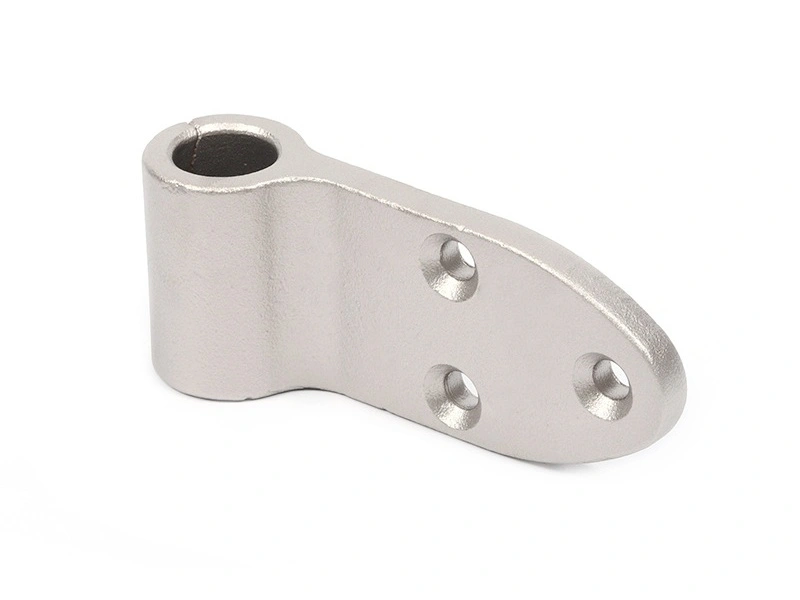
Bei Neway umfassen die Präzisionsgussdienste mehrere Gießverfahren, darunter Druckguss, Feingussdienst und Sandguss. Je nach Projekt kann das Dienstleistungspaket auch Werkzeug- und Designunterstützung, sekundäre Bearbeitung, Oberflächenveredelung, Dimensionsprüfung und Produktionsqualitätskontrolle umfassen. Diese integrierte Struktur ist wichtig, da die Gießmethode, die die besten Rohteilkosten liefert, nicht immer die besten Endlieferkosten ergibt, wenn Bearbeitung, Endbearbeitung, Prüfung und Chargenkonsistenz einbezogen werden.
Beispielsweise kann ein dünnwandiges Aluminiumgehäuse mit hoher Jahresnachfrage besser für Druckguss geeignet sein, während ein komplexes Edelstahlventilteil möglicherweise besser für Feinguss geeignet ist. Eine große industrielle Halterung mit relativ lockeren Oberflächenanforderungen kann kommerziell besser für Sandguss geeignet sein. Der entscheidende Punkt ist, dass Präzisionsguss als Prozessfamilie behandelt werden sollte, nicht als eine einzige universelle Lösung.
So wählen Sie zwischen Druckguss, Feinguss und Sandguss
Der häufigste Beschaffungsfehler ist der Vergleich von Gusslieferanten, bevor der richtige Gießweg bestätigt wurde. Käufer sollten zuerst entscheiden, welche Prozesslogik zum Teil passt. Diese Entscheidung sollte auf Produktionsvolumen, Teilegröße, Wandstärke, Materialfamilie, Dimensionswiederholbarkeit und dem Umfang der Nachbearbeitung basieren, die das Projekt akzeptieren kann.
Wann Druckguss sinnvoll ist
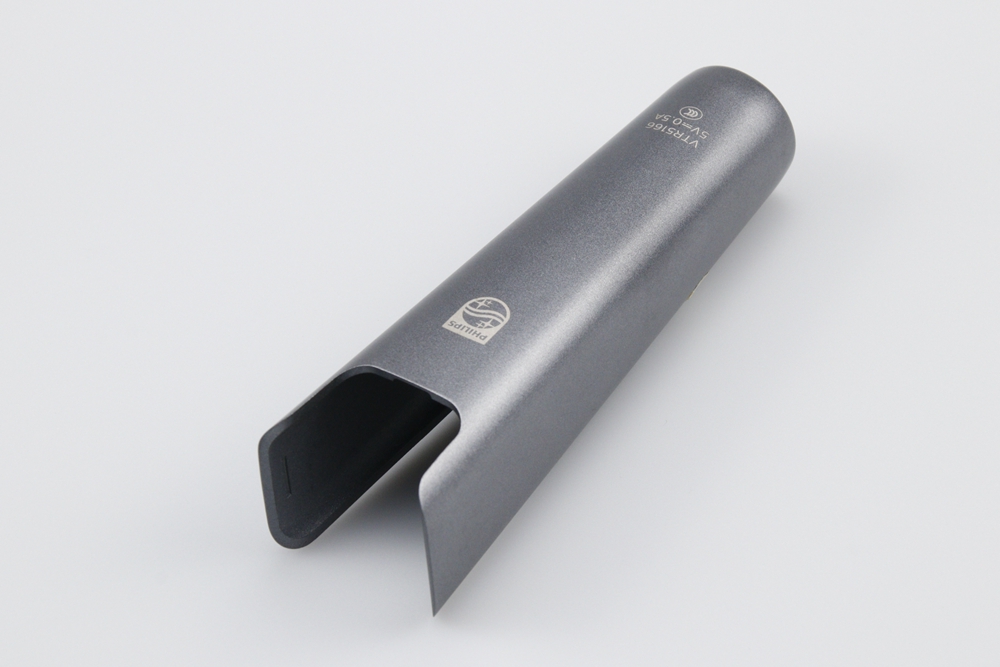
Druckguss ist in der Regel die beste Wahl, wenn das Projekt eine hohe Produktionsmenge, kleine bis mittelgroße Teile, relativ dünne Wände und eine gute Wiederholbarkeit von Schuss zu Schuss erfordert. Er ist besonders effektiv für Aluminium- und Zinklegierungsteile wie Gehäuse, Abdeckungen, Kühlkörper, Kosmetikhardware und Strukturgehäuse. Käufer entscheiden sich oft für Druckguss, wenn die Werkzeuginvestition durch das jährliche Volumen gerechtfertigt werden kann und niedrigere Stückkosten in der Produktion ein Hauptziel sind.
Für Käufer, die Optionen vergleichen, sind die Hauptstärken des Druckgusses die Produktivität, die starke Dimensionswiederholbarkeit und die effiziente Herstellung dünnwandiger Nichteisenteile. Der Nachteil ist, dass er weniger flexibel ist als Feinguss für breitere Legierungsfamilien und möglicherweise eine höhere anfängliche Werkzeuginvestition erfordert. Verwandte Prozessvergleichsthemen können weiter über Druckguss vs. Feinguss erkundet werden.
Wann Feinguss der bessere Weg ist
Feinguss ist in der Regel der bevorzugte Weg, wenn das Teil eine komplexere Geometrie, bessere Oberflächenanforderungen, anspruchsvollere Legierungsauswahl oder engere Dimensionsanforderungen vor der Bearbeitung aufweist. Er eignet sich gut für Edelstahlteile, Kohlenstoffstahlkomponenten, Titangussteile und nickelbasierte Legierungsteile, die durch Druckguss schwer oder teuer herzustellen wären. Käufer wählen oft den Feingussdienst, wenn sie eine Kombination aus geometrischer Freiheit, guter Oberflächenqualität, Legierungsvielfalt und reduziertem Bearbeitungsaufmaß benötigen.
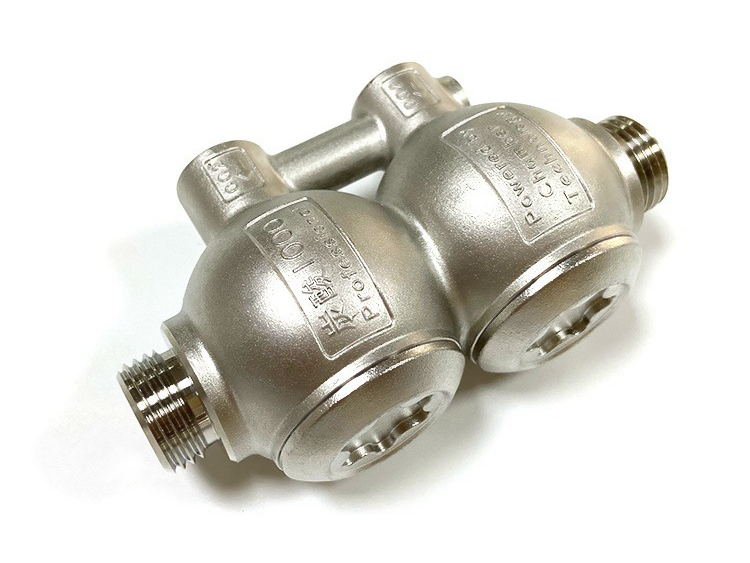
Dieser Weg ist besonders attraktiv für Ventilkörper, Pumpenteile, Halterungen, Hochtemperaturteile, Schließmechanik und komplexe Industriekomponenten. Im Vergleich zu Sandguss bietet Feinguss in der Regel eine bessere Oberflächendetailgenauigkeit und eine verfeinerte Geometrie. Im Vergleich zu Druckguss unterstützt er ein viel breiteres Materialspektrum. Käufer, die Gießereiverfahren vergleichen, sollten Sandguss vs. Feinguss zusammen mit Druckguss vs. Feinguss prüfen.
Wann Sandguss die praktische Wahl ist
Sandguss ist oft die praktischste Wahl für größere Teile, geringere Produktionsmengen, kostenempfindliche Werkzeugstrategien oder Geometrien, die strukturell robust sind, aber keine verfeinerte Oberfläche direkt aus der Form erfordern. Käufer verwenden Sandguss typischerweise, wenn das Teil physisch groß ist, die Geometrie offener ist oder das Projekt teure Hartwerkzeuge nicht rechtfertigt. Er kann auch ein praktischer Weg sein, wenn Bearbeitungszugaben akzeptabel sind und das Endteil ohnehin einer erheblichen Nachbearbeitung unterzogen wird.
Der Nachteil ist, dass Sandguss in der Regel rauere Oberflächen und eine weniger verfeinerte Gussgeometrie als Feinguss liefert. Für große Industrie teile, Pumpengehäuse, Strukturgussteile und kostenempfindliche Projekte kann er jedoch immer noch die kommerziell rationalste Entscheidung sein.
Zusammenfassung der Gießwegauswahl
Prozess | Beste Eignung | Hauptkäuferpriorität | Typischer Kompromiss |
|---|---|---|---|
Hohe Stückzahl, dünnwandige, kleine bis mittlere Nichteisenteile | Stückkosten, Wiederholbarkeit, Produktionseffizienz | Höherer Werkzeugaufwand und engere Legierungspalette | |
Komplexe Strukturen, verfeinerte Oberfläche, breiterer Legierungsbedarf | Geometriefreiheit, Oberflächenqualität, Materialflexibilität | Längere Entwicklungszeit als einfacher Sandguss | |
Große Teile, kleine bis mittlere Stückzahlen, kostenempfindliche Werkzeuge | Niedrigere Werkzeugkosten, Größenflexibilität | Rauere Gussoberfläche und mehr Bearbeitungszugabe |
Materialien, Toleranzen und Teilegeometrie, die die Lieferantenauswahl beeinflussen
Dies ist der wichtigste Teil der Lieferantenauswahllogik. Ein Präzisionsgusslieferant sollte nicht nur nach dem Prozessnamen beurteilt werden. Der Lieferant sollte danach beurteilt werden, ob seine Prozessfähigkeit tatsächlich zur Materialfamilie, Geometriekomplexität und Toleranzstrategie des Teils passt.
Materialauswahllogik
Verschiedene Legierungen beeinflussen die Prozesseignung stark. Aluminiumlegierungen werden häufig für leichte Strukturen, thermische Gehäuse und elektronische Gehäuse ausgewählt. Edelstahl wird häufig für korrosionsbeständige Teile verwendet, die auch eine bessere mechanische Zuverlässigkeit oder sauberere Serviceumgebungen erfordern. Hochtemperatur- und anspruchsvollere Industrieanwendungen können nickelbasierte Legierungsgussteile erfordern. Käufer, die Edelstahlkomponenten beschaffen, sollten auch prüfen, ob der Lieferant stabile Erfahrung mit Edelstahlguss hat, da die Legierungschemie allein keine Herstellbarkeit oder Dimensionskonsistenz garantiert.
In der realen Beschaffung beeinflusst die Materialwahl nicht nur die Teileleistung, sondern auch das Schrumpfungsverhalten, die Heißrissempfindlichkeit, den Bearbeitungsaufwand, die Kompatibilität der Oberflächenbehandlung und die Prüfanforderungen. Deshalb sollte die Legierungsauswahl immer zusammen mit dem empfohlenen Gießweg überprüft werden.
Größe, Wanddicke und Geometrielogik
Die Teilegeometrie ist oft der eigentliche Grund, warum ein Gusslieferant besser geeignet ist als ein anderer. Große flache Teile können verformungsempfindlicher sein. Dünne Wände können Druckguss begünstigen, wenn Legierung und Produktionsvolumen kompatibel sind. Komplexe Innen geometrie oder gekrümmte Außenflächen können Feinguss begünstigen. Große, sperrige Strukturen mit großzügiger Bearbeitungszugabe passen möglicherweise besser zu Sandguss.
Die Wanddicke ist wichtig, da sie die Formfüllung, Erstarrung, Schrumpfungskontrolle und das Fehlerrisiko beeinflusst. Sehr dünne Abschnitte können bei einigen schwerkraftgespeisten Verfahren schwierig sein. Große Querschnittsvariationen können zu unterschiedlicher Abkühlung, Schrumpfungsporosität oder Verzug führen. Lieferanten, die sich mit Guss auskennen, bewerten, ob das Teil lokale Verstärkungen, Bearbeitungszugabeanpassungen, Rippen Neugestaltung oder Angusstechnikunterstützung benötigt, anstatt einfach die Zeichnung anzubieten.
Toleranz- und Oberflächenqualitätslogik
Käufer sollten niemals nur nach „engen Toleranzen" fragen, ohne zu identifizieren, welche Merkmale diese tatsächlich erfordern. Beim Gießen besteht die effizienteste Strategie normalerweise darin, nicht kritische Oberflächen im Gusszustand zu belassen und die sekundäre Bearbeitung für kritische Löcher, Lagersitze, Dichtflächen, Gewindebereiche und Bezugspunkte vorzusehen. Dies reduziert die Kosten, während die Funktion erhalten bleibt.
Die Oberflächenqualität folgt derselben Logik. Wenn das Teil später bearbeitet, gestrahlt, lackiert oder beschichtet wird, muss die Rohgussoberfläche nicht denselben Kriterien entsprechen wie eine sichtbare Außenfläche oder Dichtschnittstelle. Ein starker Lieferant wird klar zwischen der Gussfähigkeit und der Fähigkeit nach der Bearbeitung oder Endbearbeitung unterscheiden. Käufer, die diesen Bereich bewerten, können auch auf Präzisionsgusstoleranzen verweisen.
Lieferantenauswahlfaktoren nach technischer Dimension
Auswahlfaktor | Was Käufer bewerten sollten | Warum es wichtig ist |
|---|---|---|
Material | Ob der Lieferant stabile Fähigkeiten in der erforderlichen Legierungsfamilie hat | Legierung beeinflusst Gießbarkeit, Schrumpfung, Endbearbeitung und Serviceleistung |
Teilegröße | Ob der Prozess zur physischen Hülle des Teils passt | Große Teile können andere Werkzeug- und Gießlogik erfordern |
Wanddicke | Ob dünne oder variable Abschnitte im vorgeschlagenen Verfahren realistisch sind | Beeinflusst direkt die Füllqualität und das Fehlerrisiko |
Komplexität | Ob innere und äußere Geometrie ohne übermäßige Korrektur gegossen werden kann | Beeinflusst Werkzeugdesign, Ausschussrisiko und Bearbeitungsaufwand |
Toleranz | Welche Merkmale im Gusszustand bleiben können und welche bearbeitet werden müssen | Verhindert unrealistische Erwartungen und versteckte Kosten |
Oberflächenqualität | Ob Aussehen oder Dichtflächen eine Nachbearbeitung erfordern | Beeinflusst den gesamten Bearbeitungsweg und Prüfumfang |
Was Käufer vor der Angebotsanfrage prüfen sollten
Dies ist oft der stärkste Konversionspunkt in einem Präzisionsguss-Blog, da viele RFQs einfach aufgrund unvollständiger Informationen scheitern. Ein Lieferant kann keine genaue Prozessempfehlung oder Preisroute geben, wenn der Käufer nur ein grobes Modell und keine Fertigungsprioritäten sendet. Starke RFQs reduzieren Verzögerungen, reduzieren Neuangebote und verbessern die technische Genauigkeit.
Vor der Angebotsanfrage sollten Käufer die wichtigsten Informationen für die Prozessauswahl und Risikobewertung vorbereiten. Dazu gehören nicht nur die Geometrie, sondern auch der kommerzielle und qualitative Kontext des Projekts.
RFQ-Checkliste für kundenspezifische Gussmetallteile
RFQ-Posten | Warum es wichtig ist |
|---|---|
2D-Zeichnung | Definiert kritische Abmessungen, Bearbeitungsbezugspunkte, GD&T und Prüfschwerpunkt |
3D-Modell | Hilft bei der Bewertung von Geometrie, Wanddicke, Schräge und Werkzeug machbarkeit |
Materialgüte | Bestimmt Gießbarkeit, Kosten, Endbearbeitungskompatibilität und Endleistung |
Jahresvolumen und Chargenmenge | Beeinflusst stark den Prozessweg, die Werkzeuglogik und die Stückkosten |
Toleranzanforderungen | Klärt, welche Merkmale genau gegossen werden müssen und welche bearbeitet werden können |
Oberflächengüteanforderungen | Beeinflusst, ob Strahlen, Polieren, Beschichten oder zusätzliche Endbearbeitung erforderlich ist |
Bearbeitungsbereiche | Verhindert Überangebote oder Unterschätzung der Nachbearbeitung |
Prüf- und Zertifizierungsanforderungen | Definiert Maßberichte, Materialzertifikate, Fehlerprüfung und Rückverfolgbarkeitsanforderungen |
Ein guter Lieferant wird diese Informationen nutzen, um den richtigen Weg zu empfehlen, anstatt nur einen Preis zu nennen. Dies ist besonders wichtig bei Präzisionsgussdiensten, wo falsche Annahmen später zu großen Kosten- oder Lieferzeitfehlern führen können.
Warum integrierte Bearbeitung und Qualitätskontrolle bei Präzisionsgussdiensten wichtig sind
Gießereidienste sollten niemals nur nach der Rohgusskapazität beurteilt werden. In vielen B2B-Projekten wird das Teil erst durch sekundäre Bearbeitung, Prüfung und Chargenkontrollsysteme produktionsreif. Aus diesem Grund sind integrierte Bearbeitung und Qualitätskontrolle oft der eigentliche Unterschied zwischen einer einfachen Gießerei und einem starken Dienstleister.
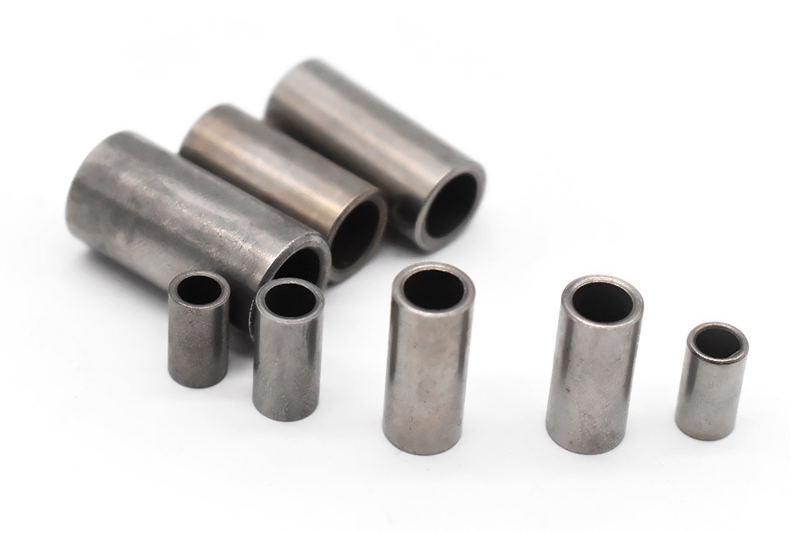
Die sekundäre CNC-Bearbeitung ist wichtig, da selbst gut gegossene Teile oft nach dem Guss kritische Merkmale verfeinern müssen. Ebene Bezugspunkte, Gewindebohrungen, Lagerstellen, Dichtflächen und Montageschnittstellen erfordern in der Regel mehr Kontrolle, als der Gießprozess allein wirtschaftlich bieten kann. Ein Lieferant, der diese Bearbeitungsschritte sauber integrieren kann, ist in der Regel besser positioniert, um sowohl Toleranz als auch Gesamtkosten zu kontrollieren.
Qualitätskontrolle ist wichtig, da Gussfehler nicht immer visuell offensichtlich sind. Käufer sollten bestätigen, wie der Lieferant Maßabweichungen, Oberflächenunregelmäßigkeiten, Porositätsrisiko und Chargendrift verhindert, erkennt und dokumentiert. Je nach Projekt kann die Verifizierung CMM-Maßprüfung, Profilprojektorprüfung, 3D-Scanmessung oder Direktlesespektrometer zur Legierungsbestätigung umfassen.
Die integrierte Kontrolle verbessert auch die Konsistenz über Chargen hinweg. Für OEM- und Industriekäufer ist das Problem selten ein einziges akzeptables Muster. Das eigentliche Problem ist, ob der Lieferant akzeptable Ergebnisse über viele Lieferungen wiederholen kann. Deshalb sollte der kundenspezifische Präzisionsgussdienst immer anhand der Prozesskettenfähigkeit bewertet werden, nicht nur anhand des Gießerei outputs.
Fazit: So wählen Sie den richtigen Partner für Präzisionsgussdienste
Die Auswahl des richtigen Präzisionsgusslieferanten bedeutet, den Prozess an das Teil, die Legierung an die Anwendung und die Prüfstrategie an das tatsächliche funktionale Risiko anzupassen. Käufer sollten zuerst bestätigen, ob Druckguss, Feinguss oder Sandguss der richtige Fertigungsweg ist. Sie sollten dann die Materialfähigkeit, die Toleranzlogik, die Wanddicken- und Geometrietauglichkeit, die Vollständigkeit der RFQ, die Unterstützung der sekundären Bearbeitung und die tatsächliche Qualitätskontrolltiefe des Lieferanten bewerten.
Das beste Beschaffungsergebnis erzielt man in der Regel mit einem Lieferanten, der die Teilstruktur überprüfen, den richtigen Prozessweg empfehlen, eine realistische Bearbeitungsstrategie definieren und eine stabile Produktionsqualität vom Muster bis zur Wiederholungsbestellung unterstützen kann. Wenn Sie neue Projekte bewerten und Prozessempfehlungen basierend auf Legierung, Geometrie, Chargengröße und Maßanforderungen benötigen, beginnen Sie mit der Überprüfung unserer Präzisionsgussdienste und fordern Sie eine beschaffungsorientierte Bewertung für Ihre kundenspezifischen Metallgusslösungen an.
FAQ
Materialien, Toleranzen und Teilegeometrie, die die Lieferantenauswahl beeinflussen?
Welche Präzisionsgussdienste sind am besten für kundenspezifische Metallteile geeignet?
Welche Toleranzen können Präzisionsgussdienste typischerweise erreichen?