Mastering Complexity: The Art of Producing Intricate Parts with Plastic Injection Molding
Complex Plastic Injection Molding RFQ Decision: Complex plastic injection molded parts require early review of wall thickness, ribs, bosses, undercuts, clips, snap fits, holes, cosmetic surfaces, material shrinkage, gate location, cooling, ejection, secondary operations, and inspection criteria. This article explains how plastic injection molding can produce intricate housings, covers, clips, brackets, connectors, bezels, enclosures, and functional plastic components when the design supports tooling and process control. The practical RFQ problem is deciding which complex features can be molded directly, which features need redesign, and which features require secondary operations or inspection evidence.
Complexity in injection molding is not only about visual detail. A part becomes difficult when geometry affects filling, cooling, shrinkage, warpage, mold release, surface appearance, strength, or assembly fit. Buyers should identify the features that control function before tooling begins.
What Makes a Plastic Injection Molded Part Complex?
A plastic injection molded part is complex when it combines multiple functional features that compete for moldability. Ribs, bosses, snap fits, clips, undercuts, thin walls, thick sections, deep pockets, cosmetic surfaces, threads, and insert areas can all affect filling, cooling, ejection, and inspection.
The engineering reason is that molten plastic must flow through the mold, pack the cavity, cool evenly, and release without damaging the part. A feature that looks simple in CAD may create weld lines, sink marks, short shots, trapped air, warpage, or ejection stress.
The RFQ should identify which features are cosmetic, structural, load-bearing, assembly-related, sealing, sliding, or dimensional datums. That helps the supplier decide whether the feature can be molded as designed.
How Do Wall Thickness, Ribs, Bosses, and Undercuts Affect Moldability?
Wall thickness, ribs, bosses, and undercuts are the core geometry issues in complex injection molding. Uneven walls can create sink marks and warpage. Ribs can improve stiffness but may also affect flow and cooling. Bosses can support screws or inserts but can create thick sections. Undercuts may require slides, lifters, inserts, or redesign.
Buyers should review these features early because tool changes after mold build can be expensive and slow. The drawing should mark screw bosses, snap features, living hinge-like flex areas if any, critical clips, mating surfaces, and cosmetic faces. If the part needs threads, inserts, or post-machining, those requirements should be stated clearly.
The RFQ implication is direct: complex features should be tied to function. A noncritical styling groove can be adjusted more easily than a sealing surface, snap arm, or load-bearing boss.
How Do Materials Influence Complex Molded Part Quality?
Material selection influences flow, shrinkage, stiffness, impact behavior, heat resistance, wear, surface finish, and dimensional stability. ABS, PC, ABS-PC, Nylon PA, POM, PPS, TPU, PEEK, and PEI can behave differently in the same mold geometry.
A complex part with thin walls may need a material that fills well. A part with clips or snap features may need toughness and fatigue resistance. A part with heat exposure may need a higher-temperature material. A part with precision assembly features may need predictable shrinkage and moisture behavior.
Buyers should provide the required material grade or functional targets. If the material is not fixed, the RFQ should describe heat exposure, load direction, cosmetic requirements, chemical exposure, wear, and assembly conditions so the supplier can recommend a suitable resin for review.
Which Tooling and Process Decisions Control Complex Features?
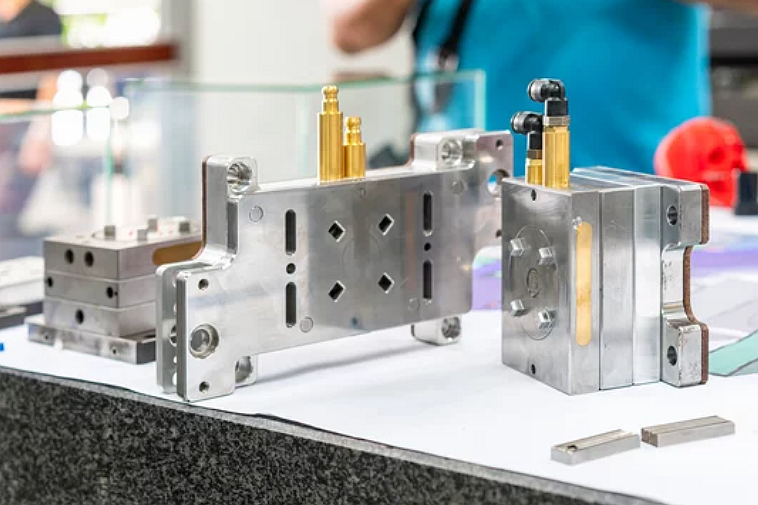
Tooling and process decisions control whether complex features can be produced repeatedly. Gate location, runner design, venting, cooling channels, parting line, slides, lifters, ejector layout, cavity layout, texture, and polishing all affect the final part.
Process settings also matter. Melt temperature, mold temperature, injection speed, packing pressure, cooling time, material drying, and ejection timing can influence defects and dimensions. These controls should be aligned with the features that matter most to the buyer.
Buyers should ask for DFM review before tool launch. The review should identify flow risk, weld line risk, sink risk, warpage risk, ejection risk, undercut strategy, and any secondary operations needed for critical features.
What RFQ Details Are Needed for Intricate Injection Molded Parts?
A complex injection molding RFQ should show which features matter and how they will be accepted. A supplier cannot judge complexity from part appearance alone.
Complex Molded Feature | Manufacturing Risk | RFQ Detail Needed | Review or Inspection Evidence |
|---|---|---|---|
Ribs, bosses, and thick sections | Sink marks, voids, warpage, cooling variation, or weak screw engagement. | Feature function, screw or insert data, load direction, and cosmetic surface limits. | DFM review, dimensional report, visual inspection, and functional fit check. |
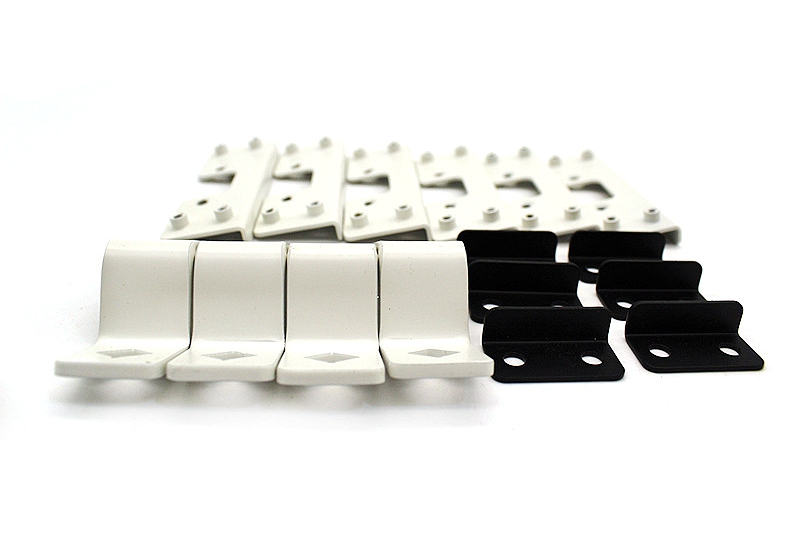
Clips, snaps, and flex features | Weld line weakness, stress concentration, fatigue, or ejection damage. | Assembly force, flex direction, material requirement, and expected use condition. | Sample approval, functional test if specified, and feature inspection. |
Undercuts, holes, and side features | Tool complexity, slide or lifter need, flash, mismatch, or release damage. | Parting line preference, tool access, tolerance, mating part, and inspection method. | Tooling review, CMM report, gauge check, and assembly trial if required. |
Cosmetic or textured surfaces | Flow marks, weld lines, sink, gloss variation, texture mismatch, or visible gate marks. | Appearance grade, texture, color, gate limitations, and acceptable visual criteria. | Visual inspection, color or texture approval, and sample sign-off. |
When Should Buyers Use Rapid Prototyping Before Tooling?
Buyers should use rapid prototyping or rapid molding when the design is still changing or when the function of complex features needs validation before production tooling. Prototypes can help test assembly fit, ergonomics, snap behavior, insert locations, and critical surfaces.
Prototype evidence is not always the same as molded production evidence. A 3D printed snap or machined prototype may not behave like the final injection molded material. Rapid tooling can provide better molding evidence when the project needs production-like samples before final tooling.
The RFQ should state the buying stage. If the goal is concept validation, prototyping may be suitable. If the goal is production approval, tooling DFM and molded sample inspection become more important.
What Neway Precision Reviews for Complex Injection Molded Parts
Neway Precision reviews complex injection molding RFQs by checking material grade, wall thickness, ribs, bosses, clips, snap features, undercuts, holes, threads, inserts, cosmetic surfaces, gate location, cooling, ejection, secondary operations, surface finish, and inspection criteria.
A complete RFQ should include the 3D model, 2D drawing, material requirement, color, texture, critical dimensions, cosmetic surfaces, assembly function, inserts, fasteners, expected quantity, secondary operations, inspection reports, and sample approval expectations. Clear RFQ data helps determine whether complex plastic features can be molded directly or need redesign before tooling.
Related FAQs