Customization: Tailoring Products to Individual Needs with 3D Printing
Customized 3D Printing RFQ Decision: This article explains how buyers can use 3D printing prototyping for customized products, personalized prototypes, variant housings, ergonomic grips, fixtures, covers, ducts, brackets, display models, and functional polymer or metal samples. The practical RFQ problem is defining variant data, material, file format, functional surfaces, cosmetic requirements, inspection method, and production transition before ordering customized 3D printed parts.
3D printing supports customization because additive manufacturing can build different geometries from digital files without a new mold for every variant. That flexibility is useful for ergonomic trials, customer-specific layouts, part identification, fixture adaptation, and low-volume product variants. Buyers still need controlled inputs because customization can create file-management, material, inspection, and batch-tracking risks.
When Is 3D Printing Suitable For Customized Parts?
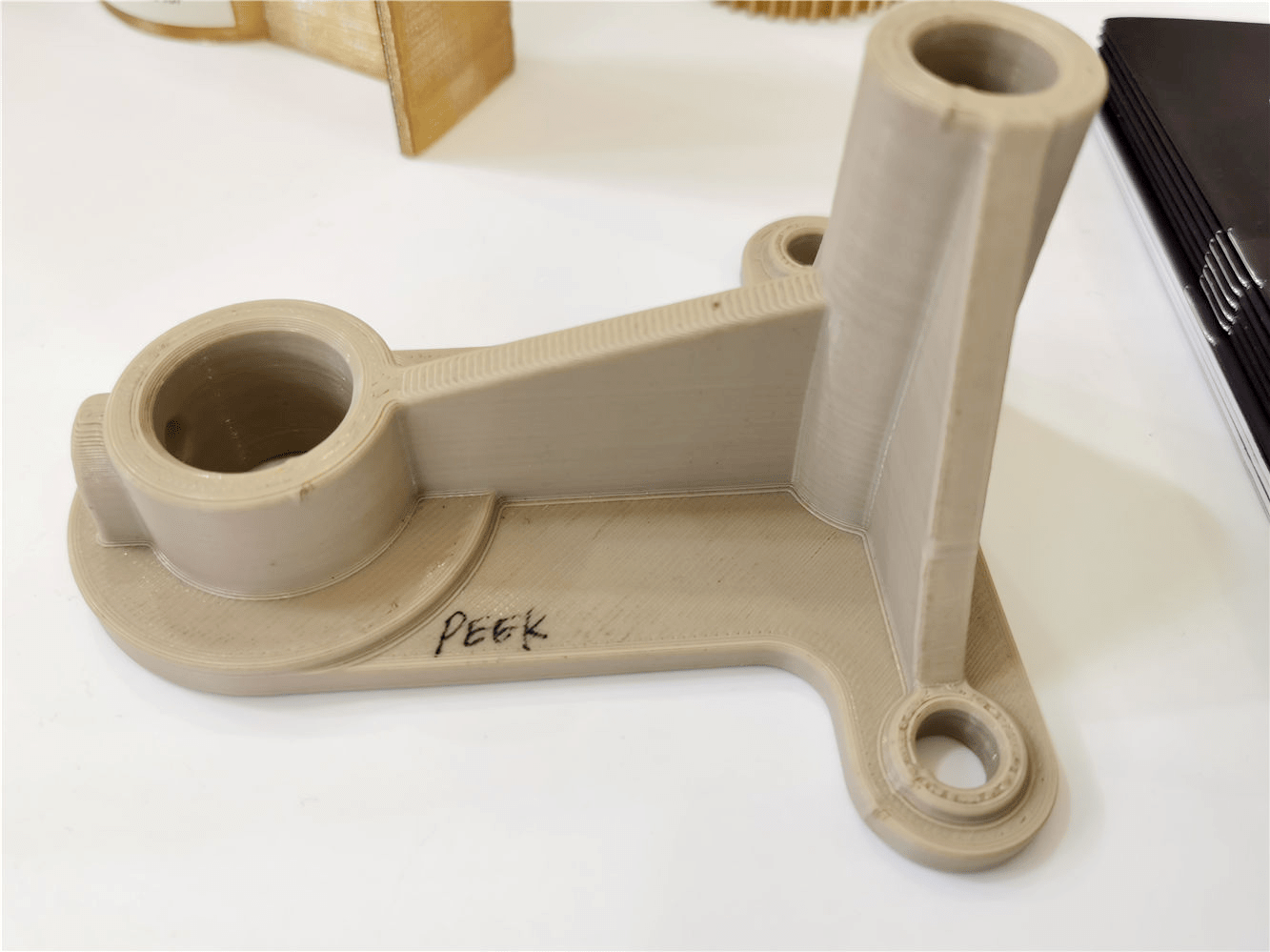
3D printing is suitable for customized parts when the buyer needs many geometry variants, fast design iteration, ergonomic evaluation, personalized fit, fixture adaptation, or low-volume production before tooling is justified. The process is especially useful when each part variant can be controlled through a digital model or parameter set.
The buyer should define what is actually customized. A part may have a custom shape, custom text, custom mounting pattern, custom color, custom grip surface, or customer-specific internal routing. Each type of customization affects quotation differently. Geometry changes affect print files and inspection. Color or finish changes affect post-processing. Functional changes affect material and test planning.
Customization should also be tied to product purpose. A visual customized model may not require the same material or dimensional controls as a customized fixture or functional test part.
Which Customization Inputs Should Be Included In The RFQ?
A customized 3D printing RFQ should include the base model, variant list, part naming method, revision control, material requirement, cosmetic zones, functional surfaces, required quantity for each variant, inspection expectations, and post-processing scope. Without this information, the supplier may not know whether the order contains one design, several independent designs, or one configurable product family.
Buyers should also define whether the supplier will receive final files or help review manufacturability. If the buyer provides every variant as a final model, the RFQ should identify file format, units, and revision status. If the supplier will adjust files, the RFQ should define the allowed changes and the approval process before printing.
For file planning, buyers can connect this topic with the FAQ on files and specifications for custom 3D prototyping services.
How Should Buyers Select Materials For Customized 3D Printing?
Material selection should follow the customized part function. A display model may prioritize appearance and handling. An ergonomic grip may prioritize feel, stiffness, and surface finish. A fixture may prioritize strength, dimensional stability, and wear. A metal validation part may prioritize heat, load, or integrated geometry.
Common material discussions may include polymer options such as ABS for 3D printing and metal additive options such as aluminum for 3D printing or AlSi10Mg for metal 3D printing. The buyer should state required properties such as stiffness, impact behavior, heat exposure, weight, surface appearance, chemical exposure, conductivity, or wear resistance.
If several variants use different materials or finishes, the RFQ should map each material to the correct file and part number. This prevents mixing errors and supports more accurate quotation.
Which 3D Printing Process Fits Product Variants?
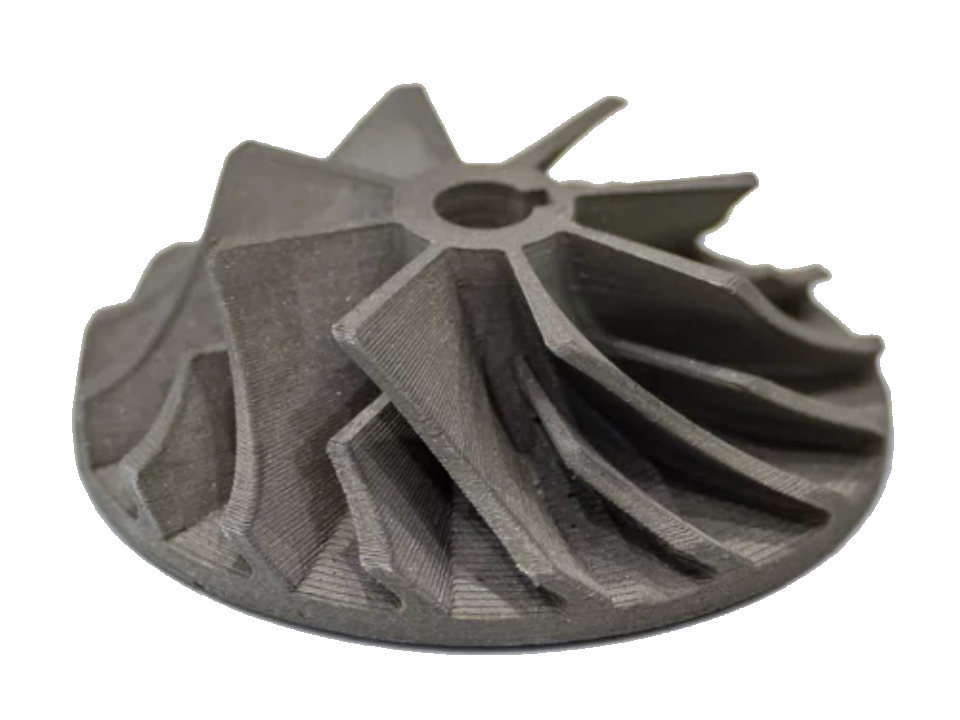
The best 3D printing process depends on variant purpose, material, surface finish, feature size, and batch structure. FDM can support early form and fit studies. MJF can support functional polymer variants and complex internal features. DMLS and SLM can support metal prototypes when customized metal geometry or integrated features are needed.
Buyers should not choose a process only because the product is customized. The RFQ should explain whether the customized part must be visual, functional, assembled, tested, or used as a fixture. The supplier can then recommend the process, build orientation, support strategy, and post-processing route.
Customized Part Entity | 3D Printing Process Need | RFQ Detail To Provide |
|---|---|---|
Visual product variant | Appearance, surface finish, and color consistency | Cosmetic faces, finish target, color requirement, and model revision |
Ergonomic prototype | Shape, handling surface, and user-fit review | Grip zones, surface texture, variant list, and feedback cycle |
Functional fixture | Strength, dimensional stability, and repeated handling | Load direction, locating features, material need, and inspection method |
Metal printed sample | Heat, load, or integrated geometry evaluation | Metal grade, support removal, heat treatment, and machined interfaces |
How Do Tolerances And Inspection Work For Customized Variants?
Tolerances and inspection should be assigned by function, not copied blindly across every customized variant. Critical mounting holes, mating surfaces, snap-fit features, sealing areas, and alignment bosses may need inspection. Decorative text, hidden surfaces, and non-functional contours may need lighter control.
Buyers should state which dimensions are critical for every variant and which dimensions change by configuration. Inspection may include visual review, calipers, pin gauges, thread gauges, coordinate measuring machine checks, surface finish review, or buyer-defined functional tests. If each variant has a different geometry, the RFQ should explain whether all variants require inspection records or only selected samples.
Clear inspection rules help avoid a common customization problem: treating every variant as a separate engineering exception. A shared datum scheme, part numbering method, and acceptance standard can make variant work easier to quote and verify.
How Do Surface Finish And Personalization Affect Cost?
Surface finish and personalization affect cost because customized parts may need sanding, bead blasting, dyeing, painting, sealing, polishing, engraving, inserts, or assembly. A printed part with customer-specific text or cosmetic surfaces may need different handling than a basic functional prototype.
The RFQ should identify cosmetic faces, touch surfaces, logo areas, marking locations, color requirements, and any required protection during packaging. If appearance is important, the buyer should state whether minor layer texture, support marks, or color variation is acceptable. If the part is functional, the buyer should state which surfaces control assembly or performance.
For cost context, buyers can review 3D printing upfront cost considerations. Customization can reduce tooling commitment, but finishing and inspection can still become major cost drivers.
Which Risks Should Buyers Control In Customized 3D Printing?
Customized 3D printing risks include uncontrolled file revisions, part-number confusion, material mismatch, variant mix-ups, inconsistent cosmetic expectations, unsupported thin features, difficult post-processing, and unclear inspection criteria. These risks increase when many variants are ordered together.
Buyers should use a structured part list and clear file naming. Each variant should connect to a material, quantity, finish, inspection requirement, and revision. If a variant is experimental, the RFQ should label that status so the supplier does not treat the part as production-ready.
Customization Risk | Manufacturing Impact | Buyer RFQ Action |
|---|---|---|
File revision mismatch | Wrong geometry may be printed for a variant | Use controlled filenames, revision status, and approval notes |
Material or finish mix-up | Variant may not match intended function or appearance | Map each part number to material, color, and finish |
Undefined functional surface | Inspection may focus on the wrong area | Mark mating faces, holes, clips, and touch surfaces |
Future production mismatch | Customized geometry may be difficult to mold, machine, or cast later | State whether the design may transition to another process |
What Should A Customized 3D Printing RFQ Include?
A customized 3D printing RFQ should include the base CAD model, variant files, part numbers, revision status, material for each variant, quantity for each variant, cosmetic surfaces, functional surfaces, surface finish, post-processing, inspection records, test plan, packaging requirement, and future production intent. The RFQ should also identify which customized features are fixed and which features may be adjusted for printability.
Buyers should state whether the customized part is a visual sample, functional prototype, fixture, assembly aid, or bridge-production part. That purpose controls process selection, material choice, inspection method, and finishing scope.
3D printing supports customization best when digital variation is managed with clear engineering rules. A structured RFQ helps the supplier quote each variant correctly and keeps customization from becoming uncontrolled manufacturing variation.
Related FAQs
What are the limitations of 3D printing in industrial applications?
How cost-effective is 3D printing compared to traditional manufacturing methods?
What files and specifications are needed for custom 3D prototyping services?
What information should buyers provide for an accurate prototype quote?
How does Neway support the transition from prototype to mass production?