Custom Metal Parts Production Enhanced by Gravity Castings Techniques
Gravity Castings Custom Metal Parts Decision: This article explains how buyers can evaluate gravity casting for custom metal parts such as aluminum housings, brackets, pump bodies, covers, heat-transfer components, handles, fittings, and medium-duty structural parts. The practical RFQ problem is deciding whether permanent mold design, alloy selection, gravity-fed filling, solidification control, machining allowance, and inspection evidence can support the required part function.
How Does Gravity Casting Support Custom Metal Parts?
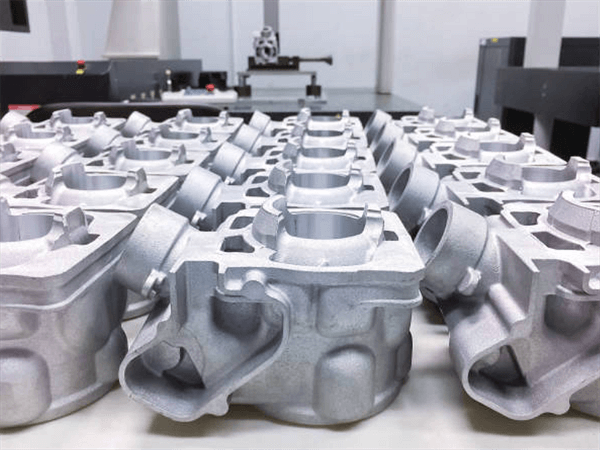
Gravity casting fills a mold with molten metal using gravity rather than high injection pressure. In many custom metal part projects, gravity casting uses a reusable metal mold, also called a permanent mold, to create repeatable parts with better surface potential than many sand casting routes while avoiding the higher pressure and tooling complexity of die casting.
The process can support custom metal parts when the design needs moderate complexity, controlled wall sections, useful surface quality, and repeatable production after the mold design is proven. It is often considered for aluminum, zinc, magnesium, and copper alloy parts where the geometry and quantity do not justify high-pressure die casting or where sand casting surface and repeatability are not ideal.
The buyer should confirm whether the part geometry can be filled by gravity, whether cores are needed, which surfaces must be machined, and which defects would affect function. Gravity casting technique improves production only when the mold, alloy, pouring method, and inspection plan are matched to the part requirement.
Which Metals And Alloys Fit Gravity Casting?
Gravity casting alloy selection should start from the operating environment and part function. The material family affects fluidity, shrinkage, corrosion behavior, machinability, surface finishing, heat treatment, and inspection requirements.
Gravity Casting Material | Typical Custom Part Use | RFQ Confirmation Needed |
|---|---|---|
Housings, covers, brackets, pump bodies, lighting parts, and heat-transfer components | Confirm alloy, machining stock, coating, heat exposure, and leak test needs. | |
Structural aluminum parts, machined housings, and components that may need heat treatment review | Confirm heat treatment, mechanical requirement, machining datum, and inspection records. | |
Aluminum castings where corrosion exposure and casting behavior must be balanced | Confirm exposure media, finish requirement, and pressure or sealing needs. | |
Small to medium hardware, fittings, handles, and parts where zinc alloy behavior is suitable | Confirm load, coating, dimensional control, and route comparison with zinc die casting. | |
Lightweight components that require magnesium-specific process review | Confirm material standard, surface protection, corrosion exposure, and handling requirements. | |
Bushings, fittings, corrosion-exposed parts, and wear-related metal components | Confirm alloy, bearing surface, media exposure, machining allowance, and inspection method. |
Material choice should be connected to the manufacturing route. A part that looks suitable for gravity casting in aluminum may need another casting method if it requires very thin sections, high production speed, or a different alloy system.
Which Custom Metal Parts Benefit From Gravity Casting?
Gravity casting is useful for custom parts that need repeatable metal geometry, moderate tooling cost, and post-cast machining on functional surfaces. It can be a good route for pilot production, lower-volume production, replacement parts, and custom industrial components where die casting tooling is not suitable.
Custom Metal Part Type | Why Gravity Casting May Fit | Manufacturing Requirement |
|---|---|---|
Pump housings and valve bodies | Permanent molds can form repeatable bodies with machined sealing faces | Define internal passages, leak test, pressure condition, and sealing surface machining. |
Machine covers and equipment housings | Gravity casting can form sturdy covers with ribs, bosses, and machined mounting features | Control wall transitions, flatness, coating, and assembly datum surfaces. |
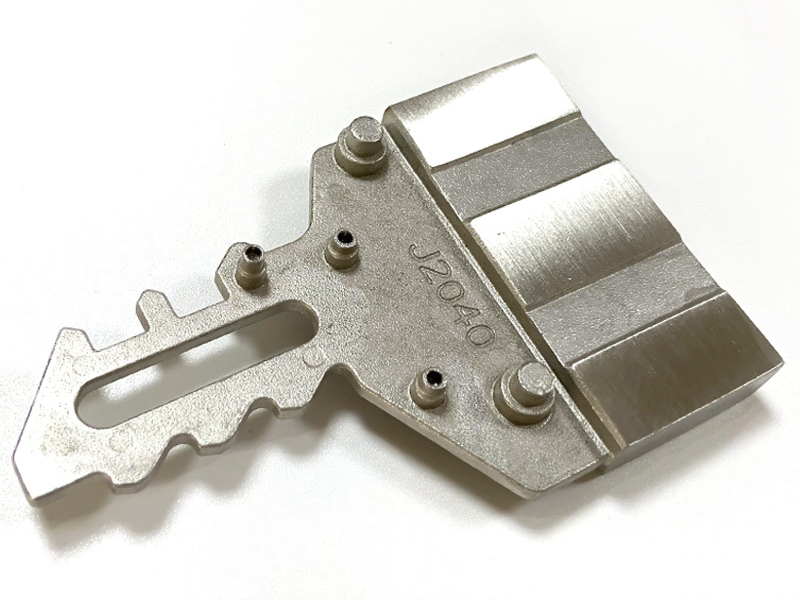
Brackets and supports | Metal mold casting can create repeatable structural shapes for moderate production demand | Confirm load direction, rib layout, bolt pads, heat treatment, and inspection method. |
Heat-transfer components | Cast aluminum can create larger surfaces and mounting areas for thermal contact | Confirm flatness, thermal interface, alloy, coating, and machining scope. |
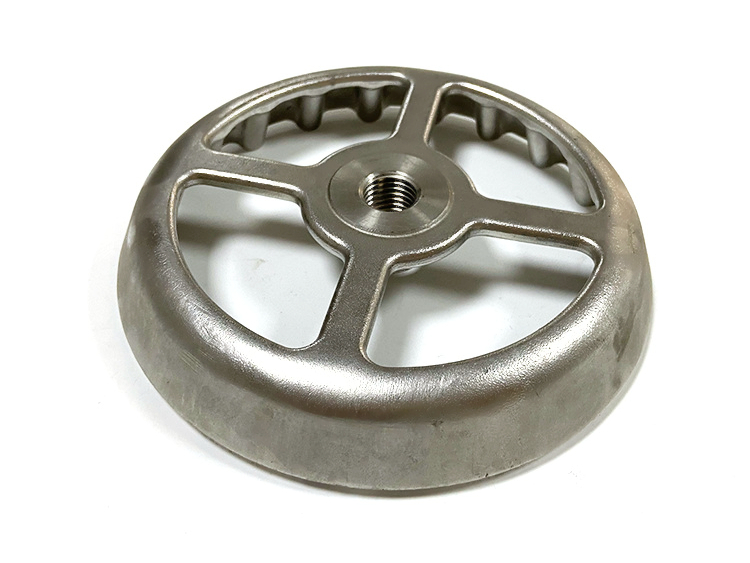
Handles, levers, and fittings | Gravity casting can form ergonomic or contoured metal shapes with machining where needed | Define wear surfaces, threads, surface finish, and assembly loads. |
For automotive, aerospace, medical, energy, or other controlled programs, gravity cast parts should be reviewed against buyer specifications and qualification requirements. The casting route can support the part only when the validation path is defined by the buyer.
How Do Permanent Mold Design And Pouring Control Quality?
Gravity casting quality depends on mold design and pouring control. Mold temperature, venting, coating, gating, risers, metal temperature, pour rate, core placement, and solidification sequence can all affect final part quality.
Gravity Casting Control | Effect On Custom Metal Parts | Buyer Review Point |
|---|---|---|
Permanent mold design | Controls part shape, repeatability, surface potential, draft, and tooling life | Review parting line, ejector locations, draft, and machined surfaces. |
Gating and pouring path | Affects turbulence, filling, oxide inclusions, and cold shut risk | Review gate location and whether gate removal affects functional surfaces. |
Risers and solidification | Feed metal as the casting cools and shrinks | Review thick sections, hot spots, shrinkage risk, and machining allowance. |
Core design | Creates internal passages or hollow geometry | Confirm core support, cleanout access, dimensional inspection, and internal surface needs. |
Mold coating and thermal control | Affects surface condition, mold release, cooling, and local solidification behavior | Confirm cosmetic surfaces, coating compatibility, and process consistency needs. |
Buyers should share functional surfaces and assembly constraints before the mold is finalized. The mold design can then place gates, parting lines, vents, and ejector areas where the functional impact is lower.
Which Defects Should Buyers Control In Gravity Castings?
Gravity casting defects should be evaluated according to the part function. Common concerns include shrinkage, porosity, cold shuts, inclusions, misruns, core shift, surface defects, warpage, and machining exposure of subsurface defects.
Casting Risk | Functional Impact | Inspection Or Control Evidence |
|---|---|---|
Shrinkage porosity | Can affect machined surfaces, leak resistance, and load-bearing sections | Riser review, X-ray, section inspection, machining inspection, or leak test if required. |
Cold shut or misrun | Can affect thin edges, ribs, fins, and remote features | Visual inspection, fill review, and first-sample feature verification. |
Inclusions | Can reduce surface quality or affect functional machined areas | Melt handling review, filtration, visual standards, and machining inspection. |
Core shift | Can change wall thickness, internal passage location, or machining allowance | Fixture check, dimensional inspection, sectioning, or CT if required. |
Warpage | Can affect flatness, sealing surfaces, and assembly fit | CMM report, flatness check, machining datum review, or assembly trial. |
Defect acceptance should be documented. A cosmetic mark on a noncritical surface may be acceptable, while porosity on a sealing face or thread area may require process change, machining review, or inspection evidence.
When Should Buyers Compare Gravity Casting With Sand Casting Or Die Casting?
Gravity casting should be compared with sand casting, aluminum die casting, zinc die casting, and investment casting when the part size, material, detail level, production volume, and surface requirement are still open.
Casting Route | Best Fit | When Gravity Casting May Be Better |
|---|---|---|
Gravity casting | Custom non-ferrous parts, permanent mold repeatability, moderate detail, and machined features | When reusable mold repeatability is useful but high-pressure die casting is not justified. |
Sand casting | Large castings, heavy sections, broad alloy choices, and lower tooling pressure | When better repeatability, surface potential, or permanent mold behavior is needed. |
Die casting | High-volume aluminum or zinc parts with thin walls and pressure-fed filling | When the project volume, geometry, or material does not support die casting tooling. |
Investment casting | Smaller complex metal parts, fine detail, and near-net geometry | When part size, quantity, or cost target favors permanent mold gravity casting. |
The route decision should include machining and finishing. A gravity casting may look cost-effective at the casting stage, but final value depends on machining time, scrap risk, coating, inspection, and approval requirements.
Which Machining, Finishing, And Inspection Steps Matter?
Gravity castings often need secondary operations. Common steps include gate removal, deburring, shot blasting, heat treatment, CNC machining, drilling, tapping, polishing, coating, painting, anodizing for suitable cast aluminum, and assembly.
Inspection evidence may include dimensional reports, CMM reports, first article inspection, material certificates, heat-treatment records, hardness testing, surface roughness reports, coating thickness reports, leak tests, pressure tests, X-ray inspection, dye penetrant inspection, and functional assembly trials.
Buyers should identify critical surfaces on the drawing. Machined bores, sealing faces, thermal contact surfaces, threaded holes, gasket areas, and visible surfaces may need different acceptance criteria.
What Should A Gravity Casting RFQ Include?
A complete gravity casting RFQ should include the CAD model, 2D drawing, alloy requirement, production stage, critical surfaces, machining scope, finishing requirement, functional testing, and inspection records. The RFQ should also state whether the part is for prototype, pilot, replacement, or production use.
RFQ Information | Why It Matters For Gravity Casting | Buyer Confirmation Needed |
|---|---|---|
3D model and 2D drawing | Defines mold geometry, datum surfaces, wall transitions, draft, and machining allowance | Confirm revision, functional dimensions, and surfaces that cannot be changed. |
Material grade | Controls castability, strength behavior, corrosion exposure, machining, and heat treatment | Confirm alloy, equivalent grade, certificate need, and operating environment. |
Machining and finishing plan | Affects mold allowance, fixture strategy, final dimensions, and surface acceptance | Mark machined areas, coating areas, gasket surfaces, and visible surfaces. |
Functional tests | Connects casting quality to measurable use requirements | State whether leak, pressure, hardness, thermal, torque, or assembly tests are needed. |
Quantity and production stage | Influences mold material, machining fixture, inspection plan, and route choice | Confirm expected order pattern and sample approval process. |
Buyer-specific documentation | Determines material records, traceability, and validation responsibilities | List required reports and final acceptance criteria before quotation. |
Gravity casting can enhance custom metal parts production when the part geometry, alloy, mold design, pouring process, secondary operations, and inspection plan are reviewed together. The best results come from choosing gravity casting for a defined manufacturing reason, not simply because the part is metal.
Related FAQs