Ceramic Injection Molding Services for Custom Ceramic Parts
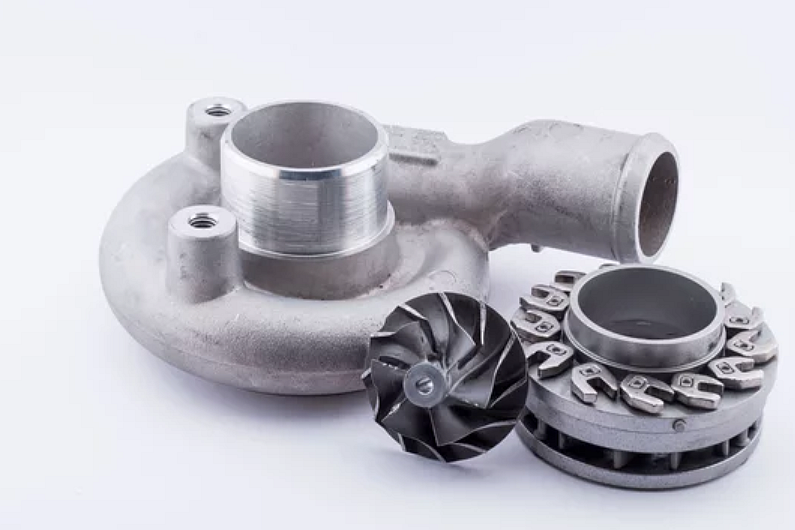
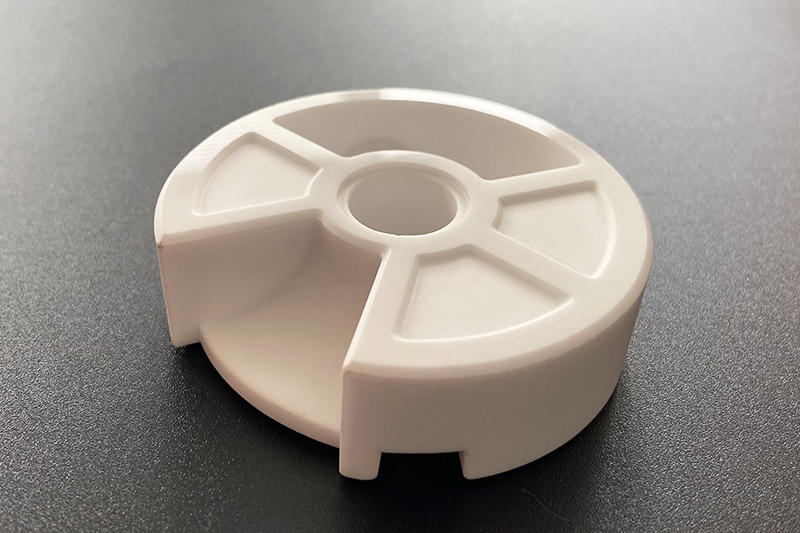
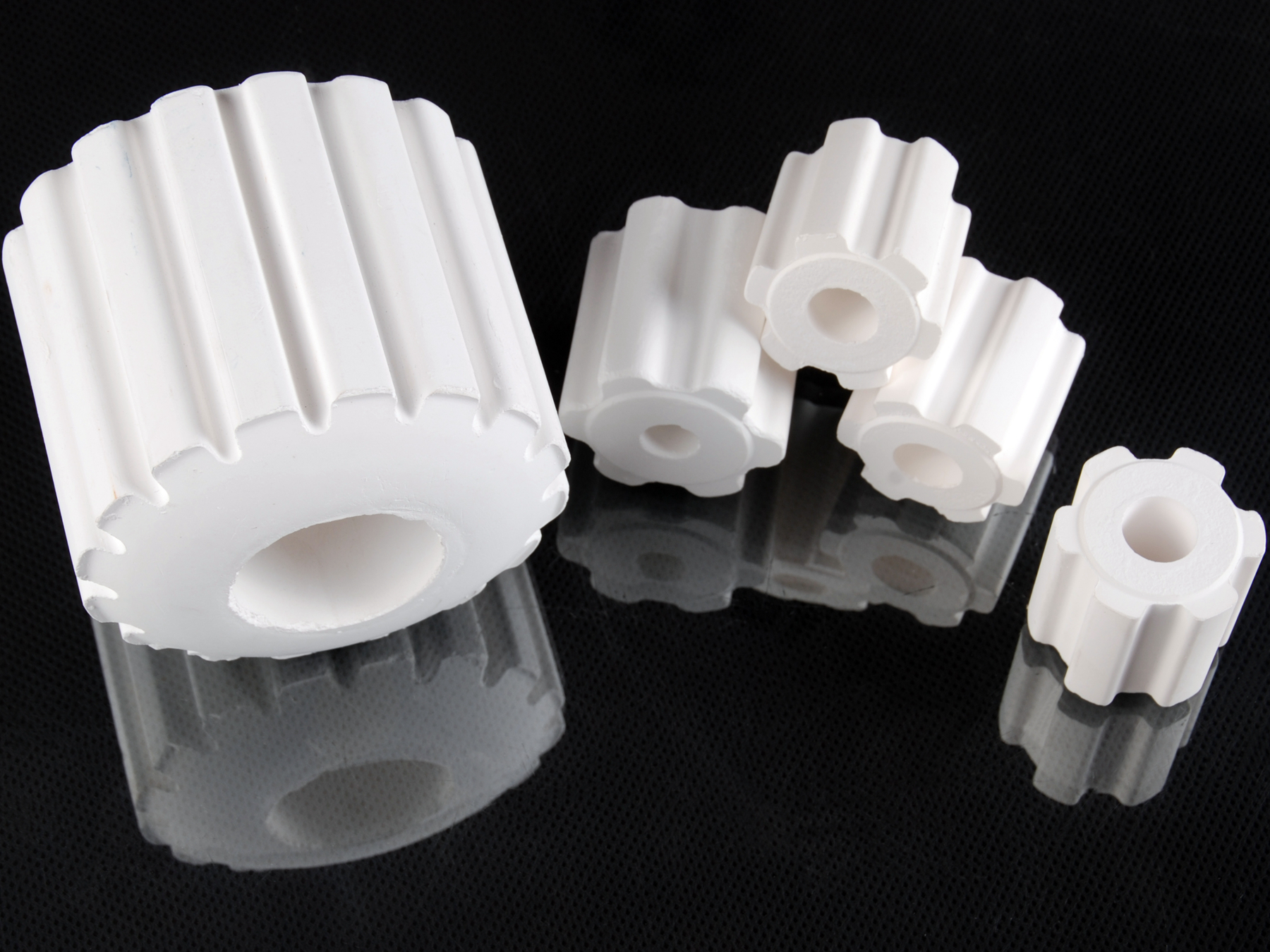
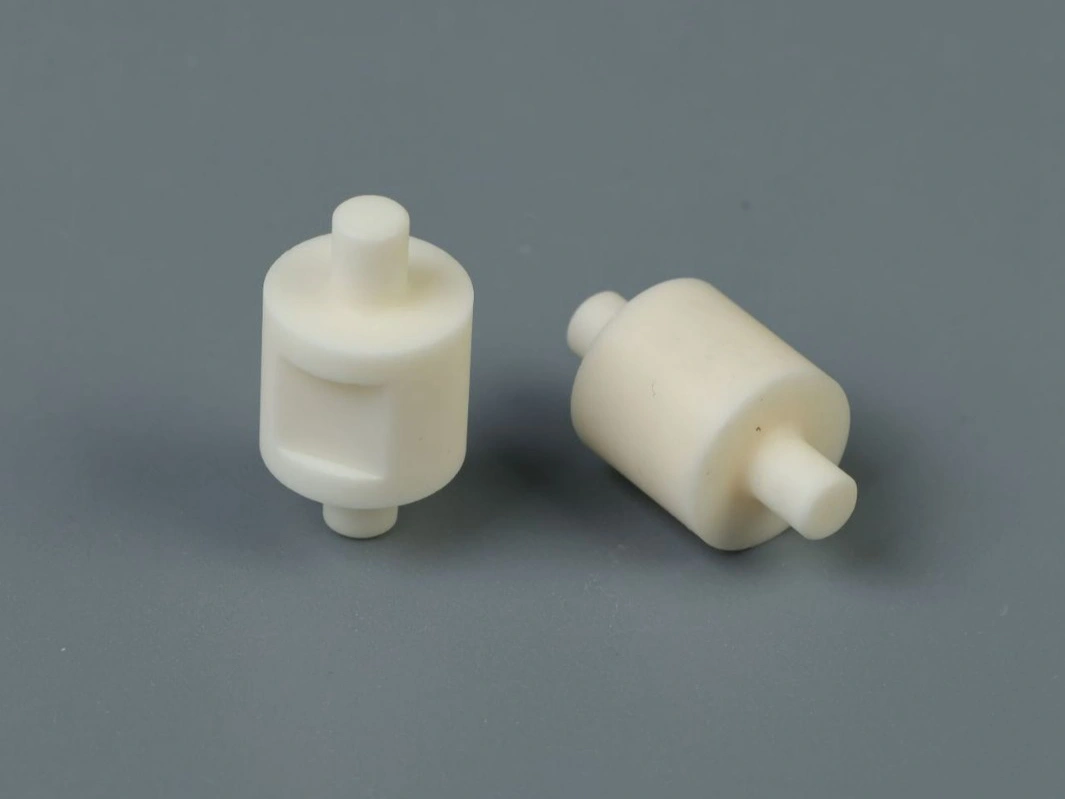
Ceramic Injection Molding Services RFQ Decision: This article explains how buyers can evaluate ceramic injection molding services for custom ceramic parts made by CIM feedstock preparation, injection molding, debinding, sintering, secondary finishing, and inspection. The part types include alumina insulators, zirconia sleeves, ceramic connector bodies, telecom thermal components, optical ceramic parts, wear-resistant guides, sensor housings, and compact ceramic structural parts. The practical RFQ problem is deciding whether CIM is suitable for the geometry, which ceramic material should be quoted, how sintering shrinkage and surface quality should be controlled, and what inspection evidence is needed before production approval.
CIM is most useful when the buyer needs a small or medium-size ceramic part with complex geometry that is difficult to machine from dense ceramic stock. Buyers should define material behavior, functional surfaces, critical dimensions, surface finish, and validation requirements before asking for a quote because ceramic injection molding choices affect tooling, shrinkage, sintering support, finishing, and inspection.
Why Is CIM Used For Complex Ceramic Parts?
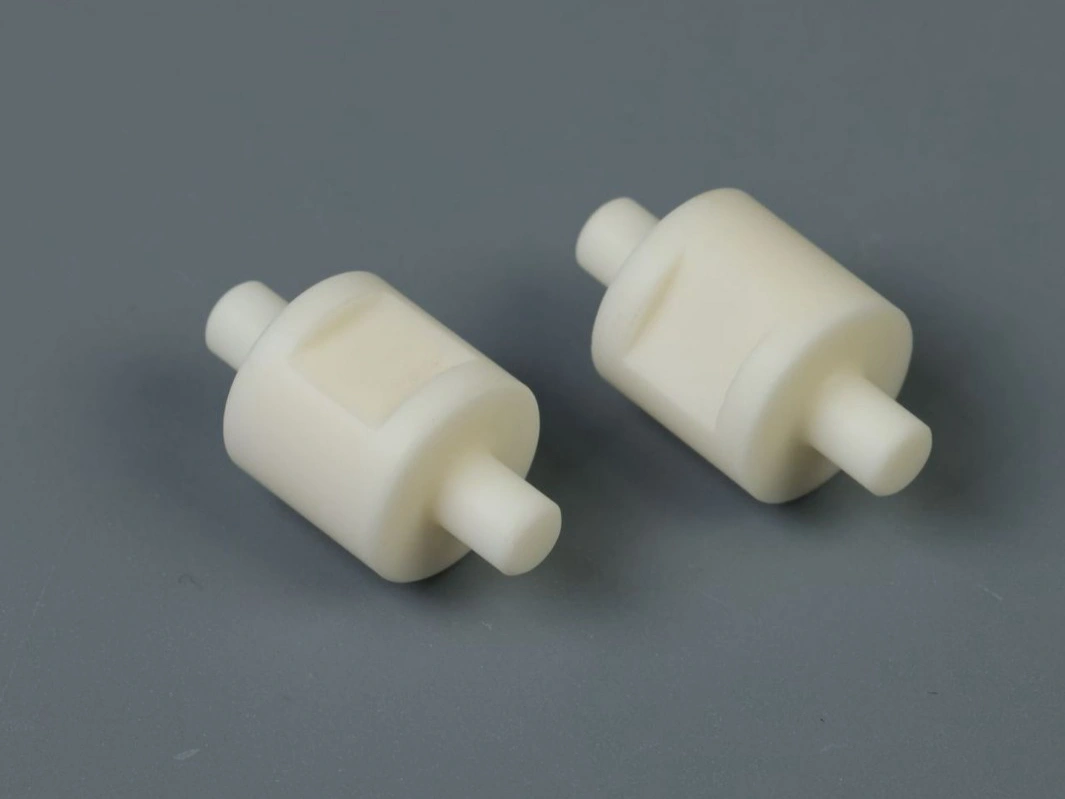
CIM is used when ceramic parts need complex shapes, small features, stable repeatability, and a route that avoids excessive machining after sintering. Alumina, zirconia, silicon carbide, silicon nitride, and alumina-zirconia ceramics can be difficult to machine after densification, so shaping the part before sintering can reduce manufacturing risk for suitable geometries.
The engineering reason is that ceramic powder and binder are prepared as a moldable feedstock. The feedstock is injected into tooling, debound, and sintered into a dense ceramic part. Because sintering shrinkage is part of the process, the supplier must review wall sections, tooling allowance, feature position, support strategy, and inspection method before committing to the final route.
The RFQ implication is direct: buyers should state whether the part is for insulation, wear resistance, thermal management, corrosion resistance, optical function, structural support, or assembly location. That use condition helps the supplier choose the ceramic material, surface finish, and inspection plan.
Which Ceramic Materials Should Buyers Compare?
Buyers should compare ceramic materials by the functional risk. Alumina can be reviewed for electrical insulation, wear resistance, and general technical ceramic use. Zirconia can be reviewed for toughness, wear behavior, and surface finish requirements. Silicon carbide can be reviewed for wear, heat, and chemical resistance. Silicon nitride can be reviewed for thermal shock, wear, and demanding mechanical environments. Alumina-zirconia can be reviewed when a balanced ceramic behavior is required.
The buyer should not select a ceramic material only because the material name is familiar. The RFQ should define electrical insulation, thermal conductivity or insulation, wear contact, corrosion environment, optical requirement, surface finish, mating materials, operating temperature range, and buyer-owned validation method. Material choice affects molding behavior, sintering shrinkage, post-sintering finishing, and inspection.
CIM Material | Buyer Requirement It May Support | RFQ Detail To Provide | Manufacturing Review Point |
|---|---|---|---|
Alumina Al2O3 | Electrical insulation, wear resistance, general ceramic hardware | Insulation requirement, wear contact, surface finish, and mating parts | Sintering shrinkage, finishing need, and critical dimension control |
Zirconia ZrO2 | Tougher ceramic behavior, smooth surfaces, wear-related components | Contact surface, finish target, assembly fit, and validation method | Material grade, shrinkage behavior, polishing or grinding requirement |
Silicon carbide SiC | Wear, heat, and chemical exposure review | Temperature condition, fluid or chemical exposure, and wear interface | Material processing route, sintering support, and finishing feasibility |
Silicon nitride Si3N4 | Thermal shock and mechanical wear environments | Load case, temperature cycle, contact condition, and inspection scope | Sintering route, dimensional control, and surface integrity review |
Which CIM Design Features Need Early Review?
Wall thickness, ribs, holes, slots, threads, sharp corners, long thin features, undercuts, and datum faces should be reviewed before tooling. CIM can form complex ceramic geometry, but ceramic feedstock flow, debinding, and sintering can make some shapes risky if the design has abrupt section changes or unsupported features.
The buyer should define which surfaces are functional and which surfaces are non-critical. A ceramic connector body may need accurate mating geometry and insulation surfaces. A ceramic guide may need wear contact surfaces. A telecom ceramic part may need thermal path surfaces. An optical ceramic part may need controlled surface and dimensional relationships. The supplier can then decide which features are molded, which features require grinding or polishing, and which features need inspection records.
How Should Sintering Shrinkage And Dimensional Control Be Quoted?
Sintering shrinkage should be treated as a planned manufacturing behavior, not as an afterthought. Tooling is designed with allowance for shrinkage, and the final dimensions depend on material, powder characteristics, binder system, wall section, sintering cycle, support method, and inspection feedback.
Buyers should assign tolerances according to function. Critical bores, slots, mating faces, sealing surfaces, optical reference surfaces, and assembly datums may need tighter control or secondary finishing. Non-functional ceramic surfaces may not need the same level of measurement. A feature-specific tolerance map helps the supplier quote a realistic CIM route.
CIM RFQ Topic | Manufacturing Entity To Define | Inspection Evidence To Request | Buyer Decision Supported |
|---|---|---|---|
Material behavior | Alumina, zirconia, silicon carbide, silicon nitride, alumina-zirconia | Material documentation and buyer-required validation plan | Whether the ceramic material fits insulation, wear, heat, or optical function |
Critical dimension | Datum, bore, slot, mating face, sealing surface, optical reference | Dimensional report, CMM check, gauge check, or optical inspection scope | Whether sintering and finishing can support assembly or function |
Surface requirement | As-sintered surface, ground surface, polished surface, edge condition | Visual inspection, surface roughness check, or finish sample approval | Whether post-sintering finishing is required |
Production stage | Prototype sample, tooling sample, validation part, production part | Sample inspection plan and approval criteria | Whether the RFQ is for design review or scalable production |
Which Secondary Operations Matter For Custom Ceramic Parts?
Secondary operations matter when molded and sintered ceramic geometry alone cannot meet a functional requirement. Common operations can include grinding, lapping, polishing, edge conditioning, hole finishing, surface inspection, cleaning, and assembly checks. The RFQ should identify which surfaces need finishing and which surfaces can remain as-sintered.
The manufacturing implication is important because ceramic finishing can add cost and process risk. A ceramic part with every surface treated as critical may be less practical than a part with clearly marked functional surfaces. Buyers should define the mating part, contact condition, surface finish requirement, and inspection method for each critical surface.
Where Are Ceramic Injection Molded Parts Commonly Reviewed?
Ceramic injection molded parts are commonly reviewed for electronics, telecom thermal hardware, optical components, energy-related assemblies, sensor housings, wear parts, fluid handling components, and precision ceramic hardware. Regulated or safety-related applications need buyer-defined qualification, documentation, and final validation requirements.
The buyer should avoid using the application name as the only RFQ instruction. A telecom ceramic part may require thermal path control. An electronics ceramic part may require insulation and dimensional stability. An optical ceramic part may require surface and geometry control. A wear part may require mating material and contact load information. The supplier needs the functional requirement behind the application label.
What Should Buyers Include In A Ceramic Injection Molding RFQ?
A complete CIM RFQ should include CAD files, 2D drawings, ceramic material preference, part function, operating environment, critical dimensions, datum structure, wall thickness concerns, surface finish, finishing operations, inspection records, mating parts, expected production stage, and buyer-owned validation tests.
Important decisions should be stated directly. If alumina is required for insulation, state the insulation requirement. If zirconia is required for wear and finish, define the contact surface. If silicon carbide or silicon nitride is being reviewed for heat, wear, or chemical exposure, describe the environment. If optical performance matters, define the optical surface, dimensional relationship, and validation method.
Related FAQs