Which Industries Benefit Most from Insert Moulding?
Industries that benefit most from insert molding are industries that need plastic parts with integrated metal, ceramic, electrical, or polymer inserts for fastening, conductivity, reinforcement, wear resistance, insulation, or assembly reduction. Automotive, consumer electronics, medical-device equipment, telecommunication, energy, aerospace, and industrial equipment projects often use insert molding when a molded component must hold an insert accurately and perform reliably in service. The practical RFQ problem is confirming whether the insert type, resin, loading method, inspection plan, and production volume match the buyer's industry requirements.
Which industries benefit most from Insert Moulding?
Insert moulding, also called insert molding, is most useful when a product needs the strength or function of an insert combined with the shape, weight, insulation, or design flexibility of molded plastic. The strongest fit is usually found in industries where separate assembly creates alignment risk, durability risk, labor cost, or quality variation.
Buyers should not choose insert molding only because a part includes a metal feature. The buyer should confirm that the insert must be molded into the plastic rather than assembled later. This decision depends on torque load, pull-out load, electrical function, sealing needs, environmental exposure, and inspection requirements.
Why do automotive components use insert molding?
The automotive industry uses insert molding for connector housings, sensor housings, switches, threaded bosses, brackets, cable interfaces, and reinforced plastic components. Inserts can provide fastening strength, electrical contact, grounding, wear resistance, and dimensional stability in parts exposed to vibration, heat, and repeated assembly.
Automotive RFQs should define resin grade, insert alloy, vibration exposure, temperature range, dimensional datums, connector alignment, and inspection methods. When inserts support electrical or safety-related functions, buyers should specify validation requirements and final acceptance criteria before tooling approval.
How do consumer electronics benefit from insert molded parts?
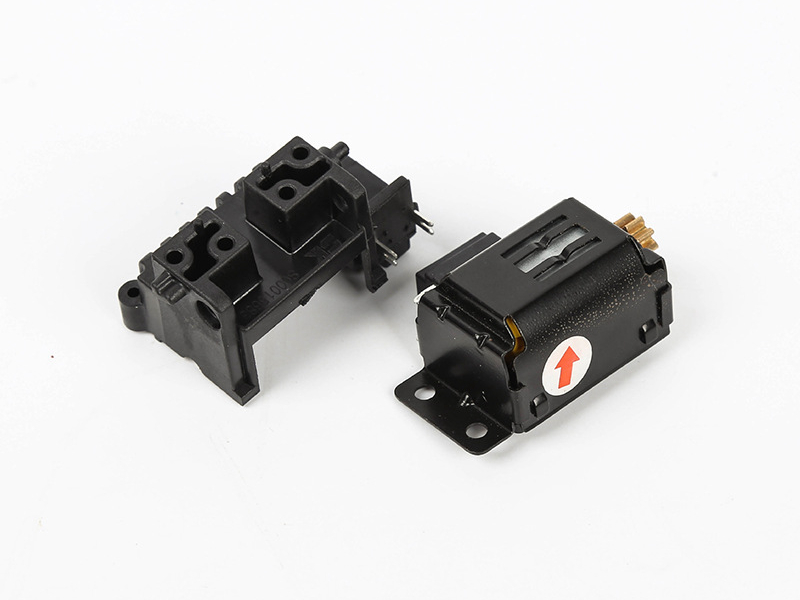
Consumer electronics benefit from insert molding when small housings, connectors, wearable devices, controls, terminals, and handheld components need precise embedded features. Metal contacts, threaded inserts, shielding elements, and alignment pins can be molded into engineering plastics to reduce later assembly steps.
Electronics RFQs should identify cosmetic surfaces, connector positions, exposed conductive areas, insulation requirements, parting-line restrictions, and post-molding electrical tests. This information helps the manufacturer control flash, resin bleed, insert shift, and cosmetic defects on small or visible components.
Where is insert molding used in medical-device equipment?
Medical-device equipment may use insert molding for handles, reusable equipment housings, instrument interfaces, connectors, threaded features, and components requiring embedded metal or insulating features. The process can reduce assembly variation and help integrate durable features into plastic parts.
Medical-related projects need cautious RFQ definition. Buyers should provide material requirements, cleaning exposure, user-contact surfaces, traceability needs, inspection points, and application-specific validation requirements. The manufacturer can support part production and process planning, while the buyer remains responsible for final regulatory validation and approval.
How do telecommunication, energy, and lighting products use inserts?
Telecommunication, energy, and lighting products use insert molding for connector bodies, terminals, cable strain reliefs, heat-related interfaces, threaded mounting points, and insulated housings. Inserts may support conductivity, grounding, fastening, sealing, thermal paths, or stable assembly alignment.
These RFQs should define electrical function, insulation needs, temperature exposure, outdoor environment, sealing target, wire or terminal placement, and surfaces that must remain free of plastic flash. Insert placement accuracy is especially important when the insert affects connector fit, signal path, or assembly with another component.
Why do aerospace and industrial equipment projects use insert molding?
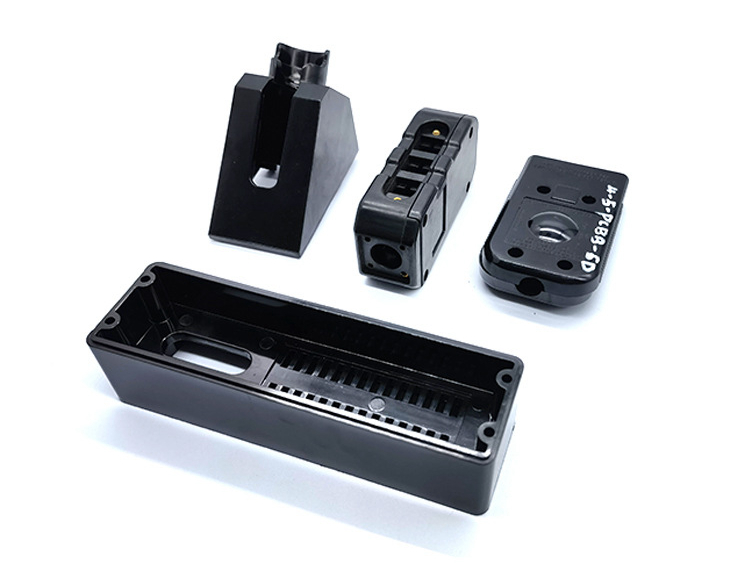
Aerospace and industrial equipment projects may use insert molding when parts need lightweight plastic bodies with metal reinforcement, threaded fastening, wear features, or embedded conductive elements. Industrial tools, control housings, switch components, and equipment interfaces can benefit when insert molding reduces loose hardware and improves repeatability.
For these applications, buyers should define load conditions, chemical exposure, abrasion, temperature, vibration, assembly cycles, and inspection criteria. Insert molding can help, but only when the selected insert material, plastic resin, and mold-loading method are reviewed against the actual operating environment.
How should buyers compare industry fit for insert molding?
Buyers should compare insert molding by part function and risk, not by industry name alone. A connector terminal, a threaded insert, a ceramic insulator, and a stainless steel bushing create different process concerns even when all are produced by insert molding.
Industry | Common insert molded part types | Primary buyer requirement | RFQ detail to confirm |
|---|---|---|---|
Automotive | Connector housings, switches, threaded bosses, sensor housings | Vibration resistance, fastening strength, dimensional stability | Load, temperature, insert alloy, datum and inspection plan |
Consumer electronics | Terminals, small housings, wearable parts, threaded features | Precision, cosmetic control, insulation, compact assembly | Conductive surfaces, flash limits, connector alignment, visual class |
Medical-device equipment | Handles, instrument interfaces, housings, threaded features | Cleanability, user contact, durability, repeatable assembly | Material requirements, cleaning exposure, validation criteria |
Telecommunication and energy | Connector bodies, terminals, cable strain reliefs, mounting points | Electrical function, insulation, sealing, environmental resistance | Electrical tests, sealing targets, terminal position, outdoor exposure |
Aerospace and industrial equipment | Reinforced housings, bushings, threaded inserts, control components | Weight control, wear resistance, strength, service reliability | Load cases, vibration, abrasion, temperature, inspection method |
What RFQ information helps confirm industry benefit?
A useful insert molding RFQ should include the target industry, part application, 3D CAD, 2D drawings, insert material, plastic resin, insert supply method, annual volume, load requirements, electrical requirements, environmental exposure, cosmetic surfaces, critical dimensions, and inspection tests. Buyers should also state whether the part currently uses separate assembly, adhesive bonding, press-fit insertion, or threaded hardware.
This information lets the manufacturer judge whether insert molding will improve durability, simplify manufacturing, improve alignment, or reduce assembly risk. Without the industry-specific requirement, insert molding may be quoted as a generic process instead of a manufacturing solution for the buyer's actual part.
Related FAQs