Versatility and Applications of Plastic Injection Molded Parts Today
Plastic Injection Molded Parts Application Decision: This article explains how buyers can evaluate plastic injection molding for molded plastic parts such as housings, clips, caps, covers, gears, brackets, enclosures, connector bodies, handles, and fluid-control components. The practical RFQ problem is deciding whether the selected thermoplastic material, mold design, surface requirement, secondary operation, and inspection plan can support the part function before tooling is released.
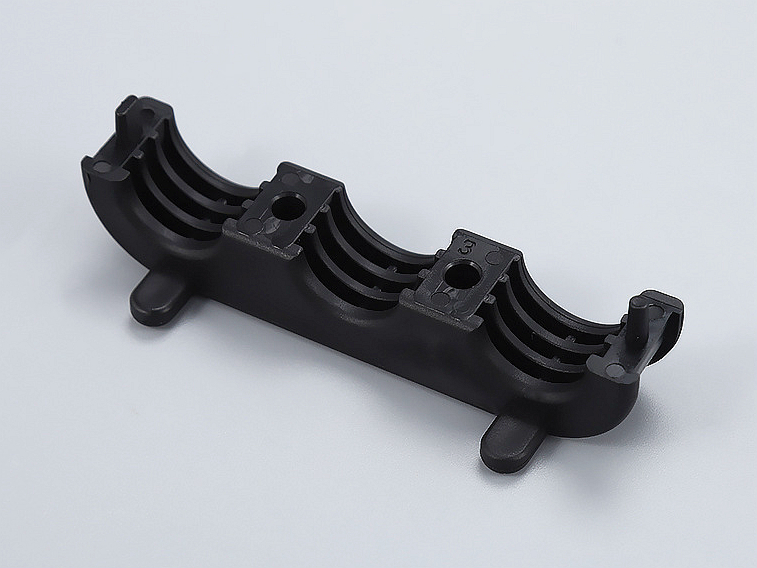
Where Do Plastic Injection Molded Parts Fit In Product Programs?
Plastic injection molded parts fit best when the design needs repeatable shape, molded features, and material flexibility after the tooling concept is confirmed. The process melts plastic resin, injects the melt into a mold cavity, cools the part, and ejects the molded component for trimming, inspection, and any required secondary operation.
This manufacturing route is common for parts that need ribs, bosses, snap fits, living hinges, texture, labels, inserts, sealing surfaces, or assembly features. Buyers often consider injection molding when 3D printing no longer represents production material behavior, CNC machining removes too much material, or sheet metal cannot create the required plastic geometry.
The buyer decision is not only whether a part can be molded. The buyer should also confirm resin family, expected load, cosmetic surface, dimensional references, gate location, parting line visibility, shrinkage risk, and inspection evidence before the tool design moves forward.
Which Thermoplastic Materials Match Common Part Functions?
The material choice should start from the part function, not from a generic resin preference. Thermoplastics vary in stiffness, toughness, temperature resistance, chemical resistance, surface appearance, dimensional stability, and ability to accept fillers or colorants.
Material Family | Common Molded Part Function | RFQ And Tooling Point |
|---|---|---|
Housings, covers, handles, cosmetic parts, and general enclosures | Confirm appearance grade, texture, color, impact requirement, and assembly load. | |
Transparent covers, protective lenses, durable shells, and parts needing impact resistance | Confirm optical area, scratch risk, stress cracking risk, drying requirement, and surface standard. | |
Gears, bushings, clips, wear parts, and mechanical brackets | Confirm moisture exposure, reinforcement, wear contact, and dimensional change after conditioning. | |
Sliding parts, small gears, latch parts, precision housings, and low-friction components | Confirm fit tolerance, molded datum, creep risk, friction requirement, and ejection marks. | |
Heat-resistant, wear-resistant, or chemically exposed engineered plastic parts | Confirm service condition, mold temperature needs, material certification request, and validation plan. | |
Flexible covers, seals, grips, cushioning features, and soft-touch components | Confirm hardness, tear risk, bonding requirement, gate vestige, and handling after molding. |
Engineering plastics can widen the application range of molded plastic parts, but each resin introduces different molding behavior. The RFQ should identify the intended resin grade or at least the required operating environment so the manufacturing review can check flow length, shrinkage, warpage, gate placement, and tool steel or surface needs.
Which Plastic Part Types Are Commonly Injection Molded?
Plastic injection molding is versatile because one mold can form external shape, internal ribs, bosses, clips, textures, holes, and assembly interfaces in the same molding cycle. This makes the process suitable for structural plastic parts, appearance parts, electrical insulation parts, fluid-handling parts, and ergonomic products.
Part Type | Application Context | Manufacturing Requirement |
|---|---|---|
Plastic housings and enclosures | Electronics, instruments, lighting products, control units, and handheld devices | Control cosmetic surfaces, ribs, bosses, screw posts, fit lines, and assembly datum surfaces. |
Clips, latches, and snap-fit parts | Assemblies that need repeatable retention without separate fasteners | Review flex direction, stress concentration, material toughness, and mold release direction. |
Connector bodies and insulating parts | Electrical, lighting, battery, and equipment interfaces | Confirm pin location, insulation material, insert fit, flash control, and dimensional inspection. |
Gears, guides, and sliding parts | Small mechanisms, moving assemblies, locks, drives, and positioning devices | Review wear contact, lubricant compatibility, gate effect, shrinkage, and runout inspection. |
Caps, covers, and fluid-control parts | Containers, valves, pump components, fittings, and protective closures | Confirm sealing surface, thread design, pressure or leak test requirement, and material compatibility. |
Soft-touch grips and multi-material parts | Handles, tool grips, wearable components, and ergonomic interfaces | Consider overmolding, bonding compatibility, surface preparation, and pull-off testing. |
For parts that combine metal inserts with molded plastic, insert molding may reduce assembly steps. The buyer should define insert material, insert retention, pull-out requirement, heat exposure, and inspection method because insert location affects both tooling and molding stability.
How Do Mold Design And Part Geometry Affect Applications?
Moldability decides whether a plastic application remains stable in production. Wall transitions, rib thickness, boss design, draft angle, undercuts, gate location, weld lines, parting line position, and ejection marks can affect function, appearance, and inspection results.
A housing may look simple on the outside but still require careful review if internal ribs create sink marks on cosmetic surfaces. A connector body may need tight pin spacing, but resin flow and venting can affect short shots, burn marks, or flash. A transparent cover may need a clean optical surface, but gate location and stress around corners can affect appearance and cracking risk.
Buyers should identify A-surfaces, datum features, assembly interfaces, sealing areas, and any no-mark zones in the drawing. Clear drawing notes help the tool designer place gates, vents, ejector pins, and parting lines where functional risk is lower.
When Are Injection Molded Plastic Parts Better Than CNC, 3D Printing, Or Sheet Metal?
Injection molding is often a better production route when the part needs molded features, consistent appearance, and repeatable production after tooling review. Alternative routes still matter for prototypes, low-volume validation, metal strength, or designs that cannot justify mold investment.
Manufacturing Route | Best Fit | When To Avoid This Route | Buyer Decision Point |
|---|---|---|---|
Plastic injection molding | Production plastic parts with repeatable geometry, molded features, and controlled surfaces | Very early concepts with frequent geometry changes or unclear material requirements | Confirm material, expected quantity, tooling budget, surface standard, and dimensional plan. |
Concept review, fit checks, functional samples, and design iteration | When production resin behavior, molded shrinkage, or cosmetic texture must be validated | Use printed parts for learning, then verify molded material behavior before production. | |
Machined plastic prototypes, tight local features, and bridge parts from sheet or block material | When the final part needs molded ribs, snap fits, living hinges, or molded surface texture | Check whether machined prototypes represent molded strength, shrinkage, and gate-related risks. | |
Prototype or pilot molded parts using production-intent resin and tool concepts | When the project already needs hardened production tooling and stable long-run validation | Use pilot lots to confirm resin, gate position, surface, and inspection before scaling. |
The route decision should be made before detailed tooling work. If the drawing still changes frequently, prototyping routes can reduce rework. If the material, geometry, and demand are stable enough, injection molding can convert the design into repeatable plastic parts.
Which Defects And Molding Risks Should Buyers Control?
Common injection molding defects can be managed when the drawing, material, mold design, process window, and inspection plan are aligned. Defect prevention is easier when buyers define functional surfaces and acceptance criteria before tooling rather than after first samples.
Molding Risk | Common Cause | Inspection Or Buyer Evidence |
|---|---|---|
Sink marks | Thick sections, heavy bosses, or uneven cooling behind cosmetic surfaces | Visual standard, surface photos, and dimensional check around thick areas |
Warping | Unbalanced wall sections, fiber orientation, cooling variation, or ejection stress | Fixture check, CMM report, flatness check, or assembly trial |
Short shots | Flow restriction, poor venting, low melt flow, or thin remote features | Visual inspection, feature completion check, and process-window review |
Flash and burrs | Parting line wear, clamp imbalance, vent issue, or local pressure concentration | Parting line standard, go/no-go gauge, and trimming requirement if needed |
Weld lines | Flow fronts meeting around holes, ribs, inserts, or multi-gate areas | Appearance standard and functional test where the weld line crosses a loaded area |
Color or surface variation | Resin batch variation, pigment dispersion, mold temperature, or texture mismatch | Approved sample, color range, gloss target, and visual inspection lighting condition |
These risks do not mean plastic injection molding is unsuitable. They mean the buyer should connect each functional requirement to a molding control and an acceptance method.
Which Secondary Operations And Inspection Steps Should Be Planned?
Many injection molded plastic parts need secondary operations after molding. The common options include degating, trimming, ultrasonic welding, heat staking, tapping, insert installation, pad printing, painting, plating, coating, assembly, packaging, and functional testing.
Secondary work should be included in the RFQ because the operation can affect material choice, mold design, fixture design, inspection time, and packaging. For example, a printed logo needs surface-energy review and approved artwork. A threaded insert needs pull-out criteria. A sealing component may need leak testing. A cosmetic enclosure may need an agreed visual standard.
Inspection should match the part risk. Molded plastic parts may need dimensional reports, first article inspection, color checks, visual standards, surface roughness or texture comparison, hardness or durometer checks for elastomers, go/no-go gauges, leak tests, torque tests, pull-out tests, assembly trials, or material certificates when required by the buyer specification.
What Should Buyers Include In A Plastic Injection Molding RFQ?
A useful RFQ should give enough information to review molding feasibility, tooling approach, material risk, secondary operations, and inspection scope. Missing information can lead to wrong resin assumptions, hidden tooling changes, or sample delays.
RFQ Information | Why It Matters For Plastic Injection Molding | Buyer Confirmation Needed |
|---|---|---|
3D model and 2D drawing | Defines geometry, datum references, tolerances, surface notes, and critical dimensions | Confirm drawing revision, controlled dimensions, and inspection priority. |
Material grade or performance requirement | Controls shrinkage, flow, strength, temperature behavior, and chemical compatibility | Confirm resin grade, filler, color, compliance request, and validation responsibility. |
Annual demand and order pattern | Influences tool design, cavity count, tool material, automation review, and packaging method | Confirm forecast, sample stage, pilot lot needs, and production release timing. |
Cosmetic and functional surfaces | Guides gate location, parting line, ejector marks, texture, polishing, and defect criteria | Mark A-surfaces, sealing surfaces, no-mark areas, and acceptable visual conditions. |
Secondary operations | Affects fixtures, inserts, welding, printing, assembly, testing, and packaging | List required post-molding work and acceptance evidence. |
Inspection and documentation | Defines sample approval, dimensional evidence, material records, and functional checks | State whether FAI, CMM, gauge checks, leak tests, or other reports are required. |
Plastic injection molded parts remain widely used because the process can combine geometry, material choice, surface finish, and repeatable production in one route. The strongest application decisions come from connecting the part function to resin selection, moldability, secondary operations, and measurable acceptance criteria.
Related FAQs