OEM Injection Molding Services for Custom Plastic Parts and Precision Components
OEM Injection Molding RFQ Decision: This article explains how OEM buyers can evaluate plastic injection molding services for custom plastic parts and precision components. The manufacturing process includes DFM review, thermoplastic material selection, mold design, tooling, injection molding, insert molding or overmolding review, secondary finishing, inspection, and production validation. The part types include housings, covers, connectors, brackets, clips, PEEK components, POM gears, PC enclosures, ABS covers, and regulated product plastic parts where buyer qualification is required. The practical RFQ problem is deciding which material, tooling plan, tolerance strategy, quality evidence, and production stage should be quoted before mass production.
OEM injection molding should be treated as a manufacturing route, not only a part-making process. Buyers need to align plastic material, part design, mold construction, molding conditions, secondary operations, and inspection records before comparing suppliers. A clear RFQ reduces redesign risk before tooling and helps the supplier identify DFM issues early.
What Do OEM Buyers Need From Injection Molding Suppliers?
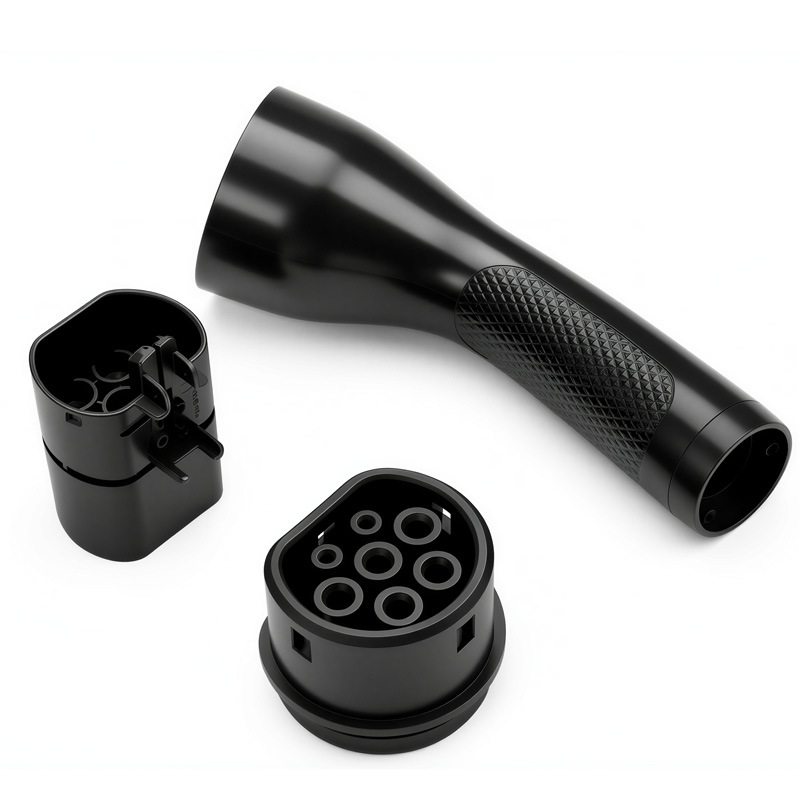
OEM buyers need more than molded plastic parts. OEM buyers need DFM feedback, material guidance, tooling strategy, sample validation, dimensional inspection, defect control, and stable production planning. The supplier should be able to review the part design before steel is cut because tooling decisions can lock in many quality and cost outcomes.
The engineering reason is that plastic injection molding links part geometry, mold flow, cooling, gate location, ejection, shrinkage, material behavior, and production repeatability. A small design feature such as wall thickness, rib ratio, boss structure, snap fit, or undercut can affect sink marks, warpage, flash, short shots, and assembly fit.
The RFQ implication is that buyers should provide CAD files, 2D drawings, material requirements, cosmetic surfaces, functional features, mating parts, target production stage, inspection requirements, and any buyer-owned tests. Without those details, a supplier may quote a mold but miss the real approval risk.
How Should Buyers Select Plastic Injection Molding Materials?
Material selection should follow the part function. ABS may fit covers and housings where appearance and general performance matter. PC may be reviewed for impact and transparent or structural applications. POM may be reviewed for gears, sliding parts, and dimensional stability. PEEK may be reviewed for demanding temperature, wear, or chemical environments. PA nylon, PPS, PEI, PP, PMMA, TPU, and silicone materials may also be considered depending on the part requirement.
The buyer should define heat exposure, mechanical load, chemical contact, wear condition, electrical requirement, flame requirement, color, finish, and regulatory or end-use validation needs. If the part is used in a medical, automotive, electrical, or safety-related product, the buyer should state the applicable qualification and documentation requirements instead of relying on a material name alone.
Plastic Material Family | Common Molded Part Type | Buyer Requirement To Define | RFQ Risk To Clarify |
|---|---|---|---|
ABS or ABS-PC | Housing, cover, trim, enclosure | Cosmetic surface, impact requirement, color, and texture | Sink marks, weld lines, warpage, and appearance approval |
PC or PMMA | Transparent cover, lens-like component, protective cover | Clarity, impact, optical surface, and scratch or coating requirement | Gate marks, flow lines, surface defects, and optical inspection |
POM or PA nylon | Gear, clip, sliding part, mechanical feature | Wear, friction, moisture exposure, and dimensional stability | Shrinkage, tolerance, creep, and assembly fit |
PEEK, PPS, or PEI | Precision component for heat, chemical, or demanding service | Temperature, chemical exposure, strength, and validation method | Material processing window, tooling strategy, and inspection scope |
Which DFM And Tooling Issues Should Be Reviewed Before Mold Build?
DFM and tooling review should happen before mold build. Buyers should review wall thickness, ribs, bosses, snap fits, draft angle, undercuts, parting line, gate location, ejector marks, cosmetic surfaces, and assembly datums. These details affect molding repeatability and downstream approval.
The supplier should identify molding risks such as sink marks, warpage, weld lines, short shots, flash, trapped air, and difficult ejection. The RFQ should state whether the mold is for prototype tooling, bridge production, production validation, or mass production because tooling steel, cavity layout, cooling strategy, and inspection scope may differ by stage.
How Should Precision Injection Molding Tolerances Be Defined?
Precision injection molding tolerances should be assigned to functional features rather than every surface. Critical dimensions may include connector interfaces, clip positions, gear features, sealing surfaces, datum points, threaded inserts, and assembly features. Cosmetic surfaces and non-functional geometry may need visual standards instead of tight dimensional controls.
Plastic shrinkage and warpage depend on material, wall thickness, mold temperature, gate position, packing, cooling, fiber orientation where reinforced grades are used, and part geometry. The buyer should identify which features require dimensional reports, CMM inspection, gauge checks, or assembly checks with mating parts.
RFQ Topic | Manufacturing Entity To Define | Inspection Evidence To Request | Buyer Decision Supported |
|---|---|---|---|
Functional fit | Datum, clip, connector interface, bore, mating feature | Dimensional report, CMM check, or assembly check | Whether the molded part fits the product assembly |
Cosmetic appearance | Visible surface, texture, color, gate mark, parting line | Visual inspection standard and finish sample approval | Whether the part meets appearance requirements |
Molding stability | Wall thickness, rib, boss, gate, cooling, ejection | Sample review and defect record | Whether DFM changes are needed before production approval |
Material behavior | ABS, PC, POM, PEEK, PA, PPS, PEI, PP, TPU | Material documentation and buyer-defined validation test | Whether the material fits heat, load, wear, or environmental exposure |
Which Secondary Operations Should OEM Buyers Specify?
Secondary operations should be specified when the molded part requires more than the base molding process. Common options include threaded insert installation, overmolding, pad printing, painting, laser marking, ultrasonic welding, heat staking, trimming, polishing, assembly, and packaging requirements.
The buyer should state which secondary operation is functional and which is cosmetic. Insert molding affects load and assembly. Overmolding affects bonding and sealing. Printing and marking affect appearance and identification. Assembly operations affect final inspection and packaging. The RFQ should include drawings, material compatibility, mating components, and acceptance criteria.
How Should Quality Control Be Planned For Mass Production?
Quality control should connect molded features to buyer approval criteria. Useful records can include first article inspection, dimensional reports, CMM checks for critical dimensions, visual inspection, defect tracking, material documentation, sample approval records, and assembly fit checks. The inspection scope should match the risk of the part.
Mass production stability depends on tooling condition, material lot control, molding parameters, operator checks, defect response, and packaging. Buyers should identify critical-to-function features and critical-to-appearance surfaces so inspection effort supports the real approval decision rather than creating paperwork for non-critical areas.
What Should Buyers Include In An OEM Injection Molding RFQ?
A complete OEM injection molding RFQ should include CAD files, 2D drawings, material preference, annual demand or production stage, part function, cosmetic surface notes, critical dimensions, mating parts, color, texture, secondary operations, insert or overmolding requirements, inspection records, packaging needs, and buyer validation tests.
Important decisions should be stated directly. If PEEK is required, define heat, wear, or chemical exposure. If POM is required for gears or sliding parts, define load and mating material. If a medical plastic part is being quoted, define the buyer's regulatory and validation requirements. If the buyer wants precision injection molding, mark the critical features instead of applying tight control to the entire molded part.
Related FAQs