What Are The Commonly Used MIM Tungsten Alloy Grades And Applications?
MIM Tungsten Alloy Grade Selection RFQ Decision for Custom Parts: MIM tungsten alloy grade selection affects how a metal injection molded part will be quoted, tooled, sintered, inspected, and used. This article explains commonly used MIM tungsten alloy families such as W-Ni-Fe, W-Ni-Cu, W-Cu, W-Ni-Co, and W-Fe, and helps buyers decide what material, part features, secondary machining, and inspection evidence should be confirmed before requesting a tungsten MIM quotation.
The practical RFQ problem is that tungsten material choice cannot be separated from MIM process behavior. Feedstock flow, debinding, sintering shrinkage, density, brittleness risk, machined datum surfaces, and final inspection all depend on the tungsten alloy system and part geometry. Buyers should provide the material requirement, drawing, 3D model, functional surfaces, quantity, density or conductivity requirements if specified, and acceptance criteria before tooling review.
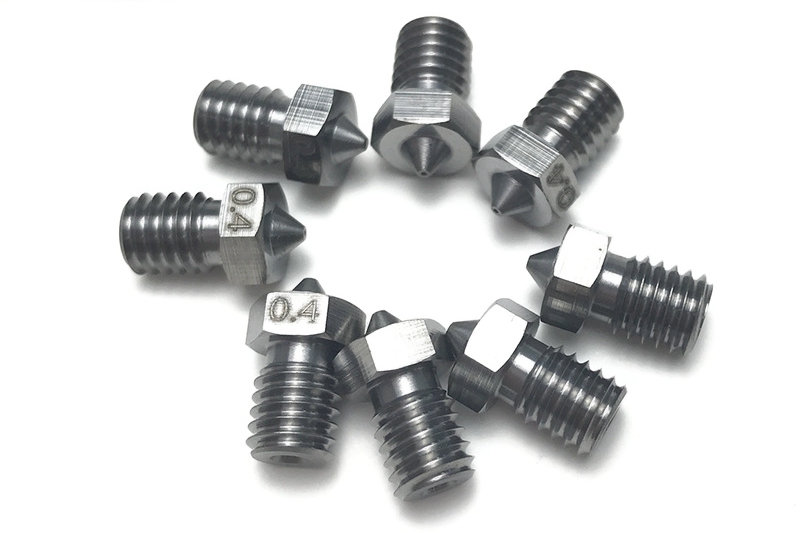
How MIM Converts Tungsten Alloy Feedstock Into Sintered Parts
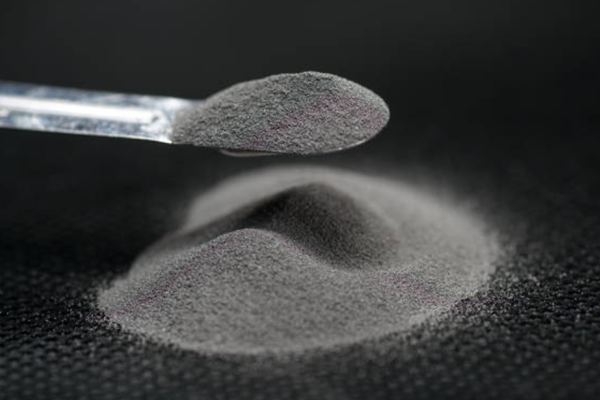
Metal injection molding combines metal powder and binder into a moldable feedstock. For tungsten alloy MIM, the feedstock is injected into a tool cavity, cooled into a green part, debound to remove binder, and sintered to form the final metal structure. The process can support small complex parts when the geometry, feedstock, sintering shrinkage, and tooling compensation are reviewed together.
Tungsten and tungsten alloy systems can be challenging because material density, powder behavior, binder removal, and sintering response affect final dimensions and properties. MIM may reduce machining for complex shapes, but selected surfaces, holes, threads, or mating datums may still need CNC machining, grinding, EDM, lapping, coating, or other secondary operations after sintering.
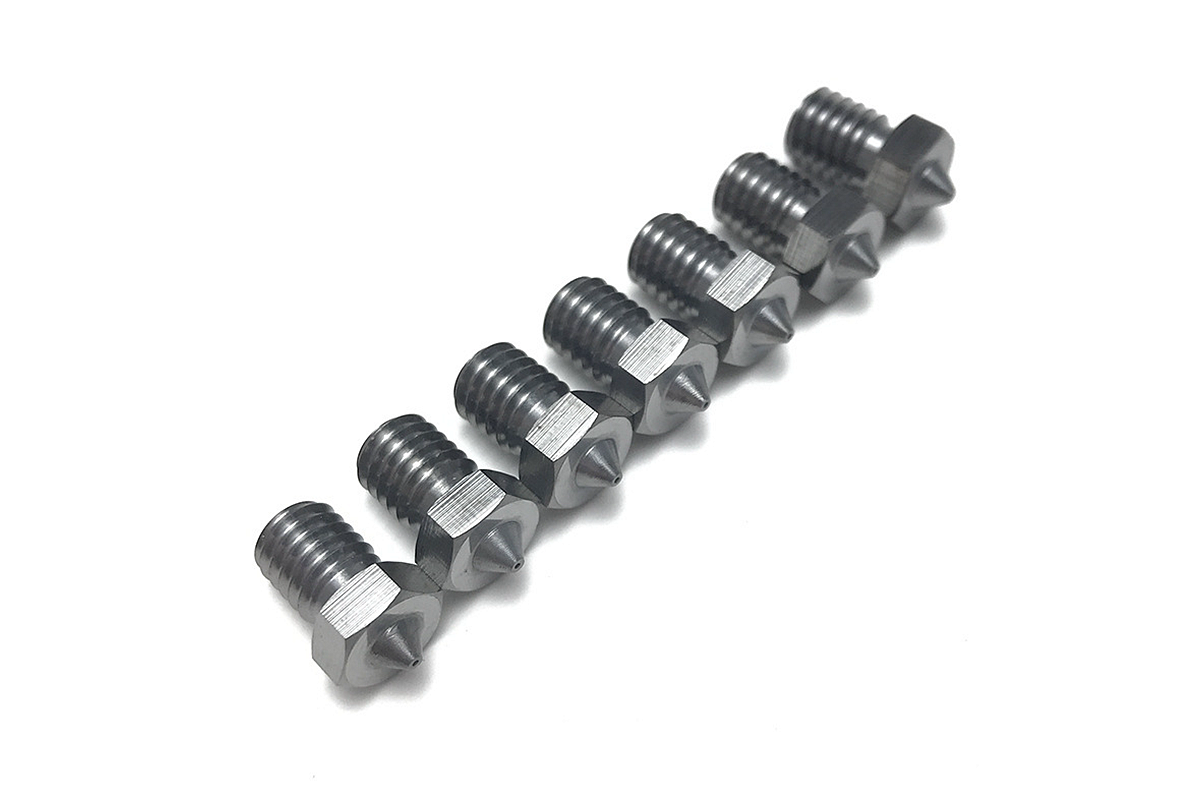
Why Tungsten Alloy Grade Selection Matters in MIM RFQs
Tungsten alloy grade selection changes the manufacturing route and the part function. W-Ni-Fe and W-Ni-Cu are often discussed for high-density tungsten alloy parts. W-Cu is considered when thermal or electrical behavior is part of the requirement. W-Ni-Co and W-Fe may be reviewed when the buyer needs a different balance of density, magnetic behavior, machinability, or strength, subject to material availability and specification review.
Buyers should avoid choosing a tungsten alloy only by name. The RFQ should state the functional reason for the material: mass, shielding, wear resistance, thermal behavior, electrical conductivity, corrosion behavior, magnetic response, or mechanical loading. The MIM supplier can then review whether the requested grade fits feedstock availability, sintering behavior, secondary machining, and inspection requirements.
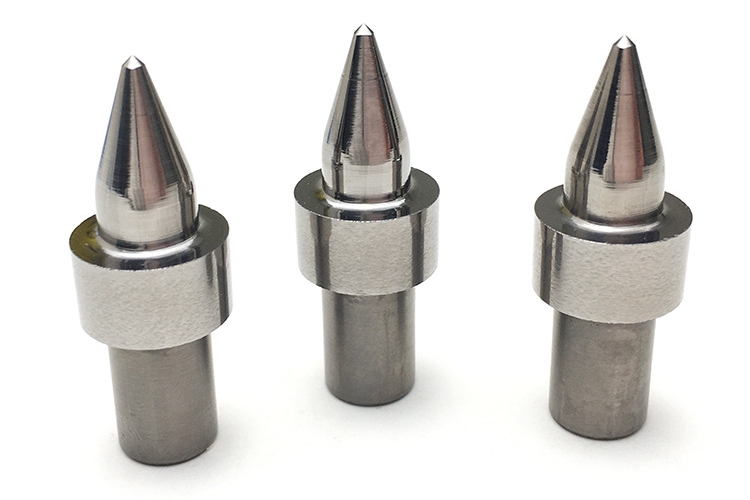
Common MIM Tungsten Alloy Grades and Buyer Decision Points
The table below summarizes how common tungsten alloy families are usually discussed during MIM route review. Final material acceptance depends on the buyer specification, powder availability, part geometry, sintering results, and inspection criteria.
MIM Tungsten Alloy Family | Typical Buyer Reason for Review | MIM Manufacturing Risk | RFQ Detail to Confirm |
|---|---|---|---|
High-density tungsten alloy parts where nickel-iron binder behavior is acceptable. | Sintering shrinkage, density control, and secondary machining allowance. | Density target if specified, functional datums, surface finish, and inspection method. | |
Parts where tungsten alloy density is needed and nickel-copper binder behavior is preferred. | Feedstock availability, dimensional control, and post-sintering surface condition. | Material specification, functional surfaces, corrosion expectations, and quantity. | |
Parts where thermal or electrical behavior may be part of the design requirement. | Powder distribution, sintering behavior, and surface finishing compatibility. | Conductivity or thermal requirement if specified, coating, and test method. | |
Parts needing a different binder system for strength, density, or magnetic response review. | Material availability, sintering qualification, and dimensional repeatability. | Buyer specification, functional load, surface condition, and acceptance criteria. | |
Parts where tungsten-iron behavior may fit cost, density, or magnetic design goals. | Powder metallurgy route review, machining allowance, and corrosion behavior. | Environment, mating surfaces, finishing requirement, and inspection record. |
Tungsten MIM Application Examples Buyers Should Validate by Function
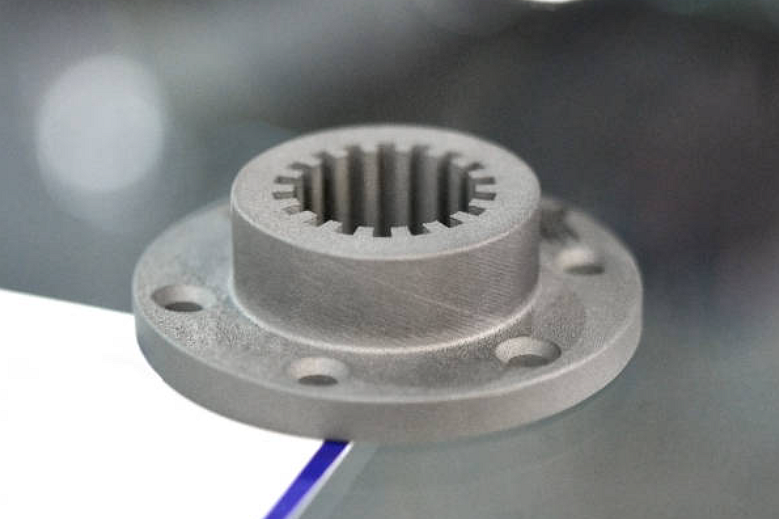
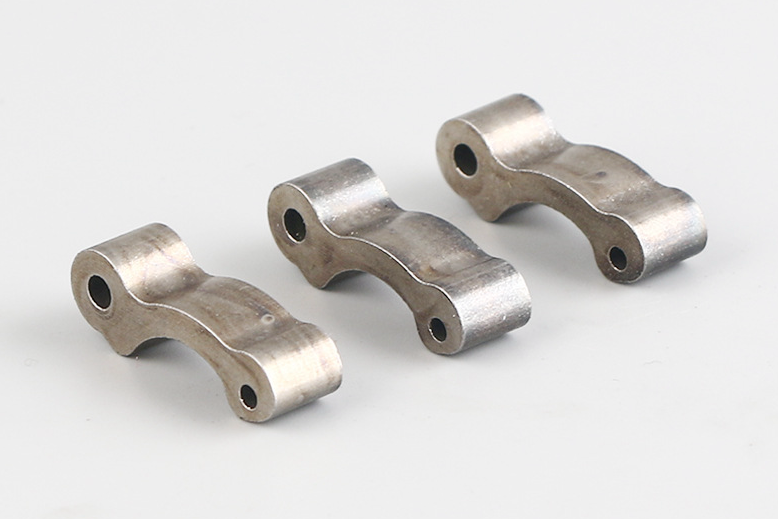
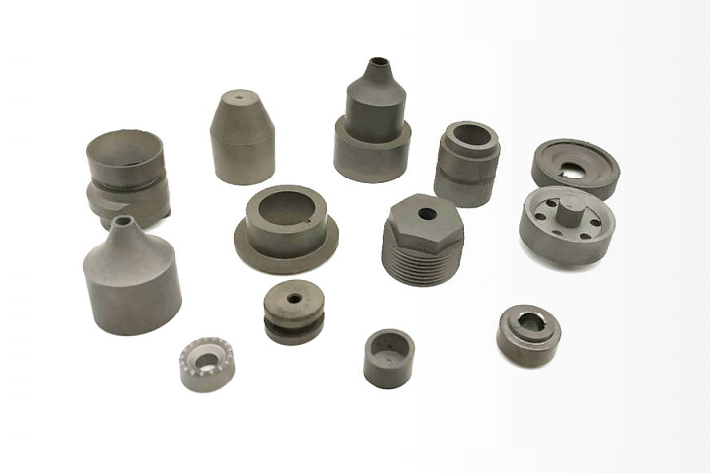
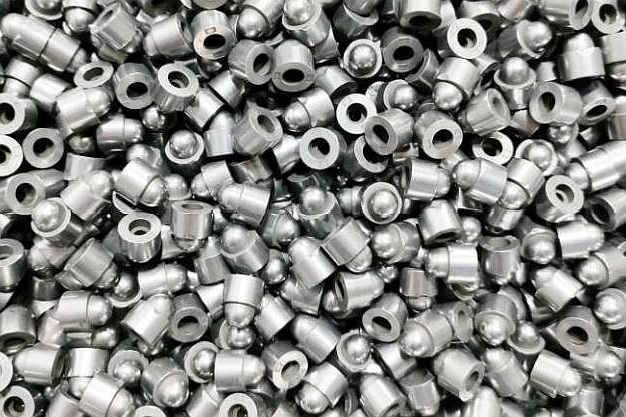
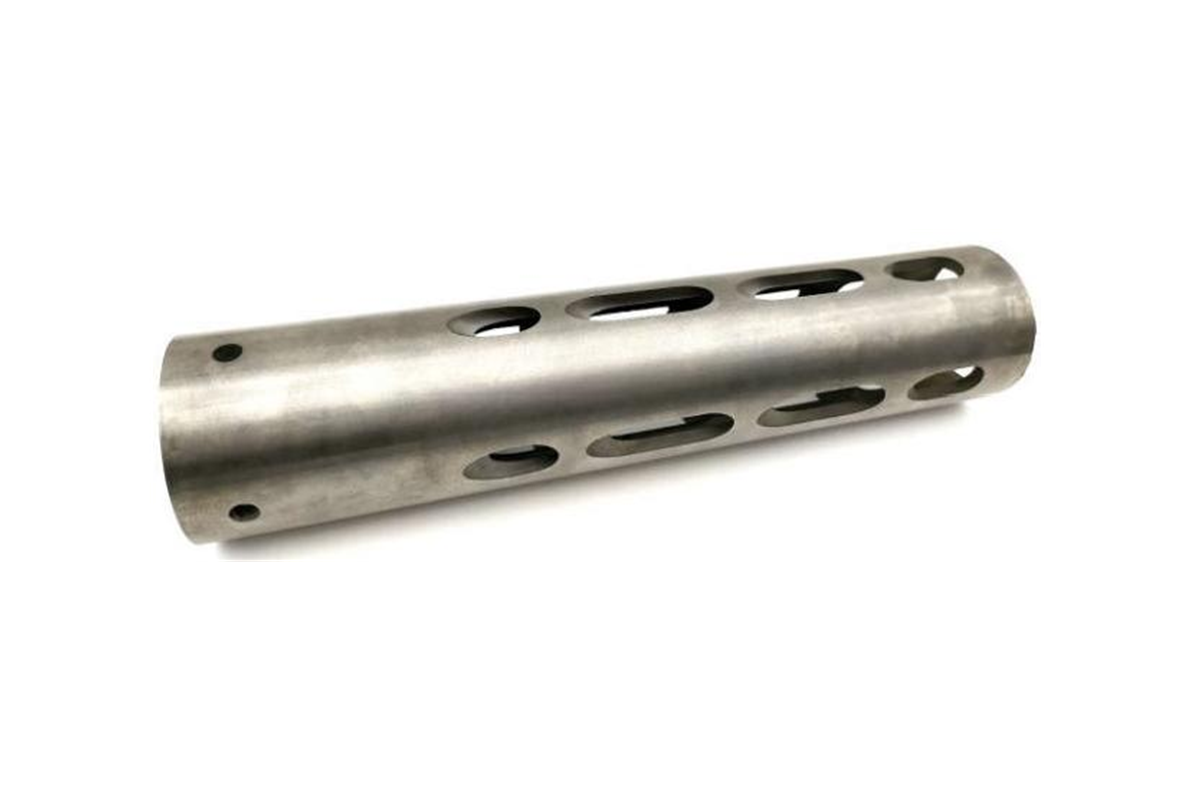
MIM tungsten alloys may be considered for nozzles, pins, valve cores, seats, runners, instrument tips, small shielding parts, counterweights, thin-wall cages, and parts with micro holes or complex internal features. These examples should be treated as route candidates, not automatic approvals. The final material and process choice depends on drawing review, buyer qualification requirements, and acceptance criteria.
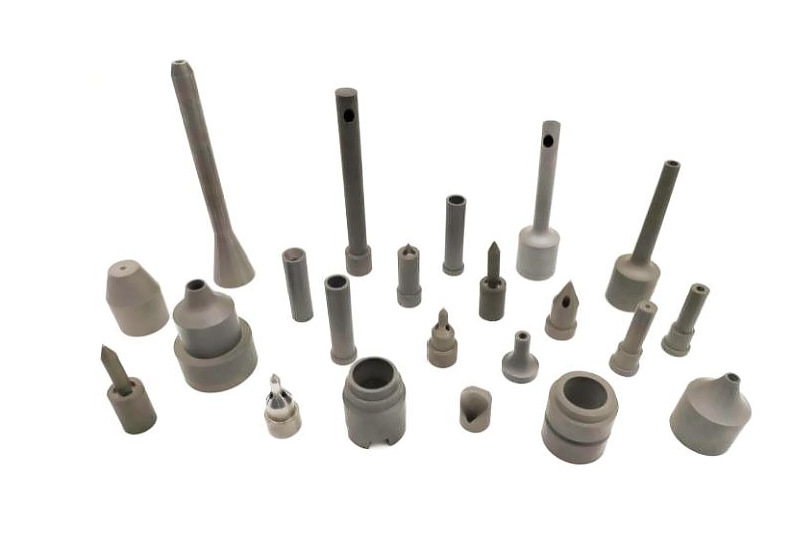
Nozzles and atomizing components require careful review of flow channels, orifice geometry, surface condition, and erosion risk. MIM can form complex near-net shapes, but critical orifices may still need secondary machining or inspection. If spray pattern, flow rate, or wear life is critical, the buyer should specify the test method and acceptance criteria.
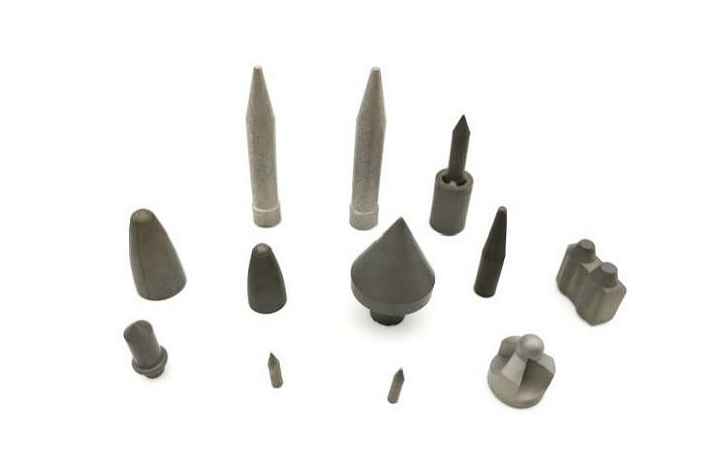
Pins, runners, valve cores, and seats usually need review of wear surfaces, sealing faces, straightness, roundness, and secondary grinding or lapping allowance. MIM may form the basic geometry, while post-sintering machining can be used for selected functional surfaces when the drawing requires it.
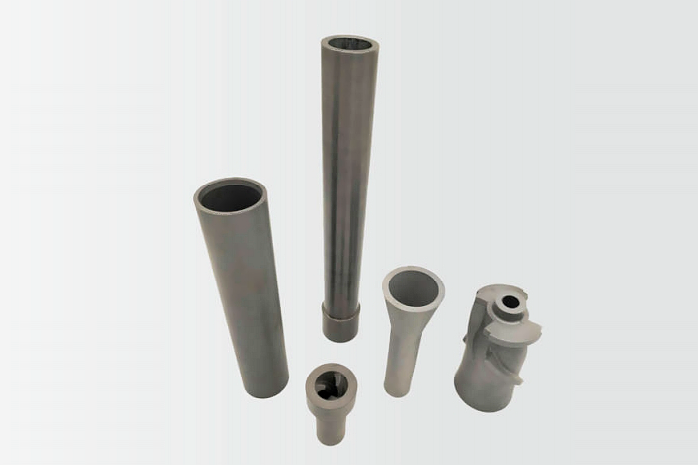
Instrument tips and small gripping components require review of edge geometry, contact surfaces, burr risk, secondary finishing, and buyer validation. If the part is used in a regulated product, the buyer must define qualification requirements, traceability, and acceptance evidence before the route is approved.
Sintering Shrinkage, Density, and Secondary Machining Risks
Tungsten MIM parts must be reviewed for sintering shrinkage, distortion, density control, and surface condition. Shrinkage compensation is built into the tool, but final dimensional control still depends on feedstock, part geometry, debinding, sintering, and inspection. Large section changes, thin walls, deep holes, and unsupported features can increase distortion risk.
Secondary machining may be needed for threaded holes, tight datum surfaces, sharp edges, sealing faces, bores, or orifices. Buyers should define which features are acceptable as-sintered and which features need post-sintering machining, grinding, EDM, lapping, polishing, coating, or inspection.
Inspection Evidence for MIM Tungsten Alloy Components
Inspection evidence should match the part function. Common evidence may include dimensional reports, CMM reports for selected datums, density checks, hardness checks, material certificates if required by the buyer, surface roughness reports, coating thickness reports, visual inspection for cracks or chips, and functional checks for flow, fit, or contact behavior when specified.
If the component is used in a regulated or qualification-controlled product, buyer specifications and acceptance criteria should be provided before quotation. Neway Precision can review the manufacturing route, but final validation remains the buyer's responsibility.
How Neway Precision Reviews MIM Tungsten Alloy Projects
Neway Precision reviews MIM tungsten alloy projects by matching the alloy family, part geometry, tooling concept, debinding route, sintering behavior, secondary machining, finishing, and inspection plan. A complete RFQ includes the drawing, 3D model, material grade, functional requirements, expected quantity, critical features, finishing needs, and required inspection evidence.
Related FAQs