Typical Sized Plastic Parts Molded on a 260-Ton Injection Molding Machine
What plastic parts can a 260-ton injection molding machine make?
A 260-ton injection molding machine may be considered for medium to larger plastic parts, but machine tonnage alone does not define the final part size. In plastic injection molding, the practical RFQ problem is confirming whether the 260-ton clamp force, projected part area, resin, wall thickness, mold layout, shot size, gate design, and inspection requirements fit the specific plastic component.
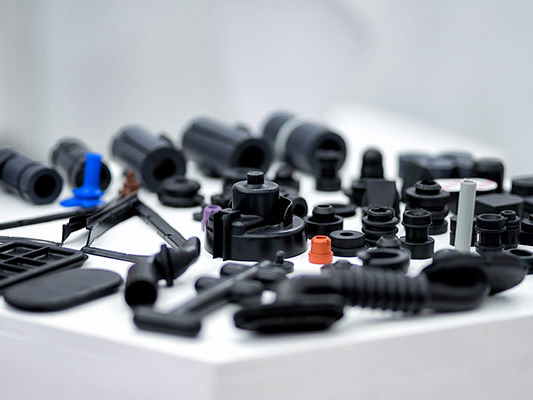
Typical candidate parts may include covers, housings, panels, trays, guards, brackets, enclosures, appliance components, industrial plastic parts, and some multi-cavity smaller components. The final decision should be based on the drawing and molding review, not a generic weight or length range.
Why does clamp force not equal part size?
Clamp force holds the mold closed while molten plastic fills the cavity. A 260-ton machine may work for one part and fail for another part of similar outside dimensions because projected area, flow length, wall thickness, resin viscosity, cavity pressure, gate location, and number of cavities change the required clamp force.
Projected area is especially important. A broad, thin cover can require more clamping force than a compact thick part. A multi-cavity mold also adds projected area from each cavity and the runner system, so the same machine may fit a single-cavity layout but not a higher-cavity production mold.
Which part features make a 260-ton machine suitable or risky?
A 260-ton machine is more likely to fit when the plastic part has balanced wall thickness, manageable projected area, reasonable flow length, clear gate access, and a mold size that fits the press. The part should also have enough draft, practical ejection surfaces, and feature geometry that does not require excessive injection pressure.
The machine selection becomes risky when the plastic part has a large flat projected area, long thin flow paths, deep ribs, thick-to-thin transitions, tight cosmetic surfaces, heavy bosses, complex slides, large inserts, or multiple cavities. These features can increase clamp-force demand, sink marks, short shots, warpage, flash, and cycle-time variation.
How do materials affect 260-ton injection molding capacity?
Material choice affects whether a 260-ton injection molding machine is appropriate. PP, PE, ABS, PC, PA, POM, TPE, and glass-filled resins can behave differently during filling, packing, cooling, shrinkage, and ejection. Higher viscosity materials, glass-filled grades, flame-retardant grades, and high-temperature resins may need different injection pressure, mold temperature, gate design, or venting.
The RFQ should specify the resin grade, filler content, color, surface finish, shrinkage expectation, functional temperature, chemical exposure, and regulatory or buyer-specific material requirements when applicable. Material substitution after mold design can change clamp-force demand and defect risk.
How do mold layout, shot size, and machine fit limit part selection?
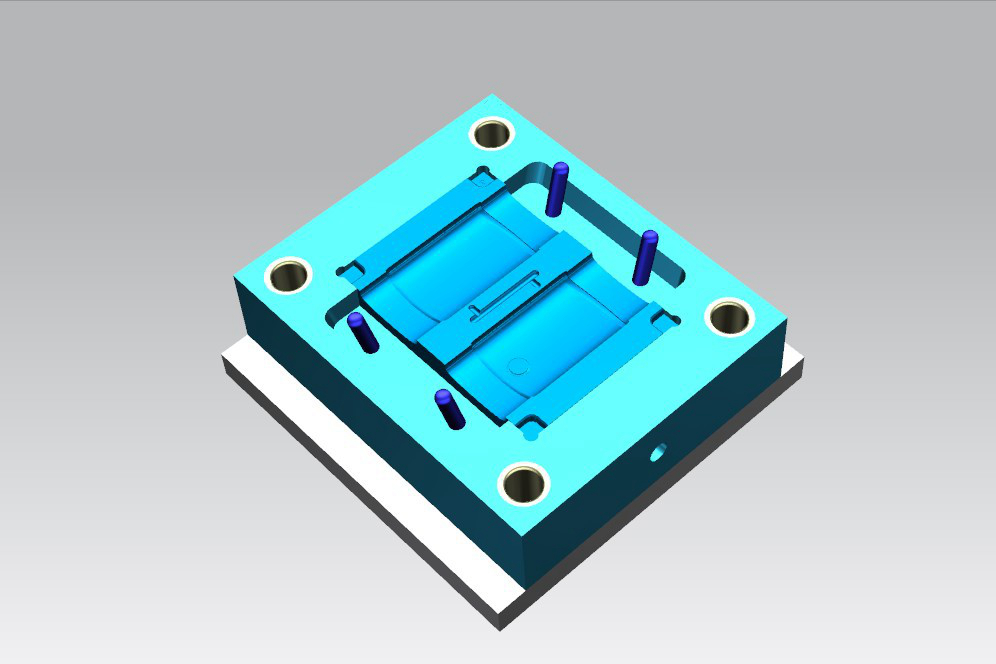
The mold must physically fit the machine. The review should include mold base size, tie-bar spacing, platen size, mold thickness, opening stroke, ejector stroke, part removal path, hot runner or cold runner layout, and slide or lifter movement. A part may satisfy clamp-force review but still fail the machine-fit review if the mold or ejection travel is unsuitable.
Shot size is also important. The plastic volume for the part, runner, sprue, cushion, and packing requirement must fit the injection unit. A machine with enough clamp force may still be a poor choice if the shot size, plasticizing capacity, or residence time does not match the resin and part volume.
What quality risks should buyers check for larger molded parts?
Larger injection molded parts often need more attention to short shots, flash, sink marks, weld lines, warpage, gate blush, voids, ejection marks, dimensional variation, and cosmetic surface defects. These risks are linked to wall design, flow length, gate position, cooling balance, material shrinkage, and packing pressure.
Inspection evidence may include first article inspection, dimensional report, CMM inspection, visual inspection standard, color check, surface texture review, functional fit check, assembly test, and material certificate. If the plastic part has sealing surfaces, snap fits, threaded inserts, or load-bearing features, those requirements should be marked clearly on the drawing.
Machine Selection Factor | Why It Matters for a 260-Ton Press | Manufacturing Risk to Check | RFQ Information Needed |
Projected part area | Projected area and cavity pressure drive clamp-force demand | Flash, mold opening, short shots, and unstable packing | 2D drawing, 3D model, part orientation, cavity count, and runner layout |
Plastic material | Resin viscosity, filler content, shrinkage, and temperature affect molding pressure and cooling | Warpage, sink marks, weld lines, brittle features, and poor surface finish | Resin grade, filler content, color, surface finish, and functional requirements |
Mold size and machine fit | The mold must fit tie-bar spacing, platen size, mold thickness, and opening stroke | Mold cannot run on the selected press, or part removal is restricted | Mold layout, part removal direction, slides, lifters, inserts, and ejection needs |
Shot size and runner system | The injection unit must fill the part, runner, sprue, and packing volume | Incomplete filling, excessive residence time, degradation, or inconsistent packing | Part volume, runner type, gate design, sprue volume, and estimated cushion requirement |
Inspection requirements | Large molded parts can have assembly, cosmetic, and dimensional risks | Rejects from warpage, fit issues, visual defects, or functional failure | Critical dimensions, datums, visual standard, fit check, and first article requirements |
What should buyers provide before choosing a 260-ton press?
A useful RFQ should include the 2D drawing, 3D model, plastic material grade, expected quantity, production stage, critical dimensions, projected surface information if available, wall thickness, cosmetic requirements, texture, color, gate preferences, insert or overmolding needs, assembly interfaces, and inspection requirements.
The best press size is confirmed after part design, mold layout, material behavior, and quality requirements are reviewed together. A 260-ton injection molding machine can be a useful candidate, but the machine should be selected from the part and mold requirements rather than from tonnage alone.
Related FAQs