Why is investment casting eco-efficient?
Investment casting can be eco-efficient when the process uses near-net-shape casting to reduce machining stock, selects suitable alloys, controls scrap, plans energy-intensive melting carefully, and avoids unnecessary finishing operations. For buyers of precision metal components, the practical RFQ problem is deciding whether an investment-cast route can reduce material removal, tooling rework, finishing waste, and production risk compared with machining from billet, sand casting, die casting, forging, or metal injection molding for the same part.
Why Can Investment Casting Be Eco-Efficient?
Investment casting can be eco-efficient because it forms complex metal parts close to final geometry. When the part shape is suitable, near-net-shape casting may reduce raw material removal, machining time, cutting fluid use, tool wear, and scrap handling compared with producing the same complex geometry entirely by CNC machining from solid stock.
The benefit is part-specific. Investment casting still uses wax patterns, ceramic shell materials, melting energy, heat treatment, cut-off, blasting, machining, and inspection. A buyer should evaluate the complete route rather than assuming the casting process is automatically more sustainable. The best case occurs when the casting replaces excessive machining, consolidates features, and avoids finish requirements that add unnecessary waste or energy use.
Eco-efficiency factor | Investment casting mechanism | Buyer benefit | RFQ detail to provide |
|---|---|---|---|
Near-net-shape geometry | Wax pattern and ceramic shell form complex features before machining | Less material removal on suitable complex parts | CAD model, 2D drawing, machining allowance, and critical datums |
Material use | Alloy is poured close to the required part shape | Potential reduction in billet waste for complex metal components | Alloy grade, part weight target, and functional material requirement |
Feature consolidation | Ribs, bosses, curves, and internal details can be cast into one part | May reduce welding, assembly, or multiple machining setups | Assembly function, joining surfaces, and design-change limits |
Post-processing control | Only critical surfaces are machined, polished, coated, or inspected | Avoids over-finishing non-functional surfaces | Surface finish map, masking areas, inspection criteria, and finish purpose |
Production stability | Repeatable tooling supports consistent wax patterns after approval | Can reduce rework when drawing, tooling, and process controls are stable | Annual volume, sample approval plan, and change-control requirements |
How Does Near-Net-Shape Casting Reduce Material Waste?
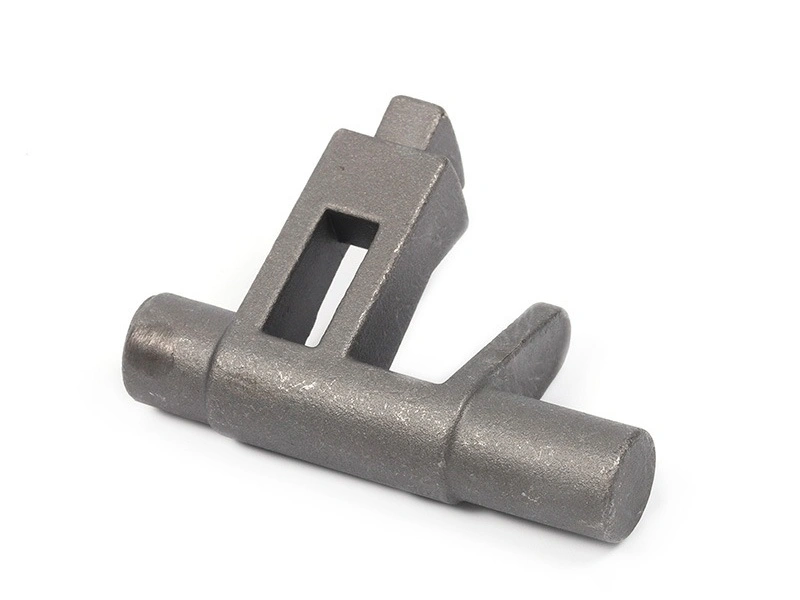
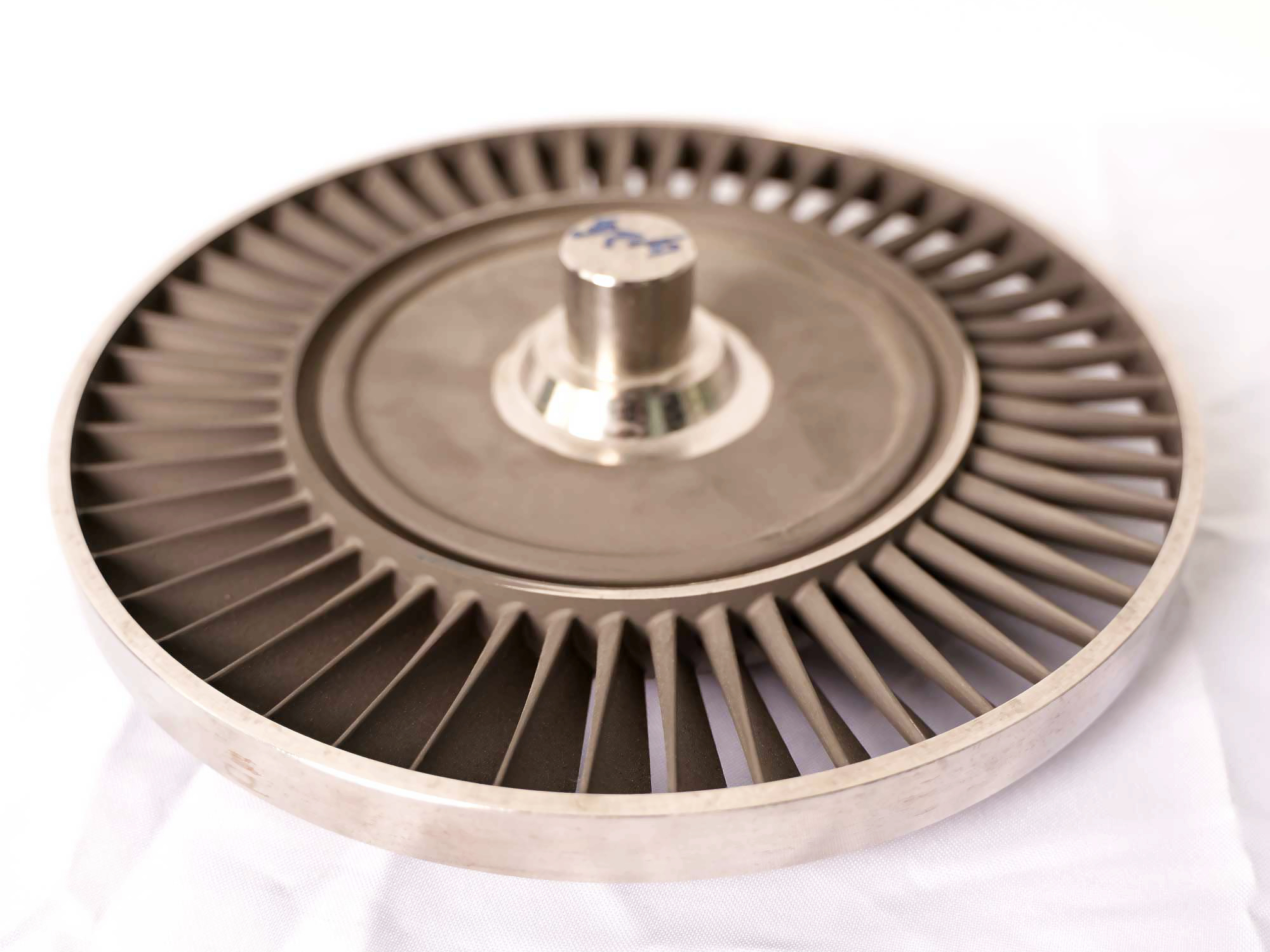
Near-net-shape investment casting reduces material waste by forming the part closer to final geometry before CNC machining. A complex housing, bracket, handle, impeller, valve component, or turbine-related part may require extensive stock removal if made entirely from a billet. With investment casting, the casting can include curved contours, ribs, bosses, and internal passages before secondary operations begin.
CNC machining is still important for datum faces, threaded holes, sealing lands, bearing seats, and precision bores. The eco-efficiency decision is not casting versus machining in isolation. The practical route is often investment casting for the near-net shape plus machining only where the part must fit, seal, rotate, or assemble.
For eco-efficient investment casting RFQs, buyers should define material grade, near-net-shape goals, machining allowance, production volume, finish route, and documentation expectations before quotation. This helps the supplier estimate whether the casting route can reduce unnecessary material removal without weakening the manufacturing plan.
How Does Material Selection Affect Eco-Efficient Investment Casting?
Material selection affects eco-efficiency because alloy choice influences melting energy, casting yield, machining behavior, heat treatment, corrosion performance, service life, and scrap handling. Cast stainless steel, carbon steel investment casting, nickel-based alloy investment casting, cast aluminum, copper alloy, and cast titanium each have different environmental and manufacturing tradeoffs.
A more durable alloy may reduce replacement frequency in a corrosive or high-temperature application, but the alloy may also require more energy, special handling, or additional inspection. A lower-cost or easier-to-cast alloy may reduce processing burden, but it may fail the application if corrosion, heat, or strength requirements are ignored.
The RFQ should state the application environment, temperature exposure, corrosion medium, wear risk, pressure boundary, and design life expectation. That information helps the supplier recommend a material route that supports both performance and responsible manufacturing decisions.
How Can Tooling and Process Planning Reduce Rework?
Tooling and process planning can reduce rework by identifying manufacturability issues before production. CAD review, casting simulation, wax pattern trials, gate location review, ceramic shell planning, and sample inspection can reveal areas that may distort, create surface defects, or require excessive finishing.
3D printing prototyping can support design review before tooling for selected parts. A prototype can help the buyer see geometry, assembly issues, finish zones, and machining areas before committing to production tooling. The prototype does not replace casting validation, but it can reduce preventable design changes.
Rework affects eco-efficiency because rejected castings, repeated machining, extra polishing, and late design revisions consume material and energy. Buyers can reduce this risk by sending complete CAD data, 2D drawings, functional requirements, tolerance priorities, and finish maps before tooling starts.
How Do Finishing Choices Affect Investment Casting Eco-Efficiency?
Finishing choices affect eco-efficiency because blasting, tumbling, polishing, passivation, electropolishing, plating, powder coating, PVD coating, paint, and cleaning all use labor, energy, consumables, and inspection time. Some finishes are necessary for corrosion resistance, cleanability, wear behavior, or appearance. Others may be unnecessary if the surface is not functional or visible.
Sandblasting can prepare surfaces for coating or create a uniform texture, but blasting should be applied to the surfaces that need it. Polishing can improve visible surfaces, but polishing all surfaces may add material removal and cost without improving function.
The buyer should define finish purpose, visible surfaces, functional surfaces, masked areas, coating thickness, and inspection method. Selective finishing can support eco-efficiency by focusing resources on surfaces that matter to assembly, corrosion resistance, appearance, or performance.
What Energy and Process-Control Factors Matter in Investment Casting?
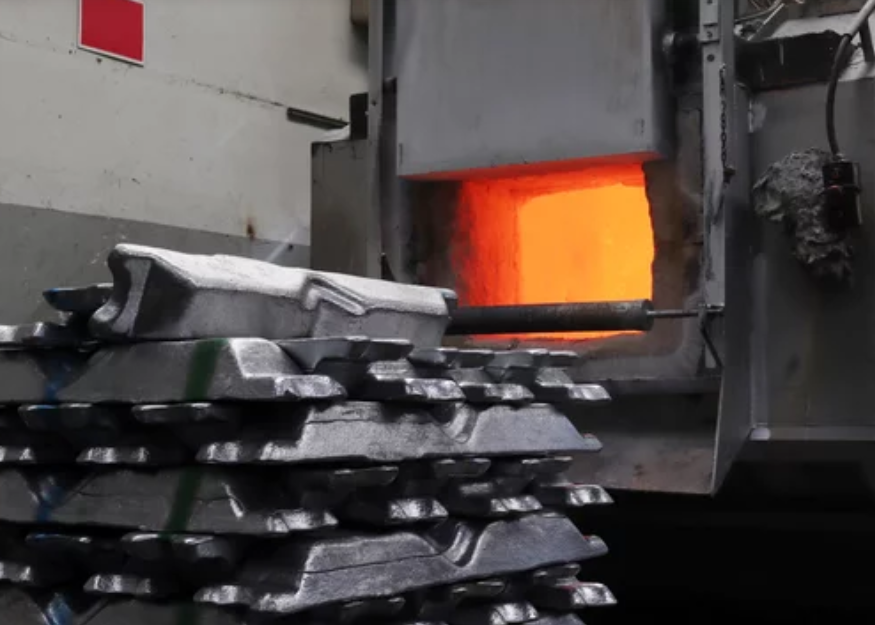
Energy and process-control factors matter because investment casting includes wax injection, shell drying, burnout, melting, pouring, heat treatment, and finishing. Melting and heat treatment are energy-intensive, so stable production planning, suitable batch sizes, controlled process windows, and reduced rework can support a more efficient route.
Process control also affects yield. Poor gate design, uncontrolled shell drying, unsuitable alloy selection, excessive distortion, or unclear inspection criteria can lead to rejected castings and repeated processing. Better process planning does not remove energy use, but it can reduce avoidable scrap and rework.
Buyers can help by giving realistic volume estimates, production schedule expectations, material requirements, and acceptance criteria. A stable drawing and clear approval process usually support more efficient production than repeated late-stage design changes.
Can Durable Investment-Cast Parts Improve Lifecycle Efficiency?
Durable investment-cast parts can support lifecycle efficiency when the selected alloy, geometry, heat treatment, machining, and finish match the operating environment. A corrosion-resistant stainless steel valve component, a heat-resistant nickel alloy part, or a wear-resistant carbon steel component may reduce replacement or maintenance frequency if the design and validation are appropriate.
This does not mean a heavier or higher-alloy part is always better. The buyer should evaluate material use, part weight, service environment, expected life, inspection burden, and replacement risk. A durable part supports eco-efficiency only when the durability requirement is real and the process route is proportionate.
For regulated, pressure, safety, aerospace, medical-device, or energy applications, lifecycle claims must be validated by the buyer's engineering and approval process. Investment casting can support robust parts, but the final sustainability case depends on actual performance and application data.
What Should Buyers Include in an Eco-Efficient Investment Casting RFQ?
Buyers should include CAD files, controlled 2D drawings, alloy grade, annual volume, part function, machining allowance, surface finish map, heat treatment, inspection method, target production stage, and documentation requirements. The RFQ should also identify which surfaces are functional, which are cosmetic, and which can remain as-cast.
Buyers should ask where material is saved, where machining is still required, which finishing operations are necessary, what scrap or rework risks exist, and whether another process would be more practical. Precision casting, sand casting, die casting, CNC machining, forging, and metal injection molding should be compared based on the specific component rather than a general sustainability label.
The strongest eco-efficient investment casting case is a clear manufacturing route: stable design, suitable alloy, near-net geometry, controlled secondary operations, and inspection criteria that match the buyer's real application.
Related FAQs
Which materials used in investment casting are most sustainable?
How does investment casting compare environmentally to other casting methods?
What industries benefit most from eco-efficient investment casting?
What innovations are improving the sustainability of investment casting?
What types of surface finishes can be achieved with investment casting?
Can investment casting accommodate large production volumes efficiently?