Rene 41
रेने 41 पाउडर का मूल विवरण
इसमें क्रोमियम की अपेक्षाकृत उच्च मात्रा होती है, जो 1000℃ से नीचे अच्छा ऑक्सीकरण प्रतिरोध प्रदर्शित करती है। हालांकि, इसकी उच्च मोलिब्डेनम और क्रोमियम सामग्री के कारण, इसकी माइक्रोस्ट्रक्चर स्थिरता अपेक्षाकृत खराब होती है, और 750–900℃ पर दीर्घकालिक उपयोग के दौरान परतदार σ फेज की महत्वपूर्ण मात्रा अवक्षेपित हो जाएगी। यह मिश्र धातु अच्छे कास्टिंग प्रक्रिया गुण प्रदर्शित करता है, जो 1000℃ से कम तापमान पर संचालित होने वाले गैस टरबाइन के लिए खोखले और ठोस गाइड वेन्स, साथ ही एकी रूप से कास्ट किए गए गाइड वेन्स के निर्माण के लिए उपयुक्त बनाता है।
रेने 41 समान ग्रेड
मिश्र धातु R41,UNS N07041,Rene41,2.4665,Hyness alloyR41,J1610,carpenter41,K423, K23
समान उच्च-तापमान निकेल-आधारित सुपरलॉय में शामिल हैं:
Inconel 718: अपनी उच्च उपज, तन्य शक्ति, और उच्च तापमान पर क्रीप-रप्चर गुणों के लिए जाना जाता है, यह एयरोस्पेस और ऊर्जा अनुप्रयोगों के लिए उपयुक्त है।
Hastelloy X: उत्कृष्ट ऑक्सीकरण प्रतिरोध प्रदान करता है और गैस टरबाइन इंजन घटकों में व्यापक रूप से उपयोग किया गया है।
Waspaloy: >एक अन्य निकेल-आधारित सुपरलॉय जिसमें उच्च तापमान पर उच्च शक्ति होती है, जिसका उपयोग गैस टरबाइन और एयरोस्पेस अनुप्रयोगों में किया जाता है।
Udimet 500: उच्च-तापमान शक्ति और संक्षारण प्रतिरोध प्रदर्शित करता है, जो एयरोस्पेस इंजन घटकों के लिए उपयुक्त है।
अनुप्रयोग
रेने 41 पाउडर, अपनी असाधारण उच्च-तापमान शक्ति और संक्षारण प्रतिरोध के साथ, मांगपूर्ण औद्योगिक अनुप्रयोगों में व्यापक उपयोग पाता है। मिश्र धातु के उल्लेखनीय गुण इसे तापीय तनाव और संक्षारक स्थितियों के तहत टिकाऊपन की आवश्यकता वाले वातावरण के लिए पसंदीदा विकल्प बनाते हैं। यहाँ रेने 41 के विशिष्ट अनुप्रयोगों का एक अन्वेषण दिया गया है:
1. एयरोस्पेस इंजन घटक: रेने 41 का उपयोग एयरोस्पेस उद्योग में टरबाइन ब्लेड, वेन्स, और दहन कक्ष लाइनर जैसे महत्वपूर्ण इंजन घटकों को बनाने के लिए व्यापक रूप से किया जाता है। उच्च तापमान का सामना करने और तापीय चक्रण के तहत शक्ति बनाए रखने की इसकी क्षमता इसे इन अनुप्रयोगों के लिए आदर्श बनाती है।
2. गैस टरबाइन: एयरोस्पेस की तरह, रेने 41 का उपयोग औद्योगिक गैस टरबाइन में उच्च तापमान और संक्षारक गैसों के संपर्क में आने वाले पुर्जों के लिए किया जाता है। टरबाइन डिस्क, शाफ्ट, और फास्टनर जैसे घटक मिश्र धातु की तापीय स्थिरता और ऑक्सीकरण प्रतिरोध से लाभान्वित होते हैं।
3. रॉकेट इंजन: मिश्र धातु का उच्च-तापमान ऑक्सीकरण के प्रति प्रतिरोध और उच्च तापमान पर इसकी शक्ति इसे रॉकेट इंजनों के घटकों के लिए उपयुक्त बनाती है, जहां सामग्रियों को चरम तापीय और यांत्रिक तनाव सहन करना होता है।
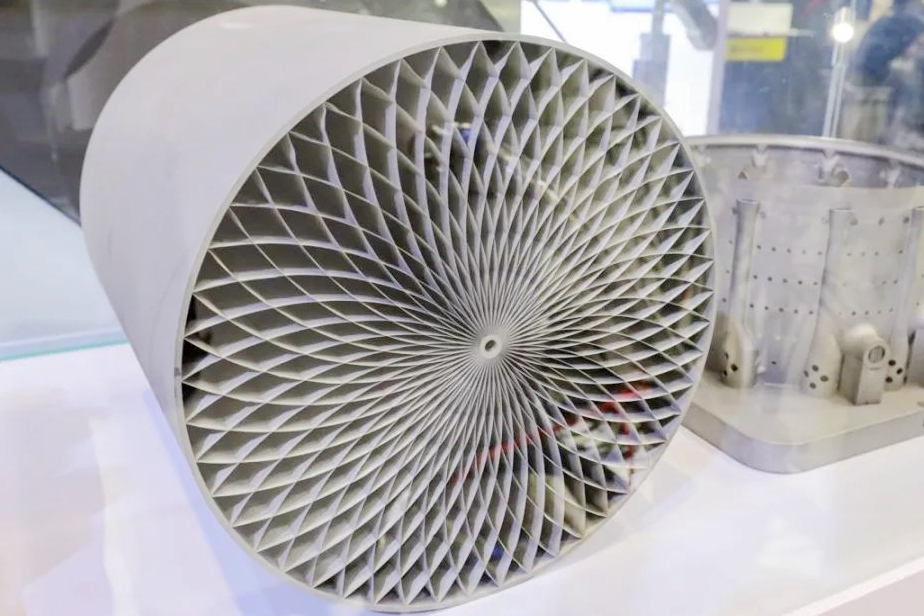
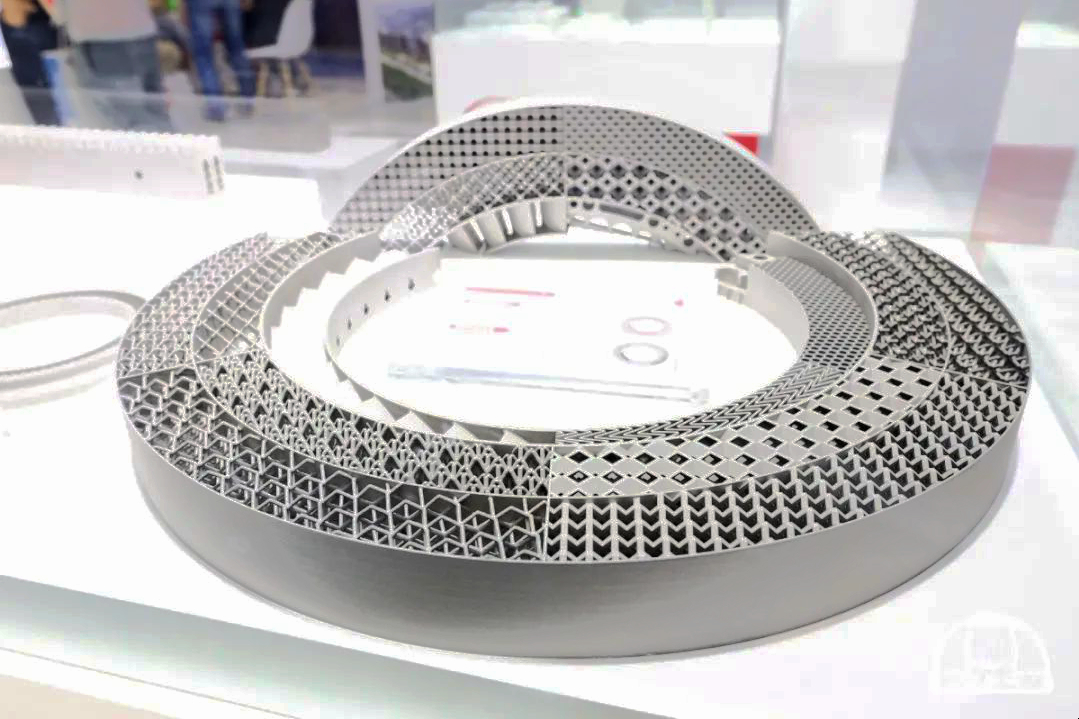
4. निकास प्रणालियाँ: उच्च-प्रदर्शन वाले ऑटोमोटिव और एयरोस्पेस अनुप्रयोगों में, रेने 41 का उपयोग निकास वाल्व और निकास प्रणाली के अन्य घटकों के लिए किया जाता है जिन्हें उच्च-तापमान संक्षारण और ऑक्सीकरण के प्रति प्रतिरोध की आवश्यकता होती है।
5. हीट-ट्रीटिंग उपकरण: मिश्र धातु हीट-ट्रीटिंग प्रक्रियाओं में उपयोग किए जाने वाले फिक्स्चर, बास्केट और टूलिंग के निर्माण में अनुप्रयोग पाता है। उच्च तापमान पर झुकने और विकृति का प्रतिरोध करने की इसकी क्षमता हीट-ट्रीटिंग उपकरण की दीर्घायु और विश्वसनीयता सुनिश्चित करती है।
6. परमाणु रिएक्टर: परमाणु रिएक्टर के भीतर के घटक जिन्हें उच्च तापमान और आक्रामक वातावरण को सहन करने में सक्षम सामग्रियों की आवश्यकता होती है, वे भी रेने 41 का उपयोग कर सकते हैं, जो महत्वपूर्ण अनुप्रयोगों में इसकी बहुमुखी प्रतिभा और विश्वसनीयता को रेखांकित करता है।
मिश्र धातु R41 संरचना और गुण
रेने 41, एक निकेल-आधारित सुपरलॉय, अपने असाधारण गुणों, включая उच्च-तापमान शक्ति और संक्षारण प्रतिरोध के लिए प्रसिद्ध है, जो इसे विभिन्न चुनौतीपूर्ण अनुप्रयोगों के लिए उपयुक्त बनाता है। मिश्र धातु की संरचना को मांगपूर्ण वातावरण में प्रदर्शन को बढ़ाने के लिए सटीक रूप से इंजीनियर किया गया है।
संरचना:
C | Cr | Fe | Mn | Si | P | S |
0.12-0.18 | 14.5-16.5 | ≤0.5 | ≤0.2 | ≤0.2 | ≤0.01 | ≤0.01 |
Co | Mo | Al | Ti | B | Ni | - |
9.0-10.5 | 7.6-9.0 | 3.9-4.4 | 3.4-3.8 | 0.004-0.008 | Bal. | - |
गुण:
यह अनूठी संरचना रेने 41 को उच्च-प्रदर्शन अनुप्रयोगों के लिए अनुकूलित गुणों का एक सेट प्रदान करती है:
उच्च-तापमान शक्ति: 2100°F (1150°C) तक के तापमान पर संरचनात्मक अखंडता और यांत्रिक गुणों को बनाए रखता है, जो एयरोस्पेस और औद्योगिक अनुप्रयोगों के लिए आदर्श है जहां उच्च-तापमान शक्ति महत्वपूर्ण है।
असाधारण ऑक्सीकरण प्रतिरोध: क्रोमियम और एल्यूमीनियम उच्च तापमान पर ऑक्सीकरण के उत्कृष्ट प्रतिरोध में योगदान करते हैं, जो गर्म वातावरण के संपर्क में आने वाले घटकों के लिए आवश्यक है।
अच्छा संक्षारण प्रतिरोध: निकेल और मोलिब्डेनम की उपस्थिति के कारण विभिन्न रासायनिक वातावरणों के प्रति प्रतिरोध प्रदान करता है, जो संक्षारक स्थितियों में टिकाऊपन और विश्वसनीयता सुनिश्चित करता है।
क्रीप प्रतिरोध: टाइटेनियम और एल्यूमीनियम की उपस्थिति मिश्र धातु के क्रीप प्रतिरोध को बढ़ाती है, जो उच्च तापमान पर तनाव के तहत दीर्घकालिक प्रदर्शन सुनिश्चित करती है।
वेल्डेबिलिटी: अपनी उच्च शक्ति के बावजूद, रेने 41 को उचित तकनीकों के साथ वेल्ड किया जा सकता है, जो जटिल घटकों के निर्माण की अनुमति देता है।
संरचना और गुणों से उत्पन्न अनुप्रयोग:
ऑक्सीकरण के प्रति इसके प्रतिरोध और उच्च-तापमान शक्ति को देखते हुए, रेने 41 का उपयोग एयरोस्पेस में टरबाइन इंजनों, औद्योगिक गैस टरबाइन, और हीट-ट्रीटिंग उपकरण और परमाणु रिएक्टर जैसे अन्य उच्च-तापमान अनुप्रयोगों के लिए व्यापक रूप से किया जाता है। आक्रामक और उच्च-तापमान वाले वातावरण में प्रदर्शन करने की इसकी क्षमता इसे उन घटकों के निर्माण में एक महत्वपूर्ण सामग्री बनाती है जिनमें टिकाऊपन और उच्च प्रदर्शन दोनों की मांग होती है।
रेने 41 पाउडर विशेषताएं
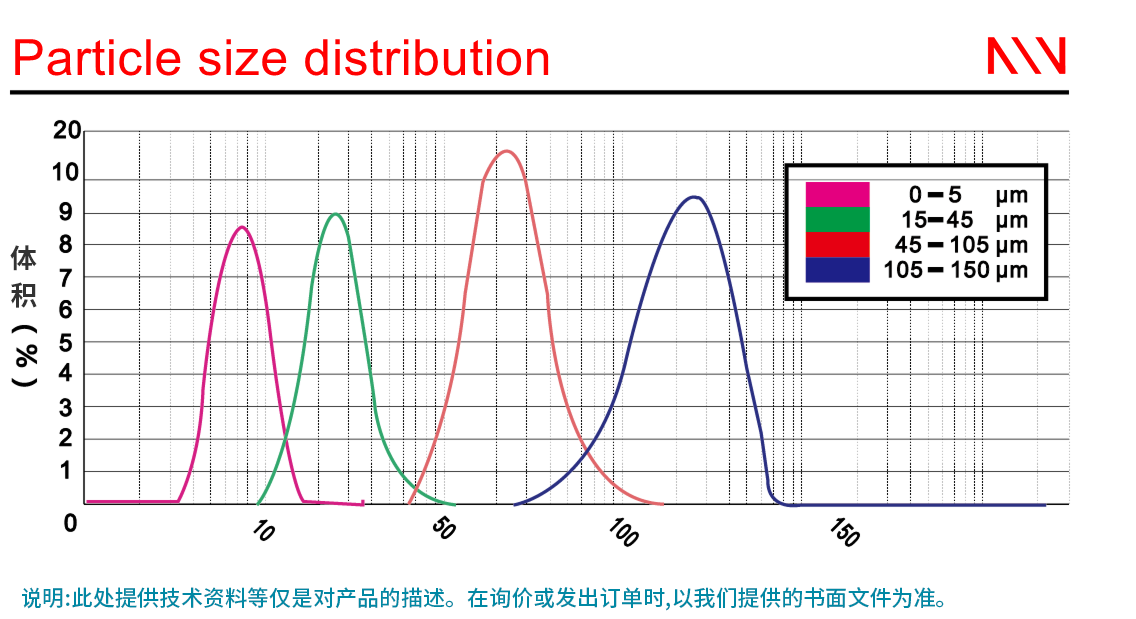
उन्नत विनिर्माण प्रक्रियाओं, विशेष रूप से उन प्रक्रियाओं के लिए रेने 41 की उपयुक्तता जिनमें पाउडर धातु कर्म तकनीकें जैसे कि एडिटिव मैन्युफैक्चरिंग (3D प्रिंटिंग), मेटल इंजेक्शन मोल्डिंग (MIM), और पाउडर कंप्रेशन मोल्डिंग (PCM) शामिल हैं, इसके पाउडर रूप की विशिष्ट विशेषताओं से काफी प्रभावित होती है। ये विशेषताएं इष्टतम प्रसंस्करण सुनिश्चित करती हैं, जिससे वांछित यांत्रिक गुणों और उच्च-गुणवत्ता वाली सतह फिनिश वाले पुर्जे उत्पादित होते हैं।
यील्ड स्ट्रेंथ (Yield Strength):
यील्ड स्ट्रेंथ उस तनाव को इंगित करती है जिस पर कोई सामग्री प्लास्टिक रूप से विकृत होना शुरू करती है। रेने 41 के पुर्जे आमतौर पर 120,000 से 160,000 psi की यील्ड स्ट्रेंथ प्रदर्शित करते हैं, जो स्थायी विकृति का अनुभव करने से पहले महत्वपूर्ण तनाव को सहन करने की सामग्री की क्षमता को दर्शाती है। यह गुण उच्च-तनाव वाले अनुप्रयोगों, विशेष रूप से उच्च तापमान पर उपयोग किए जाने वाले घटकों के लिए महत्वपूर्ण है।
तन्य शक्ति (Tensile Strength):
तन्य शक्ति उस अधिकतम तनाव का प्रतिनिधित्व करती है जिसे कोई सामग्री टूटने से पहले खिंचाव या खींचे जाने पर सहन कर सकती है। रेने 41 पाउडर से बने पुर्जे लगभग 150,000 से 180,000 psi की तन्य शक्ति प्राप्त कर सकते हैं, जो तन्य भार के तहत उच्च टिकाऊपन और प्रदर्शन को इंगित करता है। यह शक्ति एयरोस्पेस और औद्योगिक घटकों के लिए आवश्यक है जहां यांत्रिक अखंडता सर्वोपरि है।
दीर्घीकरण (Elongation):
दीर्घीकरण किसी सामग्री की लचीलेपन को मापता है या यह कि टूटने से पहले यह कितना खिंच सकता है। रेने 41 से निर्मित पुर्जे आमतौर पर 15% से 30% की दीर्घीकरण सीमा दिखाते हैं, जो अच्छी तन्यता को प्रदर्शित करता है। यह विशेषता घटकों को विफल होने से पहले महत्वपूर्ण विकृति को सहन करने में सक्षम बनाती है, जिससे उन्हें ऐसे मांगपूर्ण अनुप्रयोगों के लिए उपयुक्त बनाया जाता है जिनमें शक्ति और लचीलेपन दोनों की आवश्यकता होती है।
मिश्र धातु R41 भौतिक गुण
रेने 41 पाउडर के भौतिक गुण इसके हैंडलिंग, प्रसंस्करण और अंतिम निर्मित घटकों के प्रदर्शन को काफी प्रभावित करते हैं। उत्पादन तकनीकों को अनुकूलित करने और उच्च-गुणवत्ता वाले परिणाम प्राप्त करने के लिए इन गुणों को समझना महत्वपूर्ण है।
घनत्व (Density):
रेने 41 का घनत्व लगभग 8.25 g/cm³ है, जो मिश्र धातु की कॉम्पैक्ट परमाणु संरचना को इंगित करता है। यह उच्च घनत्व न्यूनतम सरंध्रता वाले पुर्जों के निर्माण के लिए आवश्यक है, जो उनकी शक्ति और टिकाऊपन को बढ़ाता है, विशेष रूप से उच्च-तापमान वाले वातावरण में।
कठोरता (Hardness):
रेने 41 पाउडर से निर्मित घटक महत्वपूर्ण कठोरता प्रदर्शित करते हैं, जो मिश्र धातु के घिसाव प्रतिरोध और यांत्रिक टिकाऊपन का सूचक है। यह गुण उन अनुप्रयोगों में मौलिक है जहां घटक अपघर्षक या क्षरणकारी स्थितियों के अधीन होते हैं, जो दीर्घायु और विश्वसनीयता सुनिश्चित करता है।
विशिष्ट सतह क्षेत्र (Specific Surface Area):
रेने 41 पाउडर का विशिष्ट सतह क्षेत्र इसकी प्रतिक्रियाशीलता और सिंटरिंग क्षमता को प्रभावित करता है। उच्च विशिष्ट सतह क्षेत्र अधिक प्रभावी सिंटरिंग को सक्षम बनाता है, जिसके परिणामस्वरूप अधिक मजबूत और सघन पुर्जे बनते हैं। यह विशेषता एडिटिव मैन्युफैक्चरिंग और मेटल इंजेक्शन मोल्डिंग प्रक्रियाओं के लिए महत्वपूर्ण है, जहां पुर्जे की अखंडता पाउडर के सिंटरिंग व्यवहार पर निर्भर करती है।
गोलाकारता (Sphericity):
पाउडर कणों की गोलाकारता उनकी प्रवाहशीलता और पैकिंग घनत्व को प्रभावित करती है, जो निर्मित पुर्जों में समानता और स्थिरता प्राप्त करने के लिए आवश्यक कारक हैं। उच्च गोलाकारता उपकरणों के माध्यम से सुचारू प्रवाह और समान लेयरिंग या पैकिंग सुनिश्चित करती है, जो 3D प्रिंटिंग और MIM जैसी प्रक्रियाओं में विनिर्माण सटीकता और दोहराव के लिए महत्वपूर्ण है।
बल्क डेंसिटी (Bulk Density):
रेने 41 पाउडर की बल्क डेंसिटी पाउडर हैंडलिंग की दक्षता और अंतिम पुर्जे की गुणवत्ता को प्रभावित करती है। एक अनुकूलित बल्क डेंसिटी आसान हैंडलिंग और कुशल कंपैक्शन को बढ़ावा देती है, जो समान पुर्जे घनत्व और इष्टतम यांत्रिक गुणों को प्राप्त करने के लिए आवश्यक है।
हॉल फ्लो रेट (Hall Flow Rate):
यह गुण पाउडर के छिद्र के माध्यम से बहने की क्षमता को मापता है, जो पाउडर-आधारित विनिर्माण प्रक्रियाओं की सटीकता और दोहराव को प्रभावित करता है। एक उत्कृष्ट हॉल फ्लो रेट अच्छी प्रवाहशीलता को इंगित करता है, जो सटीक और सुसंगत पुर्जे निर्माण को सक्षम बनाता है, विशेष रूप से एडिटिव मैन्युफैक्चरिंग में।
गलनांक (Melting Point):
रेने 41 का गलनांक इसकी विशिष्ट विनिर्माण प्रक्रियाओं के लिए उपयुक्त है, जो आमतौर पर लगभग 1,350 °C (2,462°F) होता है। यह गुण उच्च-तापमान वाले अनुप्रयोगों के दौरान सामग्री की स्थिरता और प्रदर्शन सुनिश्चित करता है, जो 3D प्रिंटिंग और कास्टिंग प्रक्रियाओं के लिए महत्वपूर्ण है।
सापेक्ष घनत्व (Relative Density):
प्रसंस्करण के बाद, पुर्जों का सापेक्ष घनत्व सैद्धांतिक घनत्व के करीब पहुंच सकता है, जो इष्टतम यांत्रिक शक्ति प्राप्त करने और सरंध्रता को कम करने के लिए महत्वपूर्ण है, इस प्रकार मांगपूर्ण वातावरण में घटक प्रदर्शन को बढ़ाता है।
अनुशंसित लेयर मोटाई (Recommended Layer Thickness):
एडिटिव मैन्युफैक्चरिंग प्रक्रियाओं के लिए, रेने 41 पाउडर की इष्टतम लेयर मोटाई संरचनात्मक अखंडता से समझौता किए बिना बारीक विवरण सुनिश्चित करती है, जो रिज़ॉल्यूशन को बिल्ड समय के साथ कुशलतापूर्वक संतुलित करती है।
तापीय प्रसार गुणांक (Thermal Expansion Coefficient):
मिश्र धातु एक तापीय प्रसार गुणांक प्रदर्शित करता है जो कंपोजिट संरचनाओं में अन्य सामग्रियों के साथ संगतता सुनिश्चित करता है, जो एक व्यापक तापमान सीमा में आयामी स्थिरता बनाए रखता है।
तापीय चालकता (Thermal Conductivity):
इसकी तापीय चालकता कुशल ऊष्मा अपव्यय को सक्षम बनाती है, जो उन घटकों के लिए आवश्यक है जो संचालन के दौरान उच्च तापीय भार का अनुभव करते हैं।
विनिर्माण तकनीकें
रेने 41 के अनूठे गुण, जिसमें इसकी उच्च-तापमान शक्ति और संक्षारण प्रतिरोध शामिल है, इसे विभिन्न उन्नत विनिर्माण प्रक्रियाओं के लिए उपयुक्त बनाते हैं। प्रत्येक तकनीक अनुप्रयोग आवश्यकताओं और वांछित परिणामों के आधार पर विशिष्ट लाभ प्रदान करती है। यह खंड रेने 41 के लिए उपयुक्त विनिर्माण प्रक्रियाओं की जांच करता है, विभिन्न तरीकों में परिणामों की तुलना करता है, और सामान्य समस्याओं और समाधानों पर चर्चा करता है।
1. रेने 41 किन विनिर्माण प्रक्रियाओं के लिए उपयुक्त है?
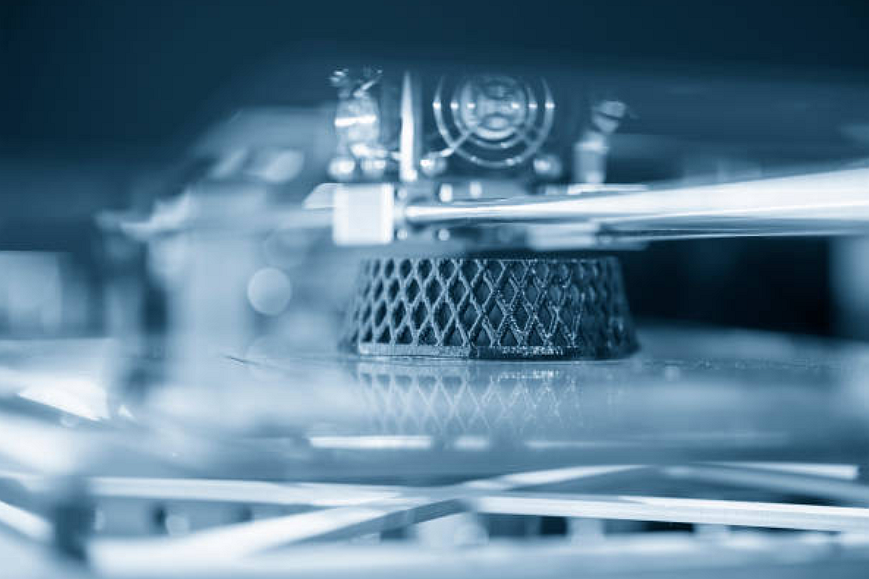
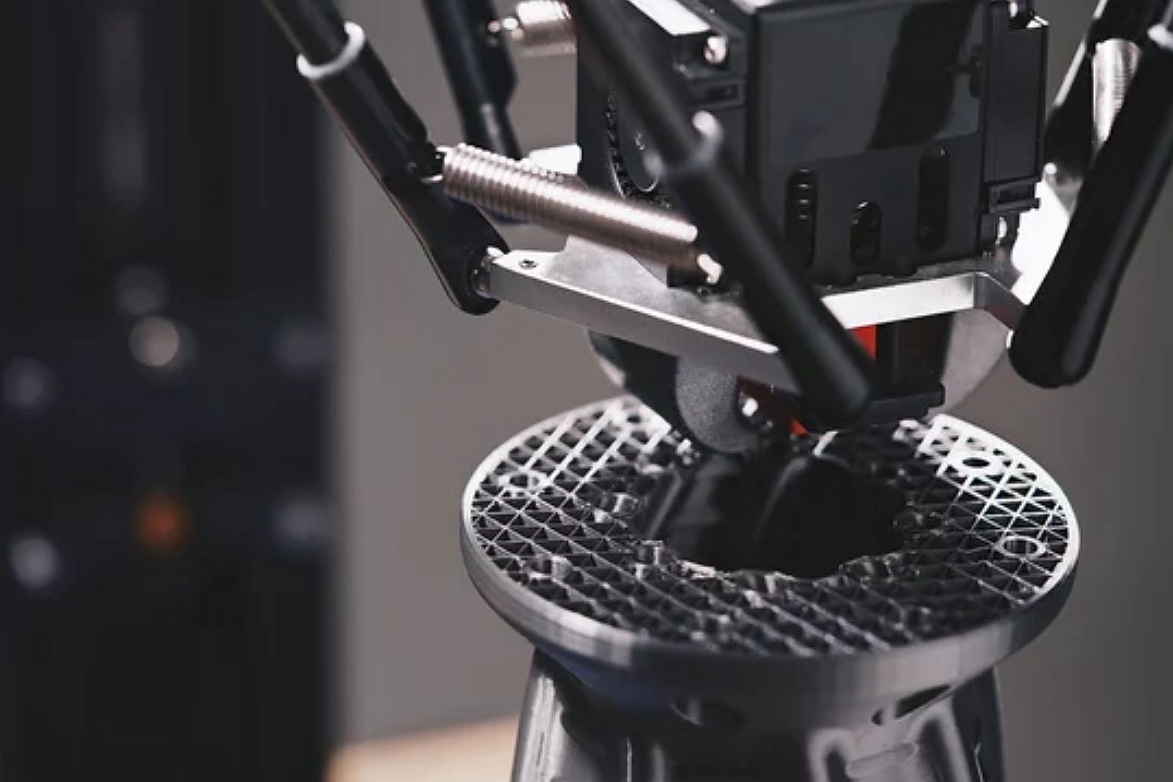
3D प्रिंटिंग (एडिटिव मैन्युफैक्चरिंग): रेने 41 लेजर पाउडर बेड फ्यूजन (LPBF) और डायरेक्ट मेटल लेजर सिंटरिंग (DMLS) के लिए अच्छी तरह से उपयुक्त है, जो उच्च सटीकता के साथ जटिल ज्यामिति बनाने में सक्षम बनाता है। यह एयरोस्पेस और औद्योगिक अनुप्रयोगों के लिए आदर्श है जिन्हें चरम तापमान को सहन करने वाले पुर्जों की आवश्यकता होती है।
मेटल इंजेक्शन मोल्डिंग (MIM): यह विधि जटिल आकार वाले छोटे से मध्यम आकार के पुर्जों के उच्च-वॉल्यूम उत्पादन के लिए प्रभावी है। यह रेने 41 की उच्च-तापमान क्षमताओं का लाभ उठाते हुए उत्कृष्ट सामग्री गुण और सतह फिनिश प्रदान करता है।
पाउडर कंप्रेशन मोल्डिंग (PCM): बड़े घटकों के लिए उपयुक्त, PCM उच्च-तापमान अनुप्रयोगों के लिए आवश्यक समान सामग्री गुणों और जटिल विवरण वाले पुर्जों का उत्पादन करने के लिए रेने 41 पाउडर का उपयोग करता है।
वैक्यूम कास्टिंग: हालांकि रेने 41 जैसे धातुओं के लिए कम सामान्य है, वैक्यूम कास्टिंग का उपयोग विशिष्ट अनुप्रयोगों के लिए किया जा सकता है, विशेष रूप से प्रोटोटाइप या जटिल आकारों के छोटे-बैच उत्पादन में जब सामग्री गुणों पर सटीक नियंत्रण महत्वपूर्ण रूप से आवश्यक नहीं होता है।
हॉट आइसोस्टैटिक प्रेसिंग (HIP): HIP रेने 41 पाउडर से बने पुर्जों के गुणों को बढ़ाता है, विशेष रूप से उन लोगों को जो एडिटिव मैन्युफैक्चरिंग या PCM के माध्यम से निर्मित होते हैं, द्वारा सरंध्रता को कम करके और सामग्री घनत्व को बढ़ाकर।
CNC मशीनिंग: रेने 41 को अंतिम या अर्ध-अंतिम पुर्जों में मशीन किया जा सकता है। CNC मशीनिंग का उपयोग अक्सर अन्य तरीकों से изначально बनाए गए घटकों पर सटीक आयाम और नाजुक विशेषताएं प्राप्त करने के लिए किया जाता है।
2. इन विनिर्माण प्रक्रियाओं द्वारा उत्पादित पुर्जों की तुलना:
सतह खुरदरापन (Surface Roughness): एडिटिव मैन्युफैक्चरिंग आमतौर पर MIM या CNC मशीनिंग की तुलना में उच्च सतह खुरदरापन वाले पुर्जों का उत्पादन करती है, जिसके लिए वांछित फिनिश के लिए पोस्ट-प्रोसेसिंग की आवश्यकता होती है।
सहिष्णुता (Tolerances): CNC मशीनिंग और MIM आमतौर पर एडिटिव मैन्युफैक्चरिंग या PCM की तुलना में तंग सहिष्णुता प्रदान करते हैं, जिन्हें विशिष्ट आवश्यकताओं को पूरा करने के लिए अतिरिक्त फिनिशिंग की आवश्यकता हो सकती है।
आंतरिक दोष (Internal Defects): एडिटिव मैन्युफैक्चरिंग और PCM आंतरिक सरंध्रता या दोषों को पेश कर सकते हैं जो MIM या CNC मशीनिंग के माध्यम से उत्पादित पुर्जों में मौजूद नहीं होते हैं। HIP इन मुद्दों को कम कर सकता है।
यांत्रिक गुण (Mechanical Properties): जबकि एडिटिव मैन्युफैक्चरिंग पारंपरिक तरीकों की तुलना में तुलनीय यांत्रिक गुणों वाले पुर्जों का उत्पादन कर सकती है, रेने 41 घटकों के प्रदर्शन को अनुकूलित करने के लिए HIP जैसे विशिष्ट उपचारों की आवश्यकता हो सकती है।
कॉम्पैक्टनेस (Compactness): MIM और CNC मशीनिंग आमतौर पर उच्च-घनत्व वाले पुर्जों और कम दोषों का उत्पादन करते हैं, जो इष्टतम सामग्री गुणों की आवश्यकता वाले अनुप्रयोगों के लिए महत्वपूर्ण है।
3. इन विनिर्माण प्रक्रियाओं में सामान्य समस्याएं और समाधान:
सतह उपचार (Surface Treatment): सतह फिनिश को बेहतर बनाने के लिए अक्सर यांत्रिक पॉलिशिंग, इलेक्ट्रो-पॉलिशिंग, या रासायनिक एचिंग जैसी तकनीकों की आवश्यकता होती है, विशेष रूप से एडिटिव-निर्मित पुर्जों के लिए।
हीट ट्रीटमेंट (Heat Treatment): विशिष्ट हीट ट्रीटमेंट रेने 41 पुर्जों के संक्षारण प्रतिरोध और यांत्रिक गुणों को बढ़ा सकते हैं, जो अंतिम अनुप्रयोग आवश्यकताओं के अनुसार तैयार किए जाते हैं।
सहिष्णुता प्राप्ति (Tolerance Achievement): एडिटिव मैन्युफैक्चरिंग या PCM पुर्जों पर तंग सहिष्णुता प्राप्त करने के लिए परिशुद्ध मशीनिंग या ग्राइंडिंग की आवश्यकता हो सकती है।
विकृति समस्याएं (Deformation Problems): प्रसंस्करण के दौरान विकृति के प्रति संवेदनशील घटकों का मुकाबला सावधानीपूर्वक डिजाइन, एडिटिव मैन्युफैक्चरिंग में सपोर्ट रणनीतियों, या बाद के सीधा करने की प्रक्रियाओं के साथ किया जा सकता है।
क्रैकिंग समस्याएं (Cracking Problems): >उचित हीट ट्रीटमेंट के माध्यम से अवशिष्ट तनावों को कम करना और धीमी शीतलन दरों को अपना करना रेने 41 घटकों में क्रैकिंग को रोकने में मदद कर सकता है।
पता लगाने की विधियां (Detection Methods): रेने 41 पुर्जों के भीतर आंतरिक दोषों या सरंध्रता की पहचान करने के लिए एक्स-रे टोमोग्राफी या अल्ट्रासोनिक टेस्टिंग जैसी गैर-विनाशकारी परीक्षण विधियां महत्वपूर्ण हैं।
रेने 41 मिश्र धातु के साथ विनिर्माण
मुख्य विनिर्माण प्रक्रियाएं:
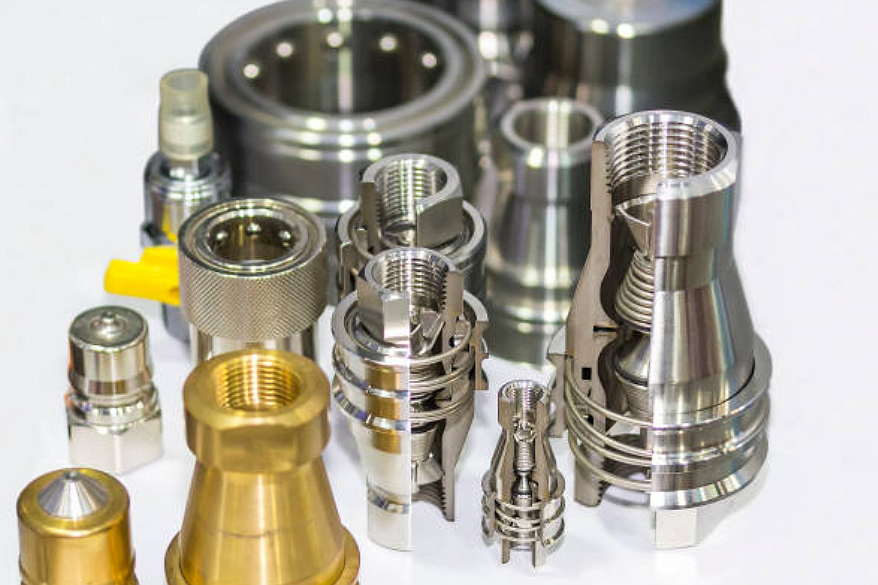
निकेल-आधारित उच्च-तापमान मिश्र धातुओं का उपयोग आमतौर पर उनके असाधारण संक्षारण प्रतिरोध, उच्च-तापमान क्षमताओं, और इम्पेलर, पंप वाल्व, और ऑटोमोटिव पुर्जों जैसे चरम कार्य स्थितियों को सहन करने की क्षमता के कारण किया जाता है। Neway विकृति, क्रैकिंग, और सरंध्रता जैसी समस्याओं को संबोधित करते हुए, निकेल-आधारित उच्च-तापमान मिश्र धातु पुर्जों के विनिर्माण के लिए प्रसंस्करण तकनीकों की एक श्रृंखला का उपयोग करता है।
Powder compression molding (PCM)
अभी एक मुफ्त प्रोटोटाइपिंग सेवा प्राप्त करें!: Neway में सलाहकार डिजाइन सेवा
संबंधित ब्लॉग एक्सप्लोर करें