MIM 17-4 PH
用于定制零件的 MIM 17-4 PH 不锈钢
17-4 PH MIM 概览
MIM 17-4 PH MIM 17-4 PH 是一种用于小型 金属注射成形零件 的沉淀硬化不锈钢路线,适合需要强度、不锈钢耐蚀性、热处理响应和复杂成形细节的零件。实际 RFQ 问题是选择正确的 17-4 PH 热处理状态、机加工余量、表面处理和检测计划,然后再释放量产模具。买家在确认 RFQ 文件前,也应查看相关的 17-4 PH 不锈钢 MIM 材料指南。
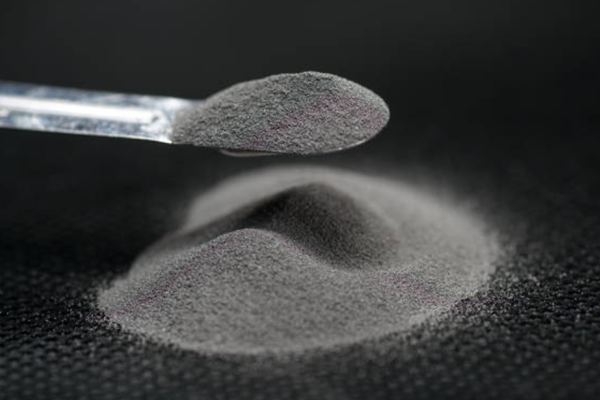
17-4 PH 也称为 Alloy 630、Type 630 或 UNS S17400。仅写材料名称并不足以报价,因为粉末化学成分、注射成形、脱脂、烧结、密度、时效状态、机加工、钝化和图纸验收标准共同决定最终零件状态。
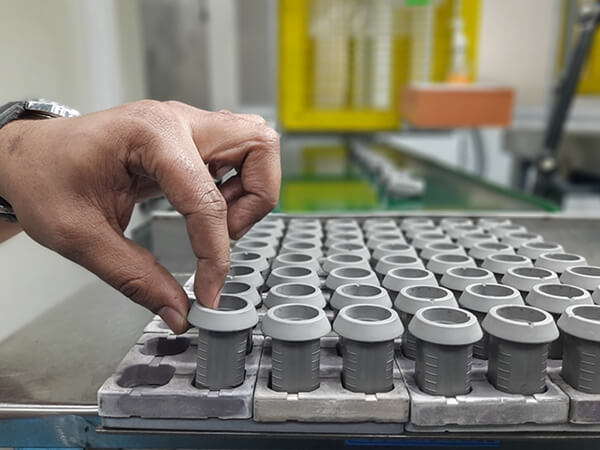
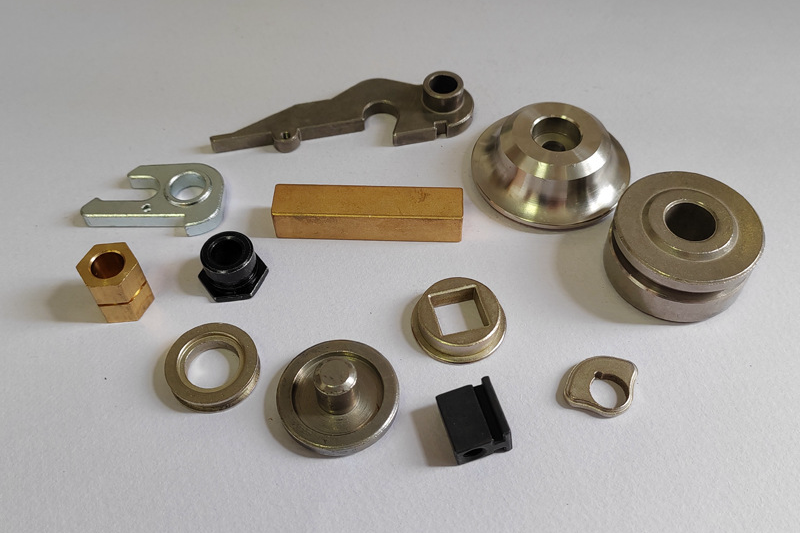
Neway 会把 MIM 17-4 PH 作为完整制造路线来审核。常见项目包括小型齿轮、锁扣、铰链、杠杆、电动工具零件、支架、仪器零件和小型壳体。
MIM 17-4 PH 快速概览
Planning Item | MIM 17-4 PH Reference Information |
|---|---|
Designations | 17-4 PH, 17-4PH, Alloy 630, Type 630, UNS S17400 |
Material family | Martensitic precipitation-hardening stainless steel |
Best MIM fit | Small complex repeat-production parts with ribs, bosses, slots, bores, gear forms, levers, or compact stainless structural features |
Common final conditions | As-sintered, solution-treated where specified, H900, H1025, H1075, H1150, or another approved aging condition |
Representative density | Approximately 7.50 g/cm3 in published MIM supplier data; actual acceptance follows approved feedstock and qualification |
Common secondary operations | CNC machining, reaming, tapping, sizing, grinding, polishing, passivation, coating, hardness testing, CMM inspection, gauge checks, and first article reporting |
RFQ risk | Heat-treatment condition, shrinkage correction, long-span distortion, critical datums, thread strategy, gear inspection, corrosion exposure, and final supply condition |
Download PDF: MIM 17-4 PH Datasheet
为什么 17-4 PH 适合金属注射成形
当零件尺寸小、结构细节多并且需要重复量产时,17-4 PH 很适合 MIM。MIM 可以形成筋位、槽、凸台、曲面、齿形、内腔和紧凑臂杆,否则这些结构通常需要多次 CNC 装夹。
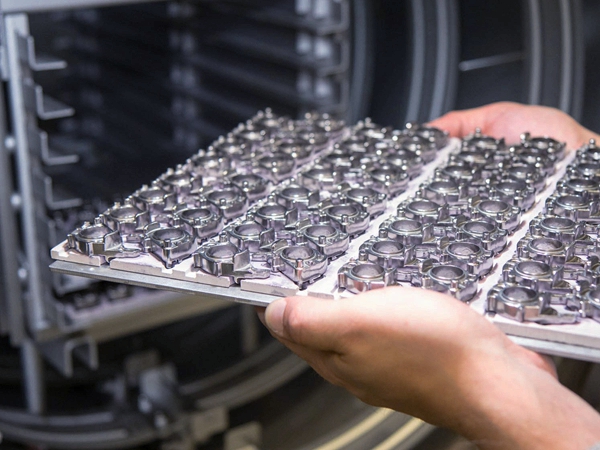
工程原因在于粉末成形和后续热处理的组合。生坯脱脂后烧结为近净形不锈钢零件,再通过 H900、H1025 或 H1150 等时效状态形成所需强度和硬度。
RFQ 阶段应说明零件功能、年用量、最终热处理状态、腐蚀环境、磨损表面、关键尺寸和检测证据。Neway 才能判断应报价烧结毛坯、热处理毛坯、机加工 MIM 件还是完整交付零件。
MIM 17-4 PH 化学成分
以下范围为材料规划参考值。最终验收应以客户图纸、采购规范、批准的喂料证书、材料证书和项目验证记录为准。
Element | Typical Reference Range, wt.% | Material Role | RFQ Note |
|---|---|---|---|
Iron (Fe) | Balance | Base alloy matrix | Controlled by the approved powder and feedstock route |
Chromium (Cr) | 15.0-17.5 | Supports stainless corrosion and oxidation resistance | State the corrosion environment and passivation requirement |
Nickel (Ni) | 3.0-5.0 | Supports phase balance, toughness, and heat-treatment response | Finished properties depend on the selected condition |
Copper (Cu) | 3.0-5.0 | Contributes to precipitation hardening | Important for strength development during aging |
Niobium (Nb) | 0.15-0.45 | Supports precipitation behavior and alloy stabilization | Confirm against the approved feedstock certificate |
Carbon (C) | 0.07 max. | Affects carbide behavior, hardness, and processing control | Confirm when corrosion and heat-treatment behavior are critical |
MIM 17-4 PH 代表性性能
力学性能受喂料、烧结密度、截面尺寸、几何结构、热处理和测试方法影响。下表数值用于早期比较,不作为最终验收极限。
Condition | Ultimate Tensile Strength | 0.2% Yield Strength | Elongation | Hardness | Density | RFQ Meaning |
|---|---|---|---|---|---|---|
Representative as-sintered condition | Approx. 900 MPa | Approx. 730 MPa | Approx. 7% | 35 HRC max. | Approx. 7.50 g/cm3 | Useful for early screening, but drawing acceptance still needs a stated final condition |
Representative H900 condition | Approx. 1220 MPa | Approx. 1100 MPa | Approx. 7% | Approx. 35-40 HRC | Approx. 7.50 g/cm3 | Often reviewed when high strength and hardness matter more than maximum toughness |
选择 17-4 PH 热处理状态
H900 用于强度和硬度
当高强度和较高硬度是主要目标时,通常讨论 H900。它可用于小齿轮、传动件和锁止硬件,但需要评估韧性和热处理变形。
H1025 和 H1075 用于平衡状态
当零件既需要结构强度,又需要尺寸稳定性和韧性时,H1025 和 H1075 通常是更稳妥的起点。
H1150 用于韧性和稳定性
H1150 会牺牲部分硬度以换取更好的韧性,适合振动、冲击或应力集中较敏感的应用。
MIM 17-4 PH 零件设计注意事项
壁厚和截面变化
均衡壁厚有利于注射、脱脂和烧结。厚薄突变会增加变形、缩痕和不均匀收缩风险。
收缩和模具修正
MIM 模具需要按烧结收缩预放大。实际修正量取决于喂料、几何结构、浇口位置和炉内装载方式。
通常需要机加工的特征
螺纹、精密孔、轴承位、密封面、安装基准和检测基准通常需要烧结后机加工。
热处理和尺寸变化
薄臂、长跨距和非对称结构在时效过程中可能发生移动,必要时需要夹具、整形或最终加工。
表面处理和钝化
钝化、抛光、喷砂、涂层和清洗应根据实际服役环境选择。外观面、滑动面和耐腐蚀面不应使用同一个处理逻辑。
MIM 17-4 PH 适合与不适合的场景
Buyer Priority | Material or Process to Review First | Reason for the Decision |
|---|---|---|
Balanced strength, stainless behavior, and compact complex geometry | Good fit for small structural stainless parts with molded details and selected machined features | |
Chloride corrosion resistance and cleanliness are more important than strength | 316L is often the better corrosion-focused starting point for stainless MIM parts | |
Sliding wear and high hardness dominate the design | A hardenable wear-focused stainless grade may be more appropriate than 17-4 PH |
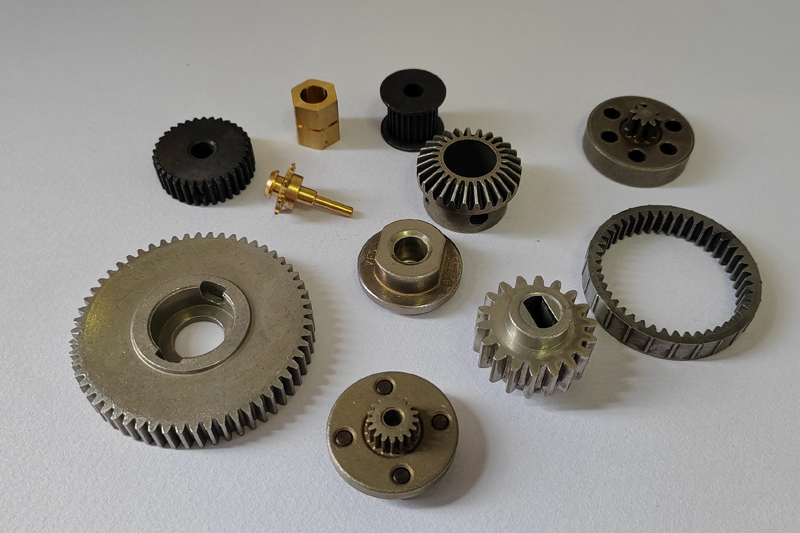
17-4 PH 齿轮和传动零件
小齿轮、环齿轮、小齿轮轴、联轴件和传动硬件是典型 MIM 17-4 PH 项目,因为它们同时需要成形齿形和热处理后的不锈钢结构。
齿轮 RFQ 应同时说明扭矩、齿面接触、跳动、配对材料、润滑、硬度和检测方法。
MIM 17-4 PH 典型应用
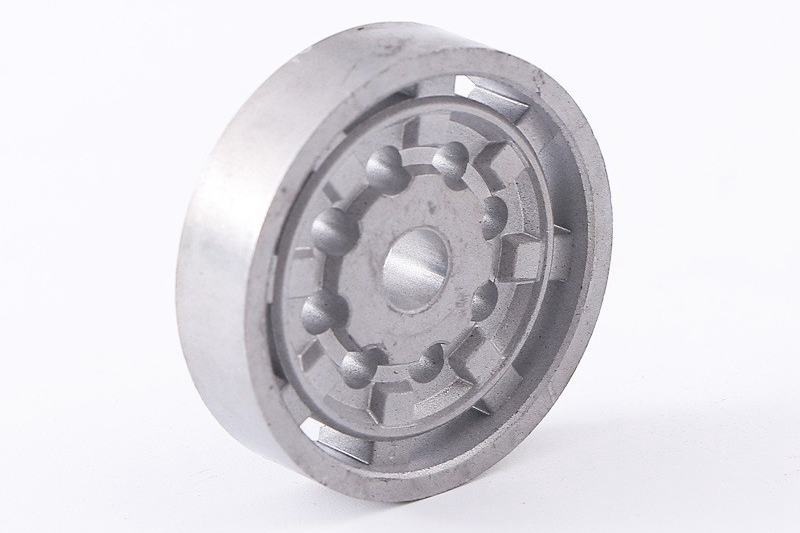
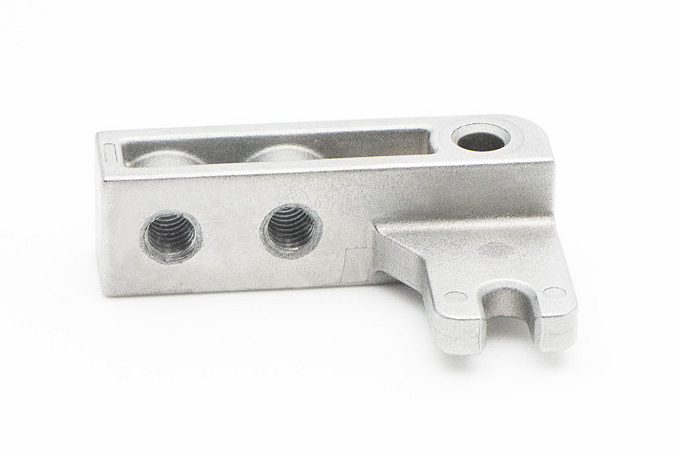
结构件、锁具和仪器硬件
锁扣、铰链、锁具零件、杠杆、支架和小型壳体可以利用 MIM 的复杂成形能力和热处理后的强度。
用于仪器或洁净应用时,买家应说明去毛刺、钝化、清洗、包装、文件和功能测试要求。
用于紧凑受载件的 H900 17-4 PH
当强度和硬度是核心要求时,通常会讨论 H900 MIM 17-4 PH。
但较高硬度不能解决尖角、薄臂、冲击、腐蚀或严格平面度等所有问题。
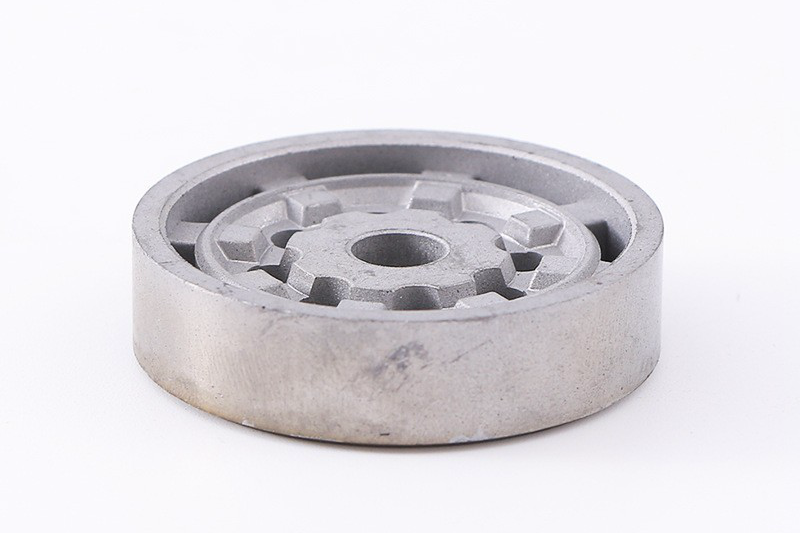
磨损和强度决策中的材料比较
什么时候应先评估 440C
17-4 PH 不能自动替代所有可硬化不锈钢。如果滑动磨损、刃口保持或高硬度是主导要求,MIM 440C 可能更适合优先评估。
买家应把强度要求和磨损要求分开说明,这样才能正确选择材料、热处理、表面处理和检测计划。
Neway 的 MIM 17-4 PH 生产和检测
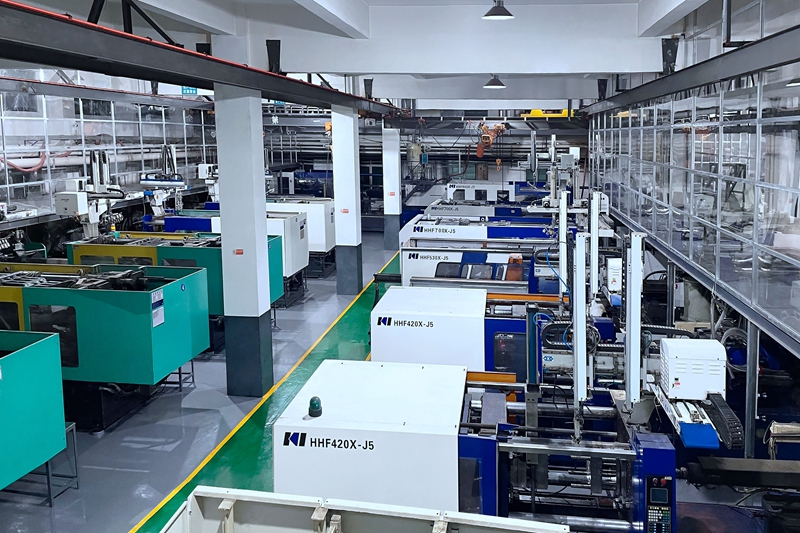
Neway 从 DFM 到最终检测审核 MIM 17-4 PH 零件,包括壁厚、浇口、分型线、收缩、烧结支撑、机加工余量、热处理和表面处理。
首件用于确认成形几何并识别模具修正或二次加工需求。批量生产时,每个关键特征都需要对应明确的检测方法。
Material certificate and lot traceability
Density and hardness checks
Heat-treatment records
CMM or optical dimensional reports
Pin, thread, and gear gauge results
Passivation or finish inspection
MIM 17-4 PH 零件 RFQ 清单
有效报价需要完整图纸包和清楚的零件功能说明。请提供:
2D 图纸和 3D CAD 模型
材料牌号和最终热处理状态
年用量、批量和项目阶段
载荷、磨损、冲击、腐蚀和工作温度
关键尺寸、基准、功能面和公差说明
螺纹、齿轮、孔、密封面和配合件信息
表面处理、钝化、涂层和外观要求
需要随货提供的检测记录和报告格式
有了这些信息,Neway 可以判断应优先评估 MIM 17-4 PH、MIM 316L、MIM 440C、CNC 加工或其他路线。
为您的 MIM 17-4 PH 零件申请材料和 DFM 审核