Why Zinc is the Easiest Metal to Cast - Advantages Explained
Why is zinc considered highly castable?
Zinc is often considered highly castable in die casting because its alloy behavior can support fluid filling, detailed features, repeatable dimensions, and lower thermal load on tooling. In zinc die casting, the practical RFQ problem is deciding whether zinc alloy properties fit the part size, feature detail, strength requirement, weight target, surface finish, coating, machining allowance, and inspection evidence.
Zinc die casting can be a strong candidate for small to medium metal components with detailed geometry. However, zinc should not be selected only because it is easy to cast. The buyer still needs to compare zinc with aluminum die casting, gravity casting, machining, or another manufacturing route based on the part function.
How do melting behavior and fluidity help zinc die casting?
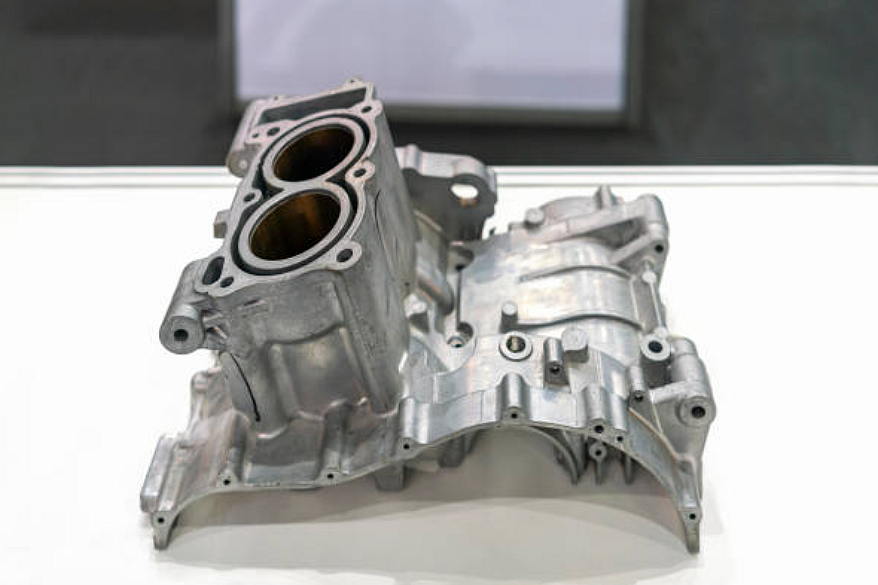
Zinc alloys cast at lower process temperatures than many aluminum alloys. Lower thermal load can reduce some heat stress on die components and can support repeatable production when the die, cooling, and process settings are well controlled.
Zinc alloy fluidity can help molten metal fill small features, thin walls, ribs, bosses, lettering, and detailed cosmetic geometry. This is useful when the part needs sharp detail or compact geometry. The die design still needs proper gates, vents, overflows, ejector layout, and parting-line control.
How does zinc shrinkage and dimensional repeatability affect parts?
Zinc alloys can support good dimensional repeatability when the part design, die temperature, filling path, and material control are stable. This can help small mechanical parts, handles, connectors, brackets, latch components, decorative parts, and housing features.
Dimensional control is not automatic. Draft, wall thickness, gate location, ejection force, tool wear, plating thickness, and post-cast machining can still affect final dimensions. Buyers should define functional datums, threaded holes, bearing surfaces, assembly fits, and cosmetic surfaces before tooling.
What limitations should buyers check before choosing zinc?
Zinc is denser than aluminum, so zinc may not be the best choice when a lightweight part is required. Zinc also has different service-temperature behavior from aluminum or steel, so operating temperature and load requirements must be reviewed.
Large parts, high-temperature environments, high load-to-weight requirements, thermal dissipation features, and severe corrosion exposure may push the buyer toward another route. Aluminum die casting, gravity casting, investment casting, CNC machining, or another process may be more appropriate after drawing review.
Which zinc die cast parts are common candidates?
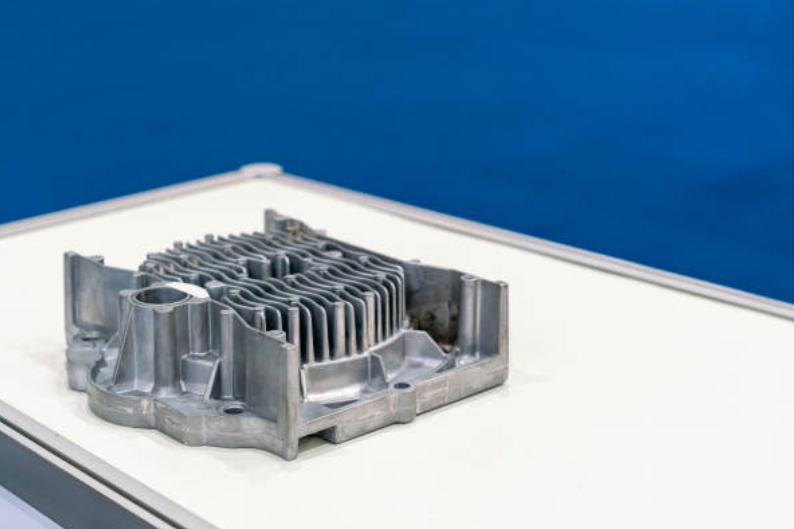
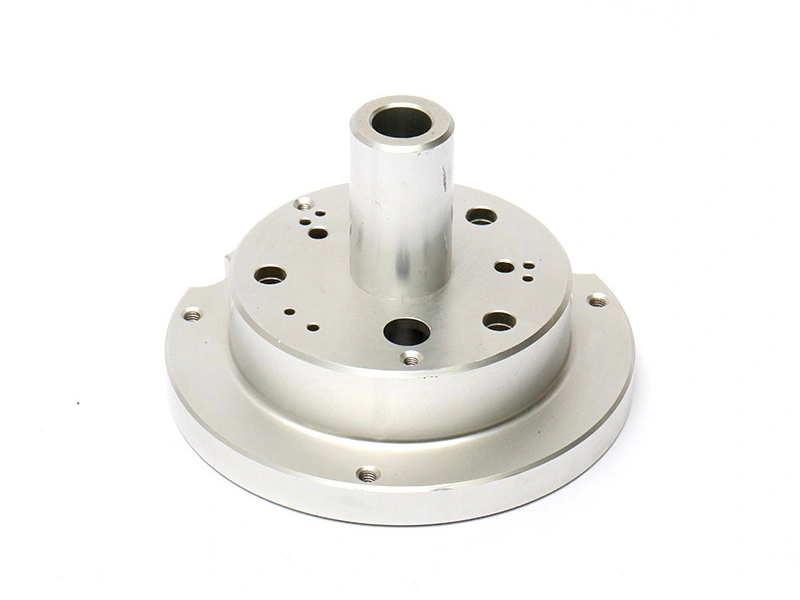
Zinc die casting is often reviewed for compact hardware, handles, locks, latches, hinges, small brackets, connectors, gear-like parts, housings, covers, decorative trims, and detailed mechanical components. These parts can benefit from zinc's feature definition, surface finish potential, and dimensional repeatability.
Buyer requirements should still control the decision. A part that needs low weight, high thermal conductivity, or larger structural geometry may be better reviewed as aluminum die casting. A part that needs a steel alloy may need investment casting, machining, powder metallurgy, or another route.
What finishing and inspection are needed for zinc die castings?
Zinc die cast parts may use trimming, deburring, tumbling, polishing, plating, painting, powder coating, passivation-type pretreatment, machining, thread forming, assembly, or functional testing. The surface treatment should be selected based on corrosion exposure, cosmetic class, wear requirement, coating thickness, and masking needs.
Inspection evidence may include first article inspection, dimensional report, CMM inspection, material certificate, visual inspection standard, coating thickness report, adhesion check, torque test, pull-out test, functional fit check, or other buyer-specified evidence. If the zinc part is used in a regulated or safety-critical assembly, buyer qualification requirements and final validation responsibility should be defined before quotation.
Zinc Casting Factor | Why It Helps | Manufacturing Risk to Check | RFQ Information Needed |
Fluid filling | Can support detailed features, small ribs, bosses, lettering, and compact geometry | Cold shuts, trapped air, flash, gate marks, and cosmetic flow defects | 3D model, wall thickness, feature detail, gate restrictions, and cosmetic surfaces |
Lower thermal load | Can reduce some heat stress on die components compared with hotter casting routes | Tool wear, soldering, die temperature variation, and ejection marks | Quantity, design maturity, tool maintenance needs, and parting-line requirements |
Dimensional repeatability | Can support small mechanical parts and detailed assembly features | Draft error, plating build-up, tool wear, and machined feature variation | Critical dimensions, datums, threaded holes, coating thickness, and inspection method |
Material density | Can be acceptable for compact parts where mass is not the main concern | Excess part weight or unsuitable thermal behavior | Weight target, load requirement, operating temperature, and assembly function |
Surface finishing | Can support plating, polishing, painting, and other cosmetic or functional finishes | Adhesion issues, coating thickness variation, masking errors, and corrosion concerns | Finish type, color, coating thickness, cosmetic class, and acceptance criteria |
What should buyers provide for a zinc die casting RFQ?
A useful RFQ should include the 2D drawing, 3D model, zinc alloy preference if known, expected quantity, production stage, critical dimensions, wall thickness, cosmetic surfaces, plating or coating requirement, assembly interfaces, operating temperature, load requirement, machined features, and inspection method.
If material selection is uncertain, the supplier can compare zinc die casting, aluminum die casting, gravity casting, investment casting, and CNC machining against the same drawing. The material decision should follow the part requirement, not a general statement about castability.
Related FAQs