
HDPE Injection Molding Services: Design, Material Properties, and Applications
HDPE Injection Molding RFQ Decision: This article explains how buyers can evaluate HDPE injection molding services for high-density polyethylene molded parts made by plastic injection molding, DFM review, mold design, material selection, process validation, and dimensional inspection. The part types include industrial housings, fluid-handling components, caps, covers, containers, clips, fittings, low-moisture plastic parts, and regulated product components that need buyer qualification. The practical RFQ problem is deciding whether HDPE is the right thermoplastic, how the design should manage shrinkage and warpage, and when HDPE should be compared with PP, POM, or nylon before tooling.
HDPE is useful when the molded part needs toughness, chemical resistance, low moisture absorption, and practical processing for durable plastic components. Buyers should still review geometry, wall thickness, critical dimensions, surface finish, assembly interfaces, and end-use testing because HDPE material behavior can affect shrinkage, warpage, and tolerance control.
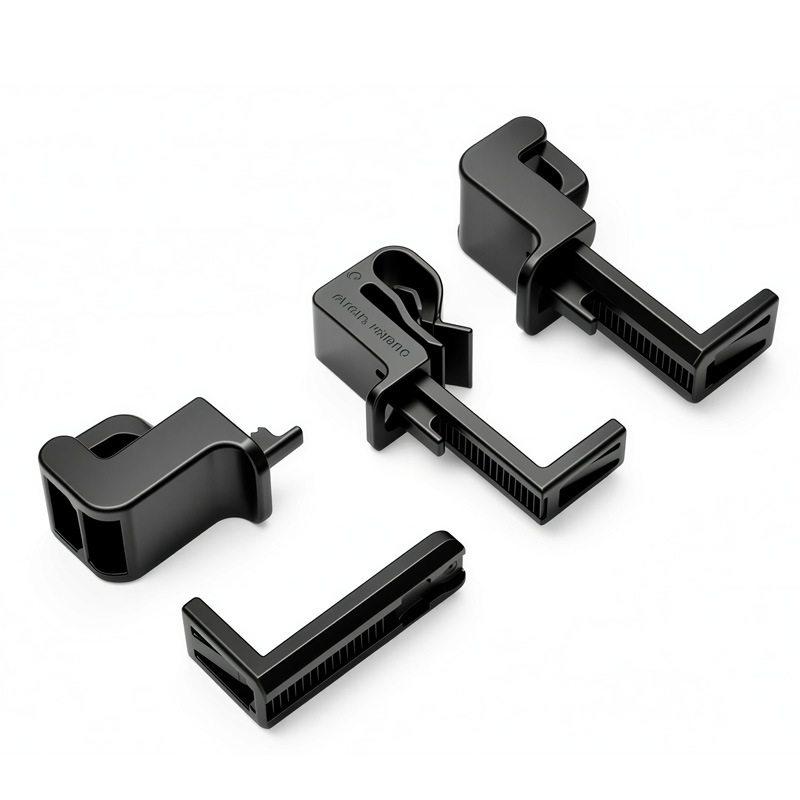
When Should Buyers Choose HDPE Injection Molding?
Buyers should choose HDPE injection molding when the part needs a balance of toughness, chemical resistance, moisture resistance, and molded plastic production. HDPE can be relevant for fluid-handling parts, containers, caps, covers, industrial components, consumer product parts, and functional plastic housings where the material behavior matches the application.
The engineering reason is that high-density polyethylene is a thermoplastic with useful impact and chemical behavior, but HDPE also has molding characteristics that must be managed. Shrinkage, warpage, gate location, wall thickness, cooling, and ejection can affect final dimensions and part appearance.
The RFQ implication is that buyers should state whether the HDPE molded part is for chemical contact, water exposure, outdoor use, assembly fit, impact resistance, or cost-sensitive production. If a medical or regulated product component is involved, the buyer should define the material grade, documentation, and validation requirements.
Which HDPE Material Properties Matter For Molded Parts?
The most important HDPE material properties for molded parts are toughness, chemical resistance, low moisture absorption, relatively low density, and thermoplastic processability. These properties can make HDPE useful for durable plastic components, but the buyer still needs to define the operating environment and approval requirements.
HDPE is not selected only because it is a common plastic. It should be selected because the part function matches the material behavior. A fluid-handling HDPE fitting may need chemical compatibility and sealing geometry. An HDPE cover may need impact resistance and appearance control. An HDPE clip may need flexibility, stress resistance, and assembly repeatability.
HDPE Property | Buyer Requirement It May Support | RFQ Detail To Provide | Molding Risk To Review |
|---|---|---|---|
Chemical resistance | Fluid-handling part, container, fitting, protective cover | Fluid type, exposure condition, cleaning method, and validation plan | Material grade selection, sealing geometry, and surface condition |
Low moisture absorption | Outdoor or wet-use plastic component | Moisture exposure, assembly fit, and dimensional inspection needs | Shrinkage, warpage, and long-term fit review |
Toughness | Cover, cap, housing, impact-exposed component | Impact condition, wall thickness, rib design, and temperature range | Gate location, weld line, stress concentration, and ejection marks |
Thermoplastic processing | Production molded part with repeatable geometry | Quantity stage, mold type, color, texture, and inspection scope | Cooling balance, cycle stability, sink marks, and dimensional variation |
How Should HDPE Molded Parts Be Designed?
HDPE molded parts should be designed with uniform wall thickness, smooth transitions, suitable draft, controlled ribs, practical boss geometry, and clear functional datums. The buyer should identify sealing areas, snap fits, hinge-like features, threaded inserts, mating surfaces, and cosmetic surfaces before mold design.
Design choices affect shrinkage and warpage. Thick sections may create sink marks or longer cooling needs. Uneven walls may increase distortion. Sharp corners can concentrate stress. Poor gate location can affect flow marks, weld lines, or packing. DFM review should happen before mold construction so the buyer can adjust geometry while the design is still flexible.
How Should Shrinkage, Warpage, And Tolerance Be Managed?
Shrinkage, warpage, and tolerance should be managed by connecting HDPE material behavior with the part's functional features. Critical dimensions may include sealing surfaces, clip positions, connector interfaces, thread engagement, cap fit, and housing assembly features. Non-critical surfaces may need only general dimensional or visual review.
HDPE shrinkage depends on material grade, wall thickness, mold temperature, gate position, packing, cooling, and part geometry. The RFQ should list critical dimensions, inspection method, mating parts, and the production stage. A prototype part, first tool sample, and production run may need different inspection evidence.
HDPE Design Issue | Manufacturing Cause | Inspection Evidence | Buyer Decision Supported |
|---|---|---|---|
Warpage | Uneven wall thickness, cooling imbalance, gate position, material shrinkage | Dimensional report and assembly fit check | Whether design or tooling changes are needed before production approval |
Sink mark | Thick sections, boss design, rib transition, packing condition | Visual inspection and surface approval sample | Whether wall and rib geometry should be revised |
Fit variation | Shrinkage, molding parameter variation, and datum strategy | CMM check, gauge check, or mating part assembly check | Whether the tolerance map reflects real assembly requirements |
Surface defect | Gate design, flow path, weld line, trapped air, or material condition | Visual inspection and defect record | Whether the cosmetic standard and molding setup are aligned |
Where Are HDPE Injection Molded Parts Commonly Used?
HDPE injection molded parts are commonly reviewed for industrial housings, fluid-handling components, caps, covers, containers, fittings, clips, protective parts, and consumer product components. HDPE can also be reviewed for regulated product applications when the buyer defines the required grade, documentation, and validation scope.
The application name should not replace the engineering requirement. A fluid-handling component needs chemical compatibility and sealing geometry. A housing needs impact, assembly, and surface requirements. A clip needs flexibility and fatigue-related buyer testing. A medical product component needs buyer-controlled regulatory and qualification requirements.
When Should Buyers Compare HDPE With PP, POM, Or Nylon?
Buyers should compare HDPE with PP, POM, or nylon when the part requirement is not fully answered by HDPE. PP may be reviewed for cost-sensitive molded parts and chemical resistance. POM may be reviewed for gears, sliding features, and dimensional stability. Nylon may be reviewed for mechanical strength, wear, and higher temperature exposure, while moisture behavior must be considered.
The comparison should be based on part function, not only material price. If the part needs a low-friction gear, POM may deserve review. If the part needs a flexible cover or container, HDPE or PP may be more relevant. If the part needs a load-bearing bracket, nylon or reinforced materials may need review. The RFQ should ask for material comparison when the buyer has not finalized the plastic grade.
What Should Buyers Include In An HDPE Injection Molding RFQ?
A complete HDPE injection molding RFQ should include CAD files, 2D drawings, HDPE grade if known, part function, chemical or moisture exposure, critical dimensions, mating parts, wall thickness concerns, surface finish, color, texture, production stage, inspection requirements, packaging needs, and buyer-owned validation tests.
Important decisions should be stated directly. If the HDPE part handles fluid, define the fluid and sealing interface. If the part clips into an assembly, define the snap feature and test method. If the part must fit a housing, identify the datums and mating components. If HDPE is being compared with PP, POM, or nylon, provide the same functional requirements for each material route.
Related FAQs