Powder Metallurgy Enables High-Performance Sintered Gears and Self-Lubricating Bushings
This article explains how powder metallurgy and powder compression molding are used to manufacture sintered gears, self-lubricating bushings, and sintered bronze bearing components. Buyers evaluating PM gears or porous bushings should define powder material, density target, tooth geometry, bore requirements, oil impregnation, secondary machining, heat treatment, and inspection needs before RFQ because porosity, sintering shrinkage, and finishing requirements strongly affect both performance and cost.
Powder Metallurgy Gears and Bushing RFQ Decision
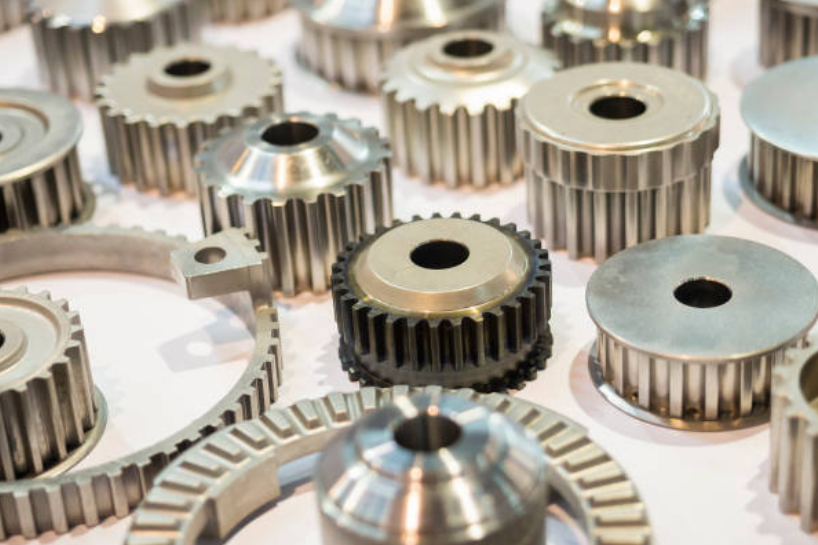
Powder metallurgy is useful when a metal part can benefit from near-net-shape forming, controlled porosity, repeatable production, and reduced machining from solid bar or billet. Sintered gears and self-lubricating bushings are common examples because PM can form gear profiles, bearing sleeves, and oil-retaining porous structures directly from metal powder.
The buyer decision is whether powder compression molding, metal injection molding, CNC machining, casting, or forging is the most appropriate route. For relatively simple axial components, bushings, washers, sprockets, and selected gear forms, powder pressing molding may be a strong route. For smaller complex metal parts with more three-dimensional features, metal injection molding may be reviewed. For high-accuracy tooth flanks or precision bores, secondary machining may still be required.
PM should not be selected only because the part is a gear or a bushing. Load, speed, lubrication condition, tooth accuracy, bore finish, shaft material, noise requirement, operating temperature, and production volume must be reviewed together.
How Powder Compression Molding Creates Sintered Gears and Bushings
In powder compression molding, metal powder is filled into a die, compacted under pressure, ejected as a green compact, and sintered to bond the powder particles. For PM gears and bushings, the die geometry controls the near-net shape, while sintering controls metallurgical bonding, dimensional change, and final density.
Powder metallurgy components can be designed with controlled porosity. That porosity may be useful for oil impregnation in self-lubricating bushings, but the same porosity can reduce strength if the load requirement is high. The density target should therefore be specified together with the part function.
The PM route may include powder mixing, compaction, sintering, sizing, coining, oil impregnation, heat treatment, steam treatment, plating, machining, deburring, and inspection. Buyers should identify which operations are required for the application instead of assuming that the sintered part is ready after the furnace stage.
Sintered Gear Design: Tooth Geometry, Density, Wear, and Secondary Machining
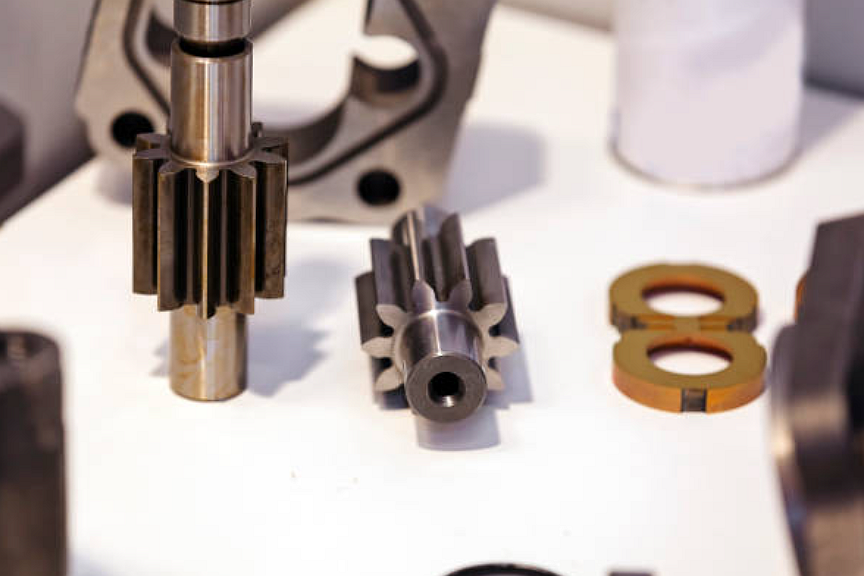
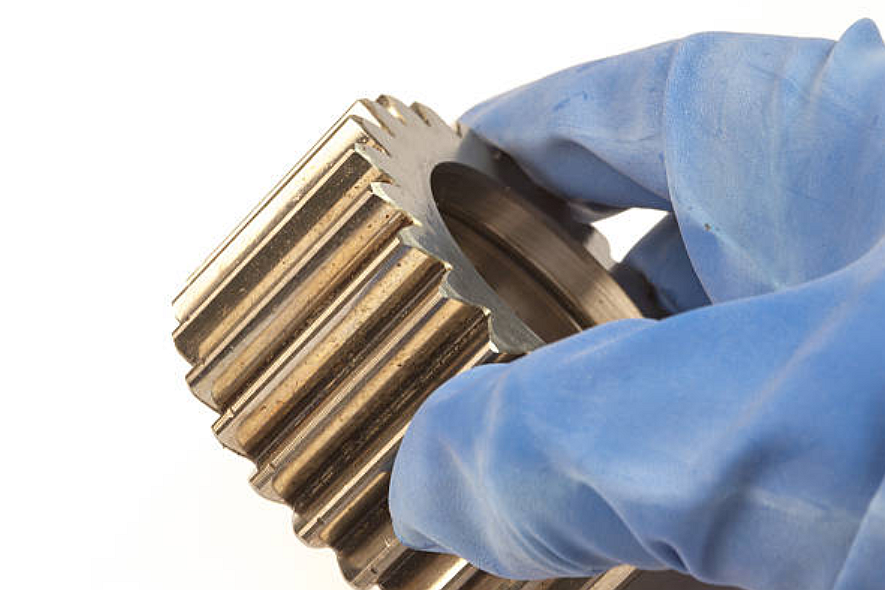
Sintered gears can reduce machining compared with cutting every tooth from a wrought blank, but gear function still depends on tooth profile, density, material, surface condition, heat treatment, bore alignment, and inspection. PM tooling can form repeated tooth geometry efficiently, while post-sinter sizing or machining may be needed for bore, faces, keyways, or critical datums.
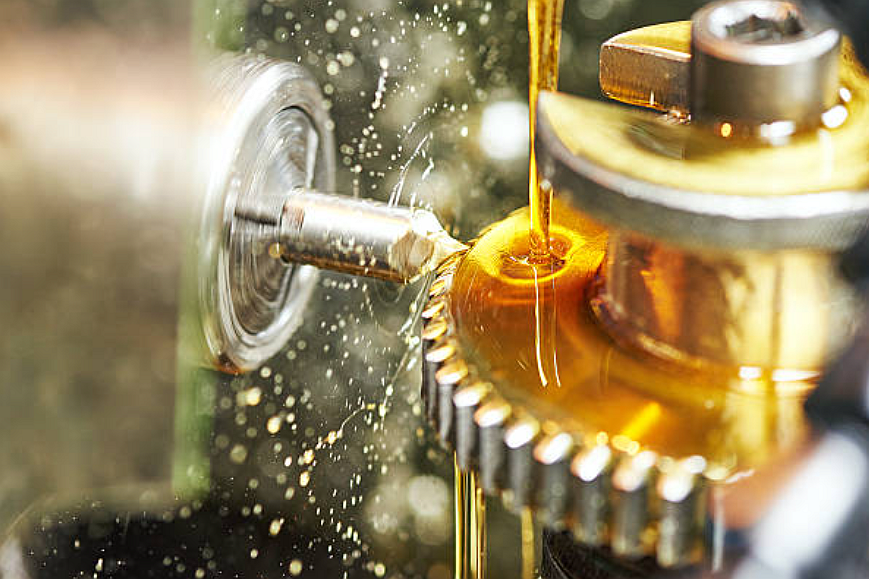
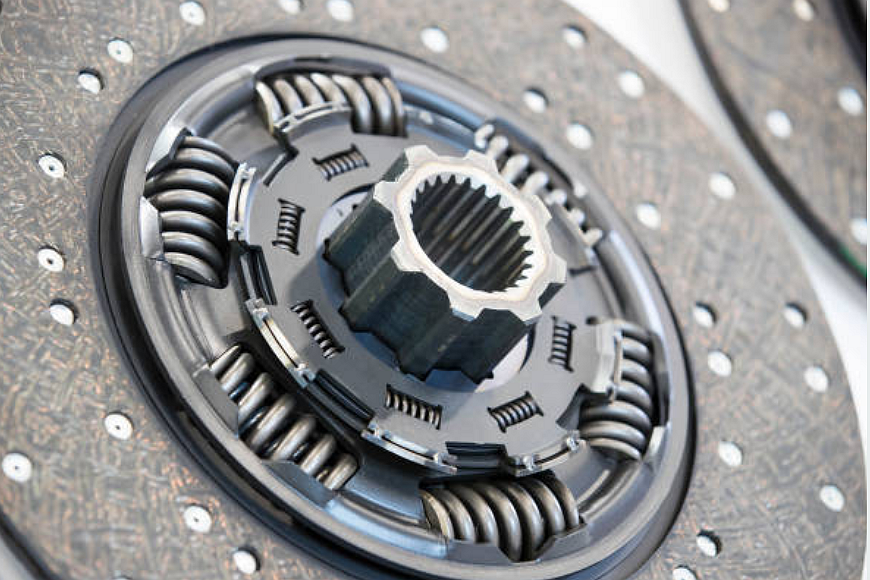
For gear RFQs, buyers should provide module or diametral pitch, tooth count, pressure angle, bore and keyway requirements, face width, gear accuracy expectations, load direction, speed, mating gear material, lubrication condition, and whether heat treatment or surface finishing is required. If the drawing requires tight gear accuracy, the quote should separate as-sintered surfaces from machined or sized surfaces.
Self-Lubricating Bushings: Porosity, Oil Impregnation, and Bore Control
Self-lubricating bushings rely on controlled interconnected porosity that can retain oil or another lubricant. During operation, lubricant can migrate between the porous structure and the shaft contact surface, reducing friction under suitable operating conditions. The benefit depends on powder material, pore structure, impregnation method, shaft surface, load, speed, temperature, and maintenance assumptions.
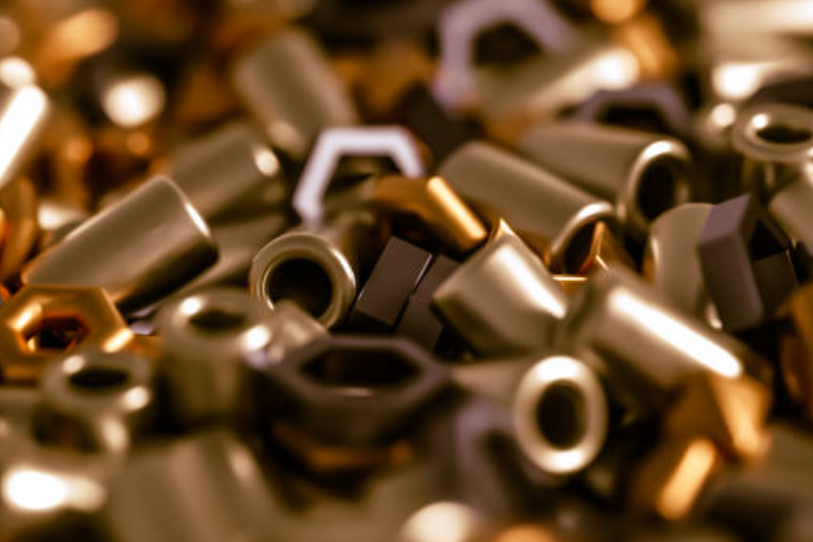
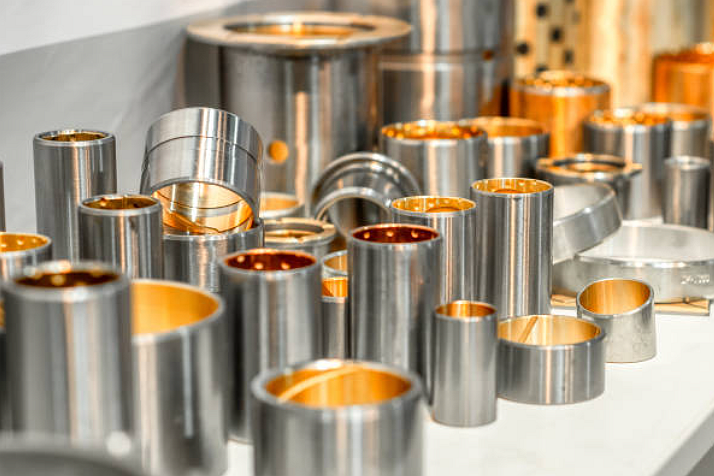
Bushing cost and performance are affected by inner diameter control, wall thickness, flange geometry, chamfers, surface finish, porosity, oil content, and post-sinter sizing. A bushing may need sizing or machining to control the bore and outside diameter. Buyers should specify shaft fit, running clearance, lubricant type, load, speed, temperature range, and any cleanliness or impregnation requirements.
Powder Metallurgy Compared With CNC Machining, Casting, Forging, and MIM
Powder metallurgy can reduce waste and recurring machining when the part geometry is compatible with compaction and sintering. CNC machining may be better for prototypes, low quantities, very tight machined datums, or gear teeth that require precise cutting and finishing. Precision casting may fit larger or less compactable shapes, while forging may be reviewed when directional strength and wrought properties are the main priority.
PM and MIM are both powder-based routes, but the route selection differs. Powder pressing is generally stronger for axisymmetric or pressable geometries because the powder must compact through the die direction. MIM can form more complex three-dimensional features, small details, and thin walls, but it requires feedstock molding, debinding, and sintering. Buyers should compare geometry, volume, material, tolerances, and secondary machining before selecting either route.
Manufacturing Route | Suitable Gear or Bushing Need | Main Limitation | Buyer Decision Point |
|---|---|---|---|
Powder compression molding | Near-net sintered gears, sleeves, bushings, and porous bearings | Geometry must compact and eject from the die | Can the part be formed with acceptable density and secondary finishing? |
Metal injection molding | Small complex powder metal parts with more 3D detail | Tooling, feedstock, debinding, and sintering must be justified | Does geometry need MIM complexity instead of pressable PM shape? |
CNC machining | Prototype gears, precision bores, tight datums, or finished tooth profiles | Higher material waste and longer recurring machining for volume parts | Which features truly need machined accuracy? |
Casting or forging | Larger blanks or strength-driven wrought/cast route review | May still require machining for gear teeth, bores, and surfaces | Is formed material structure more important than PM porosity or near-net shape? |
Materials and Heat Treatment for Sintered Gears and Bushings
PM gear and bushing materials may include iron-based powders, low alloy steel powders, stainless steel powders, copper-based powders, bronze compositions, and selected tool steel or magnetic alloy powders. Low alloy steel and stainless steel may be reviewed for sintered structural parts, while bronze-type materials are commonly associated with self-lubricating bearing applications.
Heat treatment and surface treatment should match the gear or bushing function. Sintered gears may need sizing, hardening, steam treatment, oil impregnation, plating, or other secondary operations depending on wear, corrosion, friction, and strength requirements. Bushings may need oil impregnation and bore sizing rather than high hardness. The buyer should not specify heat treatment without also defining the working load, mating surface, lubrication, and inspection requirements.
Inspection Evidence for PM Gears, Bushings, and Bearings
Inspection for PM gears and bushings should cover the features that control function. Gear inspection may include tooth profile, runout, bore size, face width, flatness, hardness, density, and visual review for chips or cracks. Bushing inspection may include inner diameter, outside diameter, concentricity, length, flange dimensions, porosity, oil content, surface condition, and fit against the mating shaft.
For production, dimensional consistency depends on powder lot control, compaction pressure, die wear, sintering conditions, sizing operations, and inspection sampling. Buyers should specify whether they need dimensional reports, material certificates, density checks, hardness tests, surface roughness reports, lubrication or oil content confirmation, go/no-go gauges, or functional assembly checks.
If the part will be used in a safety-related or performance-critical system, buyer acceptance criteria and validation requirements should be defined before production. PM manufacturability does not replace application qualification.
RFQ Information Needed for Sintered Gear and Bushing Projects
A useful RFQ for sintered gears should include the 3D model, 2D drawing, material preference, gear data, bore and keyway requirements, target density, heat treatment, surface treatment, production volume, mating component information, lubrication condition, inspection requirements, and which surfaces may be machined after sintering.
A useful RFQ for self-lubricating bushings should include inner diameter, outside diameter, length, flange geometry, shaft material, running clearance, load, speed, lubricant requirement, operating temperature, porosity or oil content expectations, and whether sizing, machining, impregnation, or cleaning is required.
Clear RFQ data helps the manufacturer decide whether powder compression molding, MIM, CNC machining, casting, or a combined route can meet the part function without overquoting unnecessary operations or missing critical finishing steps.
Related FAQs
What Are the Common Powder Compression Molding Materials and Examples?
What materials and heat treatments suit gears under high-frequency impact loads?
How do powder metallurgy parts compare with forgings in cost and performance?
What material and heat treatment requirements apply to gears in high-load tools?
What cost advantages does the MIM process offer compared with CNC machining?